In today’s competitive market, businesses constantly employ clever design strategies to entice consumers into spending more.
These strategies leverage psychology, science, and behavioral insights to subtly influence purchasing decisions, often without customers even realizing it.
Below, we explore 10 design tricks businesses use to increase their sales and keep customers coming back for more.
Casino Design
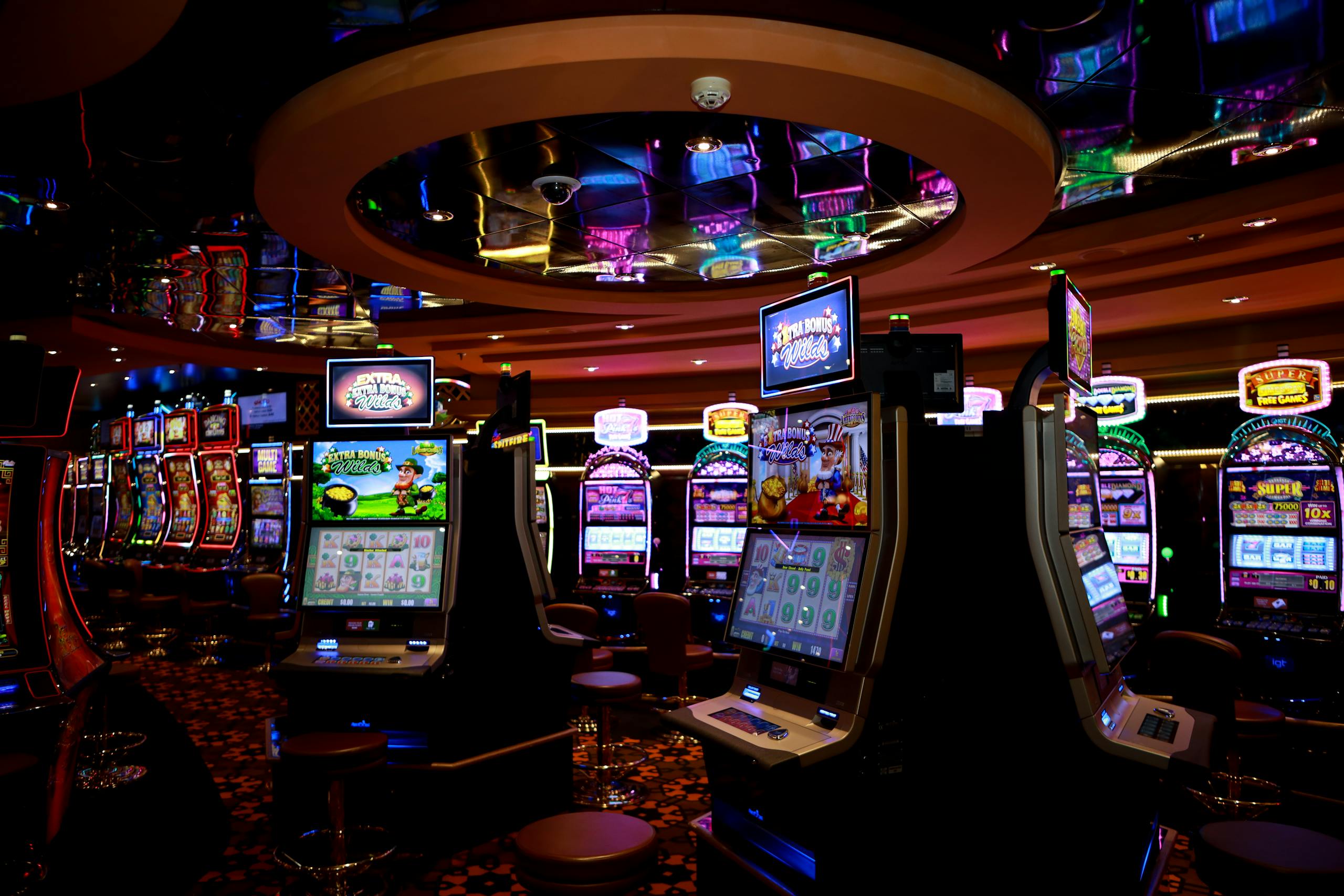
Casinos are masters of consumer psychology, using architectural design, lighting, and even scent to keep you playing. One key tactic involves curving walkways.
Unlike sharp, right-angled turns that engage decision-making parts of your brain, curved pathways encourage you to wander aimlessly, increasing the likelihood of you staying longer and spending more.
Slot machines are another cornerstone of this strategy. They are programmed to keep you hooked, offering small wins to make you feel like you are still in the game. The chairs are plush and comfortable, enhancing your experience and prolonging your stay.
Casinos also exploit the “loss leader” technique by offering complimentary meals and bonuses to players on losing streaks, ensuring they don’t walk away disappointed.
Gyms
While gyms make most of their revenue from memberships, not all members actually visit. This works in their favor. The more members who pay but don’t show up, the less maintenance they need to do on equipment.
Planet Fitness, for example, has over 7,000 members per location, even though only a fraction of them actually work out regularly.
To keep memberships rolling, gyms like Planet Fitness offer low-cost, low-commitment memberships, but use tactics such as the “Lunk Alarm” to deter hardcore gym-goers, keeping the environment more relaxed and less intimidating for casual members.
They also encourage unhealthy eating with free pizza nights, ensuring that members keep coming back to work off the calories they indulge in.
Restaurants
Restaurants rely heavily on clever menu design to influence your choices. Elaborate descriptions like “tender, juicy chicken with tangy sauce” can make an otherwise mundane dish sound irresistible.
Even seemingly trivial details, like the use of “beet root” instead of just “beet,” are designed to make food sound more exotic and desirable.
Pricing is another major factor. Most restaurants avoid using dollar signs to prevent customers from consciously thinking about money. Additionally, they often use price anchoring by placing expensive items next to less expensive options to make the cheaper options seem like a better deal.
Subtle language tricks, like describing a simple chicken dish as “succulent” or a salad as “crisp,” also play into consumer psychology, making dishes seem much more appealing than they are.
Supermarkets

Supermarkets use intricate strategies to maximize sales. The layout of a store, known as a “planogram,” is carefully designed to increase your chances of making a purchase.
More expensive items are placed at eye level, while lower-cost goods are tucked away on the top or bottom shelves. This placement ensures that you see the highest-margin products first, prompting more impulse buys.
The sensory experience inside supermarkets is also carefully crafted. The aroma of freshly baked bread or roasted chicken in the deli section is designed to entice you to linger.
Soothing background music slows your pace, leading you to spend more time browsing and increasing the likelihood of impulse buys.
Apple Stores
Apple’s retail stores are designed to encourage customers to interact with their products. The products are displayed in a way that invites customers to touch, try, and explore. MacBooks are raised to eye level so that both the keyboard and the screen are easily visible.
This setup encourages long interactions with the product, and the longer you spend with the items, the more likely you are to make a purchase.
The layout is spacious and uncluttered, with no distracting ads or banners. Apple stores use a minimalist aesthetic that makes the shopping experience feel seamless and enjoyable, helping customers feel more comfortable making high-ticket purchases.
Amazon
Amazon is a prime example of an online retailer using design tricks to boost sales. Its powerful algorithms suggest products that you are likely to buy based on your previous purchases, making it easier for you to add more items to your cart.
The “1-click ordering” feature is another clever tactic that simplifies the checkout process, reducing the friction that might stop you from buying.
Amazon also capitalizes on the psychology of scarcity with “Prime Day” and “Lightning Deals,” creating a sense of urgency.
This not only drives sales on those days but also encourages consumers to make purchases they wouldn’t have considered otherwise.
Social Media
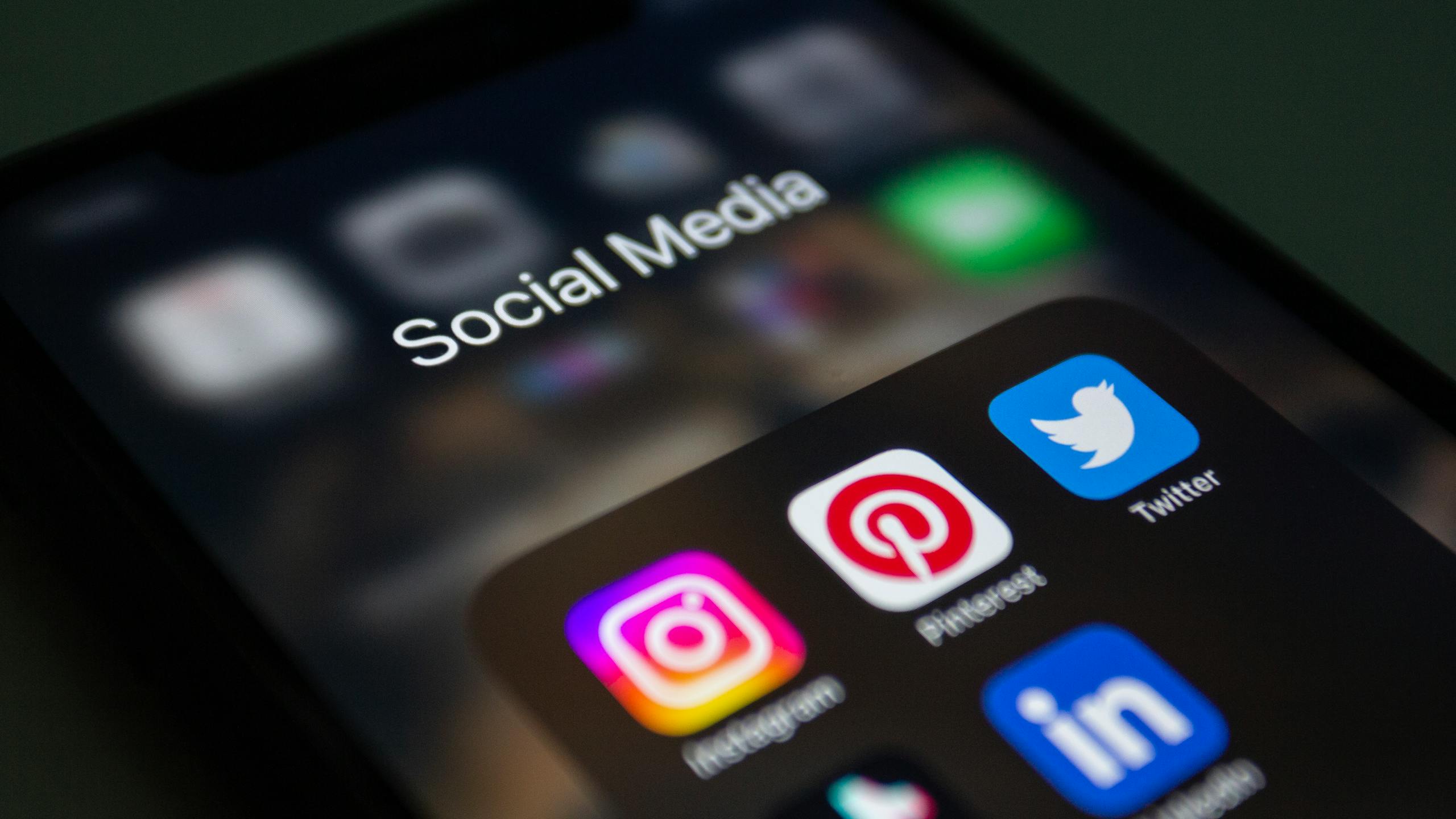
Social media platforms like Facebook and Instagram have become incredibly addictive, and that’s no accident. Designed with features such as infinite scrolling and endless notifications, these platforms keep users engaged for extended periods.
The more time you spend on these sites, the more ads you’re exposed to, generating more revenue for the platform.
The “like” button and algorithm-driven content feed are key to making users feel connected and valued, ensuring they return frequently to check for new posts and updates.
This constant interaction increases the likelihood of engagement with sponsored content, which, in turn, makes these platforms highly profitable.
Starbucks
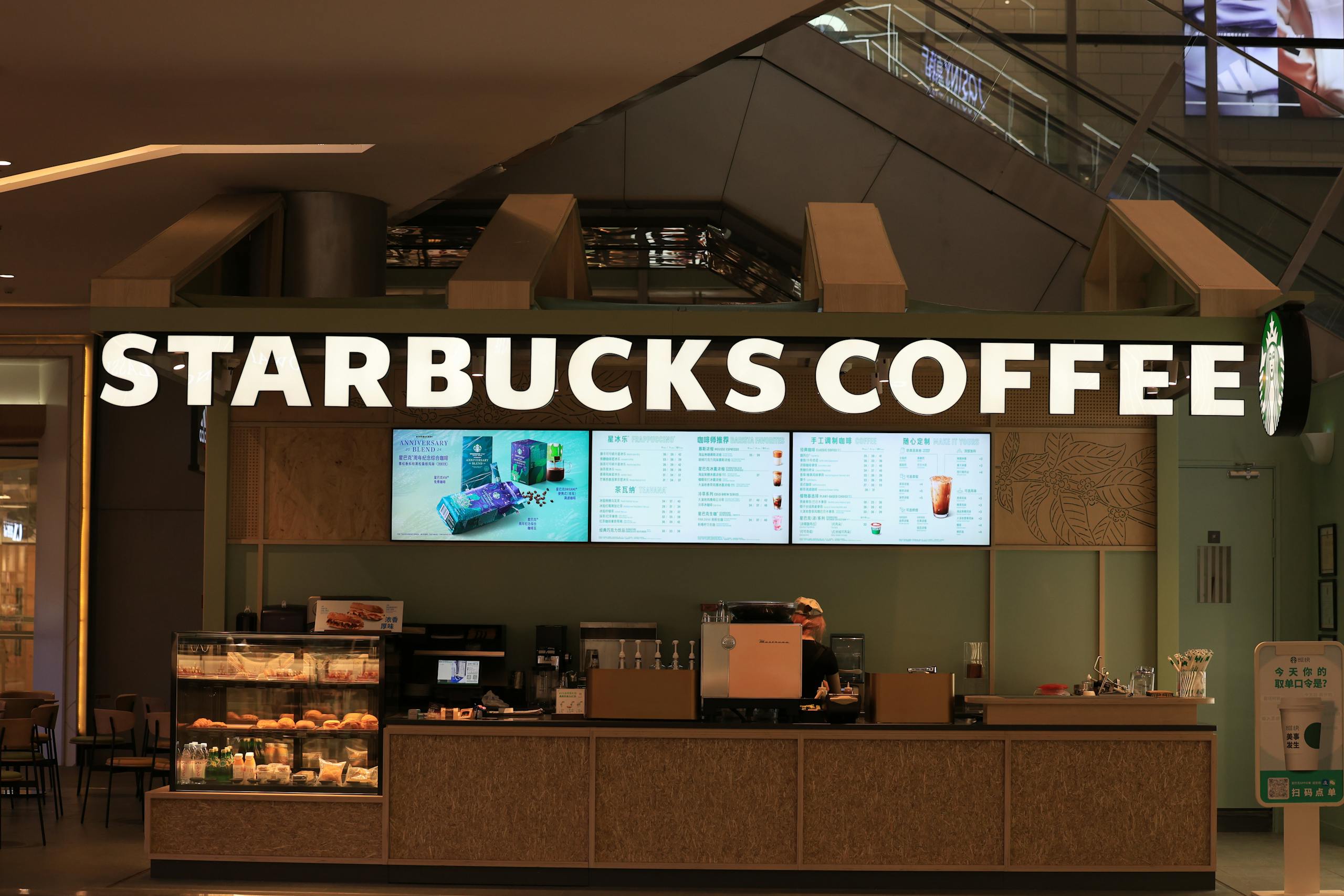
Starbucks locations are strategically designed to encourage more purchases. Upon entering, customers are greeted with visually appealing displays, including posters and menu items placed directly at eye level.
As you approach the counter, you pass seating areas that subtly invite you to linger, thereby increasing the likelihood ofadditional purchases.
The ordering counter is bright and close to the customer, creating a more personal experience. Additionally, Starbucks locations are designed to ensure that you’re not rushing through the process.
The cozy, relaxed environment encourages you to take your time and spend more on premium coffee and pastries.
Conclusion
By understanding the subtle design tricks businesses use to influence consumer behavior, we gain insight into how the environment, product placement, and psychological principles are leveraged to increase spending.
Whether it’s the layout of a store, the use of algorithms online, or the sensory appeal of a product, each element is strategically crafted to encourage customers to part with their money. Understanding these tactics can help consumers make more informed purchasing decisions.