Are you tired of mowing, watering, and fertilizing your lawn? It’s time to consider alternatives that offer beauty and ease. Traditional grass lawns demand constant care and resources, but today, countless eco-friendly, low-maintenance solutions can transform your yard into a stunning space.
Whether you’re aiming for a sustainable landscape or want to reduce upkeep, these 12 alternatives will breathe new life into your garden, freeing up your time and enhancing your home’s curb appeal.
Edible Gardens

An increasingly popular trend is to replace traditional lawns with edible gardens. Growing vegetables, herbs, and fruits in your yard not only provides you with fresh produce but also reduces your dependency on store-bought goods.
Imagine having a front yard filled with tomatoes, leafy greens, and herbs, rather than grass, creating a beautiful, productive space.
Edible gardens can be designed to suit any yard size. Raised beds, vertical gardens, or even container gardens can house your crops while keeping the space organized and aesthetically pleasing.
Not only will you save money on groceries, but you’ll also be contributing to a healthier, more sustainable food system. This alternative creates a vibrant and rewarding landscape.
Ornamental Grasses
For a modern, easy-care landscape, ornamental grasses are a great option. They come in many shapes, sizes, and colors, making it easy to find the right variety for your space. Blue fescue, fountain grass, and switchgrass add movement and texture to your garden while thriving with little care.
These grasses are drought-tolerant, pest-resistant, and naturally disease-free, making them a healthy, sustainable choice.These grasses grow in almost any soil and don’t need fertilizers or excessive watering, reducing environmental impact and maintenance.
Ornamental grasses are an excellent solution for adding a striking, low-maintenance feature to your garden, whether used in borders or as a standalone element.
Drought-Resistant Groundcovers
Groundcover plants offer a lush alternative to grass and practical benefits like erosion control and low maintenance. These hardy plants are ideal for dry climates, requiring little water and thriving in poor soil.
Creeping thyme, sedum, and clover can cover large areas of your yard, filling spaces where grass once grew. Groundcovers also pair well with rocks, dry creek beds, and curved pathways to create a harmonious, natural design.
Groundcovers are versatile. They look great between stones and along garden edges, prevent weeds, reduce water waste, and provide a soft, walkable surface. Once established, they’re virtually maintenance-free.
Rock Mulch
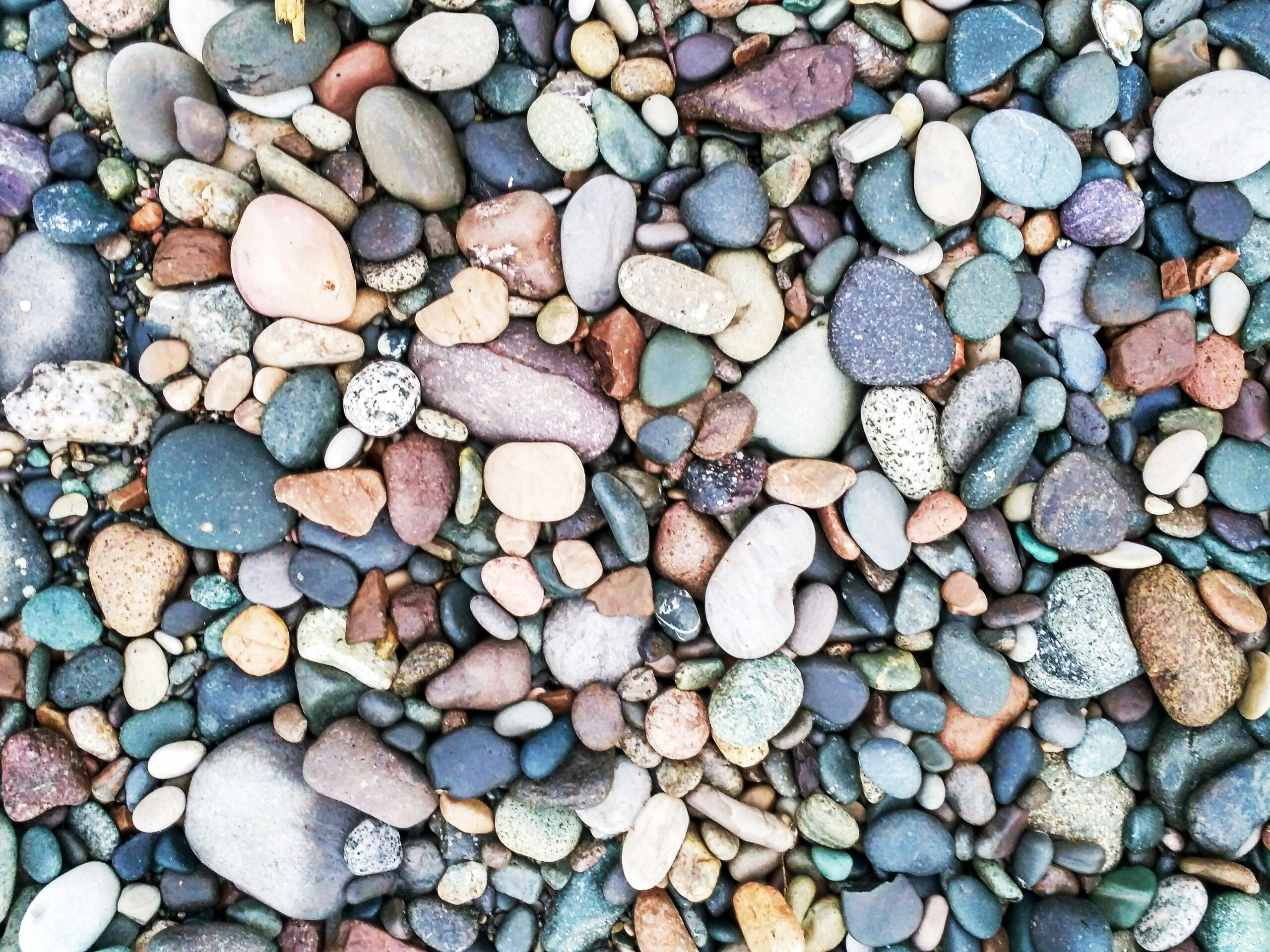
For an effortless landscape, rock mulch is an unbeatable solution. Replace grass with decorative rocks to create a beautiful, drought-resistant garden that needs minimal care.
The process is simple: remove the sod, lay down a geofabric layer to prevent weeds, and spread your choice of decorative rock.
Rock mulch eliminates the need for mowing and frequent watering, providing a modern, sleek look. This landscaping works well in arid regions and can be paired with drought-resistant plants to enhance the look.
The initial installation may require some investment, but savings in water and maintenance costs over time will make up for it.
Native Plants
Replacing a traditional lawn with native plants is one of the most sustainable landscaping choices. Native plants are adapted to your region’s climate and soil, so they require less water, fertilizer, and pesticides than non-native varieties.
Choosing native grasses and wildflowers creates a habitat for local wildlife and contributes to a healthier environment.
Native plants, like buffalo grass or bluestem, thrive in dry conditions and require minimal upkeep. They also improve local ecosystems by attracting pollinators and other beneficial wildlife.
This alternative promotes biodiversity and helps reduce the strain on local water supplies, all while creating a striking landscape.
Moss Lawns
For shaded or low-traffic areas, moss is a perfect alternative to grass. Moss lawns have a soft, lush appearance like traditional grass but need little maintenance.
Once established, moss thrives with minimal watering and no fertilizers. Moss is ideal for creating a natural, calming space, especially in woodland or shaded gardens.
Moss lawns are more resilient than traditional lawns in compacted soil and poor drainage. With proper initial care, they can last for years with almost no upkeep. Paths with flagstone or stepping stones around your moss lawn can enhance its appeal and keep it low-maintenance.
Raised Garden Beds
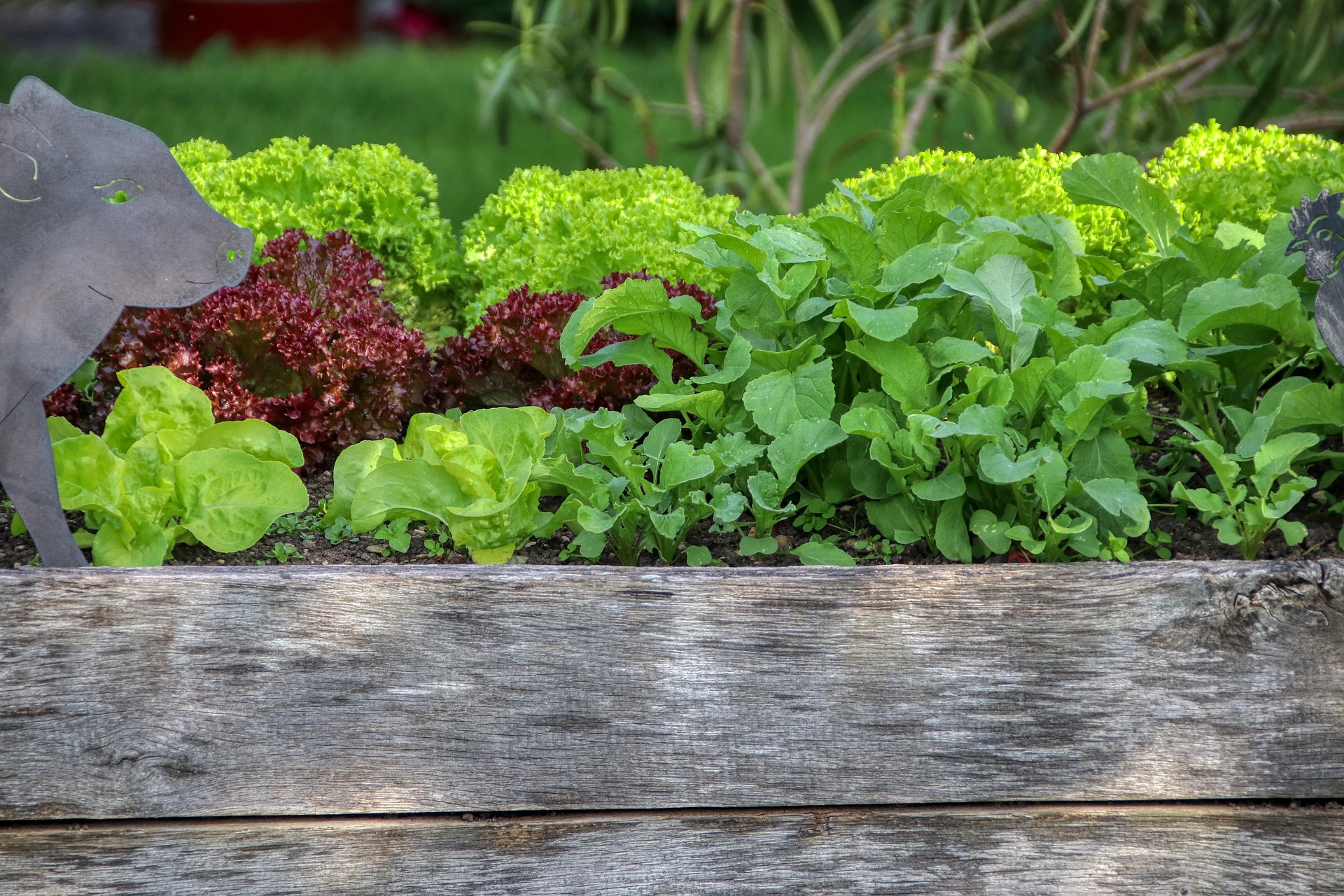
Raised garden beds are ideal for anyone who wants to grow food but lacks the right soil conditions. These elevated gardens offer improved drainage, better soil aeration, and easier access for planting and harvesting. They can be tailored to any size and shape, making them perfect for small yards or urban spaces.
With raised beds, your plants have the best growing conditions without the challenges of poor or contaminated soil. You can add high-quality soil and compost for optimal growth. Raised beds can be made from wood, metal, or stone, adding a charming, rustic look to your garden.
Hardscaping
Hardscaping involves incorporating non-living elements into your garden, such as stone, brick, and concrete. Features like pathways, patios, and retaining walls create functional spaces while reducing the need for grass. These permanent features require little upkeep once installed, allowing you to create an elegant, sustainable garden with minimal effort.
Hardscaping can be mixed with plants, making it ideal for combining beauty with low-maintenance landscaping. Stone or paver pathways can lead to garden beds or outdoor areas. The combination of hardscaping and greenery creates a balanced, natural look that complements your home’s design.
Prairie Gardens
If you want a garden that attracts wildlife and reduces lawn care, a prairie garden is a great choice. Planting native grasses and wildflowers creates a natural habitat for birds, insects, and other wildlife. Prairie gardens require minimal water once established and help reduce soil erosion.
Wildflowers like black-eyed Susans, echinacea, and Shasta daisies create a colorful, dynamic landscape that thrives without frequent mowing or fertilizing. Prairie gardens support biodiversity while providing year-round interest, with spring and fall blooms.
Artificial Grass
If you want the look of a lush lawn without the work, artificial grass is a good option. Modern artificial grass looks and feels like real grass, requiring no mowing, watering, or fertilizing. Available in various textures and colors, it can withstand heavy foot traffic and is ideal for high-use areas like play zones or pet spaces.
Artificial grass requires an initial investment and periodic cleaning, but it provides a long-lasting, attractive alternative to traditional lawns. It is perfect for homeowners who want the look of a green lawn without the upkeep.
Lavender and Herb Gardens
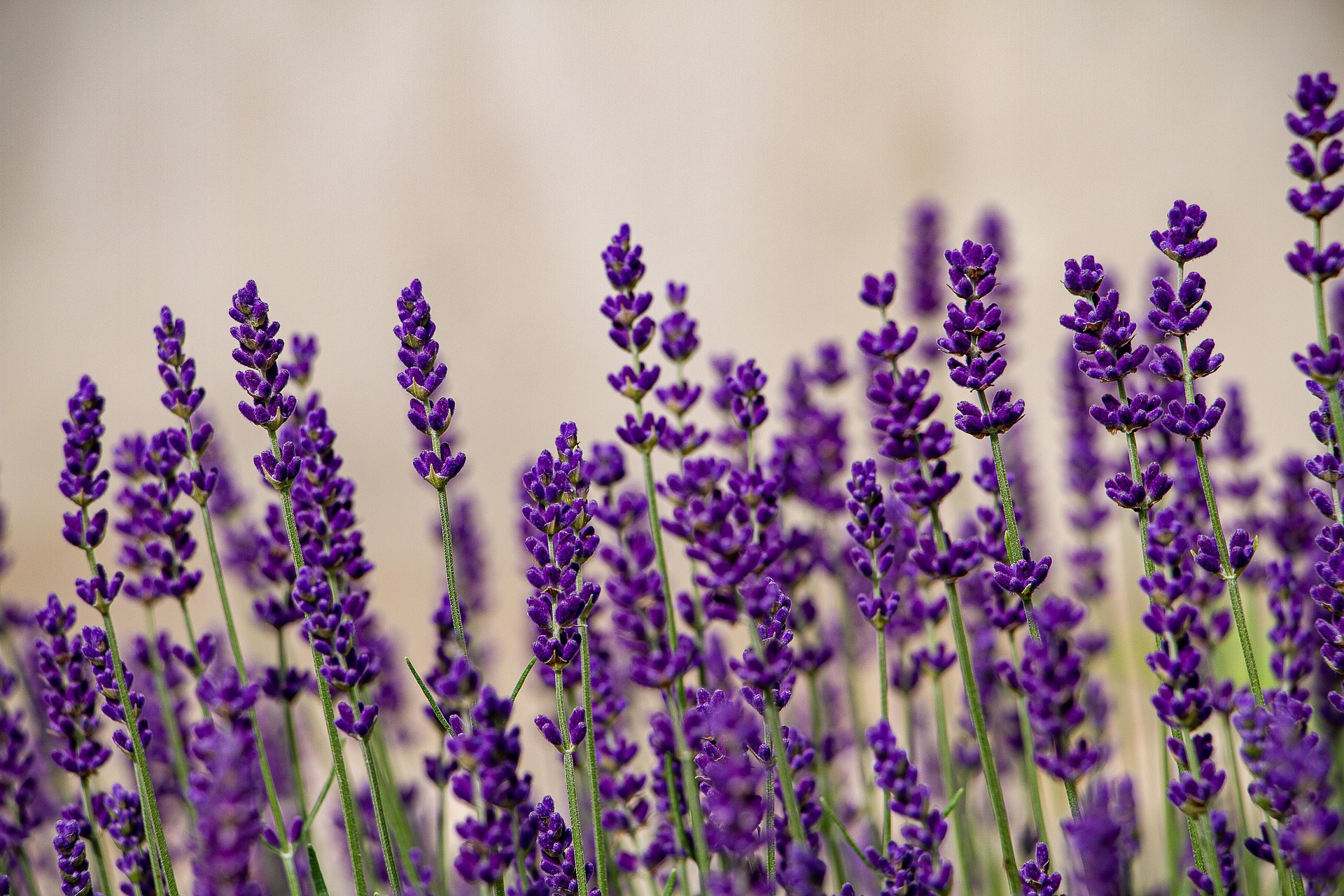
Lavender and other herbs can replace a traditional lawn with their fragrances and blooms. These plants thrive in dry, sunny conditions and need minimal water once established. Lavender and herbs create a lovely border or accent for garden beds and attract pollinators such as bees and butterflies.
Lavender’s fragrant blooms make it a perfect choice for any garden, while herbs like thyme, rosemary, and sage add beauty and utility to your space. These plants need little attention and are useful in the kitchen, making them ideal for anyone looking to blend beauty with function.
Succulent Gardens
Succulents are a great choice for a low-maintenance garden that does not sacrifice beauty. These plants store water in their leaves and thrive in dry conditions. Succulent gardens are well-suited for sunny, dry areas and can be arranged in creative patterns to enhance your landscape.
Succulents come in many colors, shapes, and sizes, offering endless design possibilities. From the vibrant hues of aloe vera to the geometric patterns of echeveria, these hardy plants are visually appealing and easy to care for. With minimal water needs and upkeep, succulents are an excellent option for a low-maintenance, water-efficient garden.
Conclusion
By embracing these 12 creative, low-maintenance alternatives, you can create a sustainable, beautiful yard that suits your lifestyle. Each option offers unique benefits, whether you want to save time, reduce water use, or support local wildlife. These alternatives will transform your yard into a stunning outdoor space you’ll love without the constant upkeep of a traditional lawn.