Aging is a natural part of life, but it doesn’t have to come at the expense of vitality or quality of life. After 50, many people unknowingly adopt habits that speed up the aging process, making them feel older than they actually are. Fortunately, it’s possible to reverse some of these effects with simple lifestyle changes.
Let’s dive into the 7 most common habits that accelerate aging after 50 and explore effective ways to combat them for a healthier, more vibrant life.
Ignoring Changes in Your Diet and Metabolism

As we age, our metabolism naturally slows down. This can lead to weight gain if we continue eating as we did in our younger years. Overeating, especially late-night snacks, can cause more harm by contributing to high blood sugar, diabetes, and cardiovascular issues.
How to Reverse It:
To slow down the effects of a slowing metabolism, it’s important to adjust your diet. Focus on smaller, more balanced meals that incorporate whole foods, lean proteins, healthy fats, and plenty of fruits and vegetables. Reducing processed foods and sugar will support weight management and improve your overall health. Try spreading meals throughout the day to prevent overeating and maintain energy levels.
Neglecting Strength Training
After age 50, muscle mass naturally declines by 3-8% per decade. This loss of muscle can significantly slow down metabolism, increase the risk of falls, and worsen balance and posture. If you’re not engaging in regular strength training, you’re missing out on one of the most effective ways to prevent muscle loss and promote metabolic health.
How to Reverse It:
Incorporating strength training into your weekly routine is essential. You don’t need to become a gym enthusiast; simple exercises like squats, push-ups, or resistance band workouts are highly effective. Aim for two to three sessions a week, each lasting 20-30 minutes, to build muscle and maintain strength. This will improve your metabolism, balance, and overall physical performance.
Overlooking Stress Management
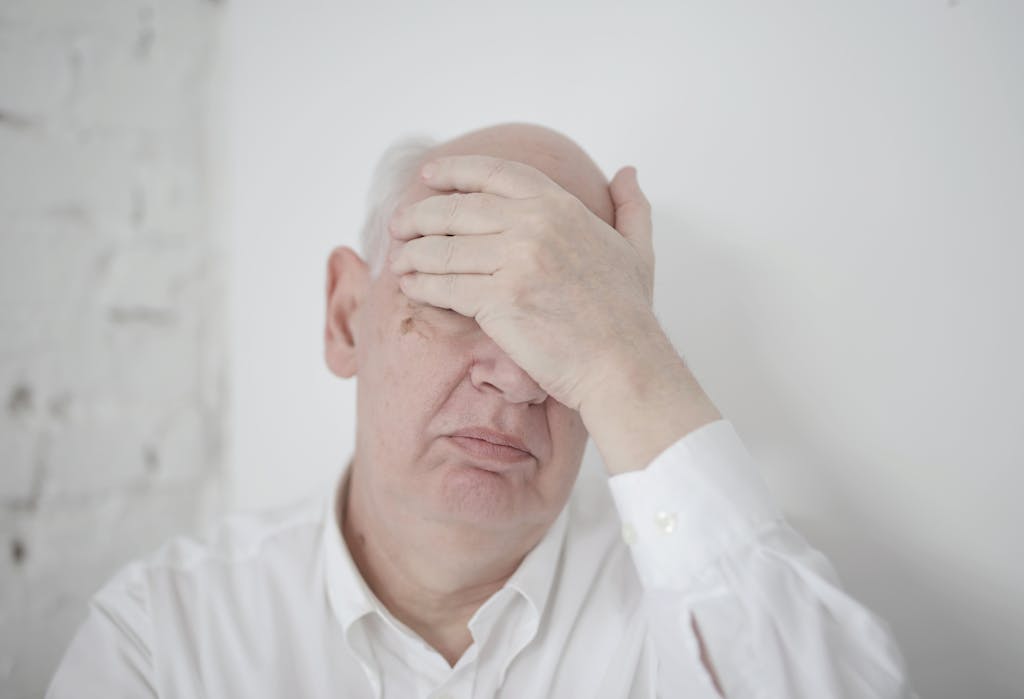
Chronic stress can have a devastating impact on your body as you age. It accelerates the aging process by shortening telomeres—the protective caps on your chromosomes that shorten as you age. Elevated stress levels can also lead to increased inflammation, sleep disruption, and even heart disease.
How to Reverse It:
Managing stress effectively is crucial for reducing its negative impact on your health. Incorporating practices such as yoga, meditation, and mindfulness can help calm the nervous system. Even something as simple as deep breathing exercises or taking breaks throughout the day can significantly reduce your stress levels. Prioritize activities that help you decompress and say no to unnecessary commitments.
Remaining Sedentary for Long Periods
Sitting for extended periods of time is often referred to as “the new smoking” because it can lead to a host of health problems, including obesity, heart disease, and premature aging at the cellular level. If you spend most of your day sitting, especially in front of a computer, you are not only damaging your posture but also increasing your risk of developing serious health issues.
How to Reverse It:
The key is to move more often. Make it a habit to stand up and stretch every 30-45 minutes. Take short walks, do light exercises, or simply stand while talking on the phone. Incorporating movement into your daily routine can improve circulation, increase energy, and reduce the risks associated with prolonged sitting.
Isolating Yourself Socially

Social isolation is one of the most damaging habits for both physical and mental health. Studies have shown that loneliness can have the same detrimental effects as smoking 15 cigarettes a day. Lack of social engagement can lead to depression, cognitive decline, and increased levels of stress.
How to Reverse It:
Make a conscious effort to maintain social connections. Stay in touch with family and friends and engage in group activities. Join clubs, participate in group fitness classes, or volunteer in your community. Regular social interactions can help you stay mentally sharp, improve your mood, and enhance your longevity.
Skipping Regular Health Screenings
Many people believe that if they feel fine, their health is fine. However, some health conditions, such as high blood pressure, high cholesterol, or certain cancers, may not show obvious symptoms until they are advanced. Skipping routine health screenings can lead to undiagnosed issues that could worsen over time.
How to Reverse It:
Stay proactive about your health by keeping up with recommended screenings and checkups. Regular health screenings help detect potential problems early and allow for timely intervention. Don’t skip your annual physicals or vital screenings, such as blood pressure checks, cholesterol levels, and cancer screenings. Regular doctor visits will ensure you stay on top of your health and prevent serious conditions from developing.
Disregarding Sleep Needs

As you get older, your sleep patterns change, making it harder to get the restorative sleep your body needs to repair itself. Poor sleep can negatively impact cognitive function, mental health, and physical well-being. Sleep deprivation also accelerates aging, contributing to premature wrinkles and cognitive decline.
How to Reverse It:
To combat this, establish a consistent sleep schedule. Try to go to bed and wake up at the same time every day. Limit screen time at least an hour before bed and avoid heavy meals or alcohol. Create a relaxing bedtime routine that helps your body wind down, such as reading a book or practicing deep-breathing exercises.