In a time when science constantly expands what is possible, synthetic inventions are shaping the future.
Some imitate nature for helpful reasons, while others venture into more troubling territory. These creations not only copy aspects of the natural world but also transform our ideas of life itself, often with complex consequences.
Let’s look at some of the most unusual and unsettling synthetic inventions that challenge our views on biology, technology, and ethics.
The Rise of Synthetic Lifeforms That Redefine Biology
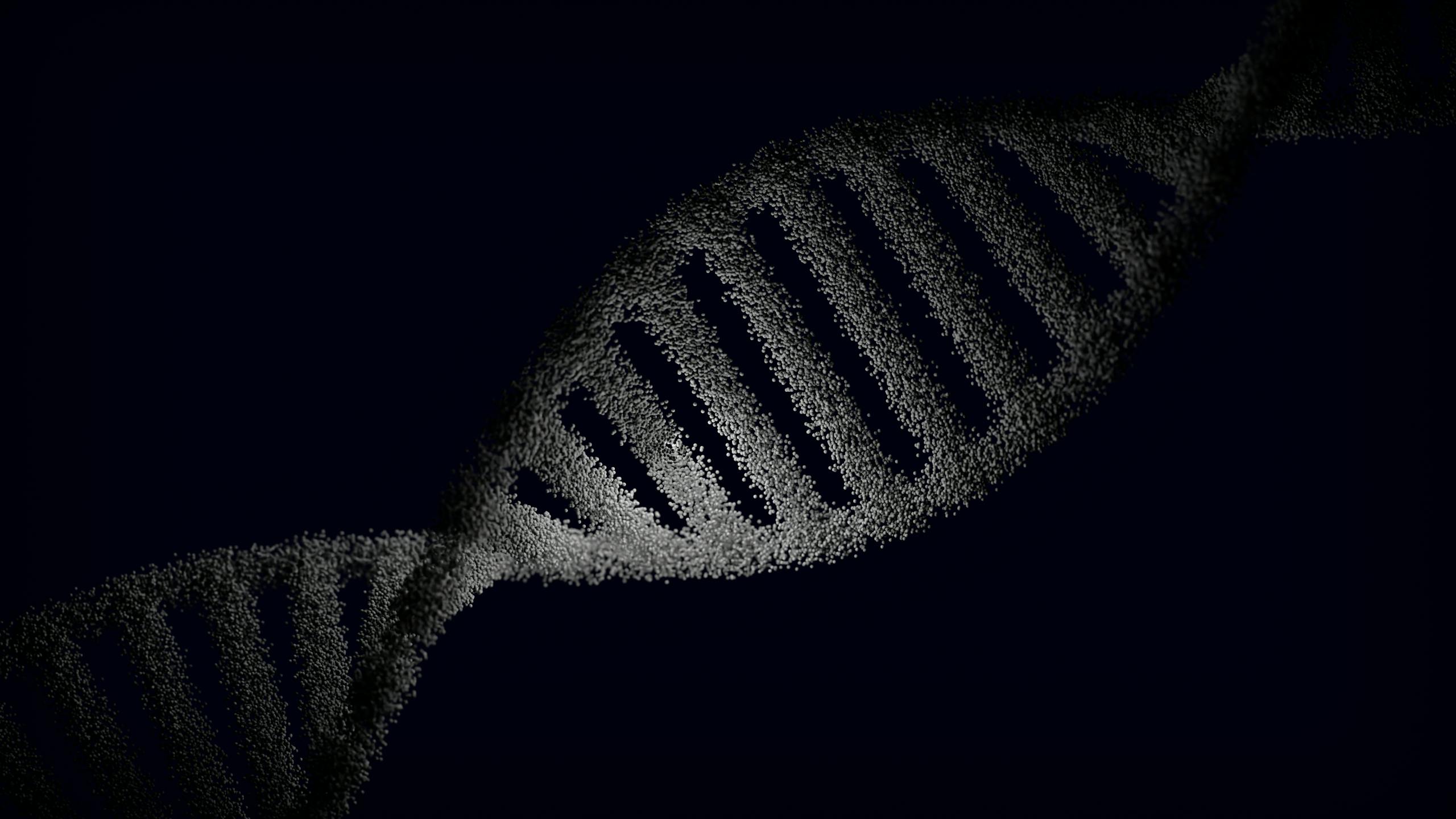
For centuries, life has been defined by DNA, composed of four basic nucleotides: A, C, G, and T. However, scientists have broken this natural rule by creating synthetic organisms with additional, artificial nucleotides.
These organisms, such as genetically altered E. coli, possess the unique ability to produce molecules not found in nature. The manipulation of genetic material using artificial nucleotides could pave the way for new, synthetic forms of life, in which the definition of life itself becomes increasingly blurred.
These creations are leading the way toward an uncertain future in which life is no longer confined to the natural order.
Synthetic Fraud
Synthetic fraud illustrates one of the most threatening uses of synthetic technology. In this crime, an individual’s identity is duplicated using a mix of real and fabricated personal details.
The perpetrator can develop a strong financial record under this false identity, infiltrating lenders and institutions.
After gaining trust, the criminal obtains large loans or purchases valuable items, then vanishes, leaving the real person’s identity behind. This issue is among the fastest-growing financial crimes, causing strong effects for both victims and financial institutions.
Synthetic Human Corpses
Synthetic cadavers, or “designer autopsies,” are another disturbing innovation. Created by companies like SynDaver, these synthetic bodies are made from over 100 tissue types and mimic real human anatomy for use in medical experiments.
These bodies can even have functioning organs, including hearts that beat and lungs that breathe.
While they offer valuable practice for medical students, especially in fields such as surgery and autopsy, they raise uncomfortable ethical questions.
The use of synthetic bodies in place of real human corpses could lead to an era where human lives are replaced by their synthetic counterparts in medical studies.
Synthetic Organisms That Produce Unknown Molecules
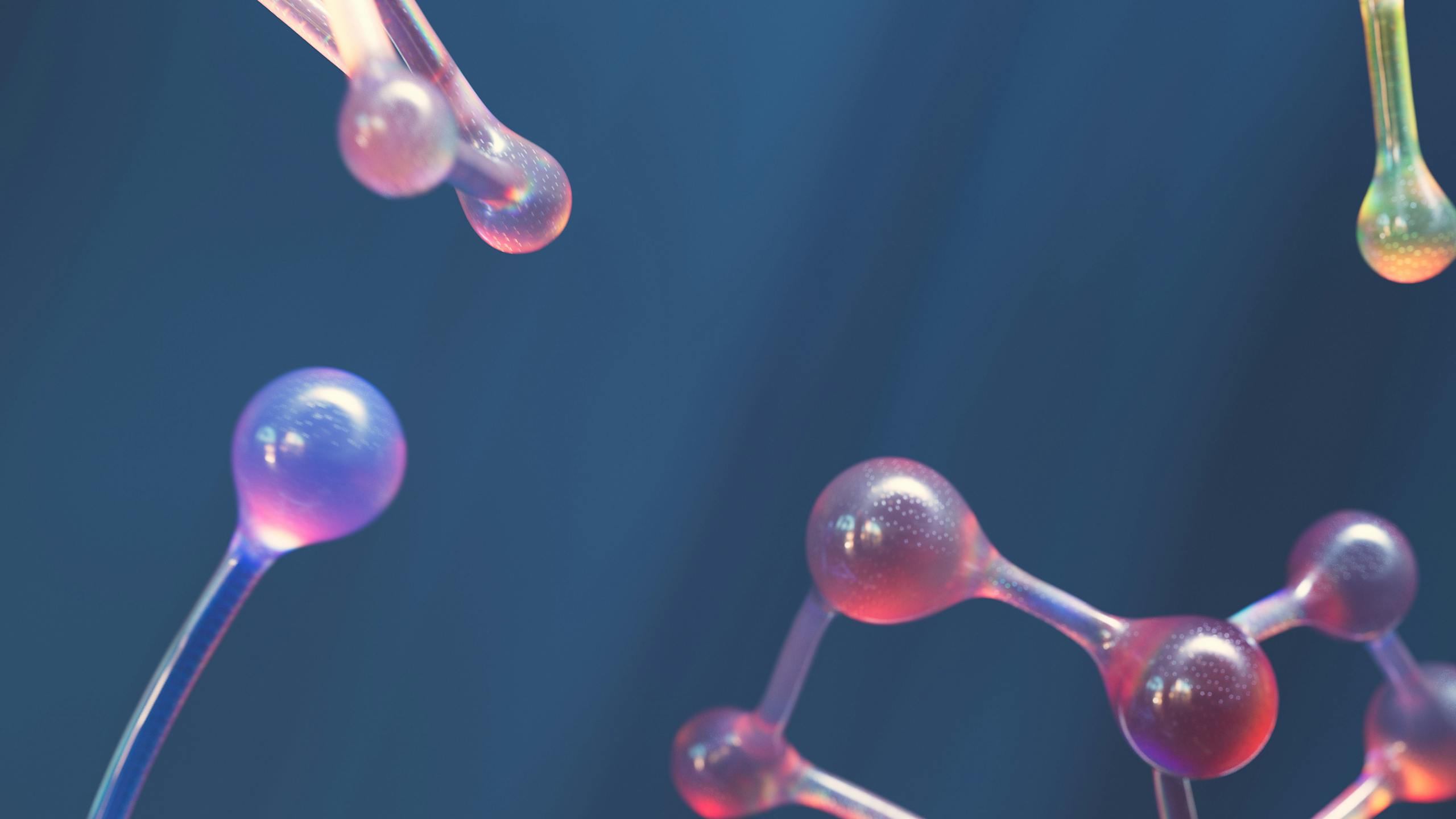
Imagine a bacterium that doesn’t follow the conventional rules of biology. Scientists have created organisms with synthetic DNA, incorporating unnatural nucleotides to produce unique molecules previously unknown in nature.
These semi-synthetic life forms produce proteins that have never existed on Earth before, opening the door to novel biotechnologies. While this innovation could revolutionize medicine, it also raises unsettling questions about the limits of genetic manipulation and the creation of entirely new life forms.
The Unsettling Demand for Synthetic Urine
The synthetic urine industry is experiencing growth, and its use extends beyond scientific research. Many people use synthetic urine to attempt to bypass drug testing, especially in professions where drug use is monitored.
Demand has driven much of this market activity towards unregulated sources. Although selling synthetic urine is allowed in certain locations, using it for deception has led to several states passing restrictions. This trend underlines how synthetic products can be misused.
Synthetic Dogs That Live and Die for Vet Students
SynDaver Labs has created synthetic dogs that mimic a real dog’s internal processes, from breathing to blood circulation.
These lifelike creatures are used to replace animals in “terminal surgery” training, offering a controversial but revolutionary alternative to killing real animals for educational purposes.
The synthetic dogs are equipped with a heartbeat, simulate illnesses, and even “die” when students make mistakes during surgery. Though they are a step toward reducing harm to real animals, the ethical concerns surrounding their use remain contentious.
Living Robots
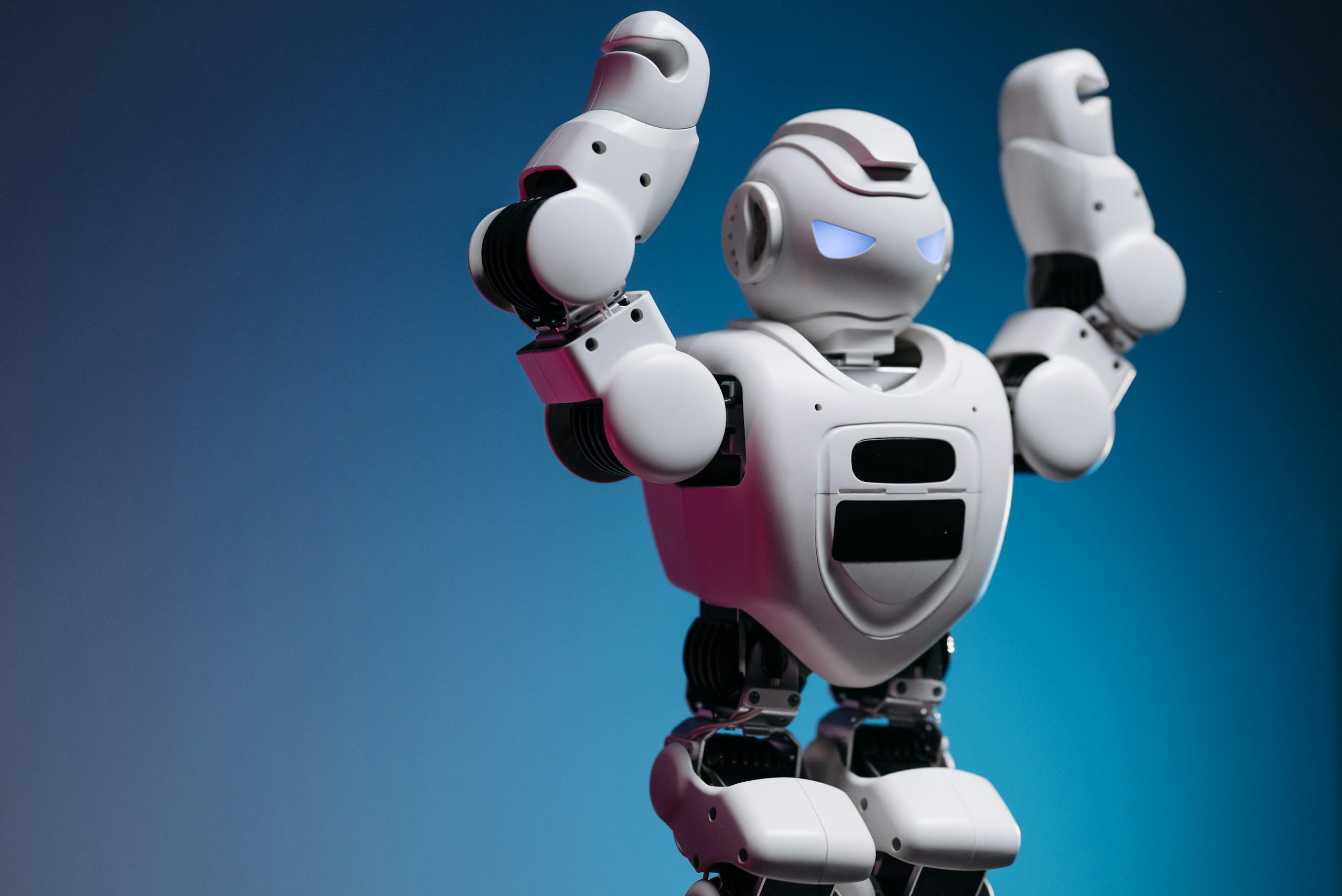
In a stunning example of synthetic life, scientists have created living robots that blend biology and robotics. One such example is the “rat-ray,” a robot made from living heart cells and powered by a gold skeleton. These robots can respond to light, moving toward its source as their heart cells contract.
While they are designed to study heart function and advance medical knowledge, these biohybrid creations blur the lines between living organisms and machines, presenting new ethical and technological dilemmas.
RePOOPulate
One of the most bizarre and revolting medical inventions is synthetic feces. Developed to combat the highly infectious bacterium Clostridium difficile, which causes severe gastrointestinal issues, this synthetic stool mimics human feces for use in stool transplants.
The synthetic version, known as RePOOPulate, is made from a combination of bacteria and is more reliable and hygienic than the real thing. Not only does it offer a safer alternative to fecal transplants, but it also prevents re-infection in patients—albeit with a highly unsettling approach.
Food Created by Electricity
In 2017, Finnish scientists discovered a way to create food from electricity, microbes, and carbon dioxide. The process involves electrolysis to convert raw materials into a protein powder that, in theory, could help fight world hunger.
While the concept is promising, it is still in its infancy. The current production model takes weeks to produce just a gram of food, making it impractical for large-scale production in the near future.
Despite this, it represents an intriguing example of how synthetic methods could one day help address global food shortages.
Fake Mucus That Fights Disease

Synthetic mucus may sound like a joke, but it’s a serious medical breakthrough. Researchers from MIT developed synthetic mucins, the key protein building blocks of mucus, to mimic the antimicrobial properties of real mucus.
This synthetic version is not only more effective but can also fight infections by trapping and neutralizing harmful microbes.
While promising for treatments, the increasing use of synthetic substances in the human body raises ethical concerns about their long-term health implications and the potential for unforeseen side effects from these artificial materials.
conclusion
Synthetic inventions are shaping the future in ways we never imagined. While many of these developments hold promise, they also challenge our understanding of life, ethics, and the role of synthetic materials in our world.
For each innovation, society must weigh the medical, social, and ethical consequences, considering both the potential benefits and the risks.
Whether we embrace or resist these creations, one thing is clear: the synthetic revolution is well underway, and its impact will continue to unfold in the coming decades.