Medical conditions that are traditionally viewed as harmful or debilitating can sometimes offer unexpected advantages. It’s a curious phenomenon in genetics: conditions that would typically be seen as a curse can simultaneously serve as protection against other dangers.
These complex genetic traits reveal nature’s surprising trade-offs. Below, we explore ten severe medical conditions that provide remarkable health benefits in specific contexts.
Sickle Cell Trait: A Defense Against Malaria
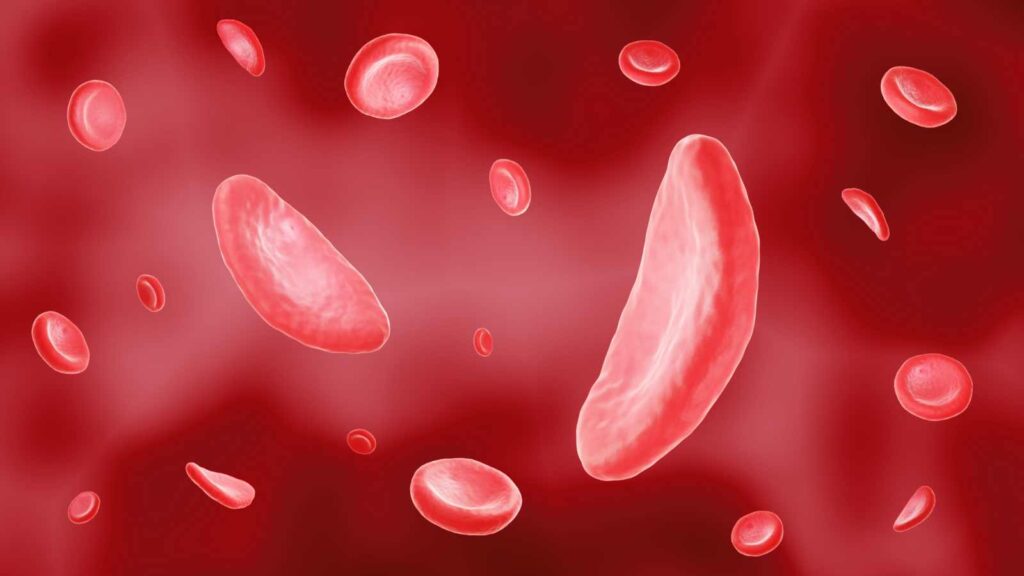
Although sickle cell anemia is associated with various health problems, having only one sickle cell gene confers strong resistance against malaria. The sickle cells are not conducive for the malaria parasite, thereby limiting the spread of the disease.
In places where malaria is endemic, the sickle cell gene is common because of the protective effects against the disease. However, those with two copies of the gene face severe risks, including a heightened vulnerability to malaria, as their compromised spleens cannot efficiently fight the infection.
Myostatin-Related Muscle Hypertrophy: Natural Bodybuilding
Myostatin-related muscle hypertrophy is a rare genetic mutation that prevents the body from producing myostatin, the protein that limits muscle growth. As a result, individuals with this mutation develop extraordinarily large muscles, often twice the size of typical muscles, without any need for exercise.
This genetic trait not only enhances strength and muscle mass but also protects the heart by reducing body fat levels. However, while this mutation is beneficial in certain contexts, artificially blocking myostatin in individuals with muscle-wasting diseases could have negative long-term effects.
Hypercholesterolemia in Newborns: Boosting Brain Development
In most adults, high cholesterol levels are linked to heart disease. However, for premature infants, high cholesterol levels can play a vital role in brain development. This is because cholesterol is vital for the formation of the myelin sheath that surrounds nerves.
This is a vital step for the proper functioning of the brain. It has been established that high cholesterol levels in premature infants do not harm them but help brain development, especially the cerebellum, which regulates motor and cognitive functions.
Fetal Hemoglobin Persistence: Protection Against Sickle Cell Disease
Fetal hemoglobin persistence occurs when individuals continue producing fetal hemoglobin beyond infancy. This genetic variation provides significant protection against blood disorders such as sickle cell disease.
The continued presence of fetal hemoglobin prevents the formation of the dangerous, rigid chains of sickle hemoglobin, thereby reducing the painful symptoms of sickle cell anemia. Some individuals with this condition experience dramatically fewer symptoms, and gene-editing therapies are now being explored to replicate this effect in people with sickle cell disease.
Color Blindness: An Advantage in Camouflage Detection

Color blindness is a condition that makes it difficult for individuals to differentiate between certain colors, particularly red and green. This may seem like a disadvantage, but research has suggested that some people who are color blind, may actually have an advantage over others when trying to locate hidden objects because their way of processing visual information allows them to notice certain variations in texture or shade.
During World War II, color-blind soldiers were even said to have better success spotting camouflaged enemies.
Congenital Insensitivity to Pain: A Pain-Free Existence with Serious Risks
Congenital insensitivity to pain (CIP) is a rare condition in which individuals are unable to feel pain. While this may seem like a superpower, it comes with severe risks.
As the person cannot feel pain, those suffering from CIP are often at risk of undetected injuries and infections that can become serious enough to threaten their lives. Yet, the genetic mutation that leads to CIP has helped us learn more about pain and has enabled the creation of new pain medications that are not addictive and work on the specific channels that cause pain.
Familial High-Density Lipoprotein Deficiency: Protection Against Heart Disease
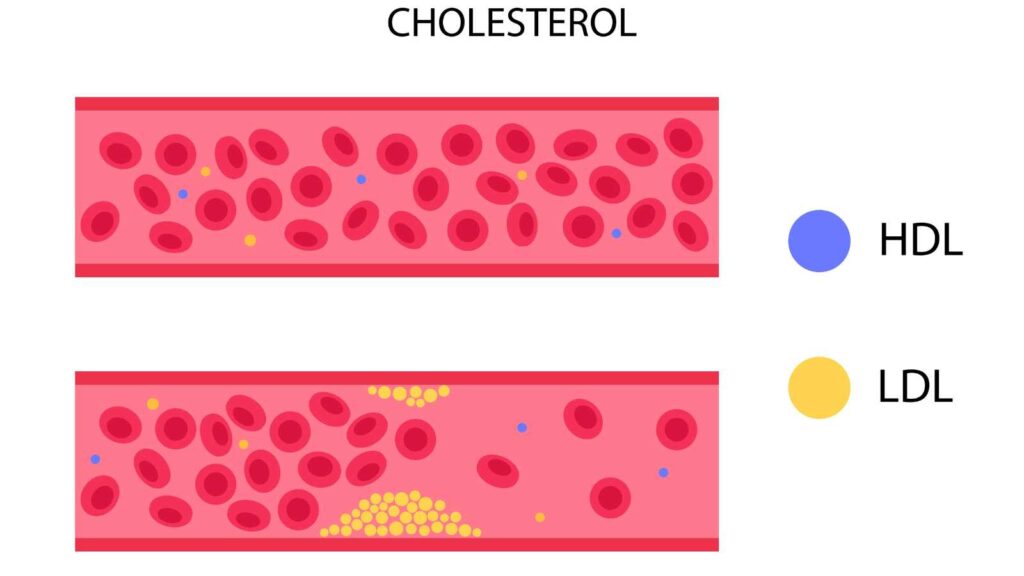
Familial high-density lipoprotein (HDL) deficiency is a genetic disorder that results in the production of extremely low amounts of HDL cholesterol, also called “good” cholesterol.
Although low HDL levels are associated with an increased risk of heart disease, some people do not have an increased risk because of an alternative way of dealing with cholesterol, which involves having a unique ability to efficiently clear cholesterol from their blood vessels, protecting them from atherosclerosis despite their low HDL levels.
Wilson’s Disease Carrier Status: Enhanced Immunity Against Tuberculosis
Wilson’s disease is a genetic disorder that prevents the body from properly eliminating copper, leading to toxic buildup in organs. However, individuals who carry only one copy of the mutation (instead of two) exhibit higher copper levels without experiencing toxicity.
This condition surprisingly confers protection against bacterial infections, particularly tuberculosis (TB), as copper has natural antimicrobial properties. Studies have found that carriers of Wilson’s disease have a lower incidence of TB, likely due to this unique immune boost.
Phenylketonuria Carrier Status: A Lower Risk of Miscarriage
Phenylketonuria (PKU) is a serious genetic disorder that causes people to be unable to metabolize the amino acid phenylalanine, which results in serious brain damage. While people with the defective genes suffer a great deal when they inherit two defective genes, people with only one defective gene experience a surprising advantage.
Research has shown that these carriers have a significantly lower risk of miscarriage, likely due to the slightly elevated levels of phenylalanine, which may help neutralize harmful fungal toxins like ochratoxin that can trigger pregnancy loss.
Cystic Fibrosis Carrier Status: Natural Protection Against Tuberculosis
Cystic fibrosis (CF) is a severe genetic disorder that causes thick, sticky mucus to build up in the lungs and digestive system, leading to respiratory and digestive problems.
Despite the severity of the disease, individuals who carry just one copy of the CF gene show protection against tuberculosis (TB), a deadly infectious disease that ravaged Europe for centuries. This genetic trait likely helped Cystic fibrosis (CF) carriers survive during periods when TB was a major threat, as the mutation conferred enhanced resistance to the disease.