Revamping your garden can be an exciting adventure, but it’s easy to make a few missteps along the way. Whether you’re transforming a dull yard into an oasis or simply adding a few stylish touches, you might think it’s all about aesthetics.
But the truth is, a garden redesign involves much more than just placing plants in pretty pots.
Get it wrong, and your garden could go from charming to chaotic faster than you can say “Weeding again?” Let’s dive into the most common mistakes people make when revamping their garden and how you can avoid them.
Skipping the Groundwork
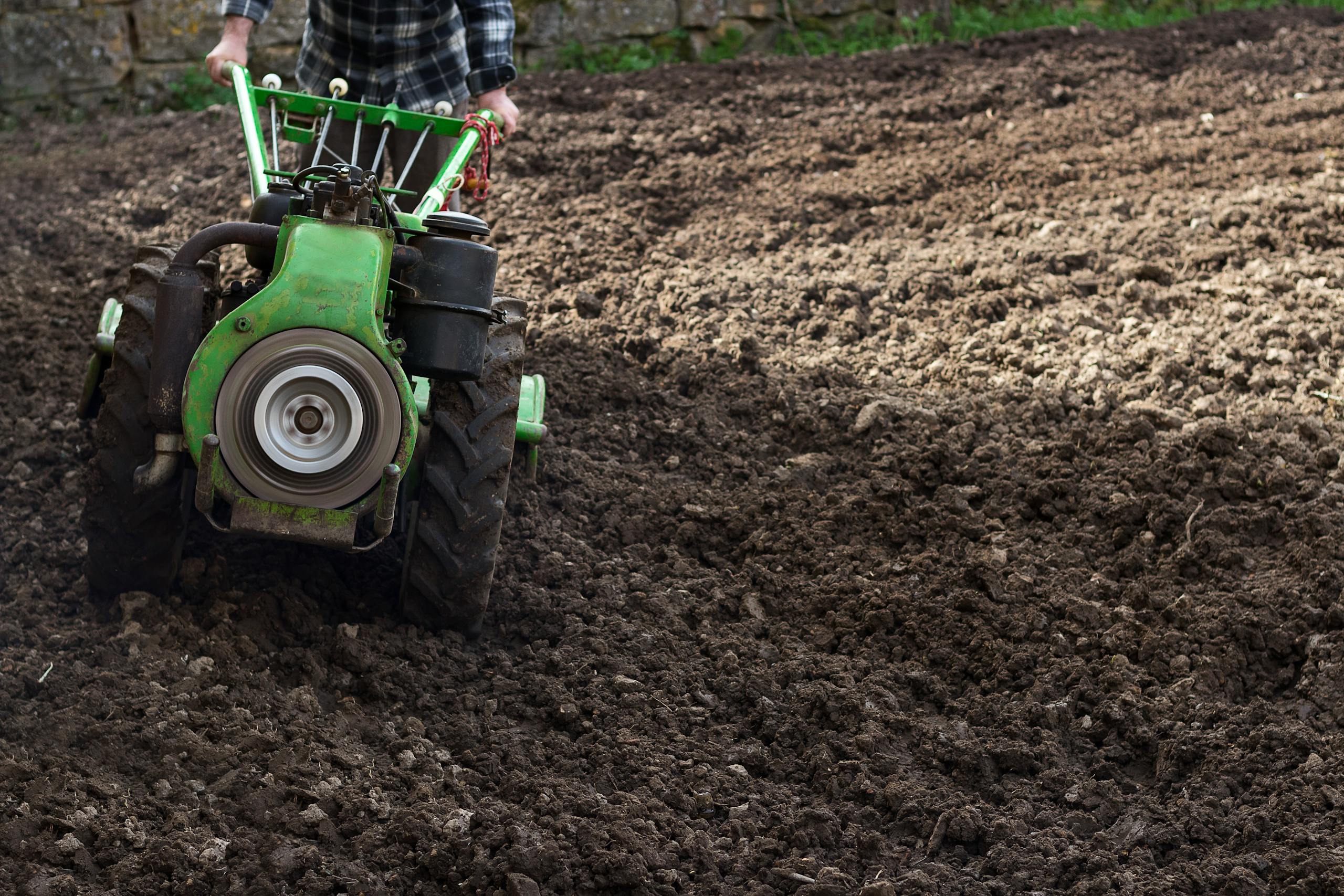
Picture this: you’ve picked out the perfect plants, planned the layout, and even envisioned the finished product. You’re ready to dig in literally. But here’s the catch: without a solid foundation, your garden will be nothing more than a patch of dirt.
Without properly preparing the soil, your plants may not grow as expected, or worse, they might wither.
Solution: Start by assessing your soil’s health. Test the pH, add necessary nutrients, and remove any weeds or debris. A little time spent on groundwork will make all the difference. Trust us, your plants will thank you, and your garden will thrive.
Overcrowding Your Space
We’ve all been there: seeing an empty patch of soil and thinking, “More plants will make it look fuller!” But cramming too many plants into a single space can lead to overcrowding, where each plant has to compete for sunlight, water, and nutrients.
The result? A garden that feels cramped and chaotic, not to mention a pain to maintain.
Solution: Choose plants that complement each other in terms of size, shape, and growth habits. Give each plant room to breathe and flourish.
Spacing out your plants not only makes your garden look more appealing, but also ensures they have the space they need to grow to their fullest potential.
Neglecting Maintenance
When revamping your garden, it’s tempting to think that once it’s done, it’s time to sit back and relax. But the reality is, gardening is an ongoing task.
Neglecting maintenance can lead to overgrown weeds, dead plants, and a lackluster garden that looks more “abandoned” than “well-maintained.”
Solution: Set aside a little time each week to tend to your garden. Regular weeding, pruning, and watering will keep your space looking fresh and inviting. A well-maintained garden is a happy garden, and with just a little effort, it can stay vibrant all year long.
Choosing the Wrong Plants
Imagine planting a sun-loving cactus in the shade, or a delicate fern in direct sunlight. Oops! That’s the kind of mistake that can send your plants into a spiral of stress.
Choosing plants that don’t suit your garden’s conditions is one of the easiest ways to derail your garden makeover.
Solution: Before you start planting, take a hard look at your garden’s natural environment. Does it get full sun, partial sun, or mostly shade? Choose plants that will thrive in these conditions.
It’s also important to consider the climate in your area, as what thrives in one part of the world might not make it in another.
Forgetting About Drainage
No one likes soggy soil. Without proper drainage, water will pool around your plants’ roots, causing them to rot. Over time, this can lead to plant death and a garden that’s more swamp than sanctuary. And let’s face it, no one wants to deal with waterlogged soil!
Solution: Ensure your garden has proper drainage by adding a layer of gravel at the bottom of plant beds or using raised garden beds. Make sure your soil drains well, and consider installing a rain garden or French drains if you have major drainage issues.
A little extra planning upfront will save you from soggy soil and unhappy plants.
Overlooking the Power of Hardscaping
Plants are undoubtedly the stars of any garden, but hardscaping elements like pathways, patios, and fences play an important supporting role.
Ignoring these features can make your garden feel incomplete, and without structure, it might lack the visual appeal you’re hoping for.
Solution: Integrate hardscaping features that complement your garden’s style. Think stone pathways, rustic wooden benches, or a sleek modern pergola.
These elements will not only provide a beautiful contrast to your plants, but they’ll also make your garden more functional, giving you a place to sit back and enjoy the fruits of your labor.
Failing to Plan for the Future
A common mistake when revamping your garden is focusing solely on the immediate aesthetic. While it’s great to make your garden look good now, what will it look like in five years?
Without considering how plants will grow and change over time, you could find yourself with a garden that looks outdated or overrun.
Solution: Think ahead! Choose plants that will grow well into maturity, and plan for seasonal changes. Consider incorporating perennial plants that will come back year after year, and leave space for growth.
Your garden should evolve over time, and planning for the future ensures it remains a thriving, beautiful space.
Bonus Tip 1: Add Edging for a Neat, Polished Look
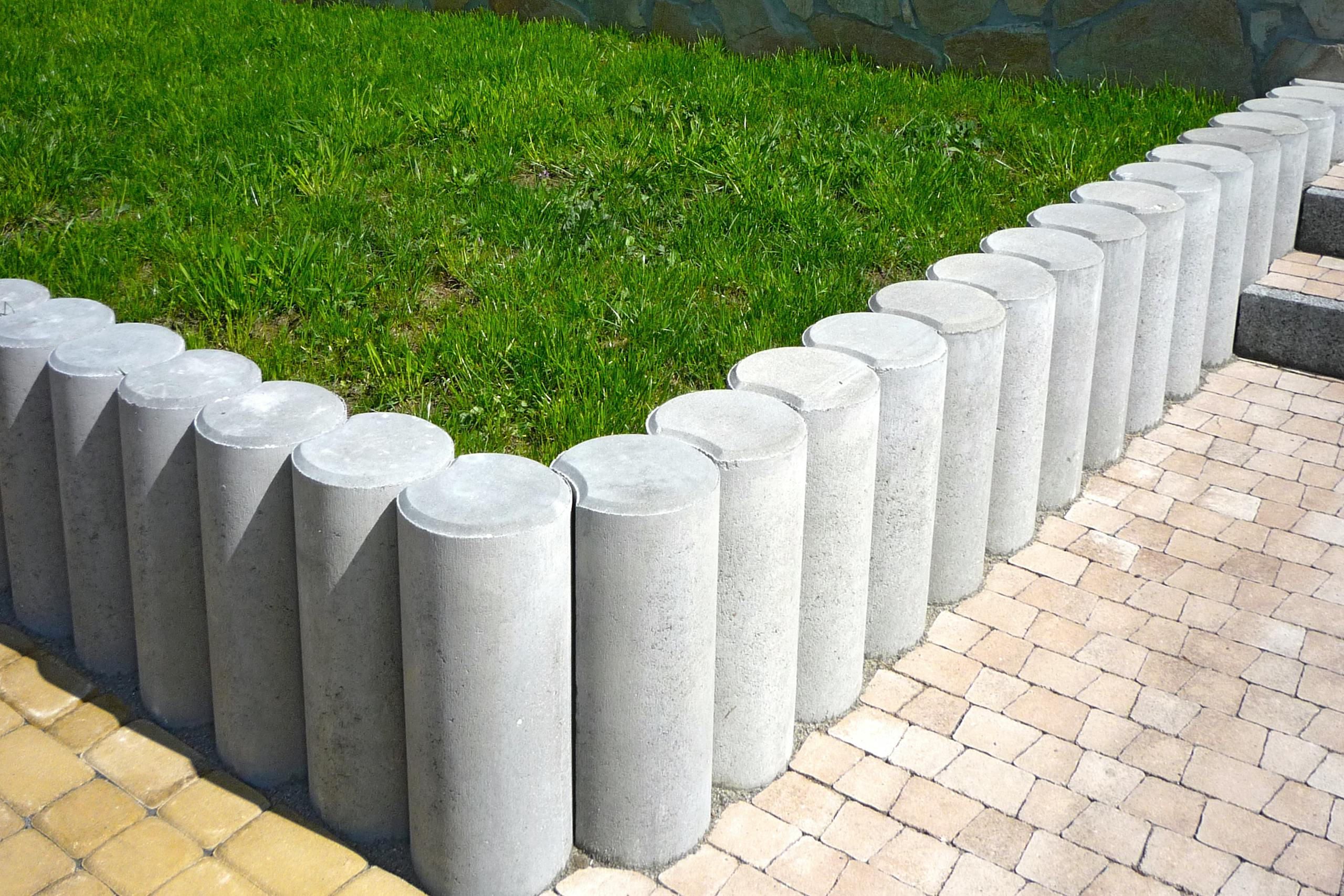
Ever noticed how a neatly edged garden instantly looks more put-together? That’s because garden edging is the unsung hero that keeps everything in place.
Whether you use metal, wood, or brick, edging creates a clean separation between your garden beds and lawn or pathways.
Invest in a simple edging solution to keep your garden beds looking sharp and prevent grass from creeping in. This small touch adds structure and refinement to your revamped garden.
Bonus Tip 2: Use Vertical Gardening to Maximize Space
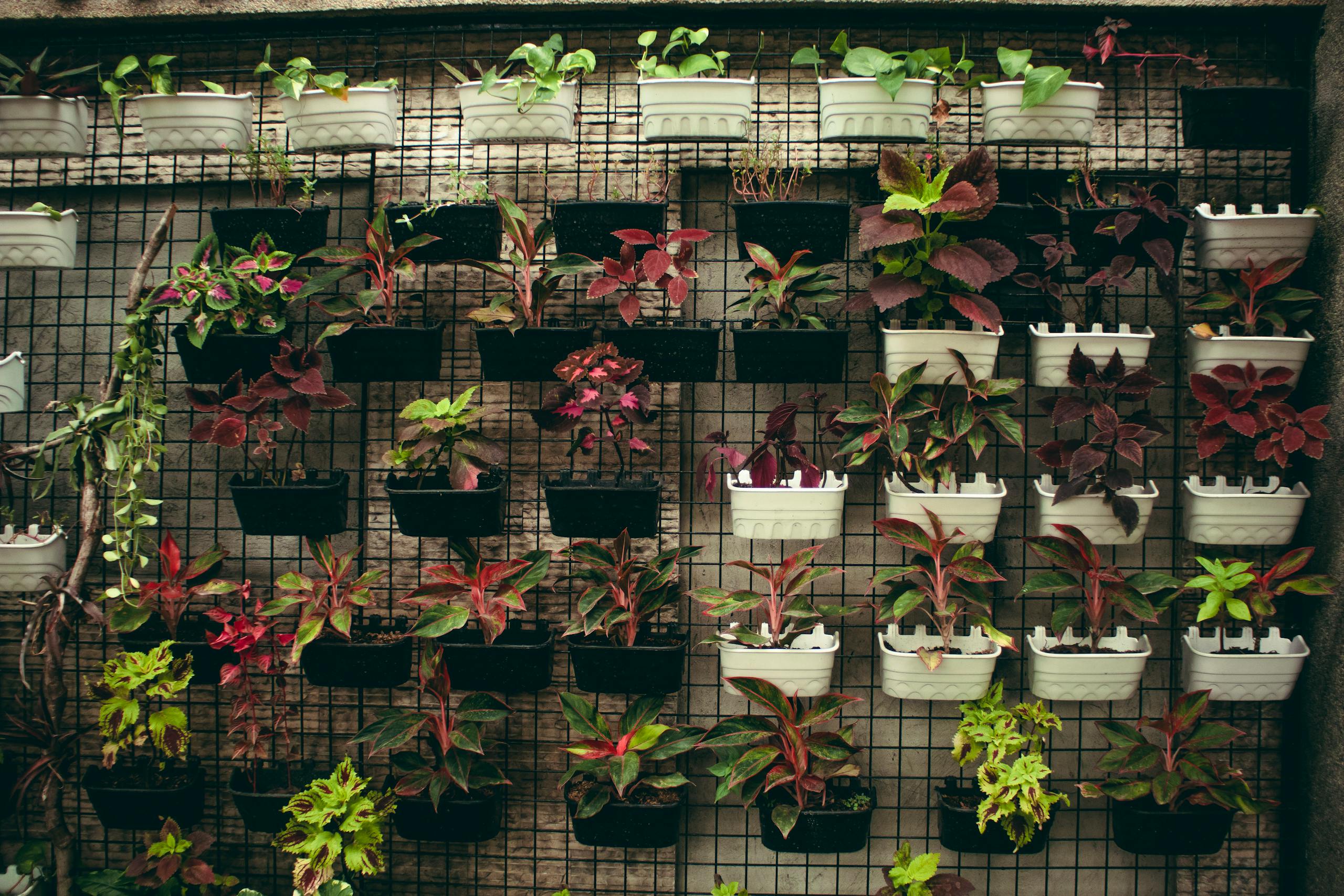
If your garden space is limited, don’t worry, you can still add plenty of greenery. Vertical gardening is a great way to make the most of small areas. By growing plants upwards on trellises, fences, or even walls, you can maximize space and create a lush, green environment.
Install trellises or use hanging baskets to grow climbing plants like tomatoes, cucumbers, or flowering vines. Vertical gardening not only saves space but also adds depth and dimension to your garden.
Bonus Tip 3: Incorporate Outdoor Lighting for Ambience
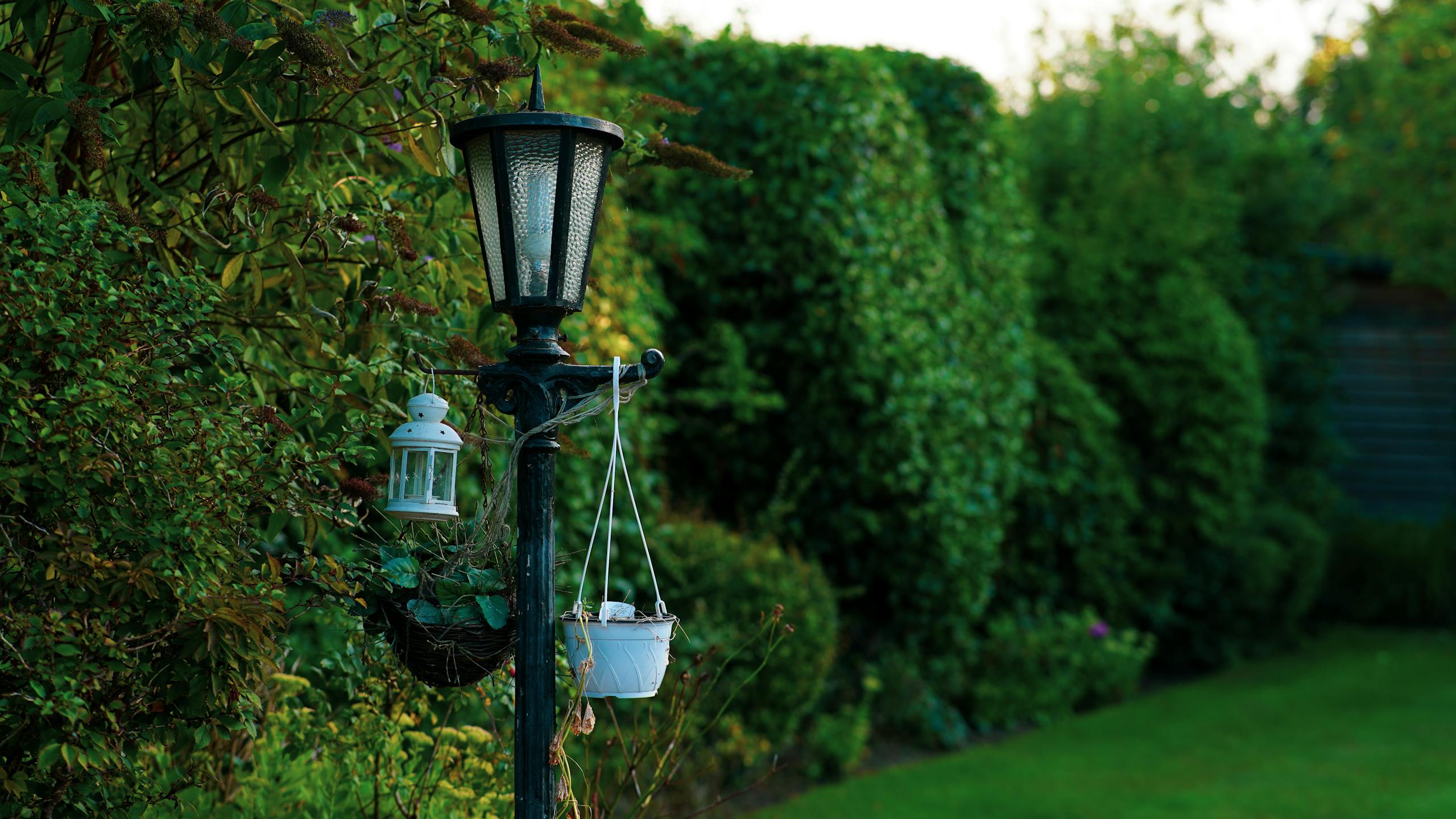
Imagine strolling through your revamped garden in the evening, the soft glow of lanterns lighting your way. Garden lighting adds a magical, cozy atmosphere and extends the usability of your outdoor space long after the sun sets.
Incorporate solar-powered lights along your paths, around plants, or on trees. For a more whimsical feel, use fairy lights or lanterns to create a soft, inviting ambiance. Lighting also highlights your garden’s best features, making them stand out even at night.
Conclusion
Revamping your garden isn’t just about planting a few flowers and calling it a day. Avoiding these common mistakes and incorporating thoughtful design, proper planning, and maintenance can help you create a garden that’s as functional as it is beautiful.
Remember, a well-planned garden is a work of art that evolves with time, and with the right approach, you can enjoy a space that suits your style and needs for years to come.
So, which of these common mistakes are you guilty of? And what changes will you make today to start creating the garden of your dreams? Let us know in the comments below!