The Doberman Pinscher is a highly intelligent, athletic, and loyal dog breed known for its striking appearance and formidable protective instincts. Originating in Germany, this breed has earned a reputation as a top-tier working dog, excelling in police, military, and security roles.
However, beyond its professional capabilities, the Doberman Pinscher is also an affectionate family pet, making it a popular choice for many dog owners. Whether you’re considering adopting one or simply curious about the breed, this comprehensive guide will provide you with all the information you need.
History of the Doberman Pinscher
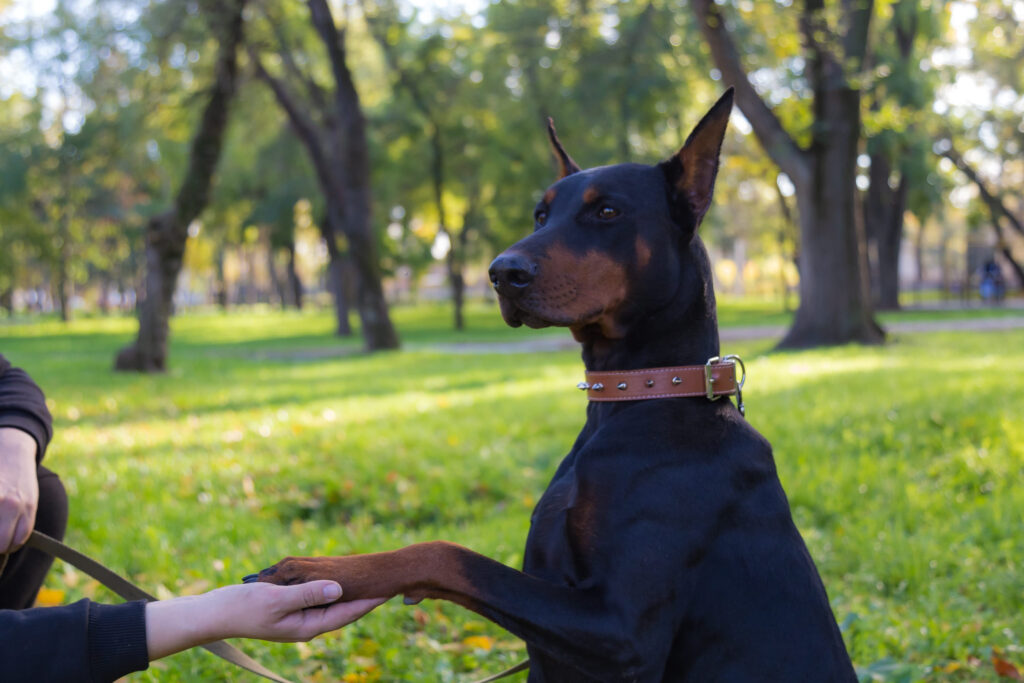
The Doberman Pinscher was developed by a German tax collector, Karl Friedrich Louis Dobermann, in the late 19th century. Dobermann wanted a dog that could accompany him on his rounds and provide protection. He bred several dogs, including the Rottweiler, German Pinscher, and Greyhound, to create the Doberman, a versatile breed that would be fearless, alert, and agile.
Over the years, the Doberman’s qualities have been honed for a variety of roles, including guard, police, and military work. Their strength, intelligence, and unwavering loyalty made them ideal candidates for these demanding positions. Today, while still used in various professional capacities, Dobermans are also beloved family companions.
Physical Characteristics of Doberman Pinscher
Size and Build
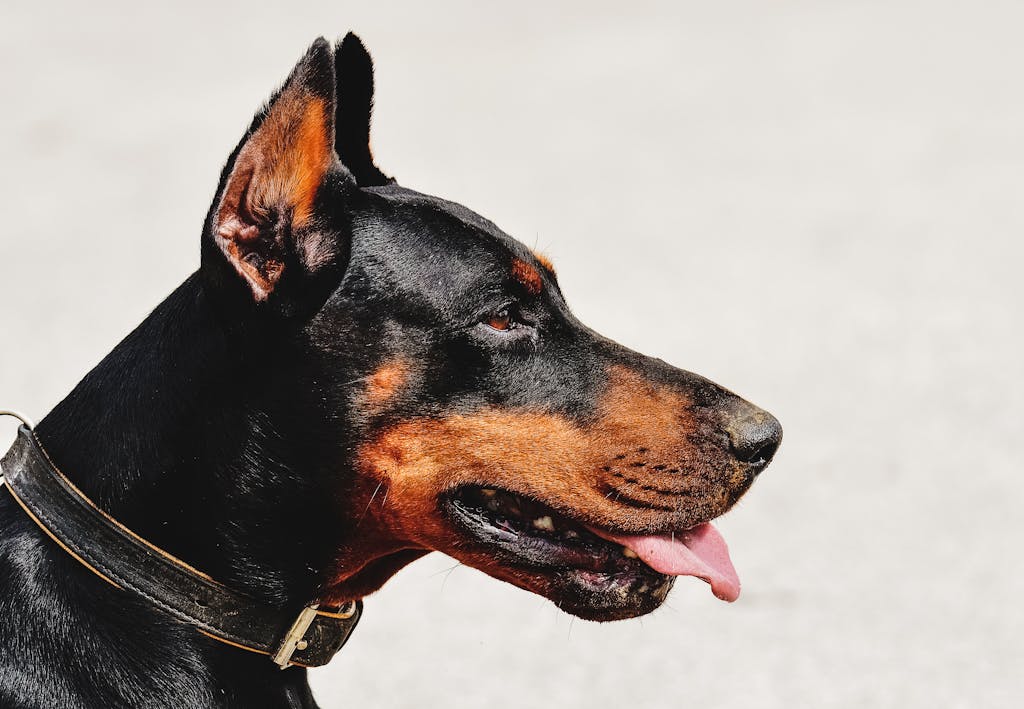
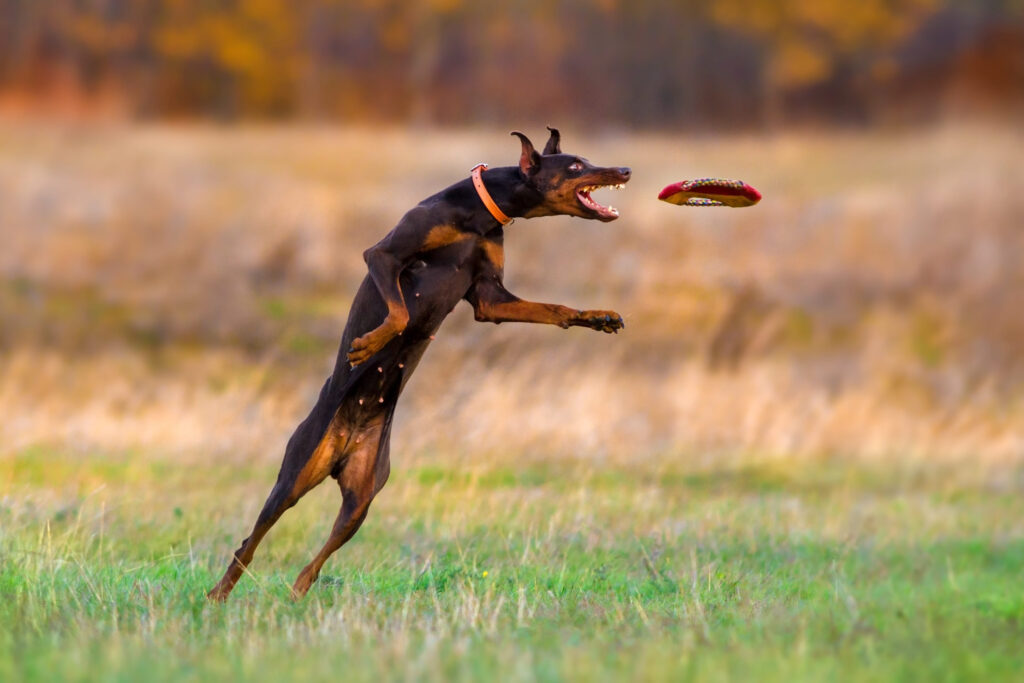
Dobermans are medium- to large-sized dogs with a sleek, athletic build. They stand 24 to 28 inches tall at the shoulder and typically weigh 60 to 100 pounds, with males generally larger than females. Their bodies are muscular yet elegant, designed for speed and endurance. This physical prowess allows them to excel in tasks that require agility, such as obedience and agility competitions.
Coat and Color
The Doberman’s short, smooth coat is one of its most recognizable features. The breed comes in four standard colors: black, red, blue, and fawn. Each of these color variations is typically paired with tan markings on the legs, chest, and face. The coat is easy to maintain, requiring only occasional brushing to remove loose hair.
Tail and Ears
In many countries, Dobermans have their ears cropped and tails docked for aesthetic and practical reasons, although this practice is becoming less common. Cropping the ears gives the Doberman a more alert, intimidating look, while docking the tail prevents injury during the dog’s active lifestyle. However, many owners today opt to leave the ears natural, as this practice has faced criticism for ethical reasons.
Personality and Temperament
Fearless and Protective
Dobermans are known for their loyalty and protective nature, making them excellent guard dogs. They are naturally suspicious of strangers, and their acute sense of hearing and sight allows them to detect intruders long before humans do. This innate guarding instinct makes them an ideal choice for security, but it also means proper socialization and training are essential to prevent them from becoming overly aggressive.
Despite their strong guarding instincts, Dobermans are also highly affectionate and loyal to their families. They are particularly known for their deep bond with their owners and often seek close companionship. This makes them excellent family pets when properly trained and socialized.
High Intelligence and Trainability
One of the standout qualities of the Doberman Pinscher is its intelligence. They are quick learners, making them highly trainable for both basic obedience and advanced tasks. In fact, Dobermans consistently rank in the top 10 most intelligent dog breeds. This intelligence, combined with their eagerness to please, means they thrive in environments that mentally challenge them and provide clear, consistent commands.
Energy Levels and Exercise Needs
Dobermans are high-energy dogs that require plenty of exercise to stay healthy and happy. They are not suited to owners looking for a low-maintenance or sedentary dog. A Doberman’s energy can be channeled through daily walks, runs, and play sessions, and they also excel in activities such as agility courses and obedience training. Without proper exercise, Dobermans may become bored and engage in destructive behavior, such as chewing or digging.
Socialization with Other Pets and People
Dobermans can be a bit reserved with strangers, but with proper socialization from an early age, they can learn to be more accepting of unfamiliar people and situations. It’s important to introduce your Doberman to a variety of people, animals, and environments during their puppyhood to prevent fear-based behaviors or aggression. When raised with other pets, they generally do well with dogs and cats, especially when raised together.
Health Considerations
Common Health Issues
Like all dog breeds, Dobermans are prone to certain health conditions. Some of the most common issues include:
- Dilated Cardiomyopathy (DCM): A heart disease that affects the Doberman Pinscher more than other breeds, leading to weakened heart muscles and difficulty pumping blood.
- Hip Dysplasia: A genetic condition where the hip joint doesn’t fit properly into the hip socket, causing pain and arthritis over time.
- Von Willebrand Disease: A genetic bleeding disorder that affects the blood’s ability to clot properly, making dogs more susceptible to excessive bleeding.
- Hypothyroidism: A condition where the thyroid gland doesn’t produce enough hormones, leading to symptoms such as lethargy, weight gain, and skin issues.
Lifespan
The average lifespan of a Doberman Pinscher is around 10 to 12 years. With proper care, regular veterinary check-ups, and a healthy diet, they can live a long and active life. Routine exercise and a balanced diet are essential for preventing obesity, which can exacerbate joint and heart issues.
Regular Vet Checkups
Because of their predisposition to certain health issues, Dobermans should have regular veterinary check-ups to monitor their overall health. Early detection of conditions such as heart disease or thyroid imbalances can improve the dog’s prognosis and quality of life. Regular vaccinations, flea and tick prevention, and dental care are also essential components of a well-rounded health regimen.
Training a Doberman Pinscher
Positive Reinforcement
Dobermans respond best to positive reinforcement, which includes rewarding good behavior with treats, praise, or toys. Harsh training methods, such as punishment or physical corrections, can damage the bond between you and your dog and may lead to behavioral problems. Focus on rewarding your Doberman for good behavior and remaining consistent with commands.
Socialization
As mentioned earlier, socialization is key to ensuring your Doberman grows into a well-rounded dog. Introduce your Doberman to different people, animals, and environments during their early developmental stages. A well-socialized Doberman is less likely to develop fearful or aggressive tendencies.
Mental Stimulation
Dobermans are intelligent dogs that thrive on mental challenges. To keep their minds sharp, engage them in activities such as puzzle toys, scent games, or advanced obedience training. Mental stimulation helps prevent boredom and ensures that your Doberman remains happy and well-adjusted.
Doberman Pinscher in Action
Police and Military Roles
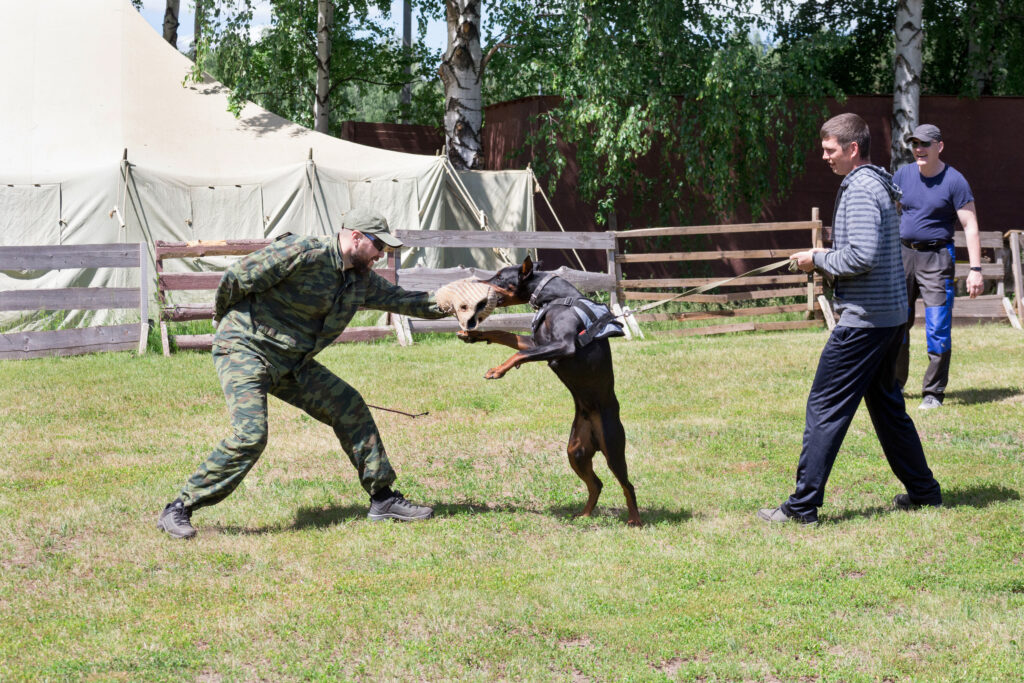
Dobermans have long been used in police and military roles due to their intelligence, loyalty, and physical strength. They are often employed as search-and-rescue dogs, detecting drugs and explosives, and even locating missing persons. Their strong protective instincts also make them valuable assets in law enforcement situations, where their ability to deter threats can save lives.
Service Dogs
The Doberman Pinscher’s intelligence and trainability also make it an excellent candidate for service work. They have been trained as therapy dogs, emotional support animals, and assistance dogs for people with disabilities. Their gentle nature, combined with their protective instincts, makes them well-suited for this role.