Donating to charity is an excellent way to clear out unused items from our homes, but it’s essential to be mindful of what we give. Many well-meaning donations end up being a burden to charities, forcing them to pay for disposal, cleanup, or recycling. In this article, we’ll explore the 13 most common items that should never be donated and explain why they can be more harmful than helpful.
Unsafe Baby Gear
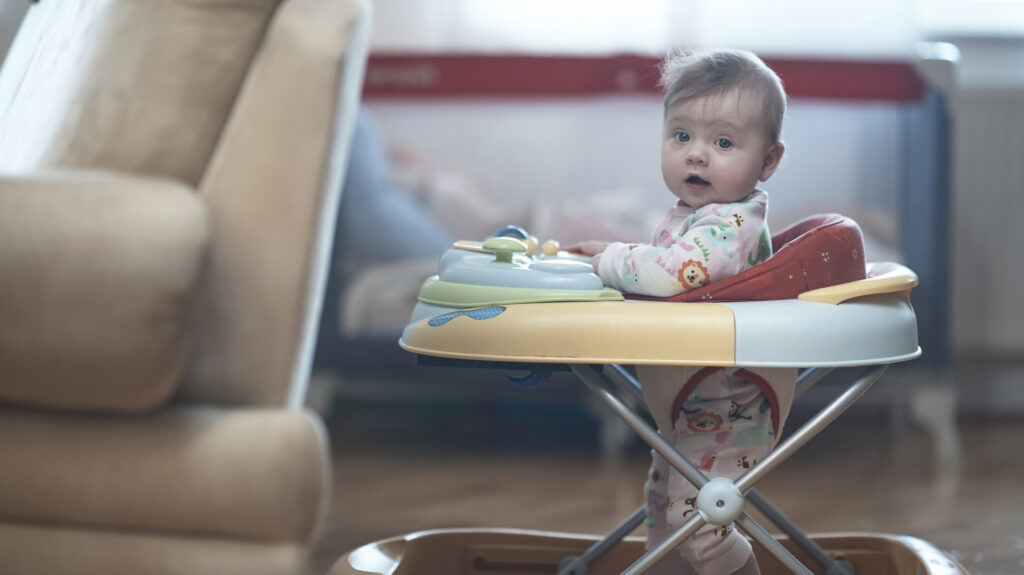
When it comes to baby gear, safety is paramount. While car seats, cribs, and highchairs might seem like useful donations, they often fall under safety regulations that change frequently. Many donation centers, such as Goodwill, refuse to accept used baby gear because items like car seats can expire or be recalled due to safety hazards. A second-hand car seat or crib could be missing vital safety components or may not meet current regulations, putting babies at risk.
Additionally, without original packaging, it’s difficult to ensure the item has been properly recalled or has passed safety tests. Instead of donating these items, check if they’re still safe to use, and if not, take advantage of recall programs or safely dispose of them.
Worn Mattresses and Pillows
Mattresses, box springs, and pillows are among the most commonly rejected donation items, and for good reason. They are difficult to clean, sanitize, and store. Stains, tears, and odors can make these items unsellable and unhygienic. More importantly, mattresses and pillows can harbor dust mites, bed bugs, and mold, all of which pose serious health risks.
Some charities may accept gently used items if they meet strict hygiene guidelines, but generally, it’s safer to dispose of them or recycle them through specialized services. This ensures a more hygienic process and prevents unwanted pests from being transported.
Expired Medicine
Medication, even when unopened, has an expiration date for a reason. Expired drugs can lose their effectiveness or become harmful. The FDA provides clear guidelines for disposing of unused medication, but donating it isn’t part of those guidelines. Donation centers aren’t equipped to handle medications safely, and even if they are, there’s a high risk of misuse or contamination.
Instead of donating medicine, take it to a local drug take-back program or follow safe disposal instructions. This helps avoid possible health risks and ensures that medication is disposed of correctly.
Household Chemicals
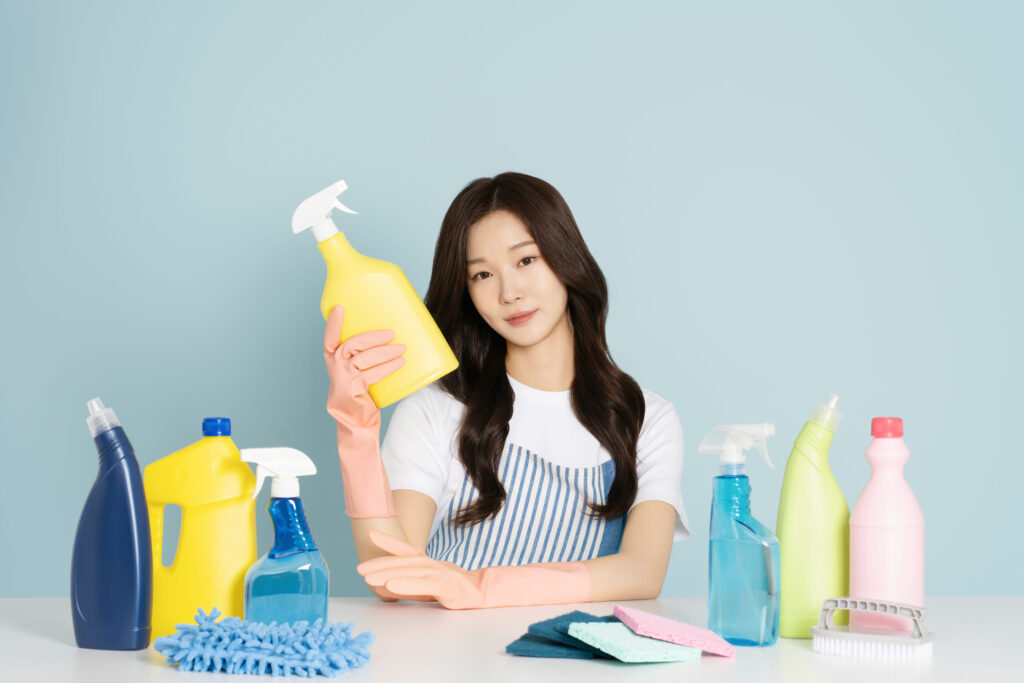
Half-used paint cans, cleaning products, pesticides, and aerosol sprays may seem like items others could use, but these products often pose a threat. Many household chemicals are hazardous materials that can be flammable, corrosive, or toxic. Thrift stores and donation centers do not have the proper infrastructure to safely store or handle such items.
If you have leftover cleaning supplies, paint, or other chemicals, it’s best to take them to a community hazardous waste collection event. These services are designed to handle hazardous substances, preventing potential accidents.
Gas-Powered Tools
Gas-powered tools, such as lawnmowers, trimmers, and chainsaws, should never be donated if they’ve been used. These tools often contain residual fuel or oil, making them difficult to transport and store safely. Even if the tool appears to be in good working order, there’s a risk of leaks, fumes, and potential fire hazards.
Donation centers typically do not accept items that use gasoline, propane, or kerosene, because handling these fuels creates significant safety risks. If you have gas-powered equipment to get rid of, try recycling it through an e-waste facility or automotive recycler that specializes in handling these tools.
Tires and Car Parts
Tires, batteries, motor oil, and other car parts belong in a specialized recycling or disposal program. Thrift stores generally reject these items because they are bulky, difficult to store, and require special handling to ensure safety. Tires, for example, are difficult to dispose of due to their size and the risk they pose as breeding grounds for mosquitoes. Car batteries and motor oil are considered hazardous waste and should be taken to designated recycling facilities.
For anything related to automobiles, including worn-out car parts, check with local recycling centers or auto parts stores to see where you can dispose of them properly.
Damaged Items
No one wants to receive a donation that’s broken, rusted, stained, or incomplete. A damaged piece of furniture, a cracked lamp, or a shirt with a tear is not going to be sellable or usable. Many charities refuse to accept items that are broken or missing parts because they take up valuable space and require costly repairs before they can be sold.
If an item has seen better days, it’s best to dispose of it through a recycling program or fix it before considering a donation. This ensures your donation has a chance of being reused and appreciated.
Old Furniture in Poor Condition
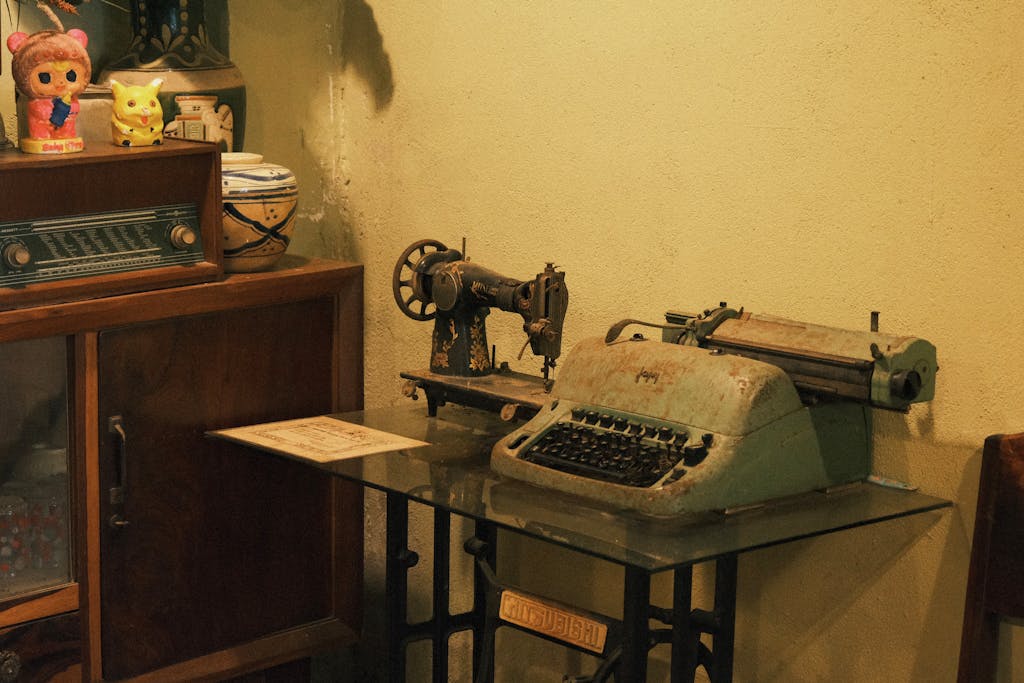
While gently used furniture can be a great donation, worn-out pieces are often rejected. When furniture is in poor condition, like a couch with stains, a chair with a broken leg, or a coffee table with deep scratches, it can’t be resold or used by others. Most donation centers have limited storage space and prefer accepting furniture that is clean, functional, and aesthetically appealing.
If your furniture needs minor repairs or a fresh coat of paint, consider taking the time to restore it before donating. Otherwise, explore options for recycling or selling items for parts.
Outdated Electronics
Old electronics, especially CRT televisions and non-flat-screen models, should never be donated. These bulky items are difficult to transport and quickly become obsolete. As technology advances, so does the demand for newer, more efficient gadgets. Outdated electronics often lose their resale value, and many donation centers won’t accept them due to the high cost of disposal and environmental concerns.
Instead, take your old electronics to an e-waste recycling facility, where they can be safely dismantled and recycled. Many cities offer special collection events for electronics recycling, ensuring that your old tech won’t end up in a landfill.
Large Appliances
Large appliances, such as refrigerators, stoves, and washing machines, are often not accepted by donation centers due to their size and the complexity of testing their functionality. These items are heavy, difficult to transport, and require specialized knowledge for testing or repair.
If you want to donate a large appliance, contact local charities to confirm their specific policies or look for an organization that specializes in accepting household items like refrigerators or washers. Alternatively, consider recycling or donating the items to organizations that repurpose them.
Medical Equipment
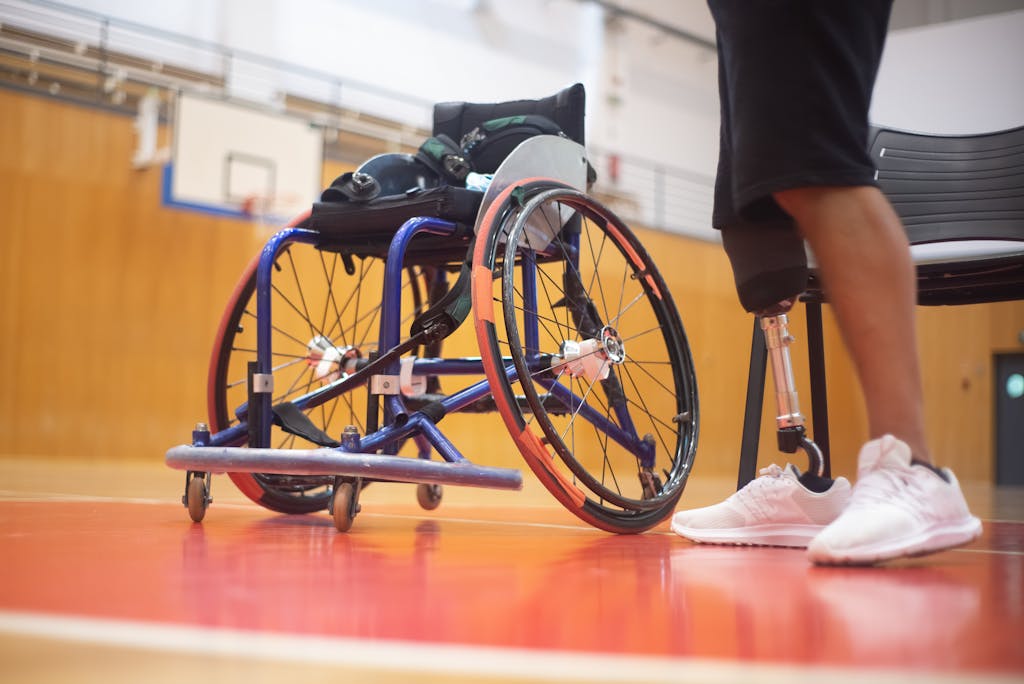
Medical equipment, such as crutches, canes, wheelchairs, and hospital beds, often does not meet the sanitary standards required for donation. Many thrift stores do not accept medical supplies due to liability and sterilization concerns. Medical equipment must be in good condition, sterile, and meet safety guidelines, which can be difficult for donation centers to verify.
Instead of donating used medical equipment, reach out to local hospitals, clinics, or specialty organizations that accept such donations. You may also find community programs that provide these items to those in need.
Dangerous Items
Weapons, fireworks, and anything that poses a safety risk should never be donated. Firearms, explosives, and items that are illegal or dangerous to handle are outright rejected by charities. These items may violate safety standards or laws, and attempting to donate them may result in legal consequences.
If you have dangerous items to dispose of, contact the proper authorities or use designated collection sites that handle hazardous materials safely.
Opened Beauty Products and Food
Opened beauty products, lotions, shampoos, food, and beverages should never be donated. These items can carry bacteria, cause allergic reactions, or pose a health hazard to others. Once an item is opened, its safety and quality are compromised, making it unsuitable for donation.
If you find unopened food or beauty products you no longer need, check with local food banks or shelters to see if they accept them, provided they meet safety and packaging requirements. However, opened items should always be disposed of safely.