We all love a good DIY project, but let’s face it, sometimes we get a little too excited and end up making a mess. DIYs can be fun and fulfilling, but if you’re not careful, they can also end in frustration and wasted time.
From choosing the wrong tools to neglecting small details, there are plenty of mistakes you could be making. So, let’s take a closer look at some common DIY pitfalls and how to fix them, once and for all.
Overestimating Your Skills with Complex Furniture Projects
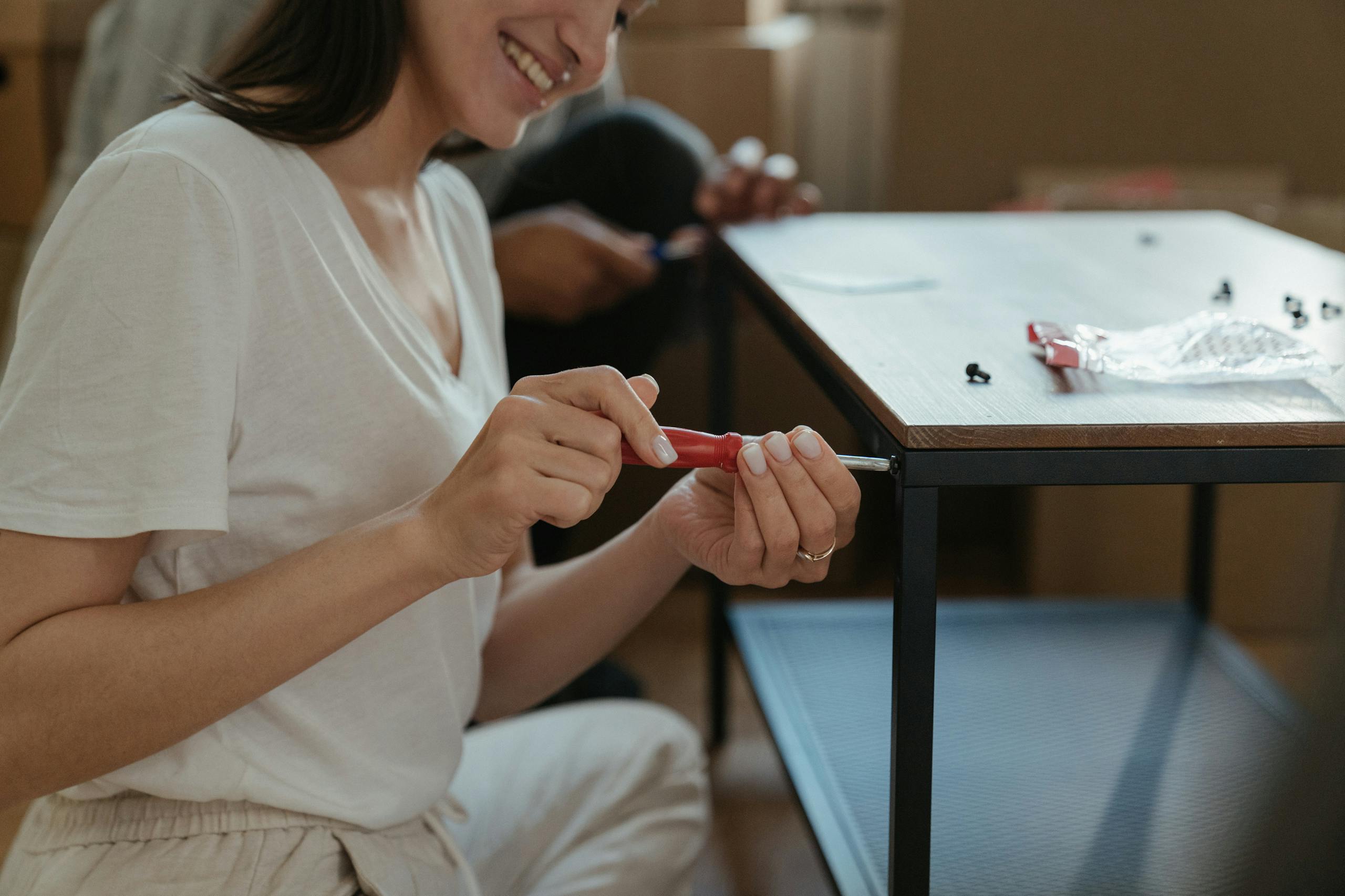
We’ve all been there, looking at a Pinterest project and thinking, “How hard can it be?” Sure, building a custom coffee table or refinishing a dresser sounds easy enough, but if you’re not an expert, it could end up being a disaster. One misstep, and you’re staring at a half-built mess instead of a stylish new piece.
Fix It:
Before jumping in, be honest with yourself about your skill level. Stick to simpler projects like a small bookshelf or a simple painting job. And don’t be afraid to seek guidance online. YouTube tutorials or DIY blogs are lifesavers! Start small, and work your way up after all, Rome wasn’t built in a day!
Neglecting Proper Surface Prep Before Painting
You know the drill: you’ve got a can of paint, a brush, and a dream. But did you skip the prep? If your walls or furniture aren’t properly primed or cleaned, your paint job won’t last, plain and simple. In fact, it could start chipping and peeling in no time.
Fix It:
Clean the surface thoroughly to remove any dirt or grease. Sand down rough patches and apply a primer. Trust us, it’s worth the extra effort to ensure that your paint sticks and your furniture or walls stay flawless for years.
Choosing the Wrong Paint for the Job
There are a million different types of paint out there, but did you know they’re not all created equal? You wouldn’t use a chalkboard paint for your kitchen cabinets, right? Yet many DIYers fall into this trap, picking whatever paint they have at home, regardless of what’s best for the surface.
Fix It:
Read the labels before you start. For high-traffic areas like kitchens and bathrooms, use durable, washable paint. Opt for high-gloss or semi-gloss finishes that are easy to clean. It’s not about the color—it’s about durability and functionality!
Ignoring the Importance of Lighting
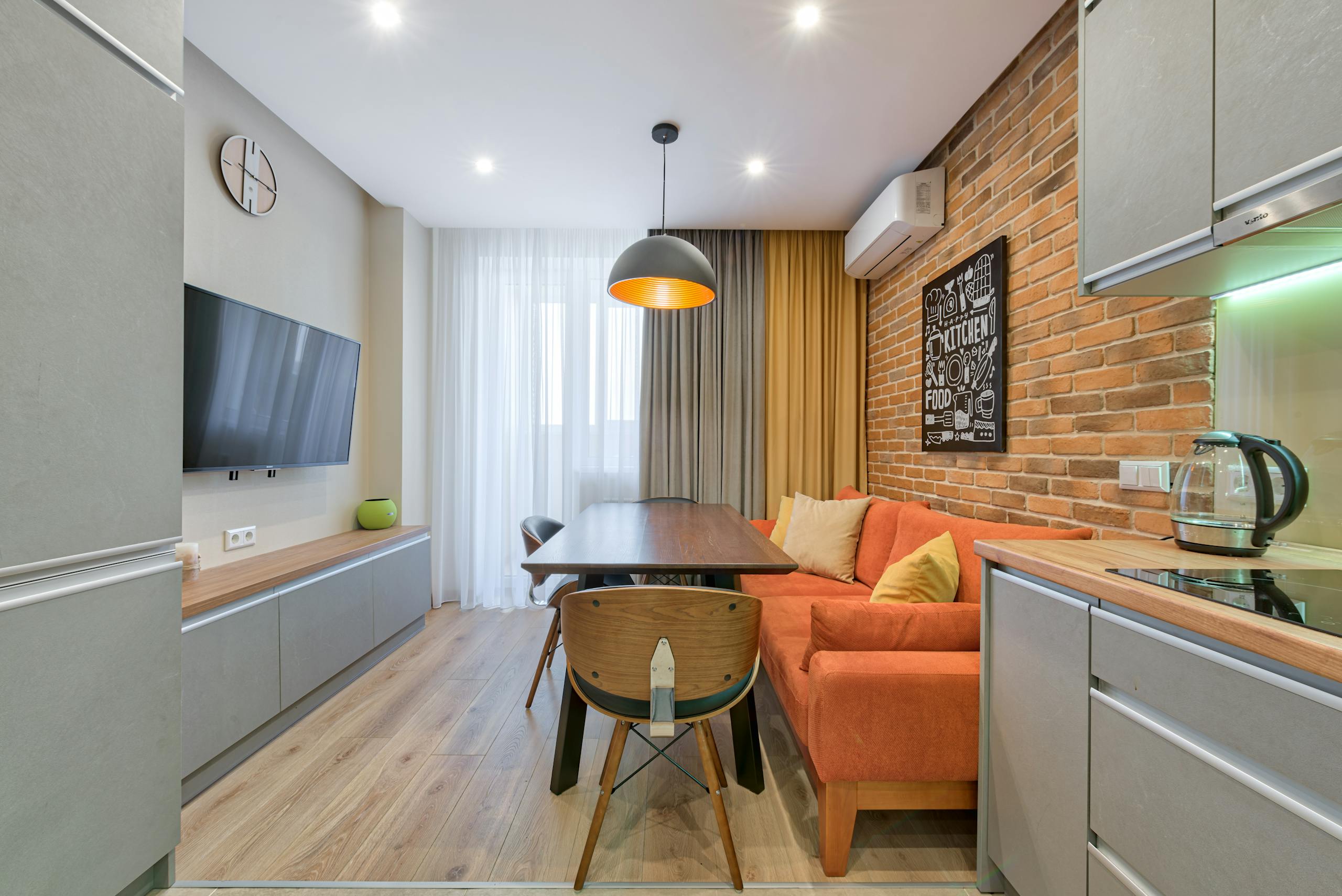
Lighting can make or break a room’s mood. If you’re not paying attention to how light interacts with your space, you might end up with a room that feels dark and dreary. Overhead lighting alone won’t do it.
Fix It:
Incorporate layered lighting. Use a mix of task, ambient, and accent lighting to create a warm and inviting atmosphere. Add some lamps, fairy lights, or even under-cabinet lighting to highlight features in the room. Play with light to enhance the room’s overall ambiance and make it feel cozy.
Underestimating the Power of Wall Art
You might think your walls are just fine as they are, but let’s face it, they’re probably looking pretty bare. Many DIYers focus so much on furniture that they forget the finishing touch: art. A room with blank walls is like a book with missing chapters, something’s just off.
Fix It:
Invest in wall art or decorative pieces that reflect your personality. A simple gallery wall, a framed mirror, or even a piece of abstract art can totally change a room’s vibe. Mix it up with photos, prints, and other fun decor items that bring the room to life.
Overlooking Storage Potential in Small Spaces
When you’re working with limited space, every inch counts. Many DIY projects overlook the importance of storage, leaving you feeling cluttered and disorganized. This is especially true in small apartments where clutter piles up quickly.
Fix It:
Make storage a priority! Install floating shelves, use multi-functional furniture, or even invest in vertical storage solutions. From hidden drawers to wall-mounted racks, there are tons of creative ways to maximize your space. It’ll make your home feel cleaner and more organized, and give you a sense of accomplishment.
Skipping Safety Measures for Power Tools
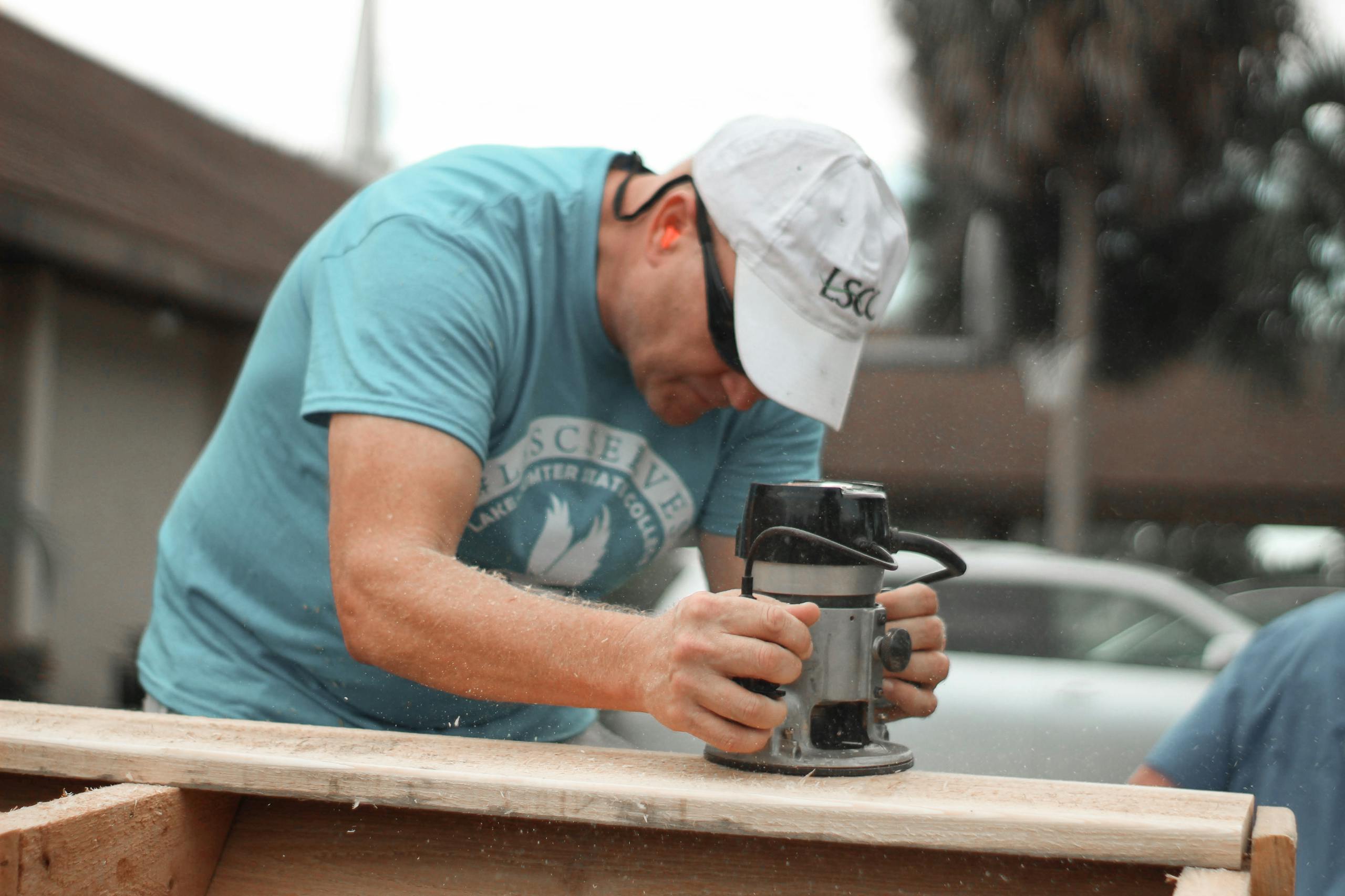
It’s easy to get carried away with the excitement of starting a DIY project, but neglecting safety precautions can lead to disaster. Not using safety goggles, gloves, or a mask while sanding, drilling, or cutting is a mistake that could cause serious injury.
Fix It:
Always wear protective gear. No exceptions. If you’re not sure which safety equipment to use, take a quick look at the instructions that came with your tools. It’s better to be safe than sorry—especially when it comes to power tools. Also, make sure your workspace is clear and well-ventilated.
Don’t Overestimate Your Budget
Let’s be honest, DIY projects can get pricey if you’re not careful. Between buying the right tools, materials, and extra supplies, costs can add up quickly. If you don’t stick to a budget, you could end up spending way more than anticipated.
Fix It:
Create a budget before you begin, and stick to it. Look for sales, use coupons, or consider renting tools if you only need them for one project. Planning ahead will ensure you don’t overspend while still completing a high-quality DIY.
Rushing the Process
DIY doesn’t always mean a quick fix. Many people rush through projects, eager to see the final product, but this can lead to shoddy work. Patience is key to a successful DIY.
Fix It:
Take your time. Focus on one task at a time, and don’t try to do everything in one go. Whether it’s painting, assembling furniture, or installing shelves, taking your time ensures the final result is something you can be proud of.
Forgetting to Measure Twice, Cut Once
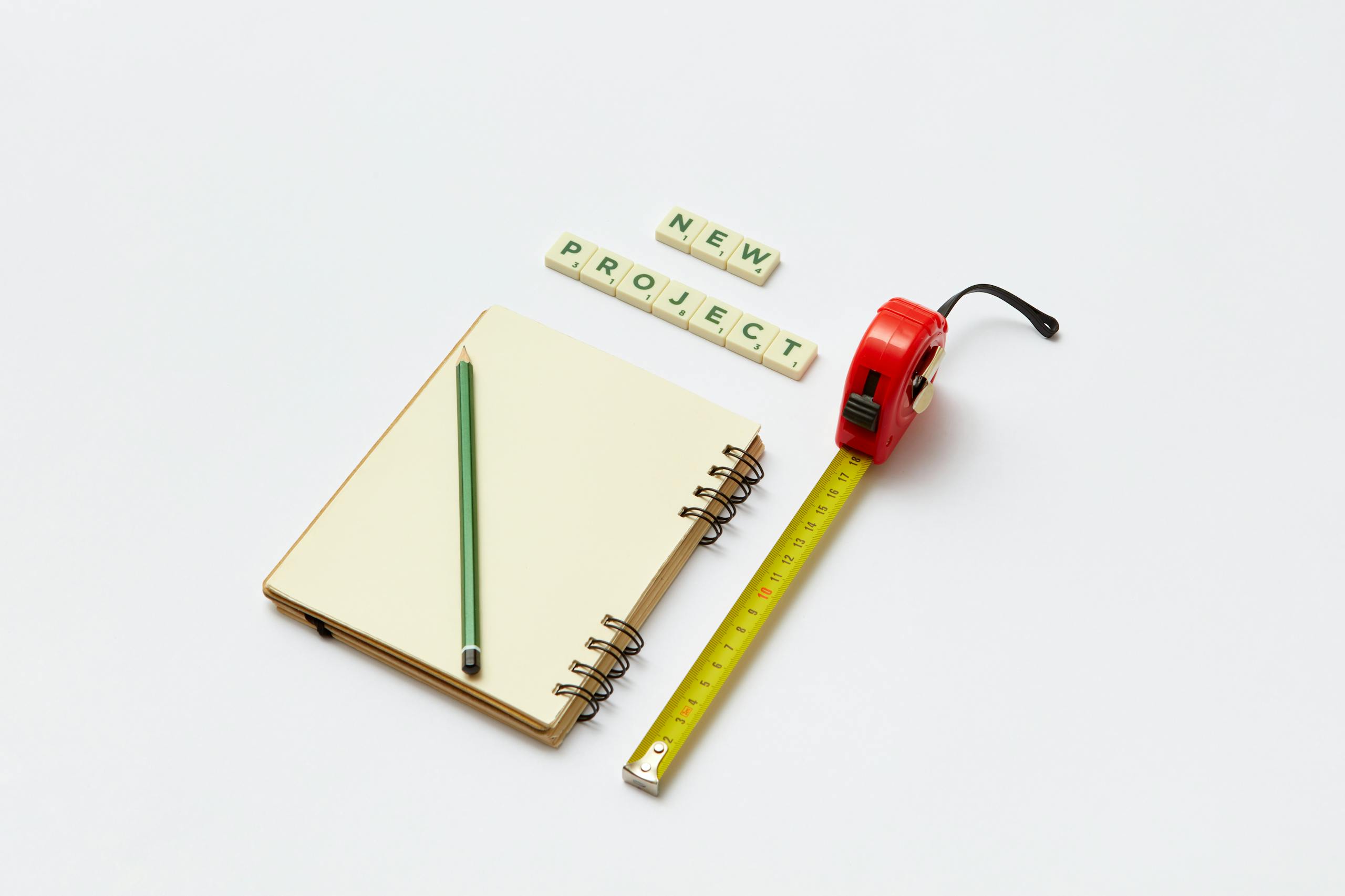
When it comes to DIY projects, measurements matter. The last thing you want is to end up with furniture that doesn’t fit or shelves that are crooked. Not double-checking your measurements can waste time and materials, turning a simple project into a huge headache.
Fix It:
Always measure twice, cut once. It’s the golden rule of DIY. Use a level, a measuring tape, and take the extra step to ensure your cuts and placements are perfect. It’s the difference between a job well done and a costly mistake.
Conclusion
DIY projects can be incredibly rewarding, but only if you do them right. Avoid these common mistakes, and you’ll save time, money, and frustration. Always take the time to plan ahead, measure accurately, and be realistic about your skill level. After all, you want your DIY projects to leave a lasting impression, not a lasting pile of unfinished work !
Ready to tackle your next DIY project? Start small, stay patient, and most importantly, enjoy the process. You’ll be amazed at how a few simple changes can transform your home.