Nothing stings quite like pulling a favorite shirt from the dryer and realizing it now fits as it belongs to your little cousin. Shrinkage has a sneaky way of turning a good laundry day into a quiet disaster, especially with fabrics like cotton, wool, and silk that react badly to heat, moisture, and rough agitation. The good news is that clothes usually do not shrink out of pure bad luck. They shrink because the wrong fabric is washed or dried under the wrong conditions.
The fix is not complicated, but it does require intention. A few smarter habits can keep your clothes closer to their original size, shape, and feel. Once you understand what causes shrinkage, laundry stops feeling like a gamble and starts working in your favor. Here is how to keep your wardrobe safe before another sweater leaves the chat.
Read the care label before you do anything else.
The care label is not a decoration. It tells you the safest water temperature, the right wash method, and whether a piece should stay far away from a hot dryer.
Whirlpool and Maytag both advise checking the care tag first because different garments and fabric blends need different treatment, and that little label is often the fastest way to avoid accidental shrinkage. Ignore it, and you are basically letting guesswork run your laundry room.
Learn which fabrics shrink the fastest.
Some materials are simply more sensitive than others. Natural fibers like cotton, wool, and silk are more likely to shrink, especially when exposed to heat and friction, while many synthetic fabrics, such as polyester and nylon, are generally more resistant to shrinkage.
That does not mean synthetics are invincible, but it does mean your cotton tee and wool sweater need a softer approach than your gym wear. Treat every fabric the same, and your wardrobe will make you pay for it.
Cold water is your safest everyday move.
If you want one simple rule that works for most clothes, start with cold water. Cold washes are widely recommended because they are gentler on fibers and reduce the risk of heat-induced shrinkage.
Whirlpool specifically notes that cold, gentle cycles are a general rule for preventing clothes from shrinking, and Woolmark recommends cold or delicate cycles for wool when a wool setting is not available. That is a pretty good reason to stop treating hot water like the hero of every load.
Use the gentle cycle when the fabric needs mercy.
Not every item should be spun like it is training for a tornado. Delicate fabrics and knit garments do better with less agitation, because friction and rough movement can stress fibers and encourage shrinkage or warping.
Gentle cycles, mesh laundry bags, and hand washing for the most delicate pieces can make a real difference. When a sweater or blouse seems fragile, believe it the first time.
Pick a mild detergent instead of something overly harsh.
Detergent does more than clean. The wrong formula can be tough on delicate fibers, especially when paired with warm water and a rough cycle.
Woolmark recommends mild or approved detergents for wool, and that same softer approach makes sense for garments you want to keep looking new for longer. Think of detergent like skincare for your clothes. Too aggressive, and the damage shows up faster than you expect.
Air drying is the easiest way to avoid heartbreak.
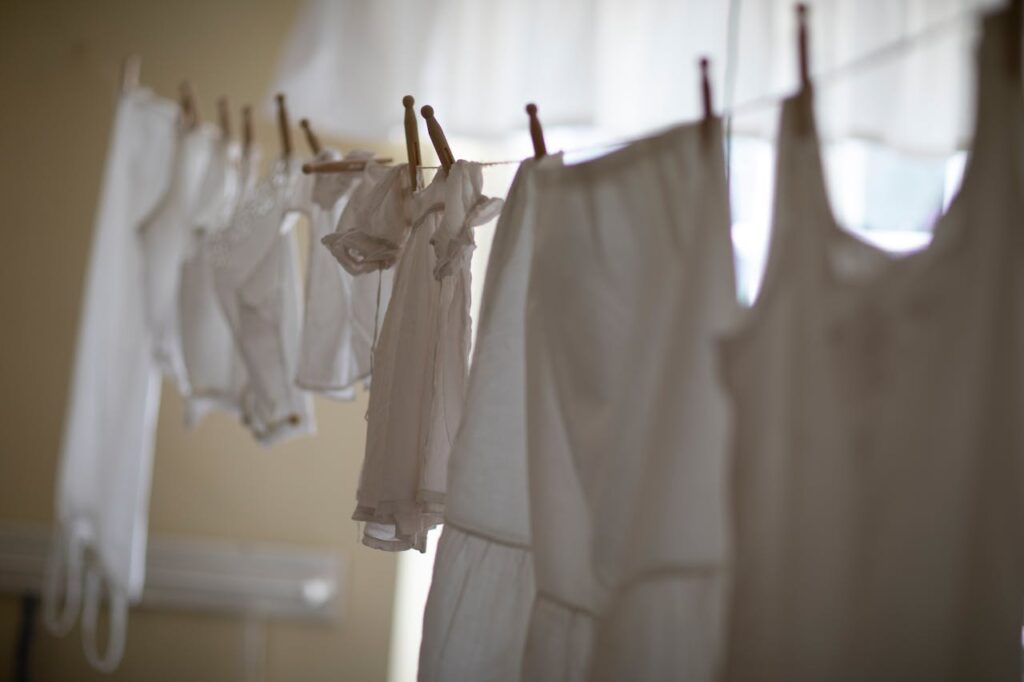
If shrinking had a main villain, it would be high heat from the dryer. Air drying remains one of the best ways to protect clothing because it removes the heat factor that causes many fabrics to tighten.
The source article recommends laying sweaters flat and hanging or rack drying other garments carefully, and Whirlpool notes that no-heat or low-heat drying can help prevent shrinkage. Air drying may test your patience, but it keeps your clothes from shrinking.
If you must use the dryer, go low and slow
Sometimes air drying is not realistic, and that is fine. The trick is to stop using high heat as the default answer.
Whirlpool advises low-temperature or no-heat dryer settings for delicate items and fabrics prone to shrinking, and its current cycle guide also describes delicate settings as using lower heat to dry gently. Translation: your dryer can still help, but only if you stop trying to roast your laundry.
Reshape garments while they are still damp.
This step gets overlooked, but it matters more than people think. Gently stretching and reshaping clothes while they are damp helps them return to their original form rather than drying in a twisted or tightened state.
The source article specifically recommends reshaping garments after washing, especially when they are still moist. It is a small move, but it can rescue the fit of tees, sweaters, and knitwear before the fabric fully sets.
Wash some pieces less often and store them better.
Not every item needs constant washing. Woolmark notes that wool naturally resists stains and odor better than many fibers, so washing it less often can be part of proper care.
Storage matters too. Folding sweaters instead of hanging them can help them hold their shape, while giving clothes breathing room in drawers and closets, which keeps fabric from getting stretched or misshapen. Good laundry habits do not end when the wash cycle stops.