Technology has revolutionized nearly every aspect of our lives, but not all progress has been beneficial. While many innovations have improved convenience, others have caused more harm than good, particularly as the physical world has been transformed into digital experiences. These technological shifts not only reshaped industries but also impacted our daily routines, social behaviors, and mental health in ways that we didn’t fully anticipate.
In this article, we explore 10 technological advancements that have had detrimental effects on our lives and why we wish they had never gone digital.
Social Media Addiction

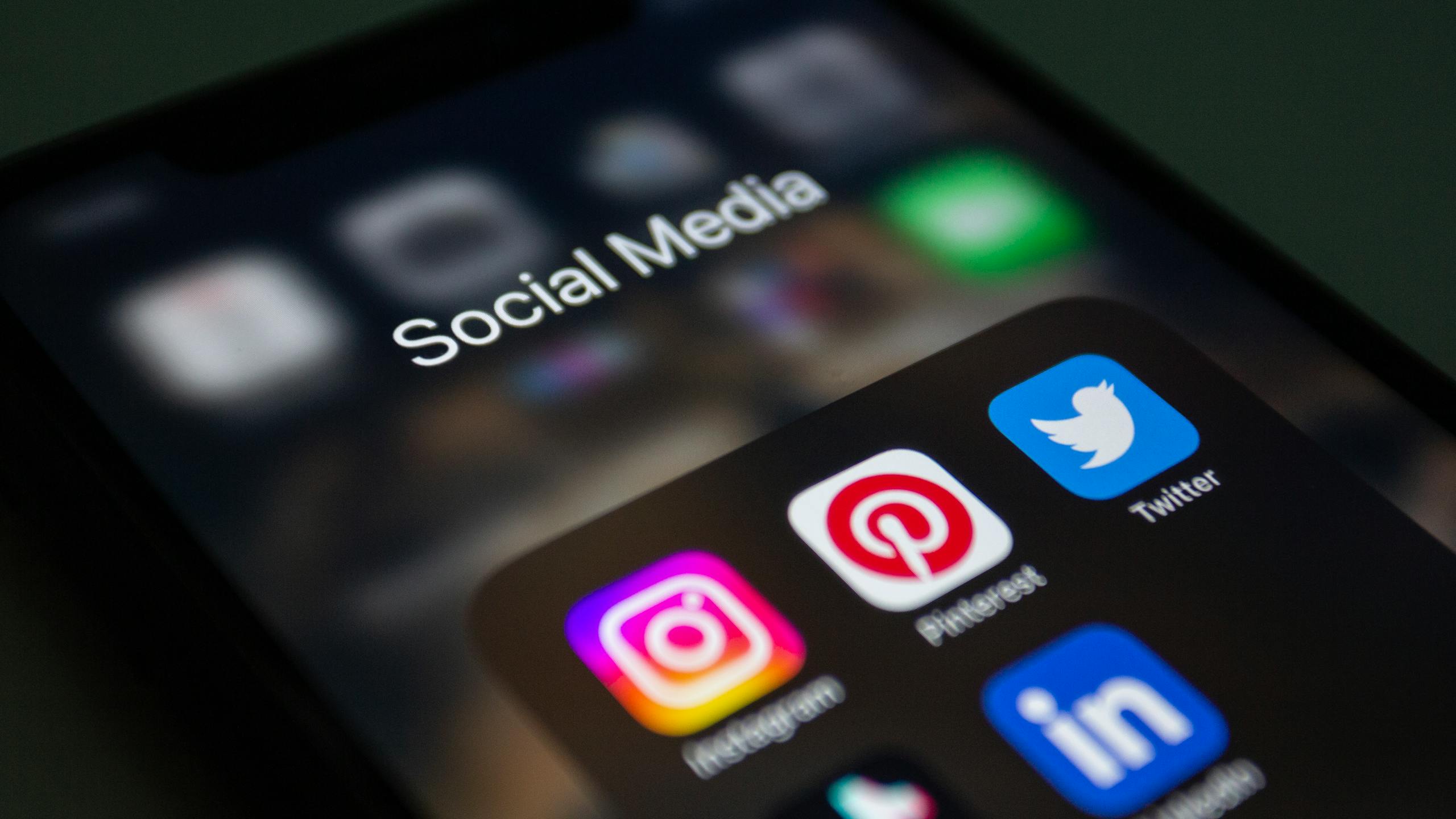
When social media was first introduced, it promised to connect people across the globe. Now, it has evolved into an addictive platform that dominates our lives, causing a significant impact on mental health. Platforms like Facebook, Instagram, and Twitter create unrealistic comparisons and foster feelings of inadequacy by constantly demanding validation through likes and comments.
Studies show that social media addiction is linked to anxiety, depression, and poor self-esteem. Instead of providing a space for genuine connection, these platforms have become battlegrounds for attention, leaving us feeling isolated despite being constantly “connected.” The more we immerse ourselves in virtual lives, the more disconnected we become from the real world.
Decline of Privacy
The advent of digital tracking has fundamentally changed how we experience privacy. While it may have made online services more personalized, it has come at the expense of personal data being constantly monitored, stored, and sold. From cookies tracking your browsing habits to apps that require access to your camera and microphone, the digital world has become a surveillance society.
With over 70% of internet users unaware of how their data is being collected, we face the alarming reality that our every move is tracked. This not only opens the door to data breaches but also shifts the power dynamics between individuals and corporations. We never asked for this level of exposure.
Death of Face-to-Face Communication

While digital communication tools such as email, texting, and video calls have made it easier to stay in touch, they have also caused a decline in face-to-face communication. In-person conversations are essential for building genuine relationships, as they foster trust, empathy, and non-verbal cues that digital tools cannot replicate.
Over-reliance on text-based communication has led us to lose the ability to read facial expressions and body language, resulting in misunderstandings and emotional disconnection. With video conferencing becoming the norm in both personal and professional settings, we have sacrificed the richness of human interaction for convenience.
Erosion of Physical Retail
E-commerce was once hailed as a major innovation, offering consumers the convenience of shopping from home. However, it has decimated brick-and-mortar retail stores, leaving many cities with vacant shopping malls and struggling small businesses. While it’s true that e-commerce has made purchasing easier, it has also eliminated the unique experience of browsing in a physical store and interacting with knowledgeable staff.
Online shopping has contributed to the rise of consumerism, where people buy things they don’t need, often leading to financial strain and excess waste. This digital shift has altered how we value products and the importance of supporting local businesses.
Invasion of Virtual Reality in Entertainment
Virtual reality (VR) promised an immersive, interactive experience in gaming and entertainment, but it has also blurred the lines between the real and the digital worlds. As VR becomes more realistic and engaging, it risks fostering detachment from reality, especially among younger users. Instead of experiencing the world around them, people are becoming absorbed in virtual worlds, losing touch with their physical surroundings and relationships.
The long-term effects of excessive VR use on mental health and physical well-being are still largely unknown, but the potential for addiction and social isolation is undeniable.
Fall of Printed Media

With the rise of digital news platforms and social media, print newspapers and magazines have suffered a steep decline. While this shift may seem like progress, it has led to the spread of misinformation and the loss of journalistic integrity. In the quest for clicks and views, sensational headlines and fake news are more prevalent than ever.
Print media, despite its limitations, offered a slower, more reflective form of news consumption. Today, readers are bombarded with information, most of which is tailored to their preferences or political views, creating echo chambers and limiting critical thinking.
Disappearance of Privacy in Healthcare
While the transition from paper-based medical records to electronic health records (EHRs) has streamlined processes in the healthcare industry, it has also raised significant privacy concerns. EHRs have made it easier for hackers to access sensitive medical data, and the growing trend of digital health tracking devices adds another layer of vulnerability.
Patients now find themselves at risk not only from physical illnesses but also from the digital breaches of their personal health data. The convenience of digital health solutions comes with a price that could compromise both privacy and security.
Online Education

Online education has expanded access to learning, but it has come at a cost. The absence of face-to-face interactions and hands-on experiences means that students are missing out on key aspects of their education. Classrooms provide more than just lectures; they foster social interaction, collaboration, and the development of soft skills that are difficult to replicate in a virtual environment.
The rise of online education platforms has also shifted the focus toward degrees and certifications rather than experiential learning. While it offers flexibility, it has not been able to replace the immersive, personal experience of traditional education.
Impact of Automation on Employment
Automation and artificial intelligence (AI) have revolutionized industries, but also displaced millions of workers. From self-checkout machines to advanced robotics in manufacturing, the shift to automated systems has created a job market where humans are increasingly replaced by machines.
While these technological advancements improve efficiency and reduce costs, they also contribute to economic inequality and a widening skills gap. As the future of work becomes increasingly automated, the question remains: will there be enough jobs for the human workforce?
Obsession with Digital Payments
Digital payment methods such as credit cards, mobile wallets, and cryptocurrencies have made transactions more convenient. However, this shift has diminished the psychological connection between spending and money. The tactile experience of handling cash provides a tangible sense of value that is lost when paying digitally.
With the rise of digital payments, it becomes easy to overspend without realizing the impact on one’s finances. The detachment from the physical act of handing over money has made it harder for individuals to track their spending and develop good financial discipline.