Many of us assume that everything down the drain simply vanishes.
But in reality, some items cause major problems for your plumbing, and what seems like an innocent slip can turn into a nightmare. It’s time to face the truth—your plumber wishes you’d stop sending these six items down the drain.
Wipes and Paper Towels
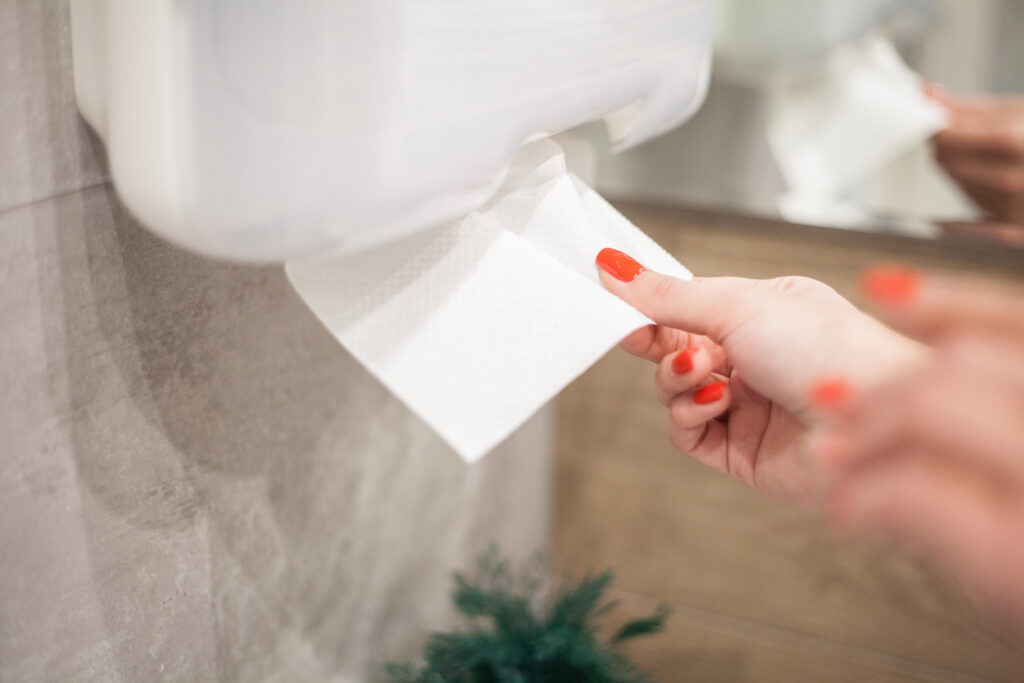
While it might seem convenient to flush wipes or paper towels, they don’t break down in water the way toilet paper does.
These materials stay intact and often clog your pipes, leading to stubborn blockages. Even the so-called “flushable” wipes can cause issues, as they don’t dissolve quickly enough, leaving your plumbing vulnerable to backups and expensive repairs.
Grease, Oil, and Fat
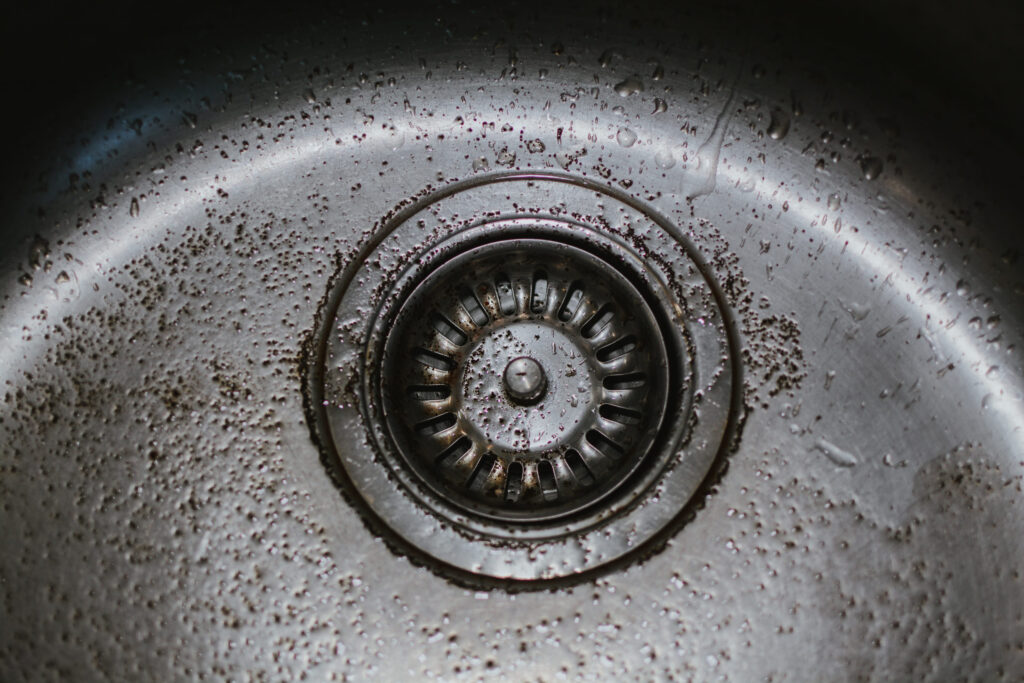
After cooking, it’s tempting to pour that leftover grease down the sink, but doing so is one of the worst habits you can develop.
When grease cools, it hardens and sticks to your pipes, forming stubborn clogs that only get worse over time. This thick residue collects food scraps, creating a plumbing nightmare. Dispose of cooking oil in a container and keep it out of your drains to avoid costly repairs.
Coffee Grounds
That little spoonful of coffee grounds seems harmless, right? But when it hits the drain, it can accumulate in your pipes, forming a thick sludge. This gritty mixture blocks water flow, leading to slow drains or even complete backups.
The best way to dispose of coffee grounds is to throw them in the trash or compost them, not wash them down the drain.
Pasta and Rice
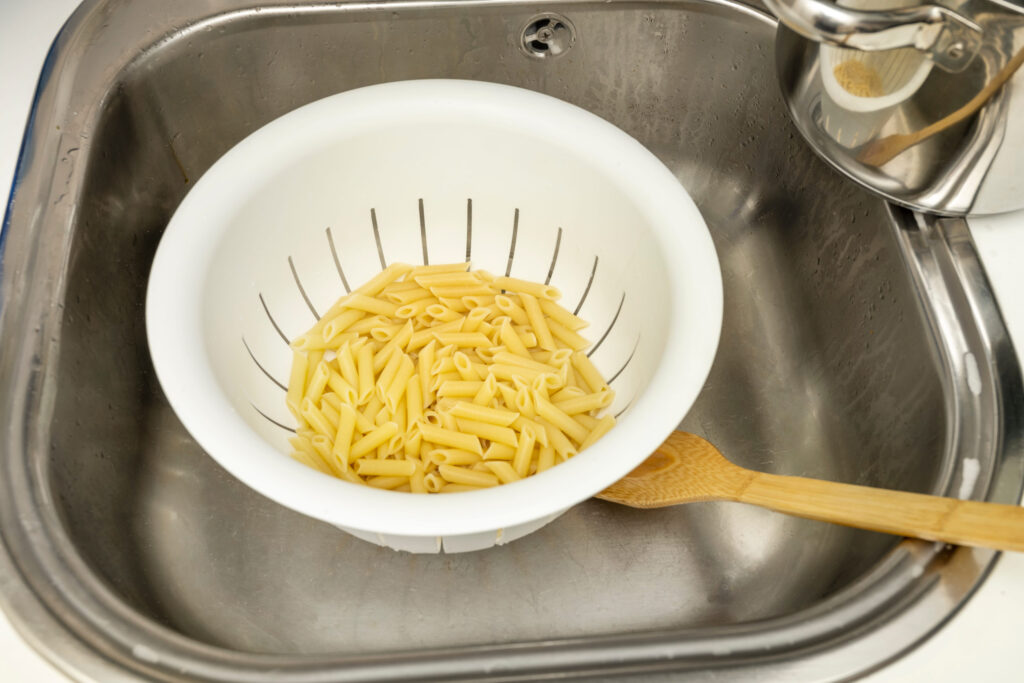
Pasta and rice are both notorious for expanding when they come in contact with water.
After boiling, these foods can continue to swell in your pipes, creating sticky masses that clog your plumbing. What starts as a quick rinse can result in a serious blockage, so make sure to throw pasta and rice into the trash, not down the drain.
Fibrous Vegetables
Think twice before rinsing fibrous vegetables like celery, corn husks, and onion skins down the drain.
These tough, stringy fibers tend to twist around the blades of your garbage disposal, causing jams and clogs. They can also accumulate in your pipes, blocking water flow and resulting in a costly mess that could have been avoided with proper disposal.
Harsh Chemicals
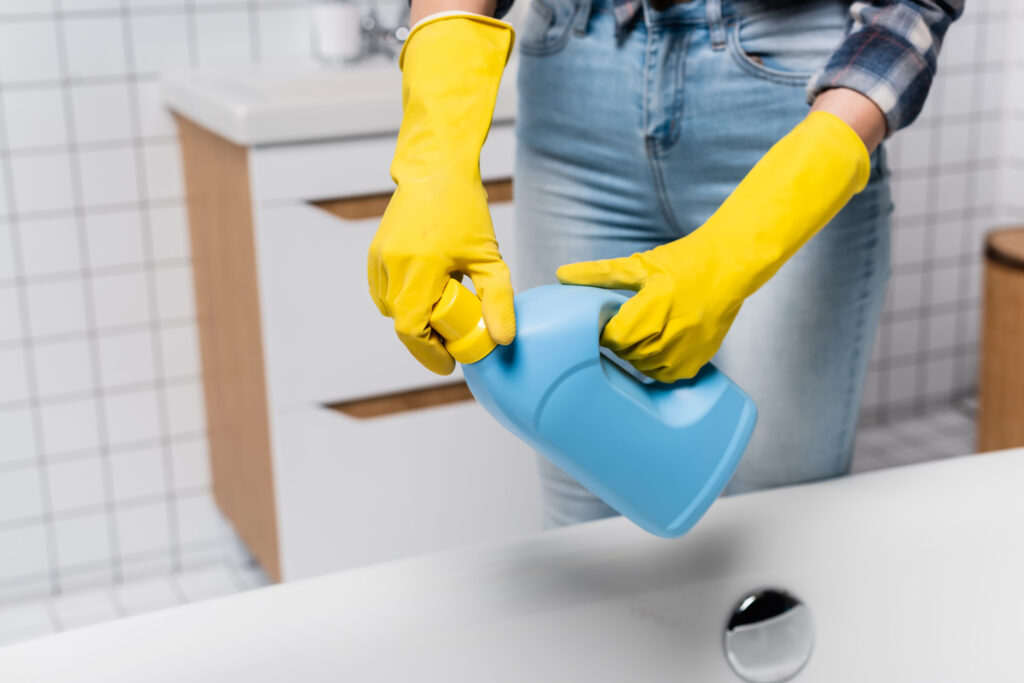
Chemical drain cleaners might promise a quick fix, but they can do more harm than good. These products often contain corrosive substances that can damage your pipes over time. They can also cause dangerous reactions when mixed with other chemicals in the plumbing system.
If you’re dealing with a stubborn clog, it’s safer to call a professional than to rely on harmful chemicals.