For centuries, food has played a vital role not only in sustaining life but also in shaping cultures, beliefs, and traditions. Long before we turned to scientific explanations, many foods were revered for their supposed mystical properties. Ancient civilizations imbued common ingredients with supernatural powers, believing they could heal ailments, ward off evil spirits, and even influence fate. Today, these foods may seem ordinary, but their rich histories as symbols of life, death, and magic are anything but.
Amaranth

Amaranth, an ancient grain known for its high nutritional value, was once much more than a simple food source for the Aztecs. Over 500 years ago, this grain was considered a sacred offering, used in both religious ceremonies and everyday life. The Aztecs believed amaranth held spiritual significance and used it to create ritualistic statues of gods, which were consumed during the ceremony. It was also believed to possess the power to ward off evil spirits. However, when the Spanish arrived in 1519, the cultivation of amaranth was outlawed as part of an effort to suppress indigenous religions and impose Christianity, forever changing its role in Aztec culture.
Poppy Seeds
Poppy seeds, now popular in baked goods, have a mystical history stretching back to ancient Greece. The poppy was associated with Hypnos, the god of sleep, and it was believed to aid in both prophetic dreams and emotional healing. However, the poppy also carried darker associations with death, as it was linked to Hades, the god of the underworld. During the Middle Ages, young women used poppy cakes to divine the arrival of their true love, and poppy seeds were believed to affect fertility in contradictory ways; some thought they could induce infertility, while others believed they promoted fertility.
Artichokes
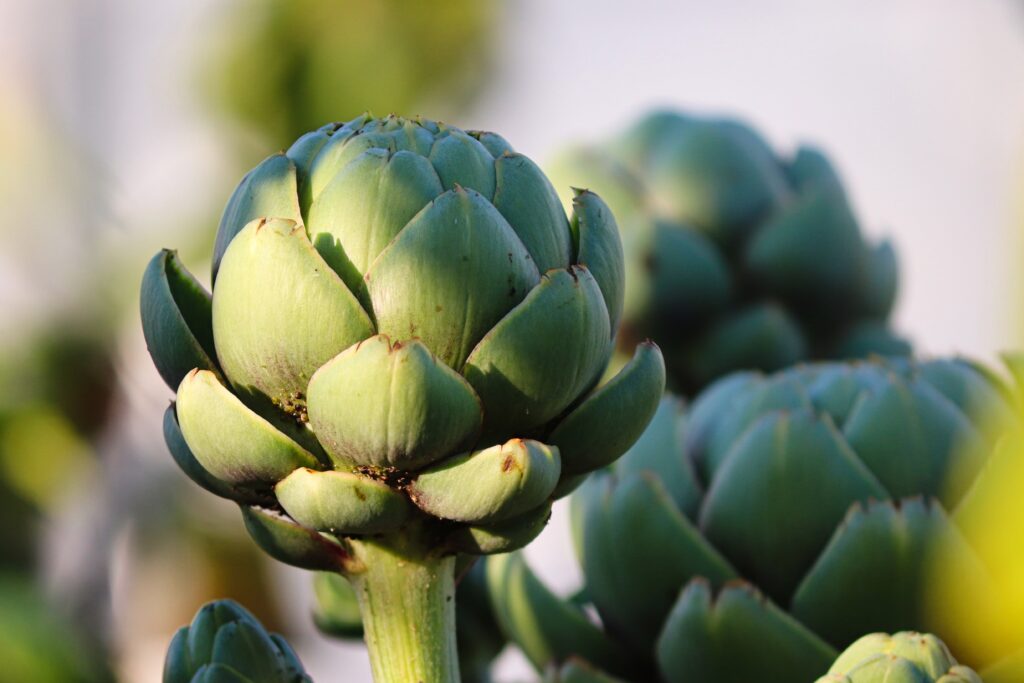
Artichokes have long been considered a food of both pleasure and power. Greek mythology traces its origins to Cynara, a mortal woman turned into an artichoke by Zeus after she defied him. The ancient Romans believed that consuming artichokes could cure baldness, improve fertility, and even enhance sexual desire. Artichokes were so highly regarded that during the reign of Catherine de Medici, women in France were prohibited from eating them, out of fear of their powerful aphrodisiac qualities. The French queen, however, consumed large quantities of artichokes, further cementing their association with sensuality.
Dill
Dill, a common herb found in many gardens, was once thought to wield considerable power. In Europe, it was believed to bring love and happiness, and sprigs of dill were often worn by brides on their wedding day to bring blessings to their marriage. But dill had a darker side in ancient folklore. European monks believed it could cause infertility and was also used to ward off malevolent spirits. In witchcraft, dill had dual roles: while some believed it could protect against evil spells, others thought witches used it in their potions to cast enchantments.
Chives
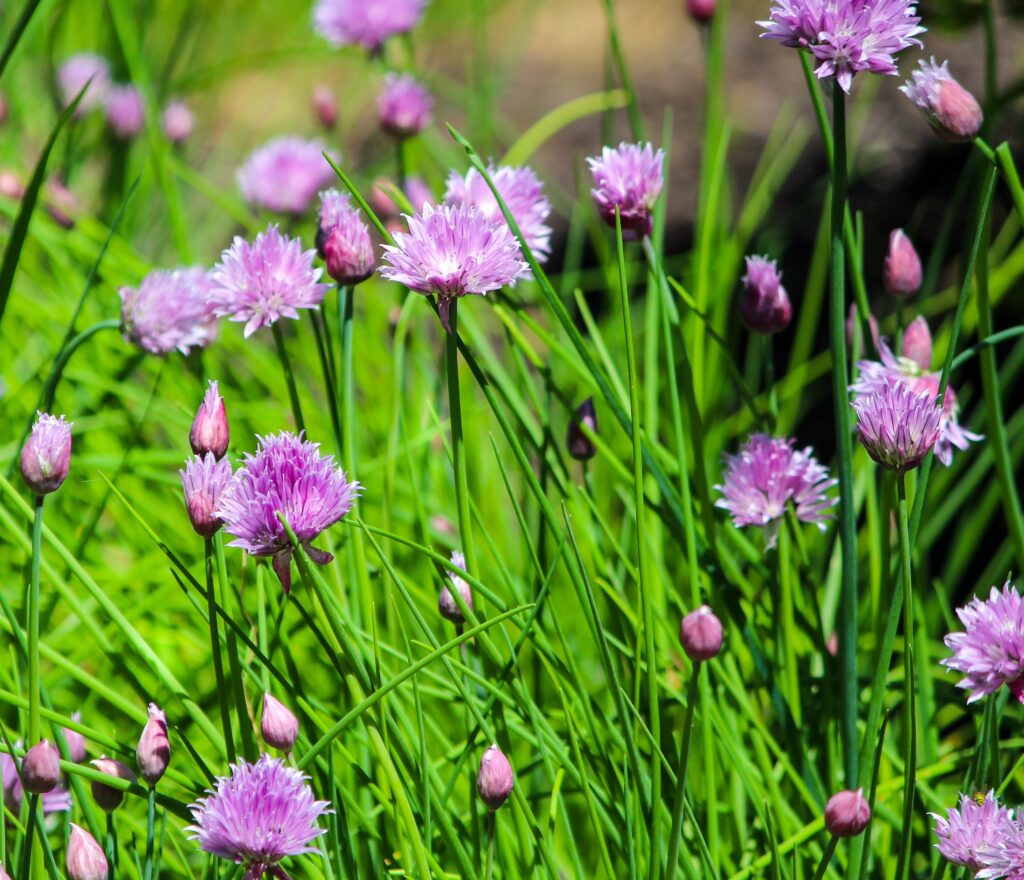
Chives, a humble herb that is common in modern kitchens, were once thought to possess magical properties. In the 13th century, Marco Polo introduced chives to Europe from China, and the British soon believed that hanging them above doorways could protect homes from evil spirits. The ancient Romans also saw chives as a powerful herb, using it to improve strength and to cure ailments such as sore throats and sunburn. Chives were consumed by athletes and workers to enhance physical stamina, and they were even believed to protect against witches and other malevolent forces.
Cucumbers
While cucumbers are now a popular vegetable known for their refreshing qualities, their roots trace back to ancient India, where they were cultivated over 3,000 years ago. The Roman Empire believed cucumbers had powers beyond their cooling properties. According to Pliny the Elder, cucumbers were used to promote fertility, with women wearing them around their waists as fertility charms. Additionally, cucumbers were thought to possess mystical abilities, such as curing bad eyesight, warding off mice, and soothing the bites of venomous creatures.
Onions
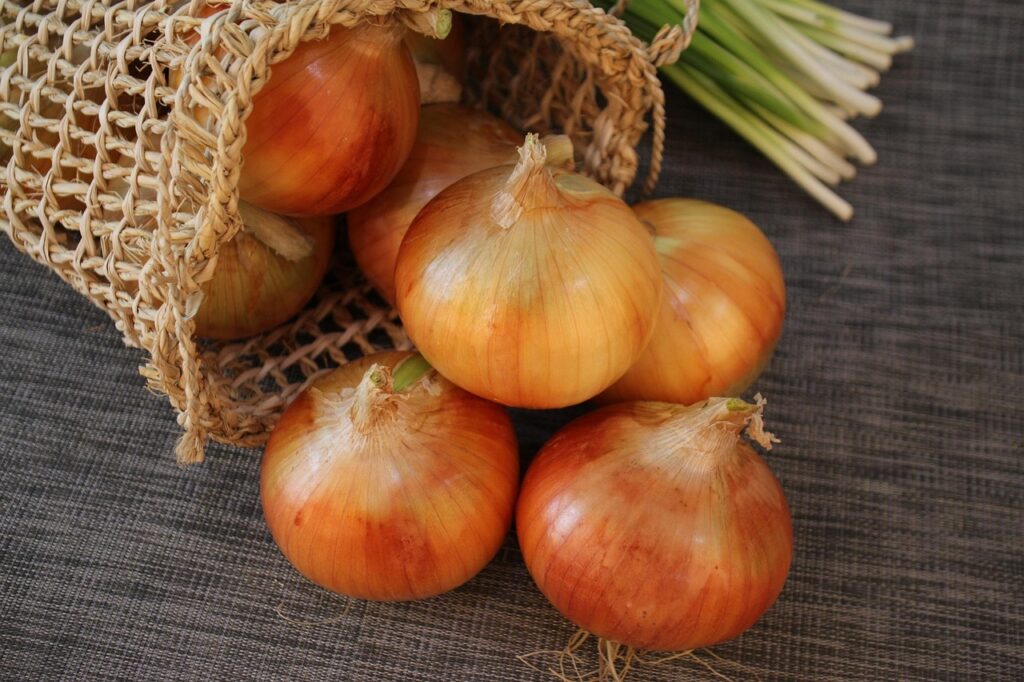
Onions, though commonplace in today’s cuisine, were once seen as an object of reverence and spiritual significance. Ancient Egyptians believed that onions symbolized eternity because of their concentric layers, and they were often included in burial rituals. The Egyptians believed that onions could protect the deceased in the afterlife, leading to their inclusion in tombs and in the mummification process. These revered bulbs were believed to have the power to bring life back to the dead, making them central to Egyptian religious beliefs.
Apples
The apple has long been a symbol of health, love, and even immortality. While modern cultures associate the apple with keeping the doctor away, its roots go much deeper. In Irish folklore, apples were believed to keep heroes young and strong. Ancient Chinese cultures offered apples as symbols of peace and goodwill, while in the Balkans, an apple given by a man to a woman was a token of engagement. The apple also represents love and fertility, as seen in historical marriage customs across Europe, where offering an apple symbolized affection and commitment.
Corn
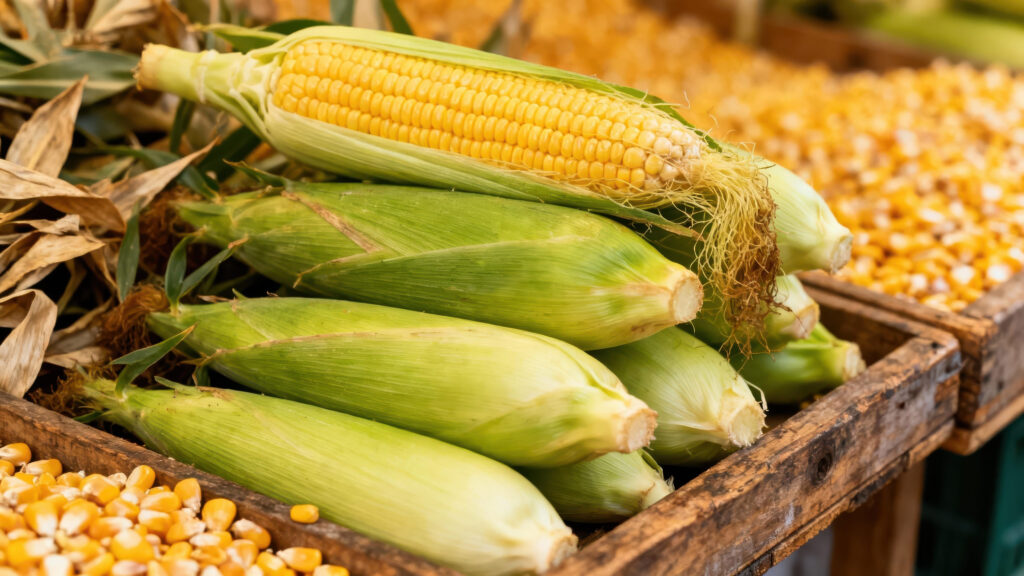
In Aztec culture, corn was more than just a food; it was a divine gift. Maize, or corn, was believed to embody the life cycle of birth, regeneration, and death. The Aztecs had multiple deities dedicated to maize, and these gods were celebrated with elaborate festivals that included sacrificial offerings to ensure a plentiful harvest. One of these deities, Xilonen, represented the early summer crops and was honored through ceremonies featuring food, music, and ritual dances. The Aztecs believed that their worship ensured the continuity of life and the abundance of the crop.
Figs
Figs, mentioned in the Bible and ancient scriptures, were considered a sacred fruit with strong spiritual connotations. In Africa, women believed that fig tree sap increased fertility, and in some cultures, figs were thought to carry the spirits of ancestors. However, in other parts of the world, figs were feared. In Papua New Guinea, people believed that fig trees were haunted by evil spirits, and walking beneath one was said to bring misfortune. Despite these superstitions, the fig’s spiritual significance has endured across centuries, symbolizing prosperity and life.
Conclusion
These 10 everyday foods, once believed to possess supernatural powers, have deep cultural and spiritual histories. From healing properties to fertility rituals, these foods were far more than sustenance; they were tied to beliefs about life, death, and the divine. Today, while we may view these foods as ordinary ingredients in our kitchens, their rich histories remind us of the powerful role food has played in shaping human culture and tradition across millennia.