A longer life isn’t just about doctor visits or perfect diets. It’s about choosing the right hobbies that keep you physically active, mentally sharp, and socially engaged. Experts agree that hobbies can be a major factor in healthy aging. They boost everything from memory and mood to mobility and independence, giving you the tools to live longer and better. While every hobby offers something unique, some stand out for their holistic benefits, combining physical movement, brain engagement, and stress relief. Here are nine hobbies that truly promote healthy aging.
Tennis

Tennis offers a dynamic blend of movement, mental focus, and social interaction, all of which are key to aging well. The sport requires quick reflexes, strategic thinking, and constant physical movement, all of which help to keep both the body and brain in top form. By staying active and engaged, you not only support your heart and muscles but also enhance your cognitive health, contributing to a longer, healthier life. Plus, playing doubles with friends or family fosters social connections, which are vital for emotional well-being.
Jigsaw Puzzles
Jigsaw puzzles are a fantastic way to improve focus, attention to detail, and visual-spatial reasoning. As you fit pieces together, you’re strengthening your brain’s ability to problem-solve and visualize patterns. In addition to its cognitive benefits, working on puzzles can be deeply relaxing, offering a quiet space to unwind and clear your mind. Completing a puzzle gives you a sense of achievement and can even encourage social interaction when you share it with others.
Dancing

Dancing is an exceptional full-body workout that works both the brain and body. From improving balance and coordination to strengthening the heart and bones, dancing has it all. Beyond the physical benefits, dancing also promotes emotional well-being, helping to alleviate stress and boost mood. When done regularly, it’s a fun and effective way to stay engaged and active, adding joy and excitement to life while helping you remain physically and mentally fit.
Tai Chi
Tai Chi’s slow, flowing movements are deceptively challenging. This ancient martial art is designed to improve balance, strength, and flexibility while also promoting relaxation. The low-impact nature of Tai Chi makes it ideal for people of all ages, especially older adults, as it reduces the risk of falls and supports healthy joints. Additionally, its meditative quality encourages mindfulness, reducing stress and enhancing emotional health.
Knitting
ua_bob_dmyt_ua-/Pixabay
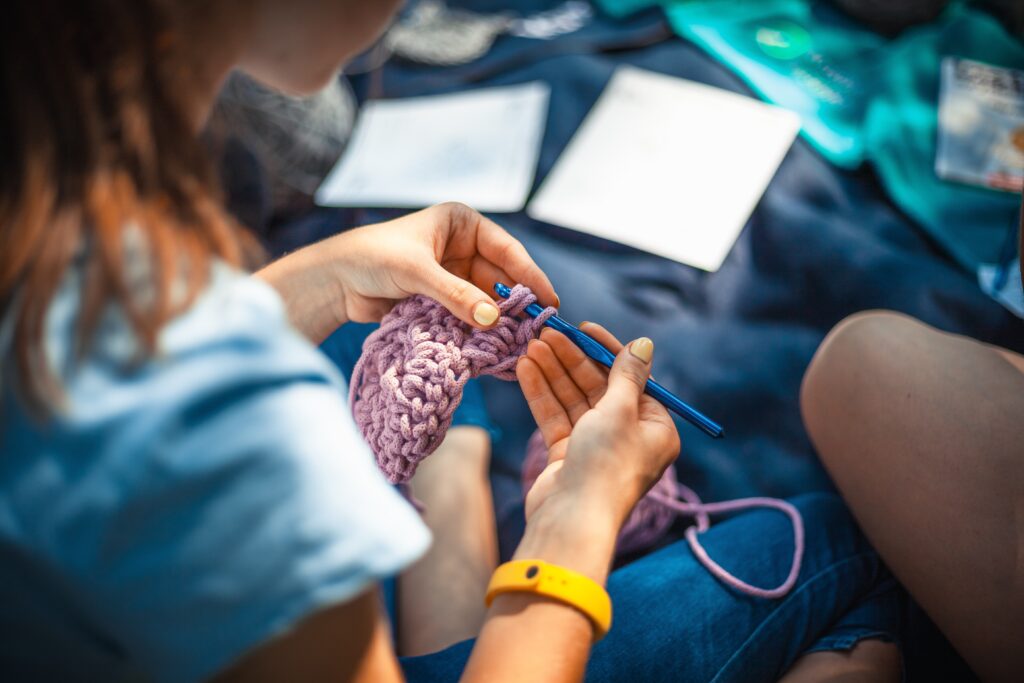
Knitting isn’t just for making scarves; it’s an excellent hobby for your mental health. The repetitive motion of knitting can have a calming effect, reducing stress and fostering mindfulness. Moreover, it engages both the hands and the brain, requiring concentration and planning, which helps improve cognitive function. When done in groups, knitting also offers a social aspect that enhances its benefits, providing a space for connection and shared experiences.
Learning Another Language
Learning a new language is one of the best ways to challenge your brain and maintain mental acuity. It stimulates memory, attention, and problem-solving skills, all of which are critical for healthy aging. Additionally, language learning opens doors to new cultures, travel opportunities, and social interactions, further enhancing your quality of life. Whether you’re taking a formal class or using a language app, this hobby can offer long-term cognitive benefits, keeping your brain active and engaged.
Ceramics
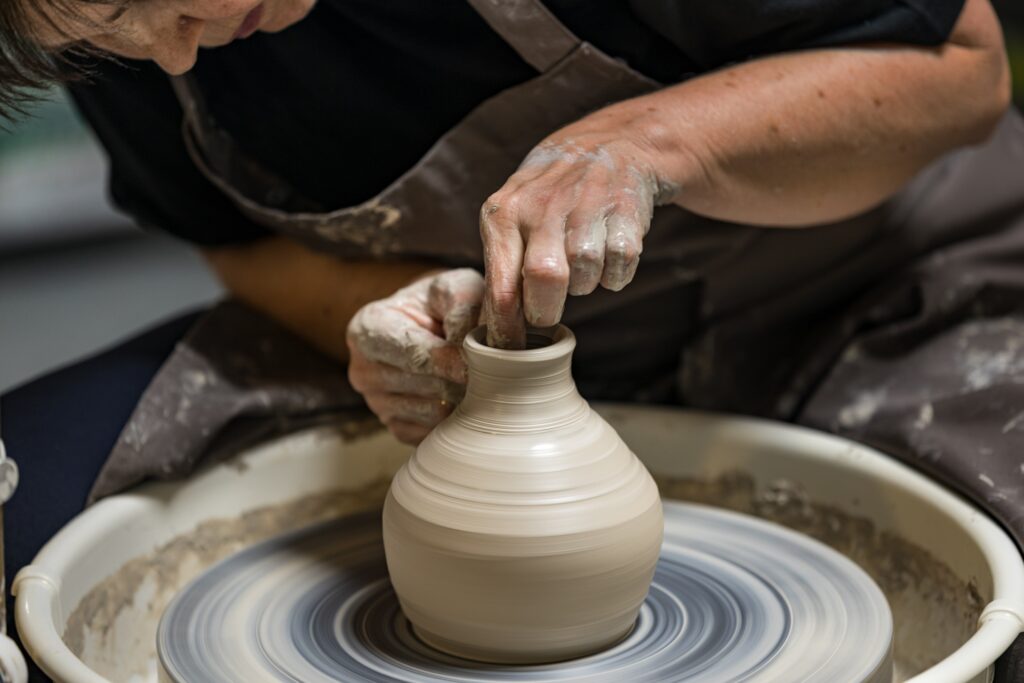
Working with clay can be incredibly therapeutic. The tactile nature of ceramics engages your senses, while the process of molding and shaping promotes focus, patience, and creativity. It also allows for full-body involvement, improving fine motor skills and hand-eye coordination. Beyond the physical and cognitive benefits, ceramics offers a great way to relax and express yourself, whether alone or in a group setting.
Gardening
Gardening is more than just a relaxing pastime; it’s a full-body workout. Digging, planting, and maintaining your garden provide great opportunities for physical activity, promoting strength, flexibility, and cardiovascular health. Additionally, spending time outdoors in the sun boosts vitamin D levels, which is crucial for bone health. Gardening also supports mental well-being, reducing stress and improving mood, as it encourages a sense of accomplishment and connection with nature.
Conclusion
The key to aging well with hobbies isn’t about choosing the “best” activity on paper; it’s about sticking with something that brings you joy and fits seamlessly into your routine. Consistency is what makes a hobby truly effective. Whether it’s moving your body, challenging your brain, or connecting with others, the best hobby is the one you’ll keep coming back to. So, find something you love, and make it a regular part of your life. The benefits for your health and happiness will last for years.