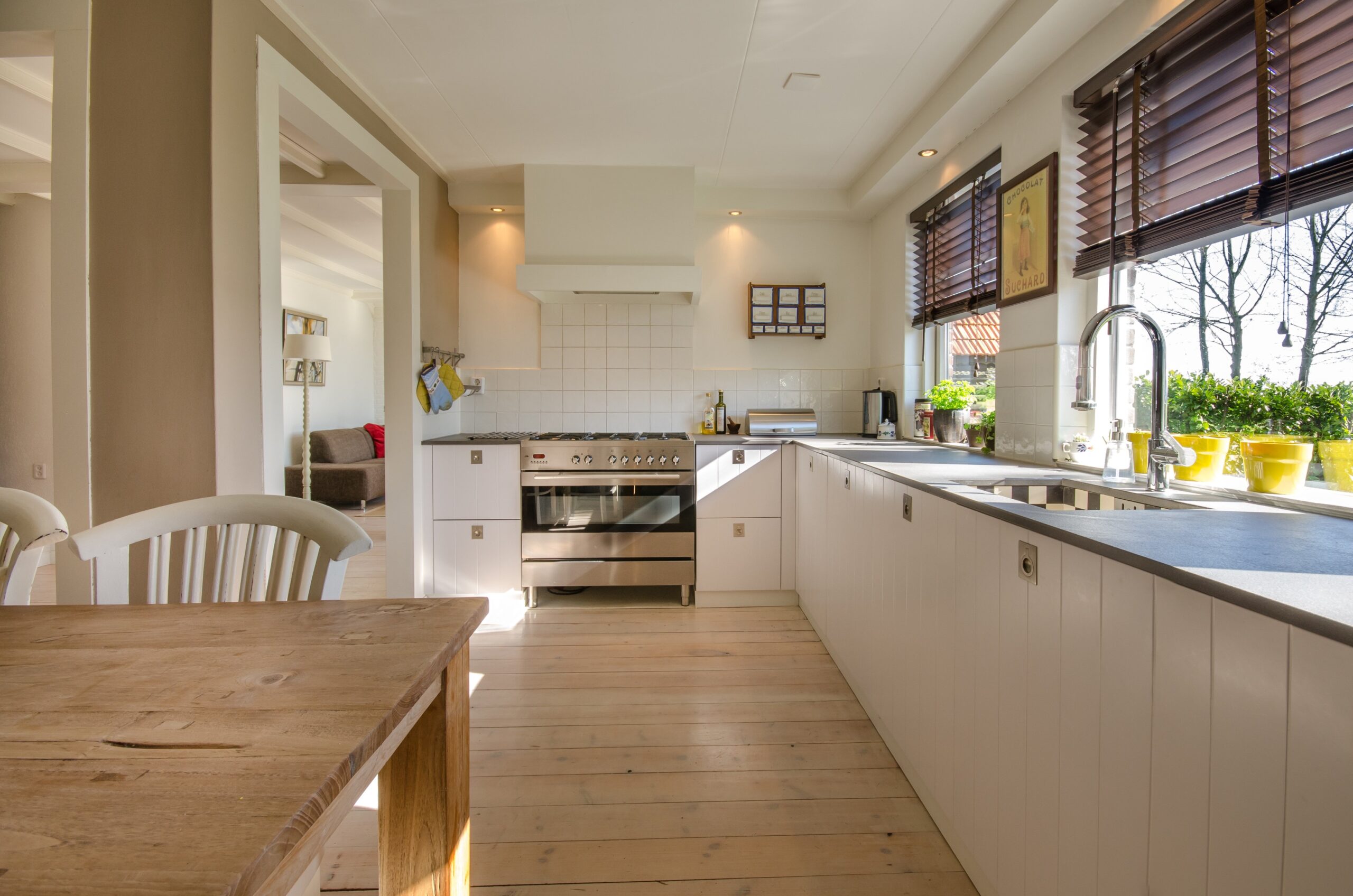
The living room is no longer just the place where people sit when guests come over. It has become the room where life happens, where you rest, scroll, host, snack, work, and try to feel like yourself again after a long day. The article you shared points to six major directions shaping living room furniture right now: sculptural curves and smart comfort; sustainable craftsmanship; richer texture; subtle tech; and beautifully imperfect handmade pieces.
Furniture is getting smarter, but quietly.
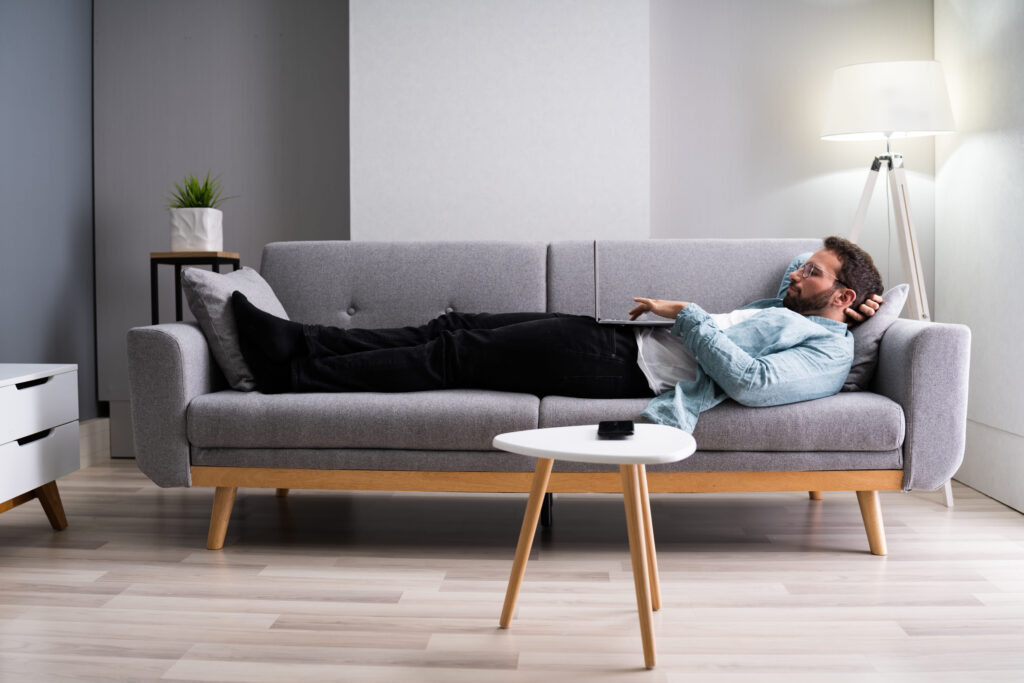
There was a time when smart furniture sounded like a gimmick people would show off once and then ignore forever. That is changing. The linked piece describes a new wave of comfort-focused furniture that can adapt to posture, better support the body, and blend technology into daily life without turning the living room into a showroom for gadgets.
What makes this trend feel fresh is its restraint. People do not want a couch that looks like a robot. They want one that reclines smoothly, supports the back properly, maybe remembers a favorite position, and keeps the room looking elegant. The best smart furniture does not scream for attention. It disappears into the experience, making the room feel easier to enjoy.
Sculptural curves are taking over.
Sharp corners have been around a long time, but they are starting to feel cold, stiff, and a little too eager to impress. Sofas with rounded backs, crescent-shaped chairs, soft-edged coffee tables, and curved sectionals are bringing a gentler energy into the room. They make a space feel less rigid and far more inviting, which matters in a home that is supposed to calm you down, not make you sit up straight like you are waiting in a lobby. The source article frames this shift as the move toward soft geometry, and that phrase fits because these shapes do not just look modern; they feel emotionally easier to live with.
This trend works because curves soften everything around them. A rounded sofa can make even a plain room feel thoughtful. A circular ottoman can break up the boxiness of walls, shelves, and screens. The result is a living room that feels designed without looking overdesigned, which is exactly the sweet spot most people are chasing.
Sustainable craftsmanship is no longer optional.
Fast furniture had its moment, and many people are tired of paying for it twice. Cheap pieces that wobble, peel, crack, or fall apart after one move no longer feel like bargains. The article you shared highlights the rise of slow furniture, with greater attention to reclaimed wood, natural materials, visible craftsmanship, and pieces made to age with character rather than collapse under pressure.
That shift says a lot about what people want from home now. They are not just buying furniture to fill empty corners. They are choosing pieces that feel grounded, honest, and lasting. A coffee table with real grain, a sideboard with hand-finished details, or a chair that looks like someone actually cared while making it can change the mood of the whole room. It gives the space weight, and that weight reads as quality.
Texture is doing the heavy lifting.
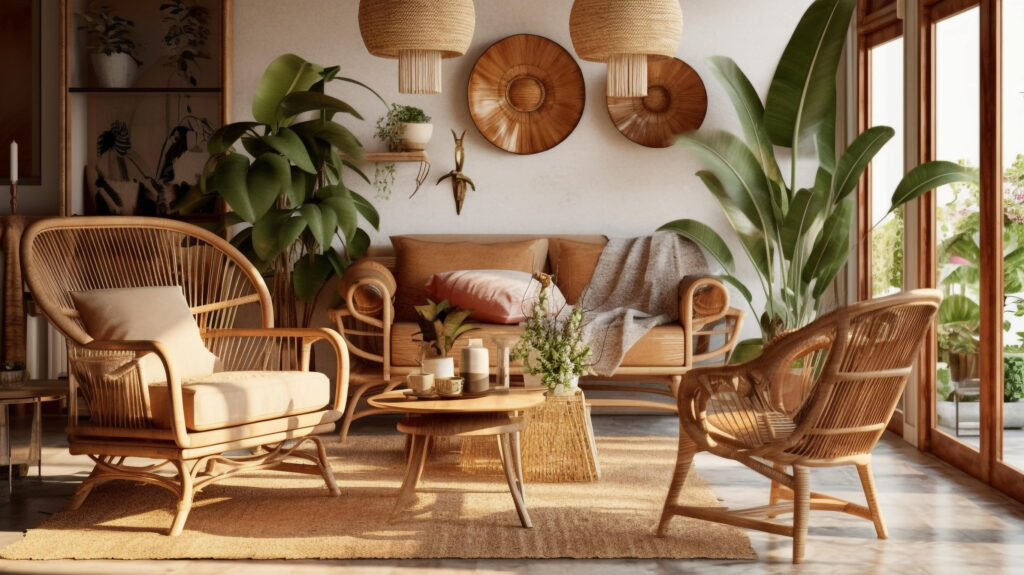
Color still matters, but texture is becoming the real star. The source article calls this comfort maximalism, and it captures the idea well. The look is built through layers, bouclé against leather, velvet near linen, matte wood beside woven cane, brushed metal next to soft upholstery.
This is the kind of trend that makes a room feel expensive, even when not every item is. Texture gives the eye somewhere to land and the body something to enjoy. It keeps a neutral room from looking flat and stops a simple palette from feeling boring. Instead of chasing louder paint colors or overly dramatic statement pieces, people are building warmth through surfaces, creating an effect that is far more sophisticated.
Technology is blending into luxury instead of fighting it.
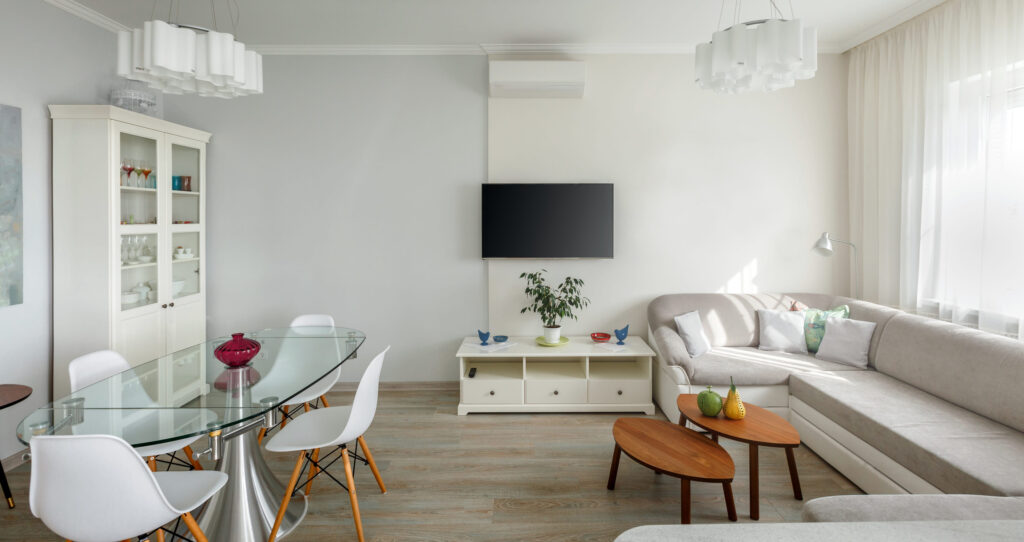
The old version of tech in the living room was not subtle. It was a nest of cords, blinking lights, black boxes, and devices that made the room feel less like a home and more like a control center. The article points to a more polished direction, integrating technology into furniture and decor that supports convenience without ruining the atmosphere.
That means tables with built-in charging, lighting that adapts more naturally, storage that hides visual clutter, and furniture that works with modern routines instead of getting in the way. This matters because people still want convenience, but they are tired of living in rooms that feel visually noisy. The new luxury is not showing off technology. It is making it disappear.
Imperfection is becoming the new status symbol.
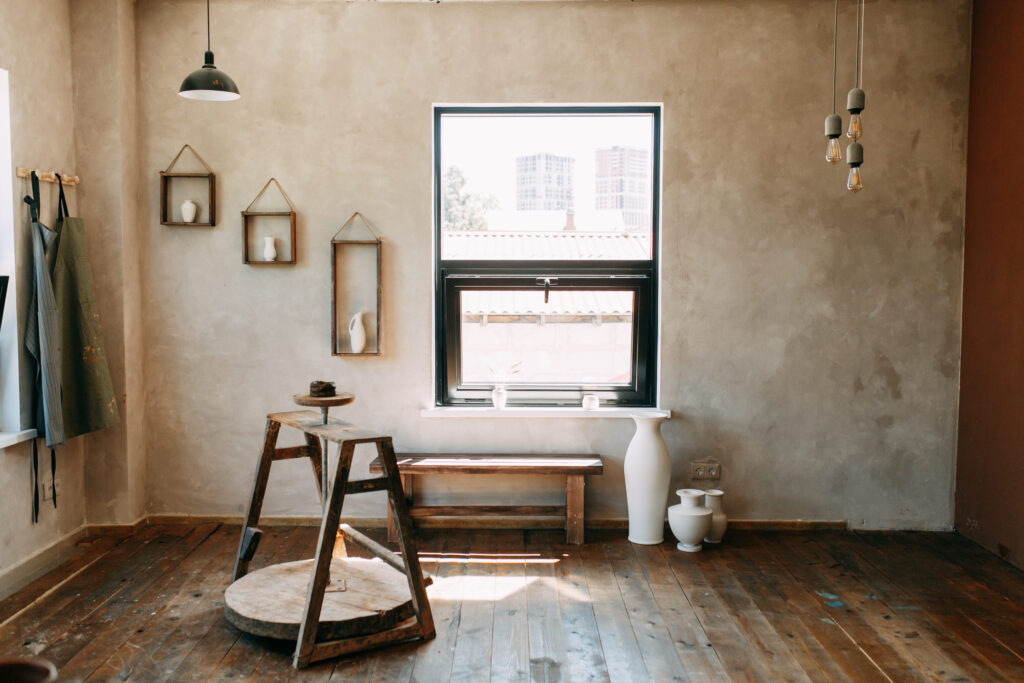
Perfect furniture can look strangely lifeless. When every edge is identical, and every finish is too polished, the room can start to feel more staged than lived in. The final trend in the source article is artisanal imperfection, which embraces visible seams, uneven finishes, handcrafted shapes, reclaimed materials, and the quiet beauty of pieces that do not look mass-produced.
This trend feels powerful because it pushes back against the pressure to make every room look like a copy of the same online mood board. A side table with a rough ceramic finish, or a bench that shows the marks of real wood grain, brings personality to the space. These pieces feel collected rather than ordered into one tired batch. They tell the truth, and that honesty is what makes them beautiful.