Food scandals are not just about bad taste, cheap substitutions, or corner-cutting. Some of the worst cases in modern history crossed into outright deception, toxic contamination, and reckless profit-chasing that put ordinary people in hospitals, destroyed public trust, and rewrote food-safety law.
When we look closely at the ugliest episodes, a pattern appears. Somebody wanted a product to look richer, sweeter, leaner, fresher, or more expensive than it really was, and the quickest route was often the filthiest one.
That is what makes these cases linger. They were not accidents in the ordinary sense. In many of them, someone knew the product was not what the label promised, knew the shortcut carried risk, and pushed it into the market anyway. The result was a gallery of contamination scandals that still shape how we think about food and drink today.
Horse Meat Sold as Beef
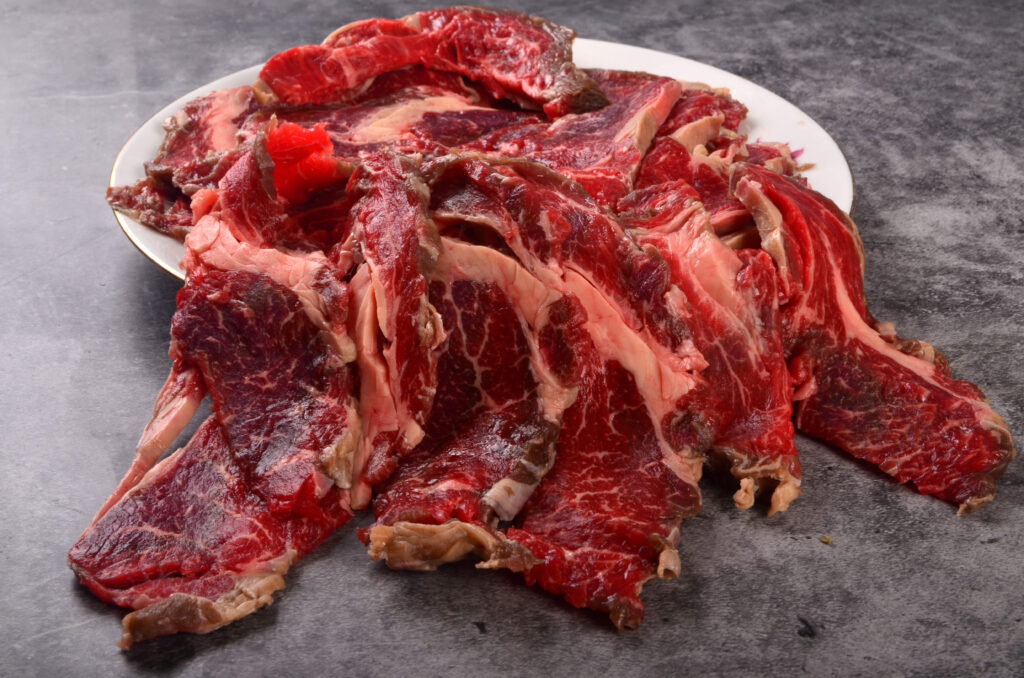
There is nothing inherently unsafe about horse meat as a food in places where it is properly declared and regulated. The disgust came from the fraud. In the 2013 European horse meat scandal, official controls found that some pre-packed products sold as beef actually contained undeclared horse meat, exposing a breakdown in traceability across the supply chain.
Irish testing was especially explosive because it found equine DNA in a range of beef burger products, turning what should have been a simple label into a symbol of how easily industrial food chains can be manipulated.
What made the scandal especially damaging was not only the substitution itself, but the deeper question it raised. If a supply chain could quietly swap one animal for another, what else could slip through under the wrong name?
The outrage lasted because the deception touched religion, consumer choice, and trust simultaneously. A food system that can no longer tell us what species is in the box has already crossed into something far uglier than sloppy paperwork.
Wine Sweetened With Diethylene Glycol
The Austrian wine scandal of 1985 remains one of the most notorious examples of drink fraud becoming chemically grotesque. Investigations found that some wines had been adulterated with diethylene glycol, a toxic industrial chemical, to make thin wines taste sweeter and fuller-bodied.
European legal records from the period confirm that Austrian wine adulterated with diethylene glycol was found on the West German market, and medical literature from the same year documented health concerns associated with contaminated wine.
What makes this case so disturbing is its cold logic. The substance was not added because someone made a messy farm mistake. It was used because it helped weak wine imitate a more desirable product. That takes the scandal beyond contamination and into calculated fakery. The fallout was enormous, with market confidence collapsing and Austrian wine laws tightening afterward, underscoring how badly a poisoned shortcut can stain an entire national industry.
Jamaica Ginger Spiked With a Neurotoxin
During Prohibition, many Americans drank Jamaica ginger, or “Jake,” because it was sold as a medicinal product but contained high levels of alcohol. That loophole turned catastrophic when adulterated batches were made with triorthocresyl phosphate, a neurotoxic compound. Medical literature and later reviews describe how thousands of Americans were poisoned in 1930, leaving many with the permanent paralysis known as “Jake leg.”
This scandal deserves a place on any list of disgusting tampering because it shows how a product can be made more marketable by swapping in something easier, cheaper, and deadlier. The compound was attractive to unscrupulous manufacturers because it helped the liquid pass inspection and stay palatable. In plain terms, people were drinking a product that looked legitimate enough to sell and toxic enough to cripple them for life. That is not shady manufacturing. That is human wreckage bottled for profit.
Elixir Sulfanilamide Mixed With Diethylene Glycol
The 1937 Elixir Sulfanilamide disaster was technically a drug tragedy, but it belongs in this conversation because it followed the same revolting formula we see in food scandals.
A popular medicine was reformulated into a raspberry-flavored liquid using diethylene glycol as the solvent, then shipped across the United States without safety testing. The FDA states that more than 100 people died after taking it, and the disaster directly helped drive passage of the 1938 Food, Drug, and Cosmetic Act.
The detail that still shocks is how ordinary the product looked. It was sweetened, flavored, and presented like something designed to comfort sick people. Instead, it delivered kidney failure and death. The larger lesson is brutal. A pleasant taste and a professional label can hide catastrophic chemistry. Once a market rewards appearance over proof of safety, the line between medicine, drink, and poison can disappear faster than consumers realize.
Gutter Oil Recycled From Waste
“Gutter oil” sounds like an insult until you discover it is a real food safety problem. Academic and policy analyses describe it as illegally recycled waste oil, sometimes recovered from restaurant grease traps, sewers, or food waste streams, and then reprocessed for reuse as cooking oil.
Chinese authorities and researchers have spent years treating it as a serious public health issue because it turns refuse into something that can re-enter the food chain and appear ordinary to the eye.
Few cases better capture the stomach-turning side of food fraud. This is not mislabeling in the abstract. It is the conversion of decomposed waste and foul residue into a kitchen ingredient. The disgust is physical, but the deeper problem is structural.
When recycled filth can be filtered, recolored, and resold as cooking oil, consumers are forced to rely on systems they cannot personally inspect. That is why gutter oil became such a powerful symbol of what happens when oversight loses the race against greed.
Infant Formula Contaminated With Melamine
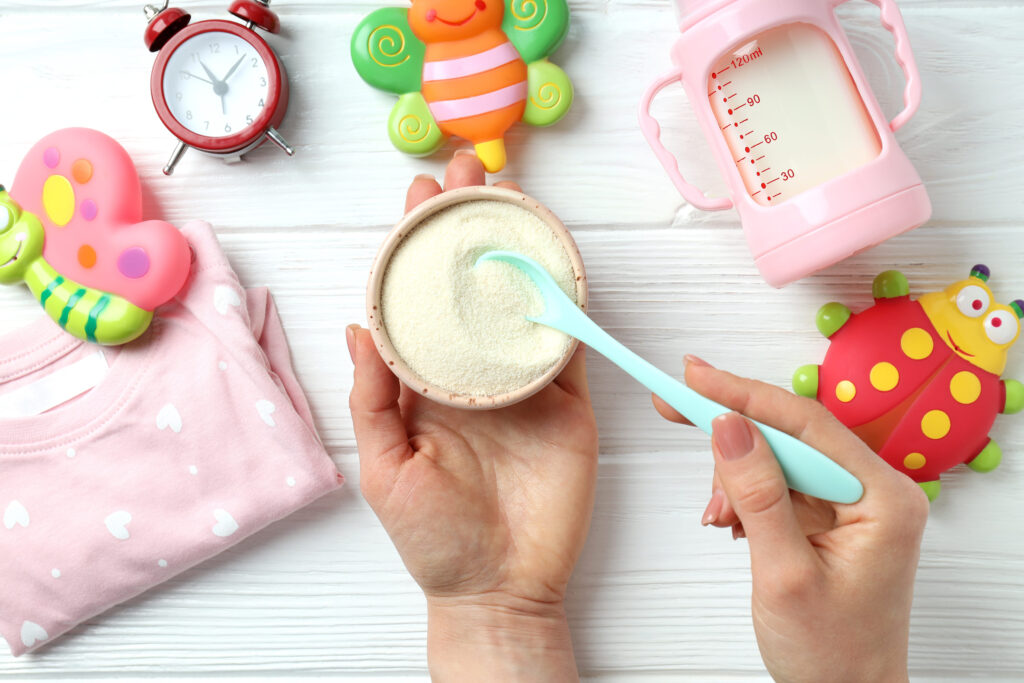
Some scandals are revolting because they target the most vulnerable people imaginable. The 2008 melamine crisis in China was one of them. The World Health Organization reported that more than 54,000 infants and young children sought medical treatment in connection with melamine-contaminated dairy products by late September 2008, with confirmed infant deaths and thousands of hospitalizations. FAO reporting later cited even broader treatment and hospitalization totals as the crisis unfolded.
Melamine was associated with a particularly cynical form of adulteration because it could make watered-down milk appear higher in protein during testing. That is what makes the case feel so foul. The contamination was not merely dirty. It exploited a measurement system.
Babies ended up drinking a product engineered to look nutritionally sound on paper, while being dangerous in the body. When fraud reaches infant formula, it strips away any remaining illusion that these scandals are victimless or technical.
Industrial Sudan Dye Mixed Into Chili Products
Sudan I is an industrial dye, not a legitimate food ingredient. European Commission materials state that Sudan dyes are carcinogenic and should not be used in food. In the United Kingdom, the 2005 contamination scare grew into the country’s largest food recall after Sudan I-contaminated chili powder was used in Worcester sauce, which then spread to hundreds of processed foods.
This is one of the clearest examples of how one dirty input can infect an enormous web of everyday products. A single tainted ingredient moved quietly through sauces, ready meals, and packaged foods before the scale became visible. The disgust here lies in the dye’s purpose. It was there to make food look more vivid and saleable. A product was made visually persuasive by borrowing a substance better suited to industrial use than dinner. That is a perfect summary of food fraud at its most shameless.
Mustard Oil Adulterated with Argemone Oil
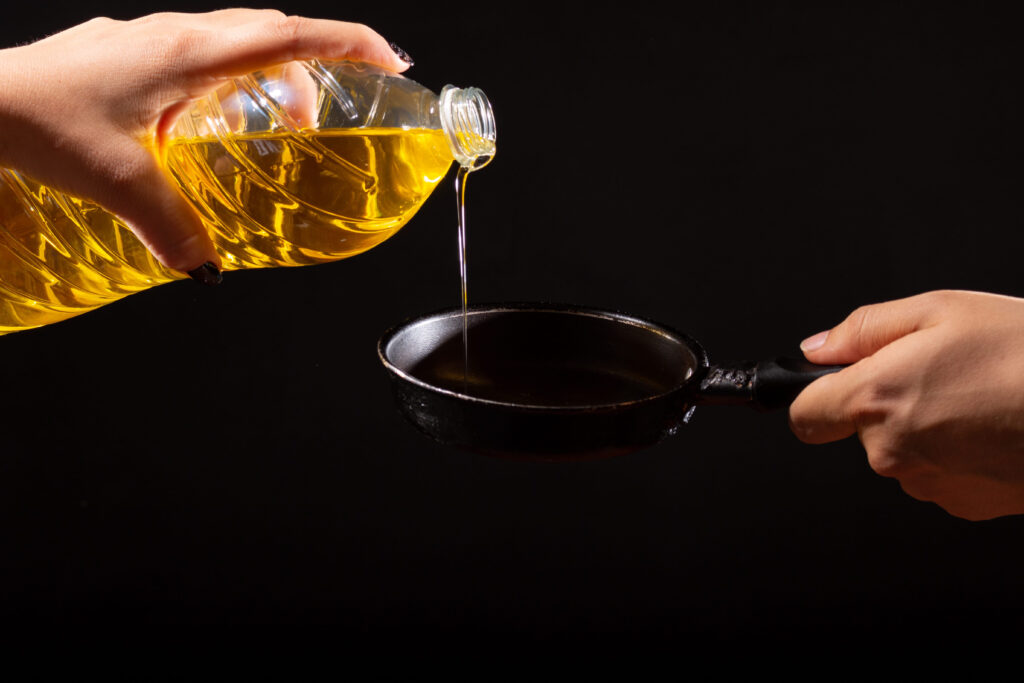
Epidemic dropsy is a severe poisoning syndrome linked to edible oils adulterated with Argemone mexicana oil. Medical literature describes it as a non-infectious toxic condition that occurs when poisonous argemone oil contaminates the food supply, often through the use of mustard oil. Outbreak reports and reviews from India show just how dangerous this fraud can become when a basic household ingredient is quietly compromised.
There is a special kind of horror in poisoning people through the oil they use for ordinary daily cooking. No bizarre imported delicacy is required. No rare bottle is involved. Families can be harmed by the same pantry staple they use every week. That is why argemone adulteration remains such a grim case study. It weaponizes familiarity. The product appears humble, routine, and harmless, while the contamination hides in plain sight until sickness reveals what the bottle never did.
Industrial Rapeseed Oil Reworked Into Edible Oil
Spain’s toxic oil syndrome remains one of the bleakest reminders that food tampering does not need theatrical ingredients to become lethal. Academic reviews link the 1981 epidemic to illegally marketed reprocessed rapeseed oil that had originally been denatured for industrial use. The syndrome sickened thousands and became one of Europe’s most consequential mass poisoning disasters.
What makes this case so appalling is how plain the fraud sounds at first. Oil is oil, until it is not. Once an industrial product is chemically reworked and marketed as edible, the category itself becomes meaningless. Consumers cannot see “denatured for industrial use” on the surface of a frying pan. They trust that someone upstream has done the sorting. In this case, that trust failed on a massive scale, and the result was a national trauma born of something as ordinary as cooking oil.
Bootleg Alcohol Fortified With Methanol
Methanol poisoning outbreaks are one of the ugliest recurring examples of drink adulteration in the world. The World Health Organization has warned that outbreaks occur when methanol is added to illicit or informally produced alcoholic drinks, and that case fatality rates in some outbreaks can exceed 30 percent. MSF similarly notes that methanol is illegally added to make drinks cheaper or stronger, even though it can cause blindness, organ failure, and death.
This is foul in every sense. A person thinks they are buying alcohol and instead buys a toxic industrial substance hidden inside it. There is no sophistication to admire and no culinary gray area to debate. It is simply the sale of danger under the cover of intoxication.
The fact that methanol outbreaks keep happening across regions shows how persistent the temptation is for illegal producers to increase apparent potency at the cost of human vision, human brains, and human lives.
Why These Food and Drink Scandals Keep Repeating
The ugliest contamination cases are not random. They usually begin with the same ugly incentives. A producer wants sweeter wine without better grapes, stronger liquor without proper distillation, richer dairy without real protein, brighter sauce without safe ingredients, or cheaper oil without any concern for where it came from. Once we understand that pattern, the scandals stop looking like isolated nightmares and become predictable outcomes of fraud meeting weak oversight.