When it comes to maintaining a healthy lifestyle, what you avoid can be just as important as what you consume. Many foods we enjoy daily may seem harmless, but they can pose hidden dangers that harm your body, increase your risk of chronic diseases, and drain your energy. Experts in nutrition and health agree that cutting certain foods from your diet is crucial for longevity and well-being. Below, we explore the top 10 foods you should never eat to maintain optimal health.
Soda
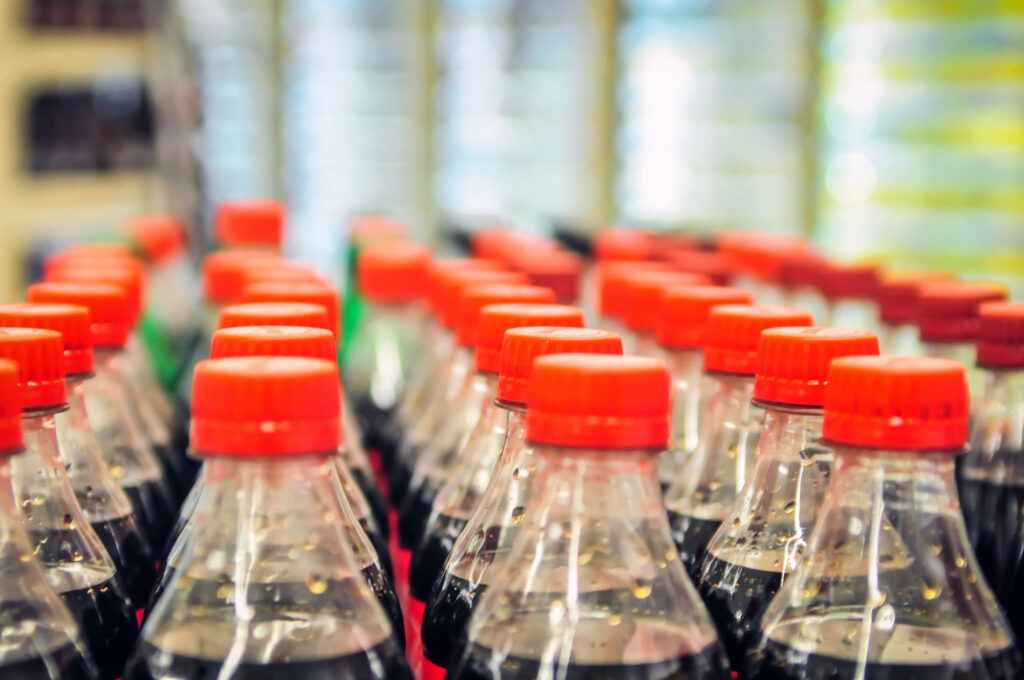
Soda is a major health risk that many people overlook. While it may quench your thirst temporarily, its high sugar content makes it one of the worst choices for overall health. Drinking soda regularly increases your risk of obesity, type 2 diabetes, heart disease, and tooth decay. In fact, a single can of soda can contain up to 39 grams of sugar, far exceeding the recommended daily limit for added sugars. If you frequently reach for that sugary drink, consider swapping it for water or unsweetened beverages. Your body will thank you in the long run.
Raw or Undercooked Meat

Raw or undercooked meat may look appetizing, but it harbors harmful bacteria such as Salmonella, E. coli, and Campylobacter. These bacteria can cause severe food poisoning, leading to symptoms like vomiting, diarrhea, and fever. Even sushi, often seen as a healthy choice, can be risky when made with undercooked fish. If you’re immunocompromised or undergoing cancer treatment, avoiding raw meats is essential for protecting your health. Always ensure meat is cooked thoroughly to kill any harmful bacteria.
Processed Breakfast Cereals
Many breakfast cereals marketed as “healthy” are often high in refined sugars and low in nutritional value. Even those that claim to be made with whole grains may still have a high glycemic index, which can cause spikes and crashes in blood sugar levels. This can lead to disordered metabolism, insulin resistance, and weight gain over time. (Li et al., 2023, pp. 4351-4370) Instead of reaching for sugary cereal, opt for oatmeal or other whole-grain options that provide steady energy throughout the morning without a sugar spike.
Processed Meats
Bacon, sausages, hot dogs, and deli meats may be convenient, but they come with a hefty health price. Numerous studies have linked processed meats to an increased risk of heart disease, hypertension, and cancer. These foods are often preserved with nitrates and chemicals, which are harmful to your body. The next time you’re planning a sandwich, consider lean proteins like turkey or chicken, or plant-based options.
Alcohol
While a glass of wine or a cocktail might seem harmless, alcohol is a major disruptor of your body’s metabolic processes. It serves as empty calories, offering no nutritional benefits while slowing fat burning. Over time, excessive alcohol consumption can lead to weight gain, liver damage, and an increased risk of cancer. In fact, even moderate drinking can shorten your life expectancy. Reducing alcohol intake not only supports better metabolism but also boosts your overall well-being.
Trans Fats

Trans fats are one of the most dangerous ingredients in processed foods. These artificial fats are produced by hydrogenating vegetable oils, turning them into solid fats. Trans fats increase your LDL (bad) cholesterol levels and lower your HDL (good) cholesterol, increasing your risk of cardiovascular disease. They’re commonly found in baked goods, microwave popcorn, and fried foods. To protect your heart, avoid foods containing partially hydrogenated oils and choose natural fats such as olive, avocado, and coconut oils.
Sports Drinks
Sports drinks are marketed as a way to replenish electrolytes after exercise, but many of them are packed with sugar. While they may offer some hydration benefits during intense workouts, the sugar content of these drinks often outweighs those benefits. Over time, excessive sugar intake can lead to fatty liver, insulin resistance, and weight gain. Instead of reaching for a sugary sports drink, hydrate with water or coconut water, which naturally provides electrolytes without the added sugar.
Artificial Sweeteners

Artificial sweeteners like aspartame, sucralose, and saccharin may seem like a healthier alternative to sugar, but they can cause more harm than good. These sweeteners may disrupt the gut microbiome, affecting digestion, metabolism, and insulin response. They can also trigger cravings for sweet foods, leading to overeating and weight gain. Although research is still ongoing, it’s best to limit or avoid artificial sweeteners and opt for natural alternatives like stevia or monk fruit.
Refined Vegetable Oils
Refined vegetable oils, commonly used in cooking and fast food, are highly processed and often contain unhealthy levels of omega-6 fatty acids. While omega-6 is essential in small amounts, excessive intake can promote inflammation, which is linked to chronic diseases such as heart disease, cancer, and arthritis. Repeatedly heating these oils during frying also leads to the formation of toxic compounds. For a healthier cooking option, choose oils like olive oil, avocado oil, or ghee, which offer better nutritional profiles.
Fruit Juice
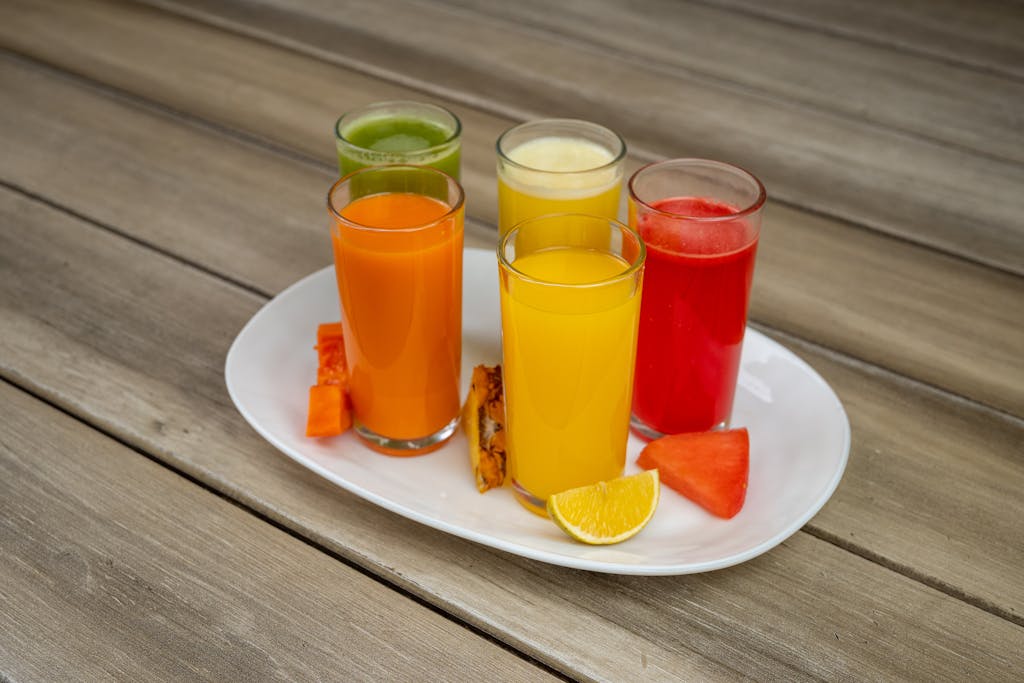
While fruit juice might seem like a healthy option, it’s often loaded with sugar and devoid of the fiber found in whole fruits. The juicing process removes most of the beneficial fiber, turning fruit into a sugary liquid that spikes blood sugar levels. Even 100% fruit juice can have the same metabolic effects as soda, making it a poor choice for anyone trying to maintain healthy blood sugar levels. Instead, choose whole fruits or make a smoothie that retains the beneficial fiber and nutrients.