Relationships can sometimes feel like a rollercoaster ,full of ups and downs, but also plenty of moments that should make us question what’s happening around us. Whether it’s a gut feeling or subtle signs, there are often red flags in relationships that we choose to ignore. Looking back, those warning signs seem obvious, but at the time, we may have brushed them off, making it harder to see what was really going on. In this article, we dive into a few stories shared on social media about the red flags people wish they’d noticed earlier.
While hindsight is always 20/20, it’s a painful reminder that we must pay more attention to the signs early on. Let’s explore some of the most common red flags people regret ignoring in their relationships and how they manifested in real life.
Disrespect for Personal Property
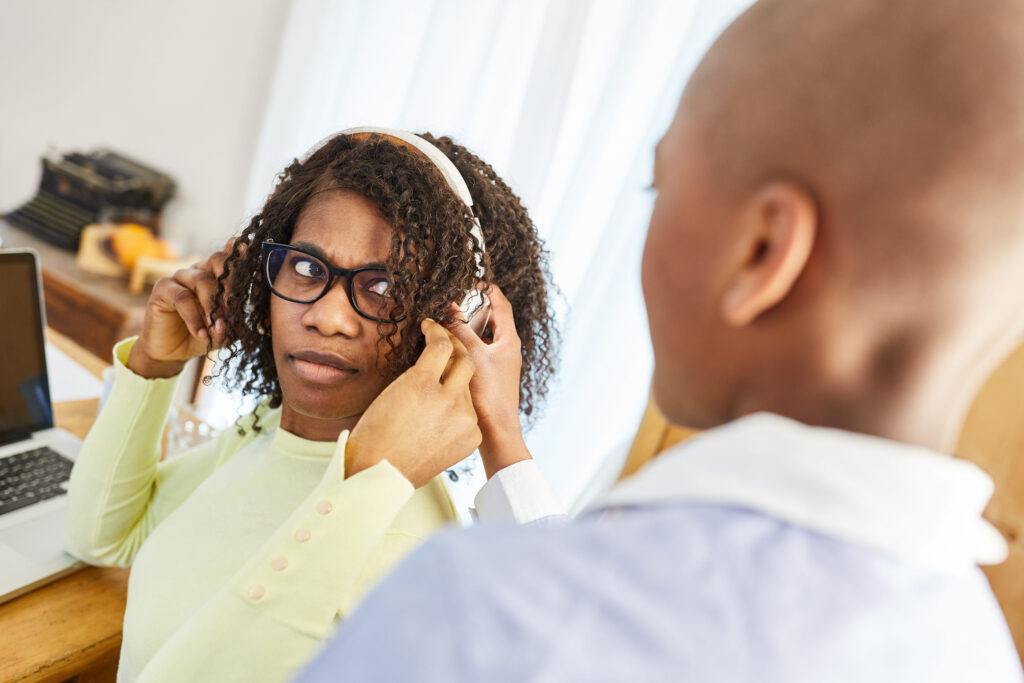
A relationship that lacks respect for personal boundaries can quickly spiral into one full of emotional damage. One woman recalled the time her ex-boyfriend damaged her expensive headphones, which her father had gifted her. When she confronted him, his dismissive response, claiming that because the headphones were hers, he didn’t feel the need to treat them with care, revealed a lack of respect for her possessions and, more importantly, for her.
In this case, the red flag stemmed from a deeper issue: his disregard for her feelings and belongings. While it may seem like a small thing at first, it signaled a larger pattern of selfishness and disrespect that would likely only escalate. If someone can’t respect the things you care about, it’s a clear indicator of how they might treat other aspects of your life, including your emotions.
Irresponsibility and Lack of Accountability

Another alarming red flag people often overlook is repeated behavior that goes unaddressed. One woman shared her experience of her ex repeatedly urinating in her bed on weekends and expecting her to clean it up. This disturbing behavior revealed a profound lack of respect and personal responsibility, as he not only failed to take care of himself but also imposed the responsibility of cleaning his mess on her.
This kind of behavior often signals a deeper issue in the relationship, where one person expects the other to take on more than their fair share. Over time, this can erode trust and lead to resentment. Ignoring such blatant disrespect in favor of trying to “fix” the person only leads to more frustration and an imbalance in the relationship.
Lack of Support for Personal Growth
Relationships should encourage both partners to grow and evolve, but when one person consistently holds the other back, it’s a significant red flag. One woman shared her experience with a partner who belittled her career goals, suggesting she should settle for less to prioritize the relationship. This lack of support for personal growth can stifle a person’s potential and ultimately lead to resentment.
In a healthy relationship, both partners should be excited about each other’s successes and support their individual dreams. A partner who discourages your growth is not only holding you back but also demonstrating a lack of investment in your happiness and future. It’s important to be with someone who values your personal goals as much as their own.
Jealousy and Dishonesty

Jealousy often disguises itself as “caring too much,” but it’s a dangerous trait that can warp the reality of a relationship. One individual recounted how they moved in with their partner after just two months, hoping that living together would quell their partner’s constant accusations of cheating. This rushed decision came from a place of fear rather than trust, with the underlying red flag being the partner’s toxic insecurity and lack of trust in the relationship.
Similarly, another person shared a moment when their ex came home with wet hair, claiming it had rained, even though the weather didn’t support that claim. This lie pointed to a larger issue of dishonesty that was beginning to seep into every aspect of their relationship. When dishonesty becomes part of the relationship’s fabric, it’s a major red flag that can lead to long-term emotional damage.
Control and Possessiveness
Sometimes, control doesn’t look like an obvious outburst; it can be sneaky, creeping in through the little things. One man shared the bizarre experience of his partner getting so frustrated with him using items from his kitchen that he taped his cabinets and fridge shut before she came over. While it might seem petty at first, this act of control signals a lack of personal autonomy and a desire to manipulate the relationship’s dynamics.
Such controlling behavior might seem insignificant in the early stages of a relationship, but it can slowly create a power imbalance. Over time, these small acts of control can snowball into bigger issues, where one person makes all the decisions, and the other feels powerless and restricted. If you ever feel like you’re walking on eggshells or are limited in your actions by your partner, it’s a red flag that shouldn’t be ignored.
Ignoring Emotional Needs
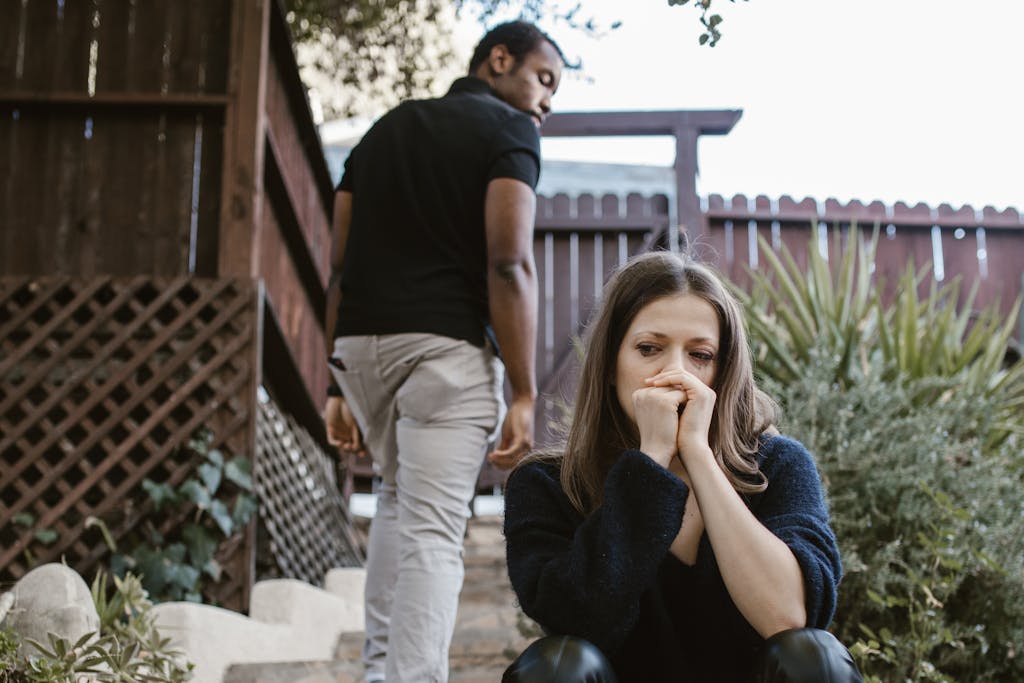
One of the most subtle and often overlooked red flags is when a partner fails to address your emotional needs. A woman shared her story about being in a relationship where her partner constantly invalidated her feelings, brushing off her concerns with phrases like “you’re overreacting” or “don’t be so dramatic.” Over time, this kind of behavior erodes self-esteem and trust, making the person feel unimportant and unheard.
Ignoring emotional needs is a serious issue that affects the core of any relationship. It signals a lack of empathy and a focus on the partner’s needs while disregarding your own. If someone consistently dismisses your feelings, it’s a sign that they may not be as emotionally available as you deserve.
Emotional Manipulation
Emotional manipulation is often disguised as “caring” or “helping” when, in reality, it’s a way to control the other person. One story shared online involved a partner who frequently played the victim, making their significant other feel guilty for wanting to spend time with friends or family. By using guilt as a tool, the manipulator kept the other person isolated and dependent, which ultimately led to an unhealthy dynamic.
Recognizing emotional manipulation can be difficult, as the manipulator often makes it seem like their actions are in the other person’s best interest. However, when guilt, shame, or fear are used to control someone’s decisions, it’s a sign that manipulation is at play. It’s crucial to set boundaries and recognize when emotional manipulation is harming the relationship.