When you reach your 40s, your body starts to change in ways you might not notice right away. Some changes are normal with age, but certain habits can speed up wear and tear, leading to long-term health problems. What you do or don’t do during these years can really affect how you feel as you get older.
Many habits that people ignore in their 40s can actually cause more harm than they realize, leading to chronic pain, mental health issues, and a lower quality of life. By noticing these habits and making small changes now, you can help slow down aging and feel your best as you move through middle age and beyond.
Neglecting Exercise and Physical Activity

In your 40s, it’s common to become less active because of work, family, and other commitments. But inactivity can harm your body. Regular exercise helps keep your muscles, bones, and joints strong, especially as your metabolism slows down. Without enough movement, you might lose muscle, feel stiff, or have joint pain.
Being inactive can also lead to weight gain, which puts more stress on your body and raises your risk for heart disease, diabetes, and high blood pressure. Sticking to basic activity guidelines can protect your heart, keep you moving, and lower your risk of illness. You don’t need to spend hours at the gym; even walking, stretching, or doing yoga can help you stay flexible, improve circulation, and boost your health.
Ignoring Posture and Spine Health
By your 40s, years of sitting at desks, looking at screens, or lifting things the wrong way can start to affect your posture. Bad posture puts extra strain on your spine, which can cause neck, shoulder, and back pain. Over time, this may lead to problems like sciatica, herniated discs, or ongoing pain. Poor posture can also make digestion, breathing, and even your mood worse.
As you get older, your spine is more likely to wear down, so it’s important to take care of it. Try to sit and stand up straight, take breaks to stretch, and use furniture that supports your back. Activities like yoga, Pilates, or strength training can help keep your spine healthy and prevent pain.
Skipping Regular Health Check-Ups

A lot of people in their 40s think they’re too young for regular health check-ups, but this is actually when they matter most. Many health problems like high blood pressure, diabetes, and high cholesterol don’t show clear signs at first. Without regular check-ups, these issues can get worse and lead to serious problems like heart disease, stroke, or kidney trouble.
Seeing your doctor regularly helps catch problems early, so you can deal with them before they become serious. Early detection often means easier treatment and better results. Check-ups are also a chance to talk about your habits and get advice on staying healthy as you get older.
Consuming Too Much Processed Food
Processed foods are everywhere and often seem like the easiest choice when you’re busy. But many of these foods are high in unhealthy fats, sugar, and salt, which can lead to weight gain, high blood pressure, and heart disease. In your 40s, your metabolism slows down, so it’s easier to gain weight, especially if you eat foods low in nutrients.
These foods usually don’t have enough fiber or vitamins, and research shows that eating a lot of ultra-processed foods can cause inflammation and raise your risk of type 2 diabetes. Making small changes, like choosing whole, fresh foods and cooking at home, can make a big difference. Foods like fruits, vegetables, whole grains, lean proteins, and healthy fats help your body stay strong, lower your risk of disease, and give you more energy.
Overworking and Under-Sleeping

Work and family demands in your 40s can make it hard to get enough sleep, but missing out on rest can seriously affect your health. Sleep helps your body repair itself, keeps your hormones balanced, supports your mind, and boosts your mood. Not getting enough sleep raises your risk for heart disease, diabetes, weight gain, and a weaker immune system.
It also makes it harder to handle stress and think clearly, and can make anxiety or depression worse. Try to make sleep a priority by aiming for seven to nine hours each night. Set a regular bedtime, and avoid caffeine or screens before bed to help you sleep better.
Ignoring Mental Health Needs
When life gets busy in your 40s, it’s easy to focus only on physical health, but mental health matters just as much. Stress from work, family, and other pressures can lead to anxiety, depression, or burnout. Ignoring your mental health can also cause physical problems like headaches, stomach issues, or a higher risk of heart disease.
It’s important to face mental health concerns and get help if you need it. Talking to a therapist, practicing mindfulness, or doing things you enjoy like hobbies, exercise, or spending time with loved ones—can help you feel better overall. Taking care of your mental health leads to a more balanced, healthier life now and in the future.
Not Taking Care of Skin Health
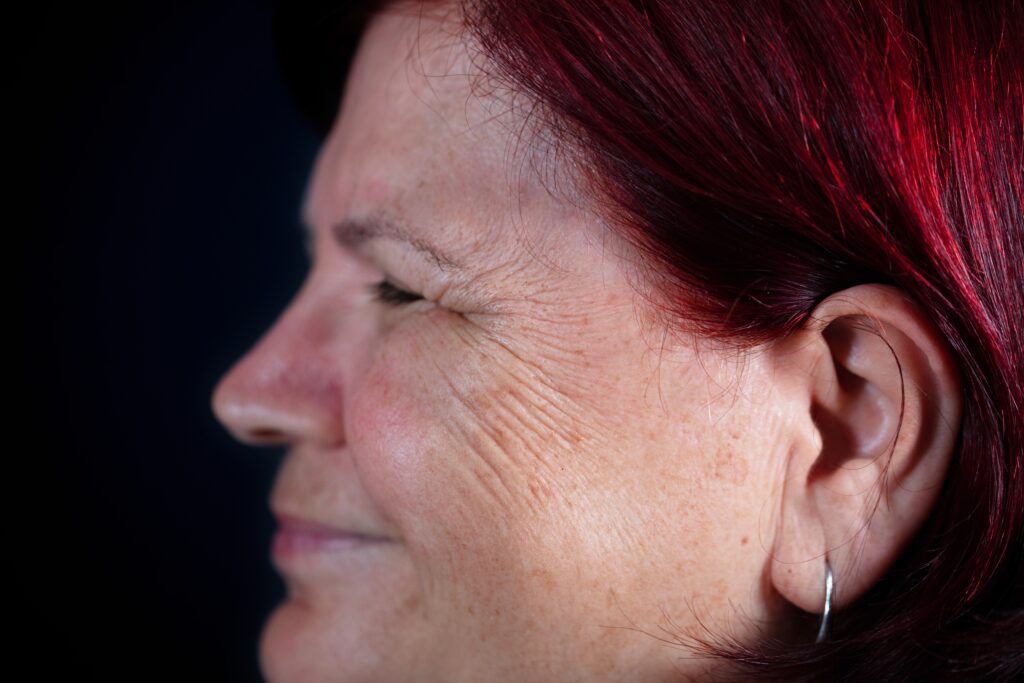
In your 40s, you might notice wrinkles, fine lines, or age spots for the first time. Still, many people don’t pay much attention to skin care, thinking it’s less important than other health habits. But neglecting your skin can speed up aging and increase your risk of sun damage, which can lead to skin cancer. Using sunscreen every day, moisturizing, and staying out of the sun for long periods are important for healthy skin.
A good skincare routine with antioxidant-rich products can help fix damage, boost collagen, and keep your skin firm. Following basic sun safety tips also lowers your long-term risk. Taking care of your skin helps you look better and protects you from things that cause early aging and health problems.
Ignoring the Importance of Hydration
Staying hydrated is even more important in your 40s. Many people don’t drink enough water, especially when busy or drinking lots of coffee or sugary drinks. Drinking enough water helps keep your skin healthy, controls your body temperature, aids digestion, and supports your joints. If you don’t get enough, you might feel tired, get headaches, or have trouble thinking clearly.
As you get older, your body holds onto less water, so it’s important to pay attention to how much you drink. Try to have at least eight glasses of water a day, and remember to drink before and after exercise. Good hydration helps your kidneys, keeps your weight in check, and helps your body work its best.
Neglecting Bone Health
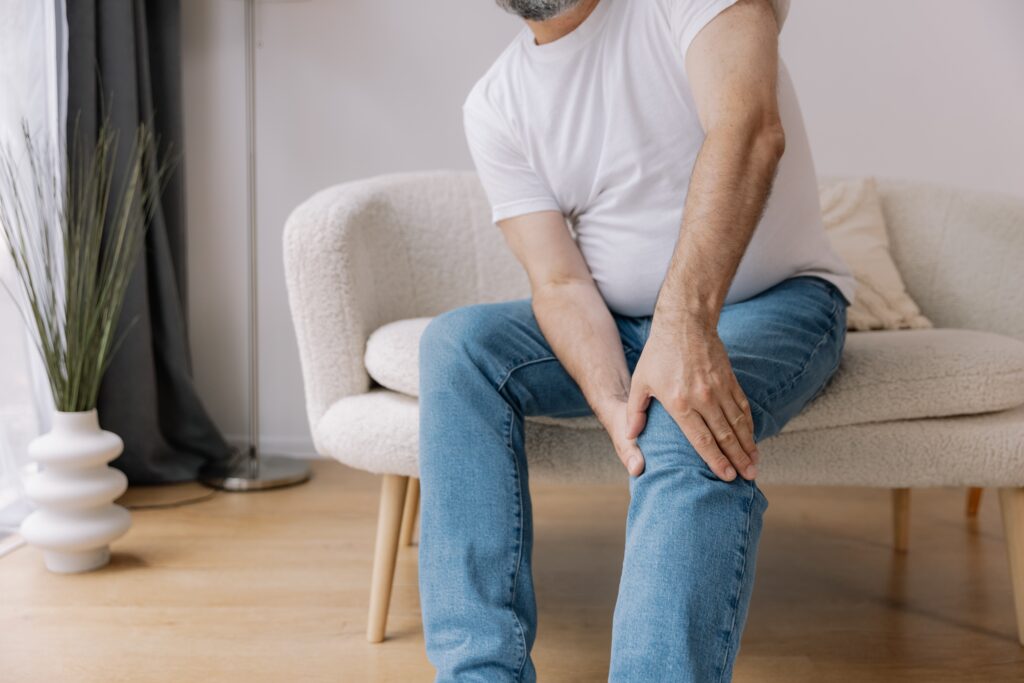
As you age, your bones lose density, which makes them more likely to break or develop problems like osteoporosis. Not paying attention to bone health in your 40s can make this happen faster and raise your risk of fractures, especially if you fall. Getting enough calcium and vitamin D is important, but many people don’t get enough from their diet. Doing weight-bearing exercises like walking, running, or strength training also helps keep your bones strong.
Adding bone-healthy foods and exercises to your routine now can help protect your bones and lower your risk of fractures later. Even small changes can make a big difference over time.
Avoiding Social Interaction and Support Systems
In your 40s, it’s easy to feel more isolated, especially when work and family keep you busy. But not staying connected with others can hurt both your mental and physical health. Being alone more often is linked to higher rates of depression, anxiety, and stress, which can affect your overall well-being.
Maintaining close relationships with friends, family, and loved ones provides support, reduces stress, and supports your mental health. Taking part in social activities and building strong connections is important for your emotional health and can help you live a longer, healthier life.