Weekly meal planning is a great way to save time and money, but many people make mistakes that turn the process into a nightmare. From buying duplicate groceries to forgetting about leftovers, these mistakes waste both food and money. By addressing these issues head-on, meal planning can become a streamlined process that actually saves time, reduces stress, and prevents unnecessary food waste.
Not Ensuring Balanced Nutrition
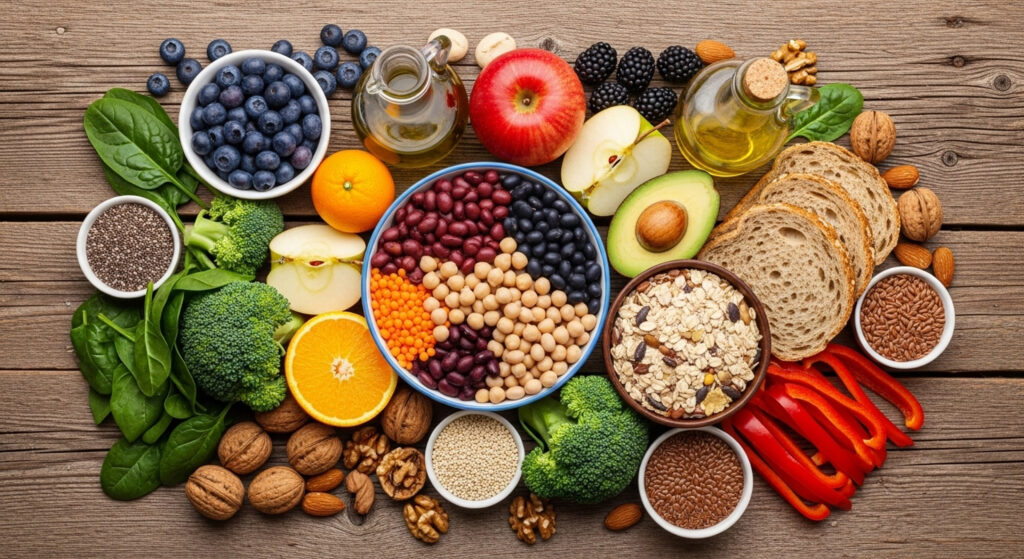
A common mistake in meal planning is failing to balance meals properly. Meals that lack sufficient vegetables, proteins, and healthy fats can lead to nutritional gaps and energy crashes. Aim for balanced plates with a mix of lean proteins, healthy fats, complex carbohydrates, and plenty of vegetables.
Use the “plate method” as a guide: fill half your plate with vegetables, one-quarter with protein, and one-quarter with carbs. This approach helps ensure that meals are nutritious and satisfying, supporting better overall health.
Forgetting About Snacks
Snacks are often overlooked in meal planning, but they play an important role in maintaining energy levels and preventing overeating. If you don’t plan for healthy snacks, you may end up reaching for unhealthy options when hunger strikes. Include easy-to-prepare, healthy snacks in your meal plan to avoid this.
Stock your kitchen with nutritious snack options, like fresh fruit, nuts, yogurt, or cut vegetables. Having these on hand reduces the temptation for unhealthy options and keeps your energy levels stable throughout the day.
Not Using Digital Tools
Meal planning can be overwhelming, but there are digital tools that can make the process easier. Apps and online tools can help you plan meals, create grocery lists, track inventory, and even suggest recipes based on what you already have. Failing to use these tools can add unnecessary stress to the planning process.
Take advantage of meal planning apps to streamline your process. These tools can automate much of the work and help ensure your plan is organized, saving you time and energy.
Skipping Kitchen Inventory
One of the biggest mistakes is not checking your kitchen inventory before planning meals. This often results in buying items you already have, leading to waste and unnecessary expenses. By taking stock of your fridge, pantry, and freezer, you ensure that you’re only purchasing what you truly need.
Before planning meals, inventory perishable items first, like fresh produce, dairy, and leftovers. Then check your pantry and freezer for items you can use. A quick inventory helps reduce food waste and saves you from buying things you don’t need.
Ignoring Family Preferences and Schedules

Meal planning can easily go off track when family preferences and schedules are ignored. If you’re planning meals that no one likes or that don’t fit into a busy day, you’re setting yourself up for failure. By involving everyone and aligning the meal plan with your schedule, you’ll reduce the likelihood of dinner turning into a last-minute disaster.
Consider meal timing, like busy weekday nights or sports events, and plan meals accordingly. Quick-prep meals or leftovers are a lifesaver during hectic evenings. Discussing meals with your family and factoring in everyone’s schedule ensures your plan works for the whole household.
Choosing Complex Recipes
It’s tempting to choose elaborate recipes, but this often leads to frustration, especially on busy nights. Overly complicated meals require extra time, ingredients, and energy, resources you may not have. Keep it simple with recipes that are quick, easy, and require minimal cleanup.
Stick to meals that can be prepared in 30 minutes or less during the week. Save the more complex recipes for weekends when you have more time. By simplifying your recipe choices, you’ll save time and avoid kitchen stress.
Skipping Prep Work
Skipping meal prep is another mistake that can derail your meal plan. If you don’t prep ingredients in advance, you’ll find yourself scrambling during the week. Batch cooking proteins, chopping vegetables, and making sauces in advance can save you a ton of time when it’s time to cook.
Take one or two hours on the weekend to chop vegetables, cook grains, or prep proteins. This way, when it’s time to cook, everything is ready to go. Prepping ahead makes weekdays easier and reduces last-minute stress.
Mismanaging Leftovers

Leftovers are a valuable resource, but when they’re not stored properly, they end up getting wasted. Mismanaging leftovers leads to food waste and unnecessary expenses. Store leftovers in airtight containers, label them with dates, and make sure they’re used within the recommended time frame.
Plan to set aside one or two nights each week to use leftovers for dinner. Reheating properly and turning them into new meals helps you get the most out of what you’ve cooked, reducing food waste and keeping your meal plan on track.
Repeating the Same Meals
Eating the same meals every week can lead to boredom and poor nutrition. While it’s tempting to stick to a routine, variety is key to a balanced diet. Adding a few new meals each week can keep things exciting and ensure that you’re getting a range of nutrients.
Incorporate at least one new recipe each week to break the monotony. This helps maintain a balanced diet and keeps meals fresh and enjoyable for the whole family.
Poorly Organized Shopping Lists
A disorganized shopping list can make grocery shopping stressful and inefficient. When items are listed randomly, it leads to confusion in the store, forgotten items, and impulse buys. To avoid this, create a list organized by category, such as produce, dairy, and pantry goods, so shopping is faster and more efficient.
Plan your list based on your store’s layout. Group similar items together, such as all fruits and vegetables in one section and all grains and pasta in another. This will save time and reduce the chance of missing something important.
Not Having Backup Meals for Busy Nights

Despite the best planning, life often gets in the way, and the meal plan can fall apart. Whether it’s a last-minute work meeting or a sick child, having a backup meal plan ensures you don’t have to resort to unhealthy takeout. Keep a few easy, go-to meals in your pantry or freezer that you can prepare in a pinch.
Meals like frozen pizza, canned soups, or quick stir-fries made from pantry staples can be lifesavers on hectic nights. Having these on standby helps reduce stress and keeps the plan on track, even when life throws a curveball.