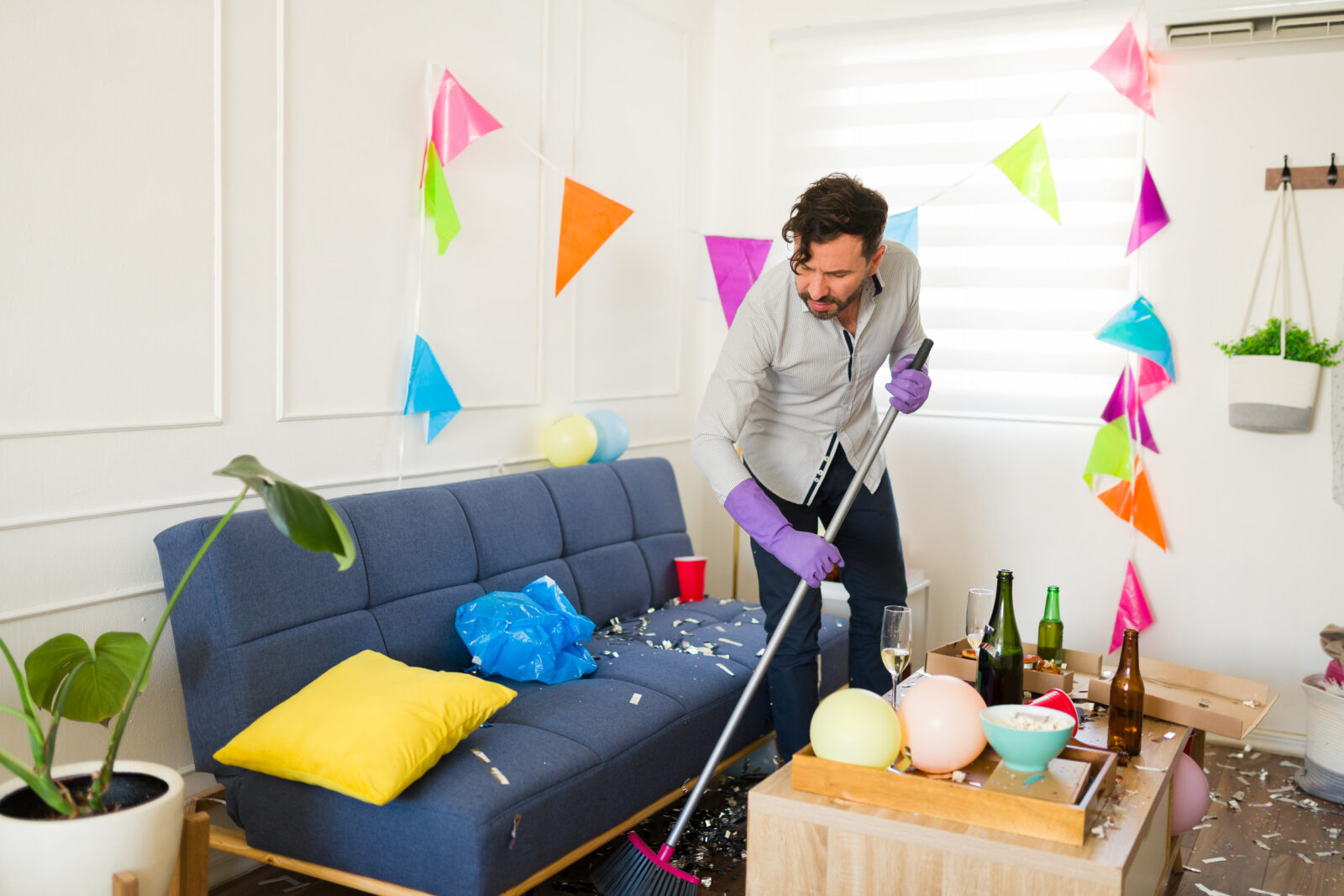
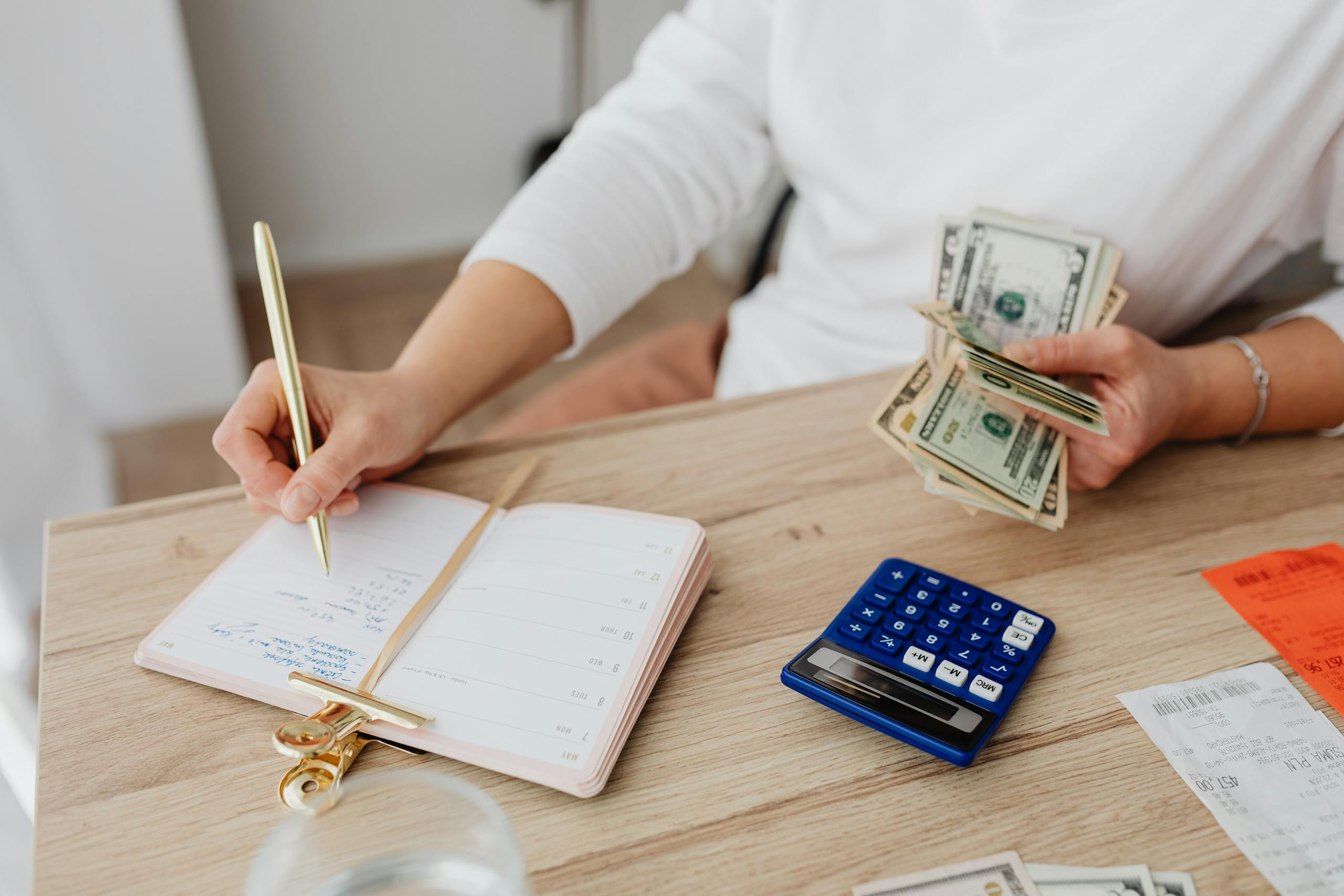
Minimalism sounds peaceful. Fewer things, cleaner rooms, smaller closets, lighter bills, and a life that feels less buried under clutter. At its best, minimalism helps people stop buying out of boredom, pressure, or impulse. It can make your home easier to manage and your money easier to track.
But there is a sneaky side to modern minimalism. Some choices look simple on the surface, yet they quietly cost more in the long run. A bare apartment can become expensive when you keep replacing cheap basics. A tiny wardrobe can turn into a monthly shopping habit. A “clean” lifestyle can drain your wallet if it becomes more about aesthetics than practicality.
The problem is not minimalism itself. The problem is performative minimalism, where everything must look sleek, neutral, sparse, and brand-approved. That kind of simplicity often comes with hidden costs. Here are seven “minimalist” choices that may be costing you more than you think.
Owning Too Few Clothes
A smaller wardrobe can save money, but only when it is built carefully. If you reduce your closet too much, your clothes wear out faster because you wash and wear the same pieces over and over. That plain white T-shirt you wear three times a week may look like a smart minimalist choice, but it will lose shape, fade, and stain much faster than expected.
This becomes even more expensive when your wardrobe lacks variety for real life. You may have work clothes, but not for weddings, travel, cold weather, interviews, or casual outings. Then every event becomes an emergency purchase. Instead of shopping with intention, you end up buying something at the last minute at a higher price.
A practical wardrobe does not need to be huge, but it should be complete. Minimalism should mean fewer wasted clothes, not fewer useful clothes. A balanced closet with durable basics, seasonal pieces, and occasion-ready outfits can save you more than a tiny capsule wardrobe that cannot handle your actual life.
Buying the Cheapest Version of Everything

Minimalism often encourages people to stop overspending, which is smart. However, some people confuse “less” with “cheapest.” They buy the lowest-cost furniture, cookware, shoes, bags, and electronics because they do not want to feel wasteful. The problem is that cheap items often break, wear out, or perform poorly.
A $25 pair of shoes may feel like a win until it causes foot pain or falls apart after two months. A cheap pan may save money today, but ruin meals, scratch easily, and need replacing before the year ends. A weak phone charger, a flimsy chair, or a thin winter coat can become a recurring expense.
Real minimalism is about value, not just low price. Sometimes the better choice is buying one strong item that lasts for years instead of replacing a weak one again and again. The goal is not to own expensive things for status. The goal is to buy items that do their job well and stay useful long enough to justify the cost.
Keeping Your Home Too Bare
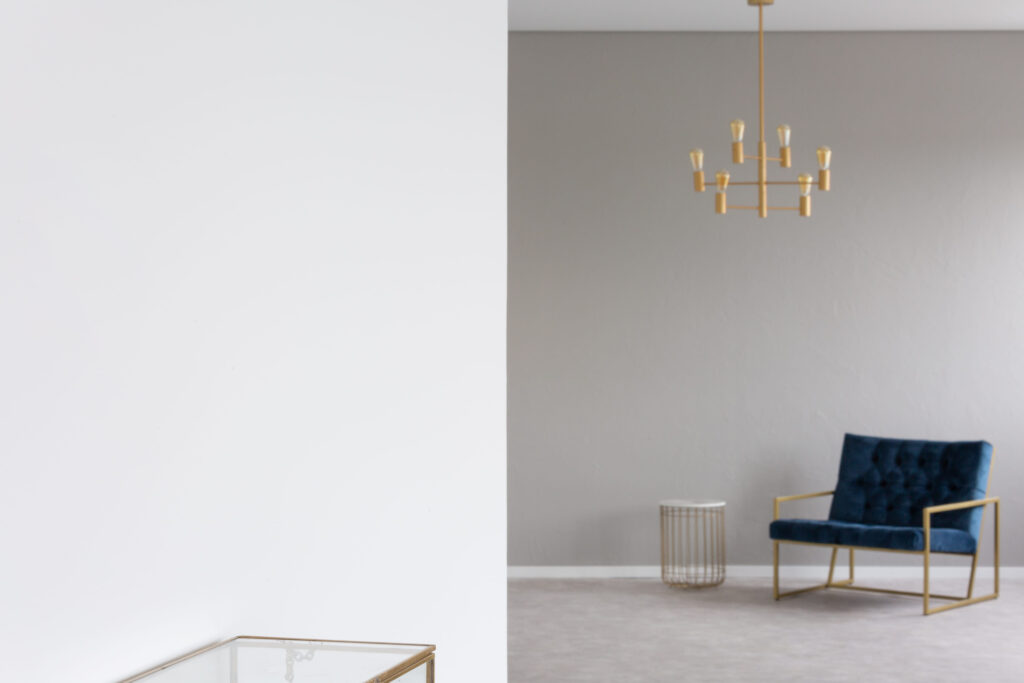
A clean, open space can feel calming, but an overly bare home can create hidden expenses. If your home lacks basic comfort, you may start spending more time outside the house. You might buy more coffee because your kitchen setup is poor. You might eat out because cooking feels inconvenient. You might work from cafés because your home office is uncomfortable.
A home does not need to be packed with decoration, but it should support your daily life. A comfortable chair, good lighting, proper cookware, enough storage, and cozy bedding are not unnecessary luxuries. They are tools that help you live better at home. When your space is too empty, your lifestyle often becomes more expensive because you keep outsourcing comfort.
Minimalism should not make your home feel like a showroom where nothing practical exists. A good minimalist home still has warmth, function, and convenience. It should help you rest, cook, work, entertain, and enjoy your own space without constantly needing to escape it.
Decluttering Too Aggressively
Decluttering feels satisfying. There is a special kind of relief that comes from clearing drawers, donating old items, and seeing open space again. But aggressive decluttering can backfire when you get rid of things you actually need later. That extra blanket, toolkit, serving dish, backup charger, suitcase, or winter jacket may seem unnecessary today, but it will be costly to replace tomorrow.
This happens when decluttering becomes emotional instead of practical. People toss items because they want a fresh start, a cleaner image, or a sense of control. A few weeks later, life asks for exactly what they removed. Then they buy it again, often at a higher price.
The smarter approach is thoughtful editing. Before getting rid of something useful, ask when you last used it, how hard it would be to replace, and whether it serves a seasonal or occasional purpose. Minimalism should reduce clutter, not erase preparedness. Keeping a few useful backup items can be much cheaper than rebuying the same things every year.
Choosing Tiny Storage
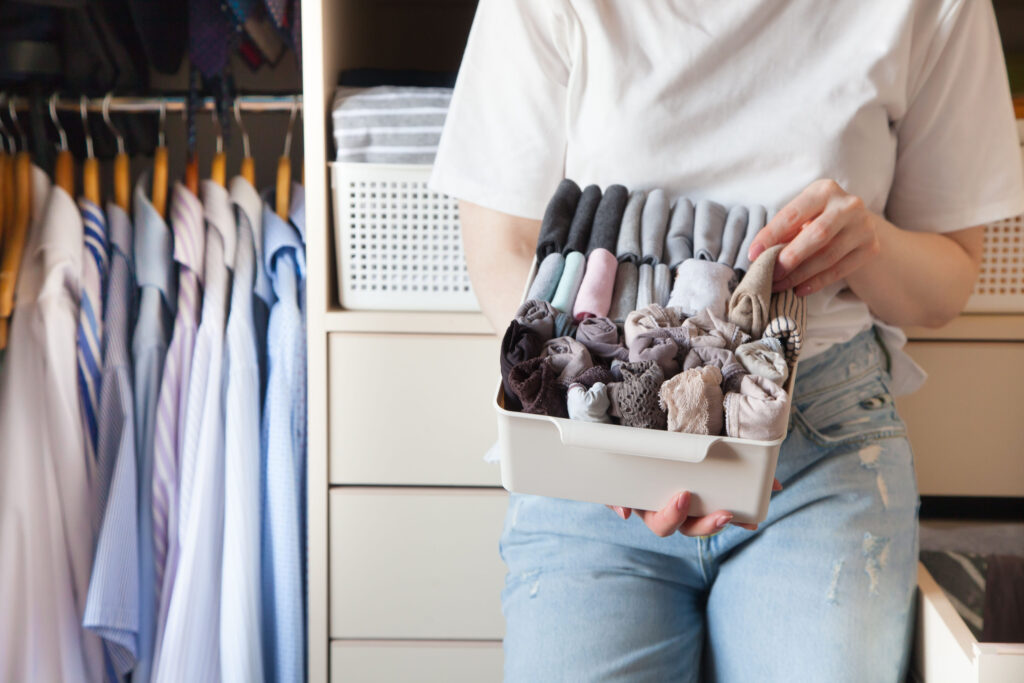
Minimalist spaces often show open shelves, empty counters, and hidden storage. That look is beautiful, but too little storage can become expensive fast. When your home has nowhere to properly store things, items get damaged, lost, or forgotten. You may rebuy things you already own simply because you cannot find them.
Tiny storage also encourages constant purging. That may sound good, but it can force you to discard useful items just because there is no place to put them. Seasonal clothes, tools, documents, hobby supplies, and pantry staples all need proper space. Without it, your home may look clean, but your spending becomes messy.
Good storage does not mean hoarding. It means creating a system that protects what you use. A few well-planned cabinets, bins, shelves, or organizers can save money by helping your belongings last longer. Minimalism works best when everything has a place, not when there is no place for anything.
Avoiding Bulk Buying Completely
Some minimalists avoid bulk buying because they do not want clutter. That makes sense for items you rarely use, products that expire quickly, or things you buy just because they are on sale. But avoiding all bulk purchases can cost more, especially for household basics you use every week.
Toilet paper, detergent, rice, pasta, soap, cleaning products, pet food, and toiletries are often cheaper per unit when bought in larger amounts. If you always buy the smallest size to keep your shelves looking neat, you may be paying a quiet convenience tax. The price difference may seem small at first, but it adds up over months.
The key is not to buy everything in bulk. The key is to bulk-buy only what you already use regularly and can store properly. Minimalism should not punish you for being practical. A small backup supply of essentials can protect your budget, reduce last-minute store runs, and keep your home running smoothly.
Turning Minimalism Into an Aesthetic
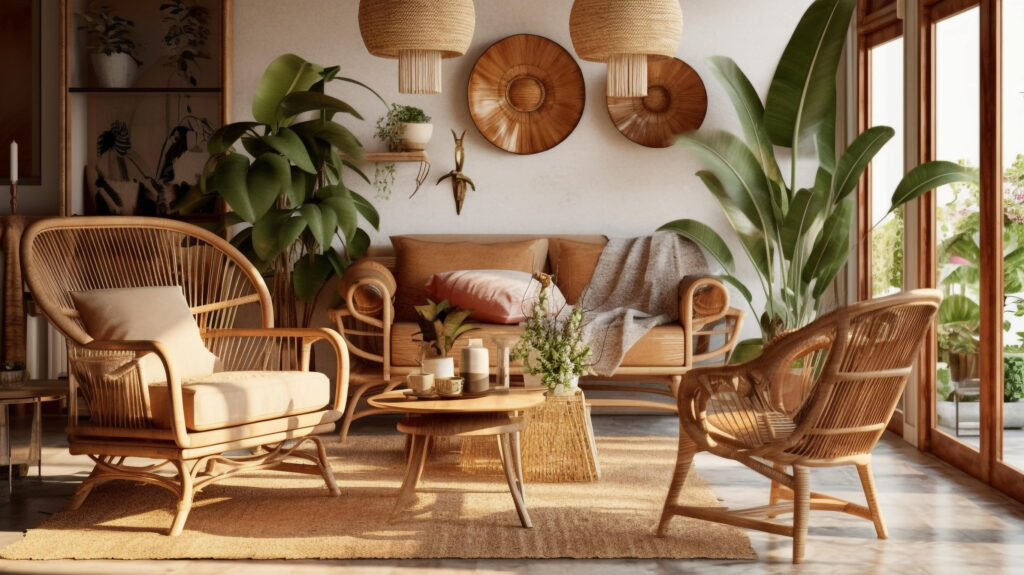
This is one of the most expensive traps. Minimalism begins as a way to buy less, then somehow turns into buying a full set of matching beige containers, linen sheets, ceramic jars, matte black utensils, designer lamps, and luxury basics. Suddenly, “simple living” becomes a shopping style.
The minimalist aesthetic can be beautiful, but it can also create pressure to replace perfectly useful items just because they do not match. A colorful mug still holds coffee. A mismatched towel still dries your hands. A regular plastic bin can organize your closet just as well as a pricey woven basket.
When minimalism becomes about how your life looks online, it stops being financially helpful. True minimalism does not require your home to look like a boutique hotel. It asks whether your possessions serve your life. If the answer is yes, you do not need to replace them just to fit a trend.
Conclusion
Minimalism can save money, reduce stress, and make everyday life feel lighter. But only when it stays grounded in real needs. The moment it becomes too strict, too cheap, too aesthetic, or too focused on empty space, it can start costing more than clutter ever did.
The best version of minimalism is not about owning the least. It is about owning what works. A smart minimalist keeps durable clothes, comfortable furniture, useful backups, proper storage, and enough household essentials to avoid wasteful spending. They do not buy less just to suffer, nor do they buy more just to look minimalist.
The real goal is simple living, not staged living. When your choices support your comfort, budget, and daily routines, minimalism becomes powerful. When they force you to rebuy, replace, outsource, or upgrade for appearances, it becomes another expensive habit, like wearing a clean white outfit.