DIY culture has made homeowners brave. A little tutorial, a trip to the hardware store, and suddenly that flickering light or dead outlet looks like a weekend project instead of a professional job. The problem is that wiring is not like painting a wall or assembling a shelf. When electrical work goes wrong, the damage can extend beyond a repair bill to include fire risk, injury, insurance trouble, and a home that becomes unsafe behind the walls.
Electrical malfunctions are linked to thousands of home fires, injuries, deaths, and major property losses each year, which is why DIY wiring deserves more caution than confidence. The Electrical Safety Foundation International reports that electrical malfunctions account for about 35,000 home fires each year, resulting in more than 1,130 injuries, 500 deaths, and $1.4 billion in property damage. That is not a small “oops.” That is a serious warning wrapped in a very expensive lesson.
Treating the Breaker Box Like a Guessing Game
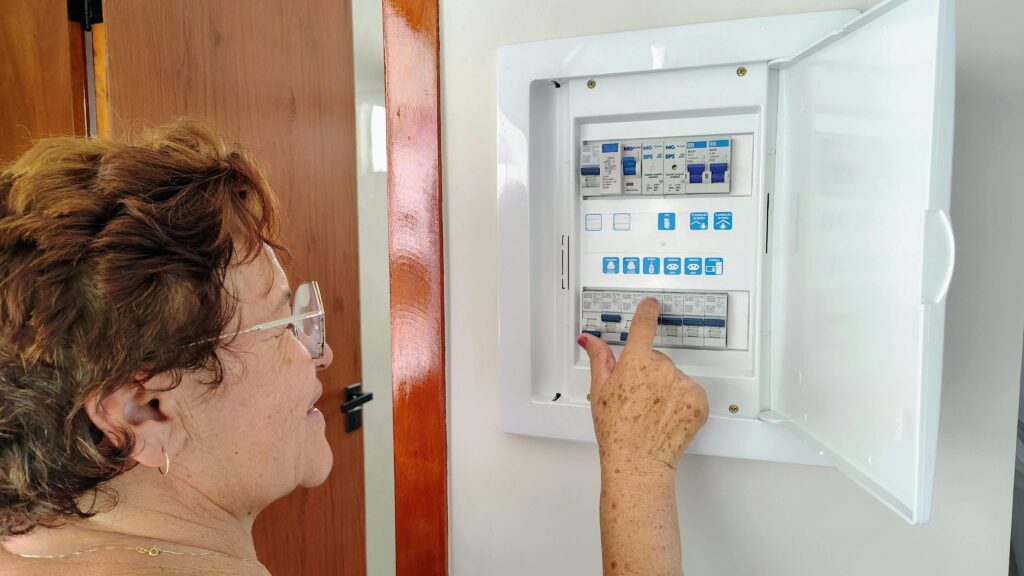
One of the most dangerous DIY wiring mistakes is assuming you have turned off the right breaker without properly verifying the circuit is dead. Many homeowners flip a switch in the panel, see the light go off, and start working as though the danger has disappeared. But mislabeled panels, shared circuits, old wiring, and confusing renovations can make that assumption risky.
The breaker box is the control center of your home’s electrical system, and guessing your way through it can lead to shock, damaged appliances, or a half-finished repair that creates a bigger issue. If a circuit keeps tripping, that is not an invitation to force it back on repeatedly. It is a sign that something needs attention. When the panel itself is outdated, warm, buzzing, or poorly labeled, the cheapest move is often calling a licensed electrician before the problem grows teeth.
Overloading Outlets Because “It Still Works”
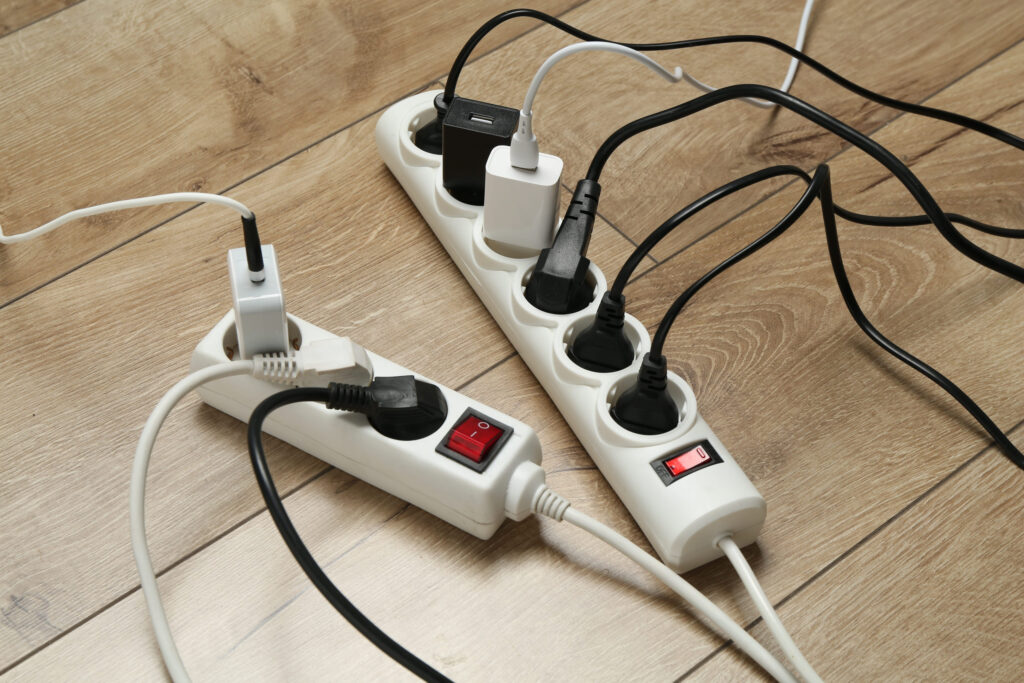
Power strips and outlet adapters can make a room feel more convenient, especially in older homes that were not built for today’s jungle of chargers, TVs, gaming systems, computers, air fryers, and space heaters. The trouble starts when homeowners treat every outlet like it has unlimited patience. Just because an outlet still works does not mean it is handling the load safely.
Overloaded outlets can overheat, damage wiring, and increase the risk of fire. The danger increases when high-wattage appliances are plugged into power strips or extension cords rather than into proper wall outlets. The U.S.Consumer Product Safety Commission warns that extension cords can overheat and cause fires when they are overloaded, damaged, or used improperly. That “temporary setup” behind the couch can quietly become the most expensive thing in the room.
Using the Wrong Wire Size
Wire size is not a decorative choice. It determines how safely electricity moves through a circuit. A common DIY mistake is using wire that is too small for the circuit because it is cheaper, easier to bend, or simply already lying in the garage. That shortcut can create overheating because the wire may not be able to handle the electrical load.
This mistake is especially sneaky because the wall may look perfect after the job is done. The outlet may work. The light may turn on. Everything may appear fine until the heat builds up, at which point you cannot see it. Wiring hidden behind drywall does not forgive bad judgment. If a homeowner does not understand amperage, circuit capacity, wire gauge, and code requirements, that is a strong sign the job should not be a DIY experiment.
Reversing Hot and Neutral Wires
Some wiring mistakes do not announce themselves with sparks. Reversed hot and neutral wires can allow an outlet or fixture to appear functional even though it is wired incorrectly. That makes the mistake more dangerous because the homeowner thinks the job is finished. In reality, the device may create a shock risk or behave unpredictably when something is plugged in.
This is where DIY confidence becomes expensive. A lamp turning on is not proof that the wiring is safe. Many electrical problems hide behind normal-looking results. Correct wiring depends on more than matching colors casually or copying what was already there, especially in older homes where previous work may have been done incorrectly. When in doubt, stop guessing. Electrical work is one area where “close enough” can become costly fast.
Ignoring Grounding Problems
Grounding is one of those things many homeowners do not think about until something goes wrong. It helps provide a safer path for electrical current during a fault, reducing the risk of shock and protecting equipment. Yet DIY repairs often ignore grounding because the old outlet “worked fine,” the metal box “looks connected,” or the replacement part “fits anyway.”
This mistake often shows up when people replace two-prong outlets with three-prong outlets without confirming proper grounding. The wall may look updated, but the safety function may still be missing. That creates a false sense of security, especially for appliances, computers, tools, and kitchen devices. A grounded-looking outlet that is not actually grounded is like a locked door with no latch. It looks reassuring until the moment it matters.
Skipping GFCI Protection in Wet Areas
Kitchens, bathrooms, garages, basements, laundry rooms, and outdoor areas are not places to play loose with wiring. Water and electricity are a brutal combination, which is why ground-fault circuit interrupter protection matters in moisture-prone spaces. A DIYer who replaces an outlet in these areas without understanding GFCI protection may save a few dollars now and create a serious hazard later.
GFCI outlets are designed to shut off power quickly when they detect certain ground faults. That protection can make a major difference in areas where people use appliances near sinks, on concrete floors, in rainy areas, or on damp surfaces. If an outlet in a wet or outdoor area keeps tripping, the answer is not to swap it for a regular outlet and move on. That is like removing a smoke alarm because it keeps warning you. The warning is the point.
Hiding Junctions Behind Walls
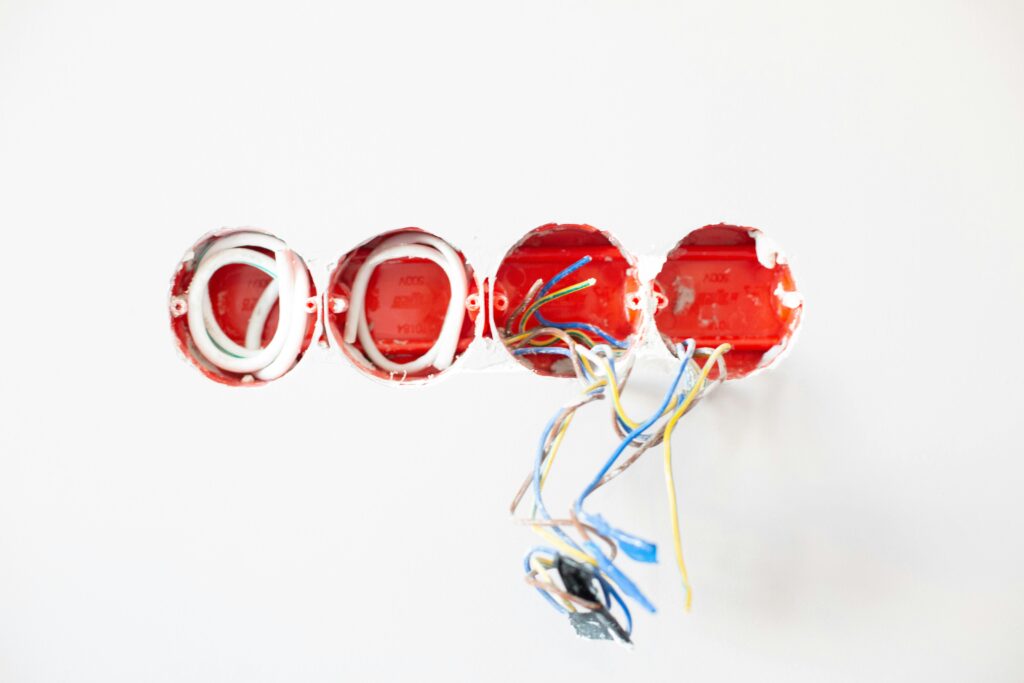
A junction box is not clutter. It is protection. One costly DIY wiring mistake is splicing wires and then burying the connection behind drywall, cabinets, ceilings, or insulation without accessible housing. The homeowner may think they are making the room look cleaner, but they are really hiding a future problem that nobody can inspect, repair, or even know exists.
Hidden electrical connections can loosen, heat up, or fail over time. Worse, they may make later repairs harder and more expensive because the electrician has to hunt for the problem. Good electrical work is not just about making wires disappear. It is about making connections safe, contained, and accessible. A clean wall is not a victory if danger is sealed behind it.
Using Extension Cords as Permanent Wiring
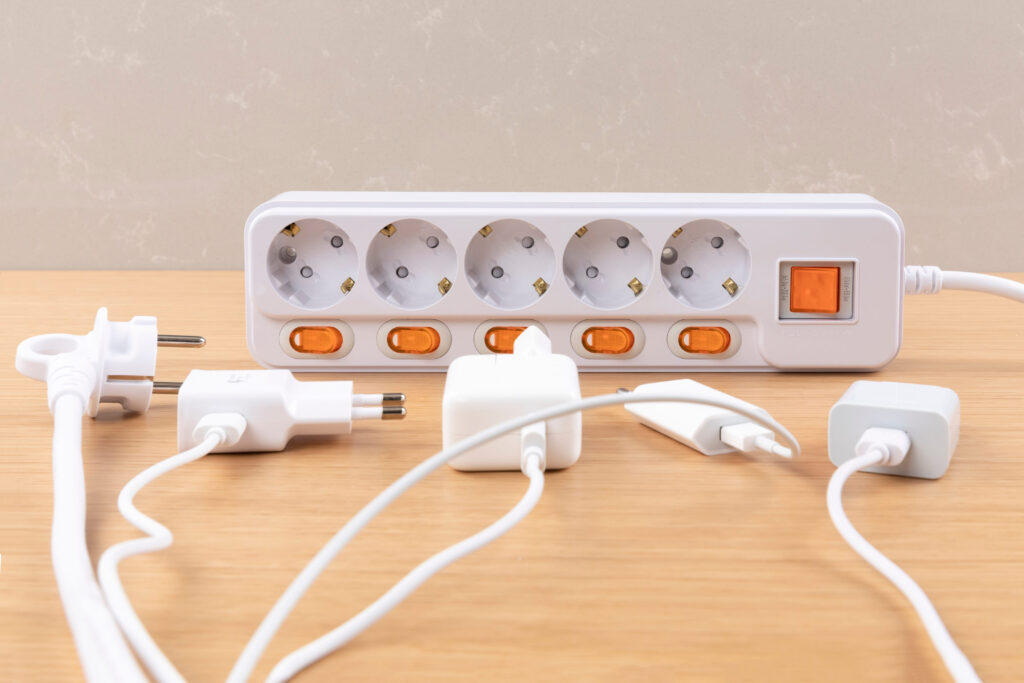
Extension cords are useful for temporary needs, but they are not a substitute for proper wiring. Many homeowners run cords under rugs, through doorways, behind furniture, across garages, or outside for months because adding an outlet feels too expensive. That choice can become a fire hazard and a tripping hazard.
The CPSC has warned that extension cords should be used only temporarily and that damaged or overloaded cords can cause fires. Older estimates from the agency also linked extension cords to thousands of residential fires each year. If a room constantly needs extension cords to function, the real fix is not another cord. It is a safer electrical plan.
Conclusion
DIY wiring mistakes rarely stay cheap. A bad connection, overloaded circuit, wrong wire, missing ground, or hidden splice can sit quietly for months before turning into a repair bill, a failed inspection, damaged electronics, or a fire hazard. That is what makes electrical work so unforgiving. The danger is often invisible until the cost is impossible to ignore.
The confident homeowner knows where DIY ends. Changing a light bulb, resetting a breaker, or replacing a cover plate is one thing. Reworking wiring, panels, outlets, circuits, and wet-area protection is another. When electricity is involved, saving money should never mean gambling with safety.
A good electrician may feel expensive in the moment, but a bad wiring job can cost far more than the invoice you were trying to avoid. The smartest repair is the one you do once, do safely, and never have to explain to your insurance company later.