Animals that symbolize death have always lived in the uneasy space between nature, fear, and imagination. We see a bird circling overhead, hear a cry at night, or notice a strange creature near the house, and suddenly the ordinary world feels loaded with meaning.
That does not mean these animals are evil, cursed, or dangerous by nature. Most of them became death symbols because people watched their habits closely, then connected those habits to grief, burial, illness, night, silence, or the unknown.
Across cultures, death symbolism often comes from three things: the animal’s behavior, its appearance, and the moment when people tend to encounter it. A black bird near a battlefield, a moth entering a sickroom, or a jackal near ancient burial grounds can easily become more than an animal in the human mind.
Owls As Night Watchers And Omens Of Death
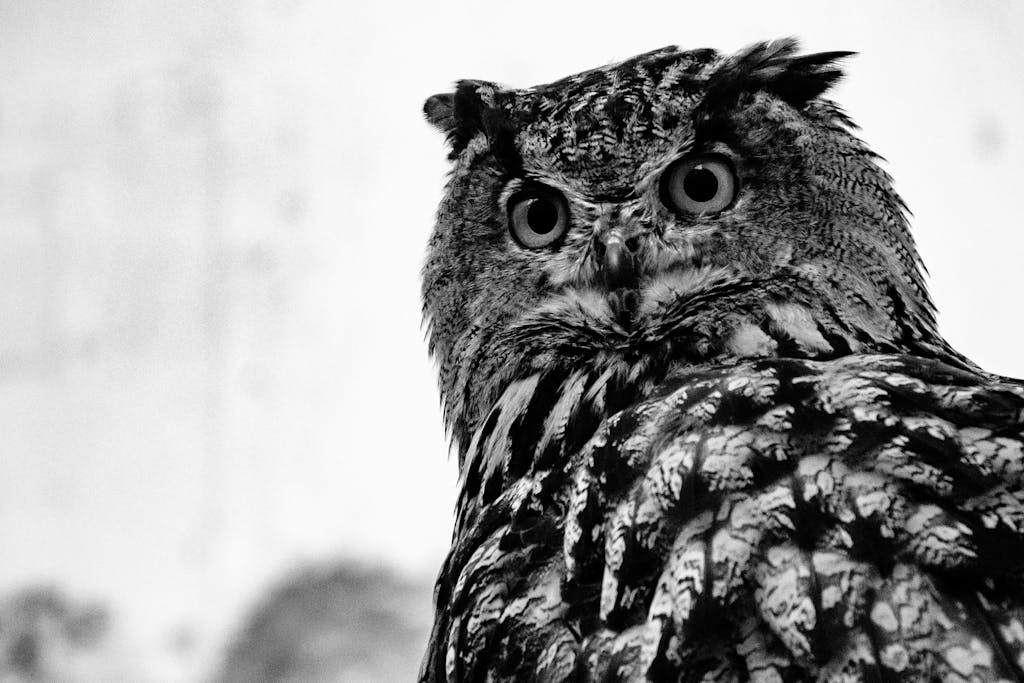
Owls are among the most famous animals that symbolize death because they combine silence, darkness, and a voice that can sound painfully human at night. We understand why old communities treated them with caution. An owl does not announce itself like a songbird in the morning. It waits, watches, turns its head with unsettling precision, and calls from trees when most people are indoors and vulnerable.
In many traditions, the owl became a messenger from the border between the living and the dead. Britannica notes that the owl is known as a symbol of wisdom, but it is also treated as a reminder of death in Native American mythology. That double meaning is exactly what makes the owl so powerful, because it can represent knowledge, warning, mystery, and mortality at the same time.
Crows And Ravens As Birds Of Battlefields And Dark Prophecy
Crows and ravens gained their death symbolism from their black feathers, harsh calls, intelligence, and scavenging habits. We often see them gathered in groups, which already gives them a dramatic presence, but their old association with battlefields and carrion made them even more haunting in folklore. A lone crow can look watchful. A gathering of crows can look like a council of witnesses.
Ravens carry an especially strong death reputation in literature and mythology. Britannica describes the common raven as a near-universal symbol of dark prophecy, death, pestilence, and disease, even though the bird is also admired for cleverness and fearless behavior. That mix of fear and respect explains why ravens and crows appear so often in stories about war, mourning, magic, and fate.
Vultures As Symbols Of Decay And Nature’s Cleanup
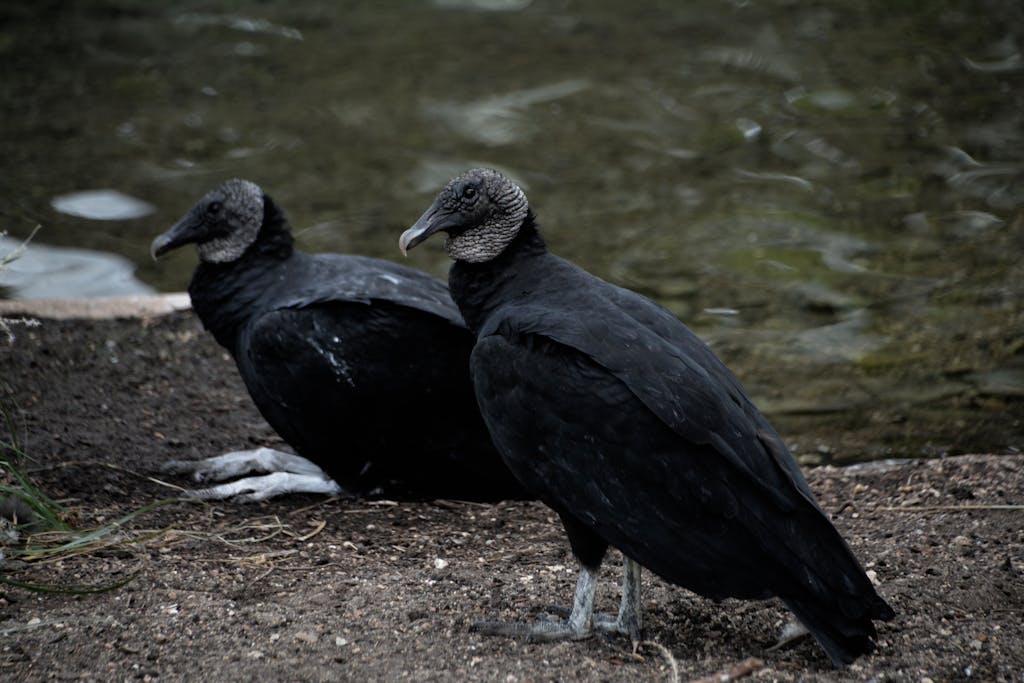
Vultures symbolize death because they are directly connected with remains. They do not need dramatic myths to earn their place in this conversation. Their circling flight, bald heads, patient waiting, and feeding habits have made them one of the clearest visual signs of death across many cultures. When people see vultures in the sky, they often assume something has died nearby.
Yet vultures also show why death symbolism is not always negative. These birds perform a vital ecological role by consuming carrion and helping keep landscapes cleaner. The World Wildlife Fund describes vultures as waste management specialists that help with nutrient cycling and reduce the spread of disease, with 23 vulture species living worldwide. That makes the vulture a symbol of death, but also purification, renewal, and the hard work nature does after life ends.
Bats As Creatures Of Night, Caves, And Vampire Folklore
Bats became linked with death because they come out at dusk, live in hidden places, move quickly through darkness, and often appear in stories about haunted spaces. Their wings do not look like bird wings, their faces can seem strange to people unfamiliar with them, and their sudden flight can feel startling. We can see how a creature that sleeps upside down in caves and emerges at night became a symbol of the supernatural.
European folklore gave bats an even darker role by connecting them with witches, the Devil, bad omens, and later vampires. Britannica notes that bats were considered messengers between witches and the Devil in European folklore and were also treated as harbingers of death in many cultures. The Library of Congress adds that the bat and vampire connection became especially strong through nineteenth-century fiction, including Bram Stoker’s Dracula, where vampires could shape-shift.
Black Cats As Symbols Of Witchcraft, Bad Luck, And Fear
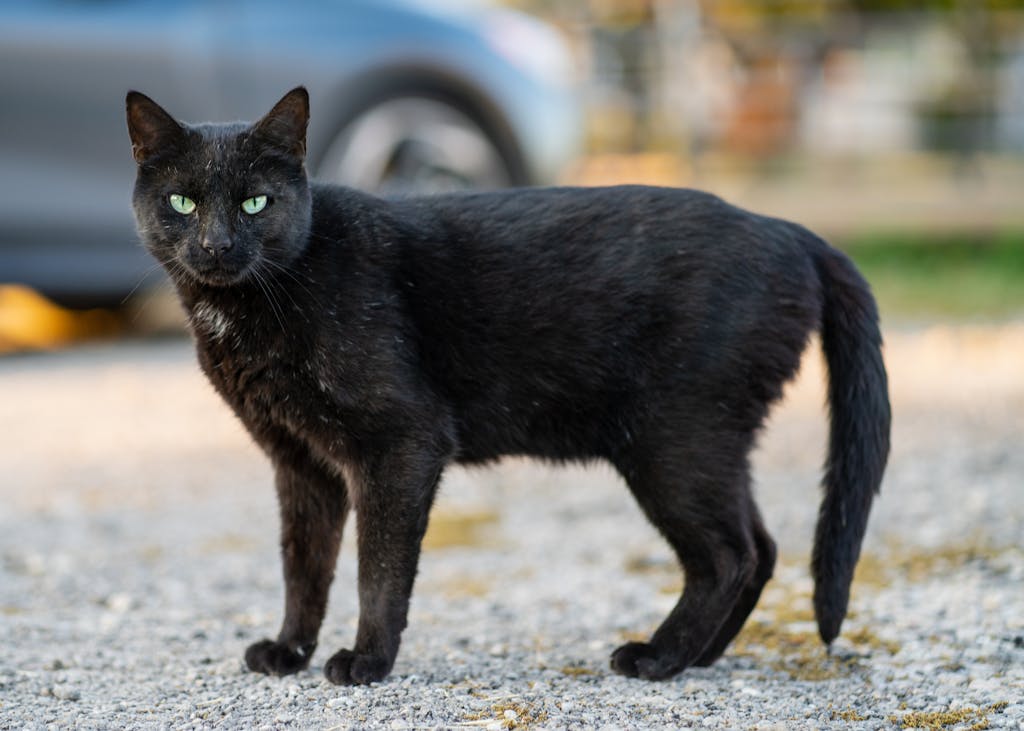
Black cats symbolize death in some cultures because their color, nighttime movement, and old association with witchcraft made them easy targets for superstition. A black cat slipping through a dark street can seem elegant today, but in medieval Europe, fear shaped the meaning people gave to that image. The animal became less of a pet in the public imagination and more of a shadowy companion to magic.
The Library of Congress explains that fear of black cats dates back to the Middle Ages, when dark felines were considered symbols of the Devil, and later stories linked them to witches’ familiars. Britannica also notes that some folklore held that witches or the Devil could appear disguised as black cats, though other cultures have treated black cats as symbols of good fortune. This contrast proves that the animal itself is not the problem. The meaning depends on the story a culture chooses to tell.
Black Moths As Silent Visitors And Household Omens
Black moths are powerful death symbols because they often appear suddenly inside homes, especially at night. A moth moving around a lamp or resting on a wall can seem harmless in daylight, but in a quiet room at night, it becomes something else. We notice the dark wings, the soft movement, and the strange timing. That is enough for folklore to turn a moth into a warning.
The black witch moth has one of the strongest death associations. The Nature Conservancy notes that in parts of Mexico and the Caribbean, the arrival of a black witch moth can be interpreted as a sign of impending death, especially when illness is already present in the home. Some traditions also interpret the moth as the soul of a deceased loved one returning, which gives the symbol a gentler and more spiritual side. Cool Green Science
Death’s Head Hawk Moths And The Skull Marking That Changed Everything
The death’s head hawk moth carries death symbolism right on its body. Unlike many animals that become frightening because of behavior or timing, this moth has a skull-like marking on its back, which makes the connection feel immediate. We do not need much imagination to understand why older communities saw it as an omen.
The Wildlife Trusts explains that death’s head hawk moths have often been viewed as omens of death because of the skull-shaped marking on their backs. Their scientific name also deepens the symbolism, since Acherontia refers to Acheron, a river connected with the underworld in Greek mythology, and Atropos refers to one of the Fates linked with the cutting of life’s thread.
Jackals As Guardians Of Graves And The Afterlife
Jackals symbolize death because they have long been associated with cemeteries, desert edges, and the remains of the dead. In ancient landscapes, people likely noticed jackals near burial grounds and interpreted their presence as more than scavenging. Over time, that real behavior helped shape one of the strongest religious death symbols in history.
In ancient Egypt, the jackal became sacred through Anubis, the god connected with funerary practices and care of the dead. Britannica describes Anubis as an ancient Egyptian god of the dead, represented as a jackal or as a man with the head of a jackal, with roles tied to embalming, funerary care, and conducting souls. That makes the jackal one of the clearest examples of an animal moving from fear to sacred protection.
Snakes As Underworld Symbols And Signs Of Mortal Danger
Snakes symbolize death for obvious and symbolic reasons. Some species can kill with venom, many move silently, and their sudden appearance can trigger deep fear. Yet the snake’s death symbolism goes beyond physical danger. Because snakes shed their skin, disappear into holes, and live close to the ground, they became connected with burial, rebirth, hidden knowledge, and the underworld.
In Greek religious symbolism, snakes were often linked with chthonic powers, meaning powers of the earth and underworld. Britannica notes that snakes are often associated with chthonic deities in world mythology, and these figures are connected with the underworld and the dead. That is why the snake can represent death and renewal at once. It frightens people because it can kill, but it also fascinates them because it seems to cross between worlds. (Encyclopedia Britannica
Black Dogs As Graveyard Guardians And Death Warnings
Black dogs appear in British folklore as some of the most frightening animal symbols of death. These are not ordinary dogs in the stories. They are usually described as huge, night-roaming, ghostly creatures with glowing eyes, appearing near roads, churchyards, moors, or lonely places. We recognize the pattern immediately: darkness, isolation, and a creature that looks familiar but feels wrong.
Britannica’s entry on the Barghest, a monstrous dog from northern English folklore, says that people who saw it clearly were believed to die soon after, while those who only glimpsed it would live for a few more months. Related figures include Black Shuck, the Padfoot of Wakefield, and other spectral dogs. In this tradition, the dog is both guardian and warning, a creature standing at the edge of the graveyard and the imagination.
Horses As Symbols Of Death Through The Pale Rider
Horses are usually symbols of strength, travel, nobility, and freedom, but the pale horse is one of the most famous death images in Western religious imagination. Unlike the vulture or crow, the horse is not linked to death through feeding habits. Its symbolism comes through apocalyptic storytelling, where the animal becomes the vehicle that carries death into the world.
The Book of Revelation gives this image its enduring force through the Four Horsemen of the Apocalypse. Britannica’s account of the passage describes a pale green horse whose rider is named Death, followed by Hades, with authority to kill through sword, famine, pestilence, and wild animals. That single image turned the pale horse into one of the most recognizable symbols of mortality, judgment, and catastrophe.
Toads As Poison, Witchcraft, And Fear Of Hidden Harm
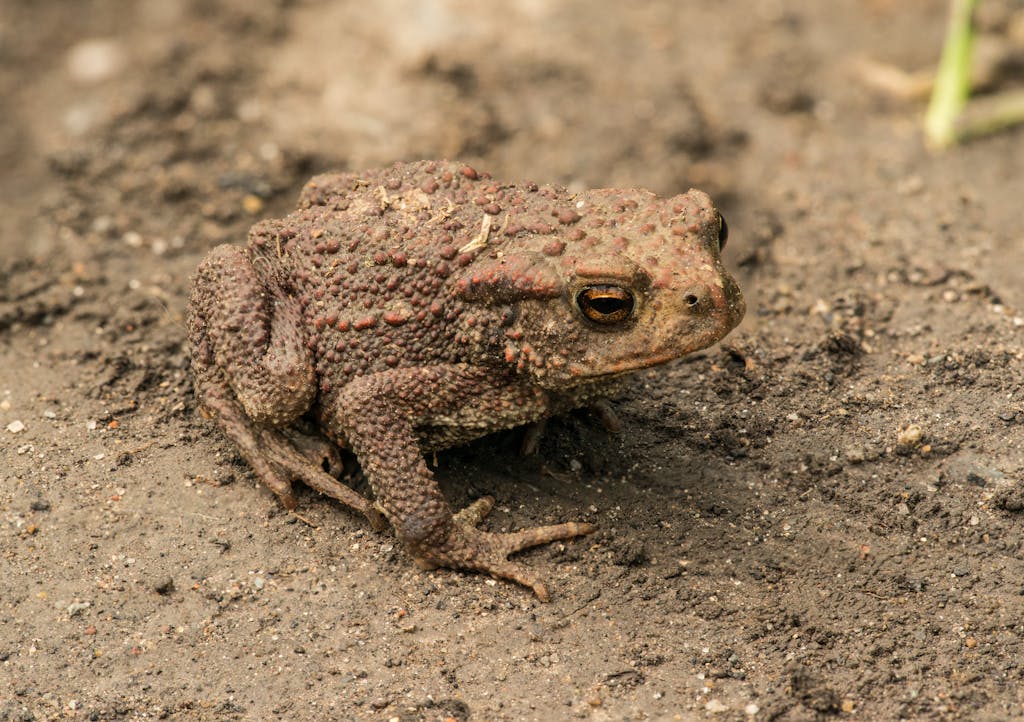
Toads symbolize death less directly than vultures or ravens, but their connection to poison, illness, witchcraft, and underground damp places gave them a dark reputation. Their warty skin, secretive habits, and defensive toxins made people view them with suspicion. In old folklore, the toad often appears near witches, potions, curses, and harmful magic.
The MIT Press Reader describes the toad as a long-standing figure in occult history, linked with magical thinking, enchantment, sorcery, and witch familiars. It also explains that toads have venom glands and chemical defenses, which helped make them important in both folk medicine and harmful magical imagination. Because of that, the toad became a symbol of hidden danger, sickness, and the uneasy line between cure and poison.
Conclusion
Animals that symbolize death are not enemies of humanity. They are mirrors for human imagination, grief, fear, and spiritual curiosity.
When we look closely, the owl becomes more than an omen, the vulture becomes more than a scavenger, and the black cat becomes more than a superstition. These animals remind us that death symbolism is rarely about the creature alone. It is about the stories we build around the unknown, and the ways nature gives shape to the questions we cannot easily answer.