Ignoring the Care Label Until It Is Too Late

The care label is easy to ignore because it feels like tiny background text nobody has time to read.
Many people cut it off, forget it exists, or assume every shirt can survive the same wash cycle
That small label often tells you the difference between keeping a garment looking new and pulling out a shrunken, faded, misshapen version of what you bought.
Clothes are made from different fibers, blends, dyes, and finishes. Cotton, wool, silk, denim, activewear, and delicate fabrics do not respond to water, heat, and spinning in the same way.
When you ignore the label, you are basically guessing with your wardrobe.
A few seconds of checking can save a sweater, protect a dress shirt, or keep your favorite pants from turning into a laundry disaster.
Washing Everything on the Same Setting
Using the same washer setting for every load feels convenient, but it is one of the easiest ways to wear out clothes.
Heavy-duty cycles are useful for towels,bedding, and very dirty items, but they can be too rough for lighter clothes.
A delicate blouse, soft T-shirt, or stretchy pair of leggings does not need the same treatment as muddy jeans.
The washer settings exist for a reason. Gentle cycles reduce friction. Cold settings protect color. Quick wash works for lightly worn clothes, but it may not clean heavily soiled items well.
When everything goes through the same aggressive cycle, fabrics can stretch, fade, pill, and weaken faster.
Your clothes may still look clean at first, but the damage builds quietly with every load.
Using Too Much Detergent
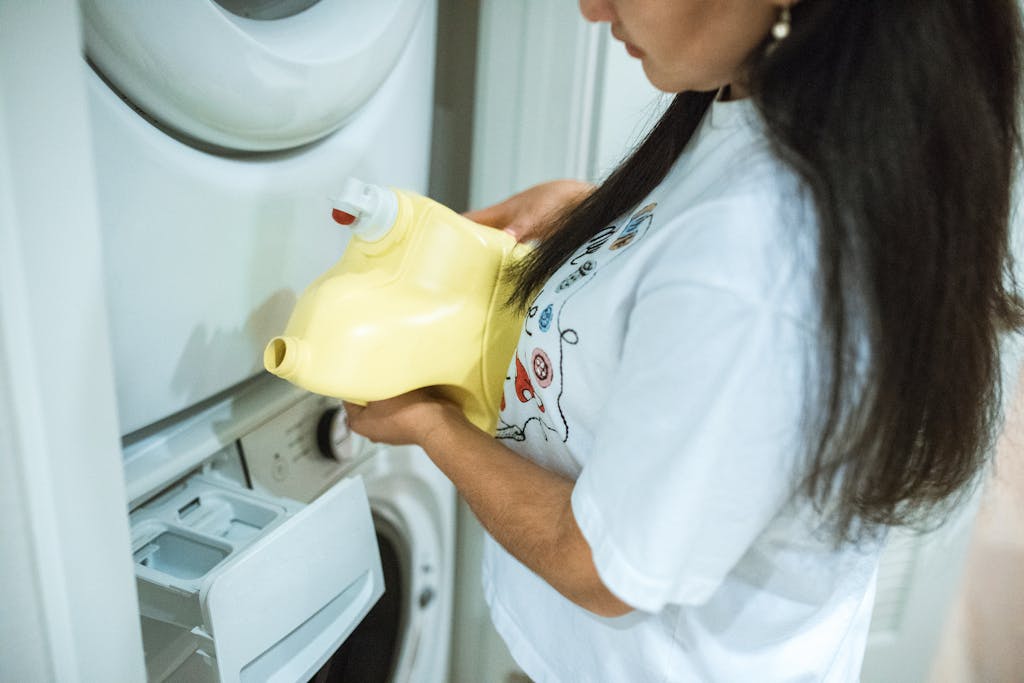
More detergent sounds like it should mean cleaner clothes, but laundry does not work that way
. Too much soap can leave residue behind, especially in collars, underarms, towels, and thick fabrics.
Instead of rinsing away dirt, extra detergent can trap grime and make clothes feel stiff, sticky, or strangely dull.
This mistake can also worsen odors. When detergent residue stays in the fabric, it can hold sweat, bacteria, and body oils.
That is why some clothes smell clean when they come out of the dryer, then smell sour again after a few hours of wear.
Follow the detergent measurement on the bottle, and use less for smaller loads. Your clothes do not need a soap bath. They need the right amount of cleaning power.
Overloading the Washing Machine
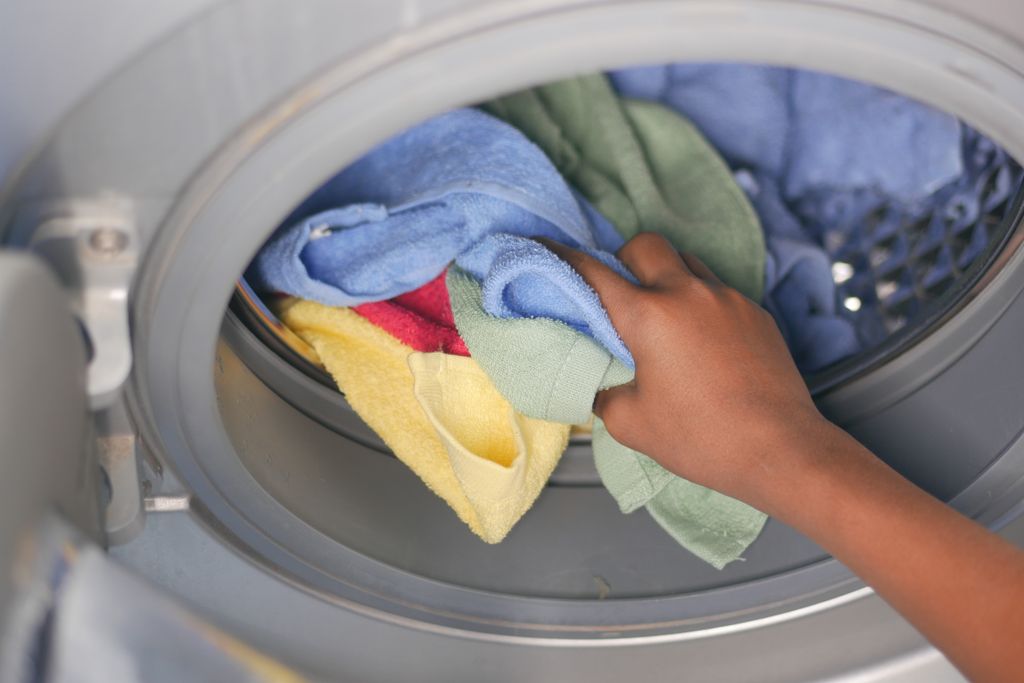
Stuffing the washer to the top feels like a smart time saver, especially when laundry has piled up for days.
The problem is that clothes need room to move. Water and detergent must circulate through the load to lift dirt, sweat, and stains.
When the drum is packed too tightly, clothes rub against each other but do not get properly cleaned.
Overloading can also strain the machine. The washer may shake, drain poorly, or leave detergent patches on fabric.
Clothes can come out twisted, wrinkled, or still smelling unwashed. A full load is fine, but a jammed load is trouble.
If you have to force the door shut or press clothes down with your hand, the machine is too full.
Washing With Water That Is Too Hot
Hot water feels powerful because people associate heat with cleanliness. That can be true for some towels, sheets, and heavily soiled items, but hot water can be rough on everyday clothing.
It can shrink fabric,weaken fibers, set certain stains, and make colors fade faster. A favorite black shirt can start looking tired long before its time.
Cold water is often enough for regular laundry, especially when clothes are lightly worn. Warm water can help with certain loads, but it should not be the automatic choice for everything.
Heat should be used with purpose, not habit. If you keep blasting every load with hot water, you may be paying more in energy costs and replacing clothes sooner than necessary.
Letting Stains Sit Until Wash Day
A fresh stain is annoying, but an old stain can become a permanent reminder of one careless moment
Food, oil, sweat, makeup, coffee, and sauce can sink deeper into fabric the longer they sit. Once heat from the dryer touches an untreated stain, it can become much harder to remove.
The best move is to treat stains quickly. Blot the stain gently, use the right treatment, and avoid rubbing it aggressively.
Keep a stain remover near your laundry area or bathroom so you can act before the mark settles in. Waiting until laundry day may feel easier, but that delay can turn a small spill into a ruined shirt.
Scrubbing Stains Like You Are Cleaning a Floor
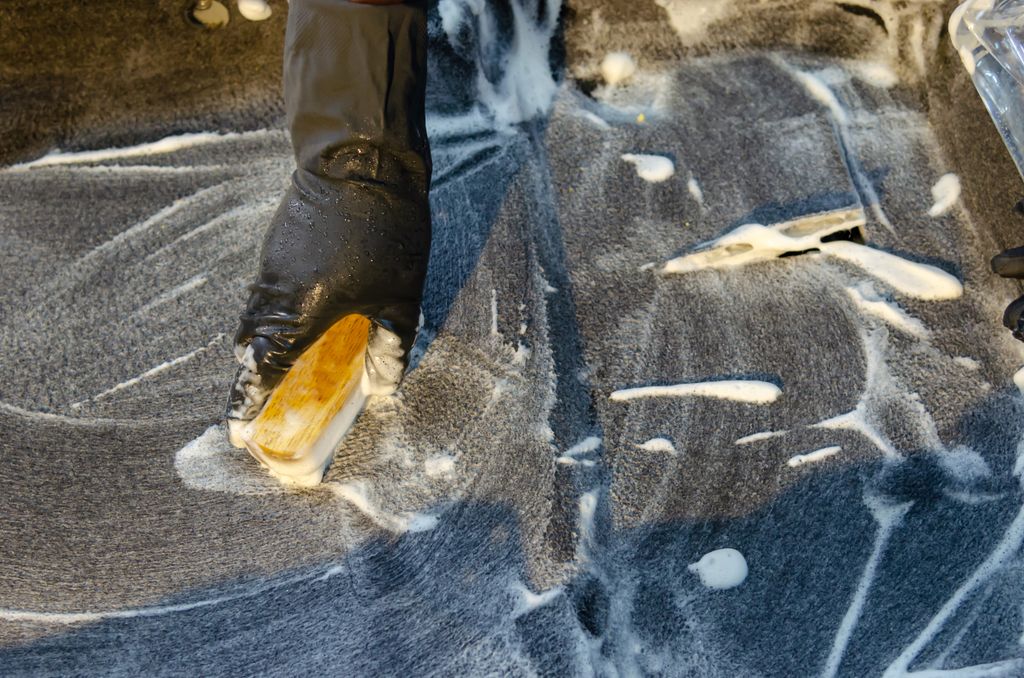
When people see a stain, they often attack it with force. They scrub, twist, and rub the fabric hard because they want the mark gone immediately.
That rough treatment can spread the stain, push it deeper, or damage the surrounding fibers. By the time the stain fades, the fabric may look stretched, fuzzy, or worn.
Gentle blotting works better than angry scrubbing. Move from the outside of the stain toward the center to prevent it from spreading.
Use the right water temperature for the stain type, because cold water and warm water do not work the same way on every mess.
Laundry care is not about fighting the fabric. It is about helping the stain lift without hurting the clothes.
Mixing Colors Without Thinking
Some people throw everything together and hope for the best. That gamble may work a few times, especially with older clothes that have already been washed many times.
Newer items, dark clothing, bright reds, and deep blues can still bleed dye. One careless load can turn white socks pink or make a light shirt look dingy.
Sorting does not have to be complicated. Keep whites, darks, bright colors, and delicate items separate when possible. Wash new, colorful clothes with similar shades the first few times.
Cold water can reduce color bleeding, but it does not erase the risk completely. A little sorting protects the clothes you already paid for, which is much cheaper than replacing ruined pieces.
Throwing Delicates Into Regular Loads
Delicate clothes are often damaged because people treat them like ordinary laundry. Lace, silk, bras, thin knits, dress shirts, and soft fabrics can snag, stretch, twist, or lose shape in a rough wash cycle.
Even if they survive one wash, repeated harsh cycles can slowly break them down.
Use a mesh laundry bag, choose the delicate cycle, and wash fragile items with similar fabrics. Some pieces should be hand-washed or laid flat to dry.
That may sound like extra work, but it is still less frustrating than ruining something expensive after only a few wears. Delicates are called delicates for a reason. They need less force and more care.
Using the Dryer Like Every Fabric Can Handle It
The dryer is convenient, but it can be brutal on clothes. High heat can shrink cotton, fade denim, damage elastic, weaken activewear, and make fabrics pill faster.
Clothes may come out warm and dry, but that heat can slowly steal their shape, softness, and color.
Air-drying is gentler on many items, especially jeans, sweaters, workout clothes, bras, and stretchy fabrics.
If you need the dryer, use a lower heat setting and remove clothes when they are slightly damp to reduce wrinkles and damage.
The dryer should help you finish laundry, not quietly age your entire wardrobe.
Forgetting to Clean the Dryer Lint Trap

The lint trap is easy to overlook when you are rushing, but ignoring it can create real problems.
A clogged lint trap makes the dryer work harder, slows drying time, and wastes energy. Clothes may stay damp longer, leading to musty odors and repeated drying cycles.
There is also a safety concern. Lint is highly flammable, and buildup inside the dryer system can increase the risk of fire. Clean the lint trap after every load, and check the dryer vent regularly.
If clothes suddenly take longer to dry, that is a warning sign. Laundry should not become a fire hazard because of one forgotten screen.