Money management is something many of us struggle with, but we often don’t realize how certain bad habits are slowly draining our bank accounts. These habits aren’t always obvious at first, but over time, they can add up to significant financial losses. Without even noticing, we may be sabotaging our financial future through simple day-to-day decisions.
If you recognize some of these habits in your own life, it’s time to reassess your spending. By addressing them, you can take charge of your financial situation and work towards securing a stable, prosperous future. Taking small, consistent steps now will lead to significant improvements in your financial well-being down the road.
Impulse Buying

Impulse buying is a habit that can quickly chip away at your bank account without you even realizing it. The thrill of purchasing something on the spot, whether it’s clothes, gadgets, or snacks, can be addictive.
When you frequently give in to impulse buys, your financial goals take a backseat. It’s easy to convince yourself that these purchases are harmless, but in the long run, they add up and leave you with little savings.
Ignoring Your Budget
One of the biggest mistakes you can make is failing to stick to a budget. Without a clear understanding of where your money is going, it’s easy to overspend, particularly in areas like dining out or entertainment.
A budget isn’t just about restricting spending; it’s a tool to help you make informed financial decisions. Tracking your income and expenses helps you avoid unnecessary spending and stay on track with your goals.
Not Saving for Emergencies

Life is full of unexpected events, such as medical bills, car repairs, or job loss, and having an emergency fund is essential. Many people live without a buffer, relying on credit cards or loans to cover unplanned expenses.
By not saving for emergencies, you are leaving yourself vulnerable to financial stress when the unexpected happens. Setting aside a small portion of your income each month for emergencies can protect you from high-interest loans or credit card debt.
Using Credit Cards Too Frequently
Credit cards can be a convenient tool, but using them too often can lead to serious financial problems. Many people use credit cards for everyday purchases, forgetting that they have to pay them back eventually.
If you don’t pay off your balance in full each month, the interest will eat into your savings. Try using credit cards sparingly, only for purchases you can afford to pay off immediately, to avoid falling into debt.
Paying for Subscriptions You Don’t Use

Many people subscribe to streaming platforms, gym memberships, and magazine subscriptions, only to forget about them or stop using them. These seemingly small, recurring charges can quietly drain your account over time.
By canceling unnecessary subscriptions and only keeping the ones you truly use, you can save a significant amount of money each month. Make it a habit to regularly assess your subscriptions and trim the ones that no longer serve you.
Not Shopping Around for Better Deals
When it comes to big purchases or recurring bills, not shopping around for the best deal can be a costly habit. Many people accept the first offer they encounter or remain with the same service providers out of convenience.
Take the time to shop around and compare prices for the products and services you regularly use. This habit can add up to hundreds or even thousands of dollars saved over time.
Ignoring Retirement Savings
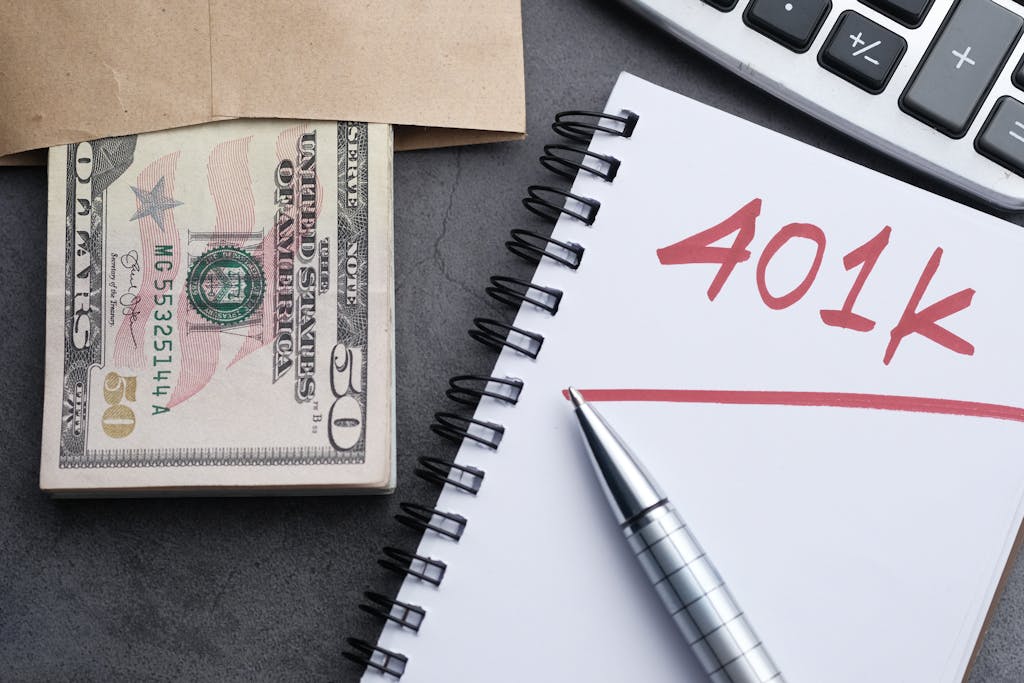
Many people put off saving for retirement, thinking they have plenty of time or don’t have enough to contribute. However, delaying retirement savings means missing out on the benefits of compound interest.
Even if you can only contribute a small amount each month, starting early gives your money the opportunity to grow. Contributing to retirement accounts like a 401(k) or IRA ensures that you’ll have money saved for the future, without relying on Social Security.
Living Above Your Means
Living above your means is a dangerous habit that many people fall into without realizing it. It’s easy to get caught up in the desire to keep up with friends or show off a certain lifestyle.
Cutting back on luxuries and focusing on your needs over wants can help you live within your means. By prioritizing essentials and avoiding extravagant spending, you can start building a stable financial future.
Not Paying Attention to Fees
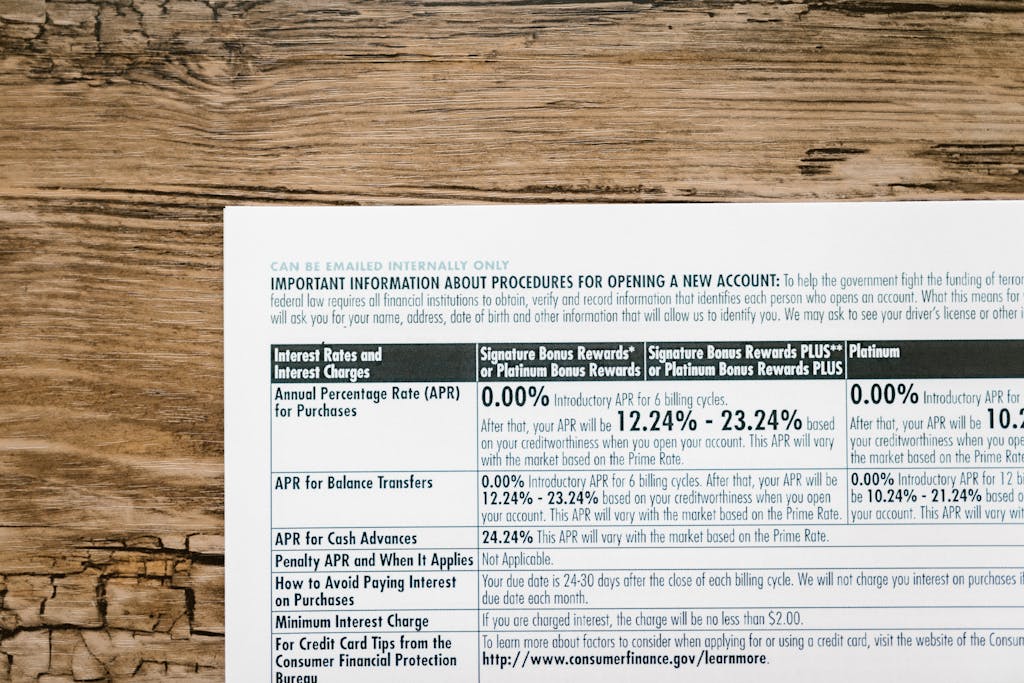
From bank fees and ATM charges to subscription renewals and late payment penalties, small fees can add up quickly. Many people don’t pay attention to these charges, but over time, they can take a significant chunk out of your money.
Taking the time to read the fine print and be mindful of unnecessary charges can save you a lot in the long run. Look for no-fee accounts, avoid late payments, and opt out of services with hidden fees to keep more of your money.
Keeping Up With Trends
Trying to keep up with the latest trends can lead to impulsive buying and unnecessary spending. Whether it’s the latest gadgets, fashion trends, or lifestyle fads, constantly purchasing what’s “in” can quickly drain your bank account.
Instead of focusing on what’s trending, prioritize buying things that align with your personal needs and long-term goals. This shift in mindset helps you save money and avoid impulse purchases that can set your financial future back.