Cast iron isn’t just a pan; it’s an investment, one that can last a lifetime if treated right. But here’s the catch: many people unknowingly ruin their skillets by following outdated advice or using the wrong methods. You might be unknowingly making these mistakes every time you cook. The good news? You don’t need to throw out your beloved cast iron just yet. With a few easy changes, your skillet can look and perform like new again.
Overheating the Pan
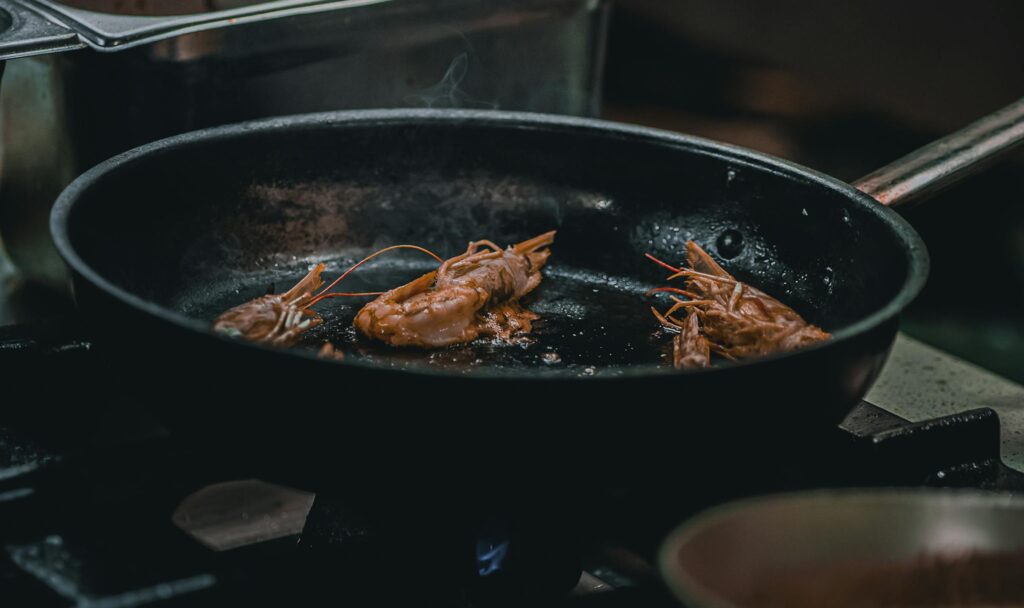
Cast iron rewards patience, not panic. One of the most common cast-iron skillet mistakes is blasting the burner and expecting instant results. Cast iron does not heat as quickly as aluminum, but it holds heat extremely well once it warms up. Preheat for a couple of minutes and turn the heat down rather than cooking everything on maximum. That single habit improves searing, reduces sticking, and makes the whole pan feel easier to manage.
Expecting Nonstick Performance
A well-seasoned cast-iron skillet has an easy-release surface, but it is still not the same thing as a brand-new nonstick pan. That matters because many beginners crack an egg into a barely heated, barely oiled skillet, then blame the pan instead of the method. We get better results when we accept the pan for what it is. A little oil or butter, a proper preheat, and less fussing with the food go a long way. Cast iron becomes far easier the moment we stop demanding perfection from a pan built for durability, searing, and heat retention over instant slipperiness.
Using Too Much Oil to Season

More oil feels safer, but it often creates the opposite result. If we drench a skillet during seasoning, the surface can become sticky, gummy, or uneven rather than smooth and durable. This is where many cast iron rescue jobs begin. We assume a shiny, greasy layer means protection, but good seasoning is thin, hard, and repeated over time. A light application, full heat, and patience outperform heavy-handed oil every time. If the pan feels sticky after seasoning, the usual culprit is not too little oil; it is too much.
Avoiding Soap Completely
The old rule that soap must never touch cast iron has outlived its usefulness. Lodge states plainly that mild dish soap is acceptable because modern seasoning is resilient. What actually causes trouble is the opposite extreme, letting grease, burnt bits, and old residue build up because we are afraid to clean the pan. A dirty skillet does not become better seasoned. It becomes dirty. The smarter rule is simple: wash by hand, use warm water, use mild soap if needed, remove stuck food sensibly, then dry the pan completely.
Dishwashing or Soaking the Pan
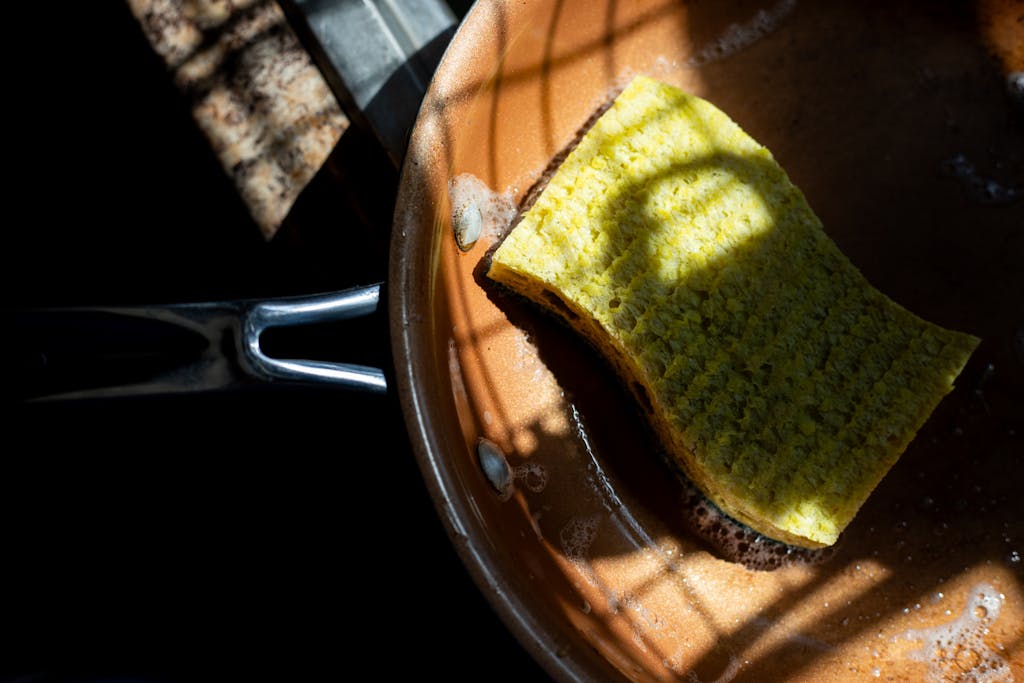
If there is one shortcut that reliably backfires, it is water exposure. Prolonged moisture is the shortest route to rust because bare iron never stops being iron under the seasoning. Soaking is not much kinder. A quick wash is fine. Letting a skillet lounge in the sink is not. Water seeps into weak spots in the seasoning, and once moisture lingers, rust follows. Cast iron prefers fast cleanup, not a long bath.
Air-Drying Instead of Drying Thoroughly
A cast iron skillet can survive serious cooking, but it hates casual dampness. Experts advise thoroughly drying the pan because any moisture left on it can cause rust. We should not leave a washed skillet on the rack and hope for the best. We should towel-dry it, and many cooks finish the job with a brief blast on the stove to drive off any hidden moisture. Then a whisper-thin film of oil helps protect the surface before storage. Small habit, huge payoff.
Throwing Away Rusted Pans
Rust looks dramatic, but it is rarely the end of the story. A rusted cast iron pan is not ruined. Their fix is straightforward: scrub away the rust, wash, dry completely, and re-season. That is one reason cast iron survives for generations while flimsier cookware disappears after a few rough years. The real mistake is assuming a rusty skillet belongs in the trash. Usually, it belongs on the counter for an hour of honest work. Cast iron is forgiving when we respond properly. Neglect creates rust, but rust does not automatically cancel the pan.
Cooking Acidic Foods in New Pans
This is the cast iron topic that creates the most unnecessary drama. Acidic ingredients are not forbidden forever, but they do require judgment. Tomato sauce, lemon juice, and similar ingredients are not ideal for new cast iron because they can break down the seasoning. Once the skillet is well seasoned, shorter acidic cooks are usually manageable, with Lodge giving under 45 minutes as a useful rule of thumb.
That means a fast pan sauce is one thing. An all-day tomato braise is another. For long-simmering, soups, chilis, or overnight marinating, enameled cast iron is the better choice because its porcelain surface is designed to handle acidic ingredients and refrigeration more comfortably. The mistake is not cooking acid at all; it is choosing the wrong cast iron for the job.
Leaving Food in the Skillet
Even a good meal can become bad if we let it sit in the pan for hours. Experts recommend cleaning acidic dishes promptly to minimize contact time and preserve seasoning. That advice makes sense beyond tomato sauce, too, because moisture, salt, and residue all work against a stable surface if they sit long enough. Serving from cast iron is great. Storing leftovers in seasoned cast iron is not our smartest move. The pan is for cooking. The fridge container is for holding. That division keeps seasoning happier and cleanup easier.
Scrubbing Too Hard
A stuck-on mess does not mean we need to attack the pan like we are sanding a deck. You are advised against using harsh detergents and abrasive scrub pads for routine cleaning, as they can wear down the protective coating. There is a difference between maintenance and repair. Steel wool has its place when rust needs to be removed, but it should not be our default after every batch of cornbread or chicken thighs. Daily cast iron care should feel methodical, not violent.