Dogs are known for their loyalty and unconditional love, but they also have boundaries. Although they might not be able to voice their dislikes, they can communicate their discomfort through body language, vocalizations, and actions.
As pet owners, it’s essential to understand that our behaviors might unintentionally cause anxiety or stress in our dogs. Certain human actions, whether intentional or not, can disrupt the harmony we share with our dogs. By recognizing these behaviors and learning to avoid them, we can create a peaceful, loving environment where both humans and dogs thrive.
Making Direct Eye Contact
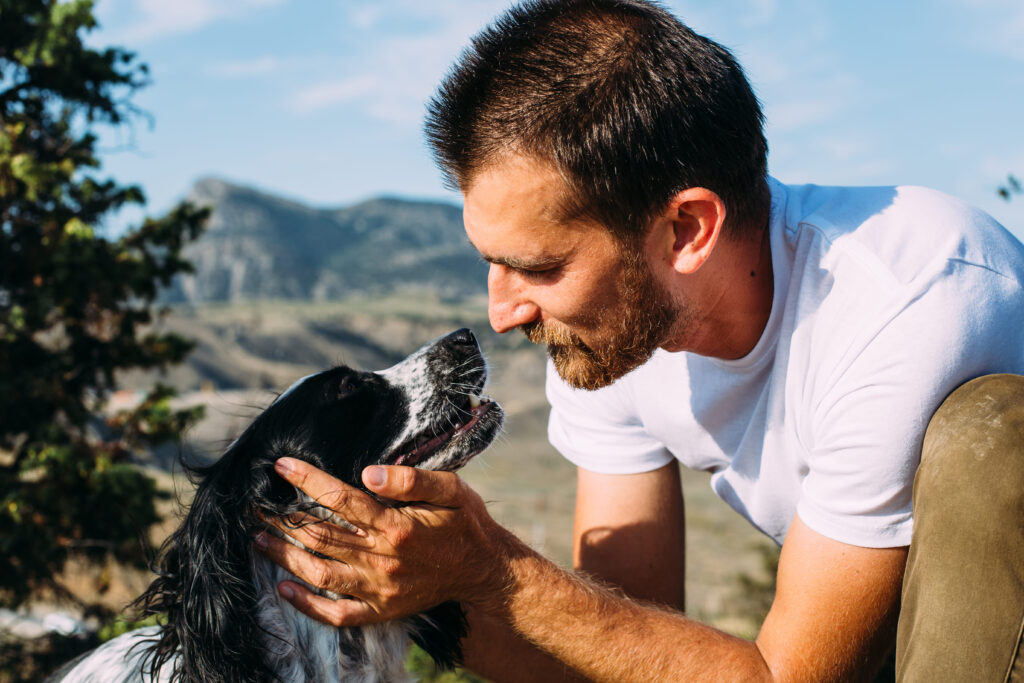
To us, direct eye contact is often a way to show affection and bond. However, for dogs, it can be seen as an intimidating or confrontational gesture. In dog language, maintaining direct eye contact is associated with dominance or aggression. While some dogs are comfortable with eye contact, especially if they are familiar with you, others may find it threatening, particularly if they feel insecure or frightened.
Why Dogs Dislike It: Dogs, like many animals, see prolonged eye contact as a challenge or a sign of threat. When a human stares directly at them, it can trigger anxiety or stress responses. For dogs with past trauma or fearful tendencies, this behavior can be especially triggering.
How to Avoid It: Rather than staring directly into your dog’s eyes, soften your gaze and allow them to approach you if they wish. A good way to gauge your dog’s comfort level with eye contact is to watch their response. If they avoid your gaze or look away, it’s a sign that they might be feeling overwhelmed. Gentle, intermittent glances are a more reassuring approach.
Rough Petting or Overstimulation
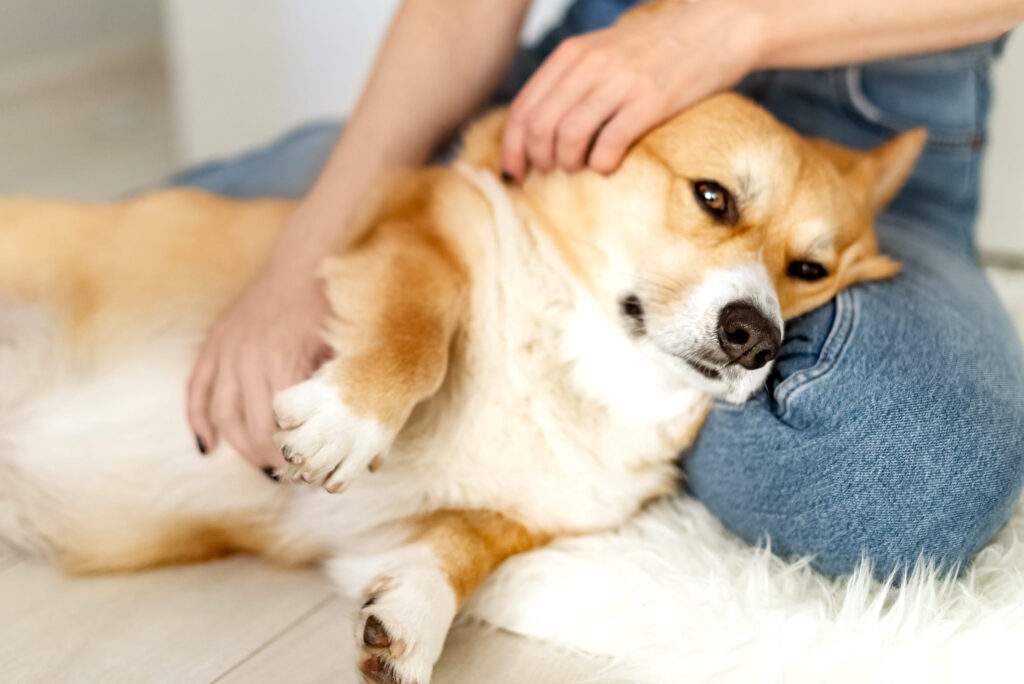
We all love giving our dogs affection, but some dogs may find rough or overly excited petting unpleasant. This is particularly true for dogs who are more sensitive or less tolerant of physical touch. While some dogs may love vigorous scratching or petting, others might feel overstimulated and become uncomfortable.
Why Dogs Dislike It:Rough petting or excessive touch can overwhelm a dog, especially in sensitive areas of their body. Dogs have different tolerances to touch, and what might feel good to one dog could be uncomfortable or even painful for another. Overstimulation can also trigger a fight-or-flight response in some dogs, causing them to retreat or become irritable.
How to Avoid It:Pay attention to your dog’s body language. Signs like pulling away, tensing up, or licking their lips can signal discomfort. If your dog seems to enjoy light petting, do so gently and avoid overwhelming them. Focus on areas where your dog enjoys being touched, like behind the ears or under the chin. If they want to move away, respect their space and give them a break.
Ignoring Their Personal Space
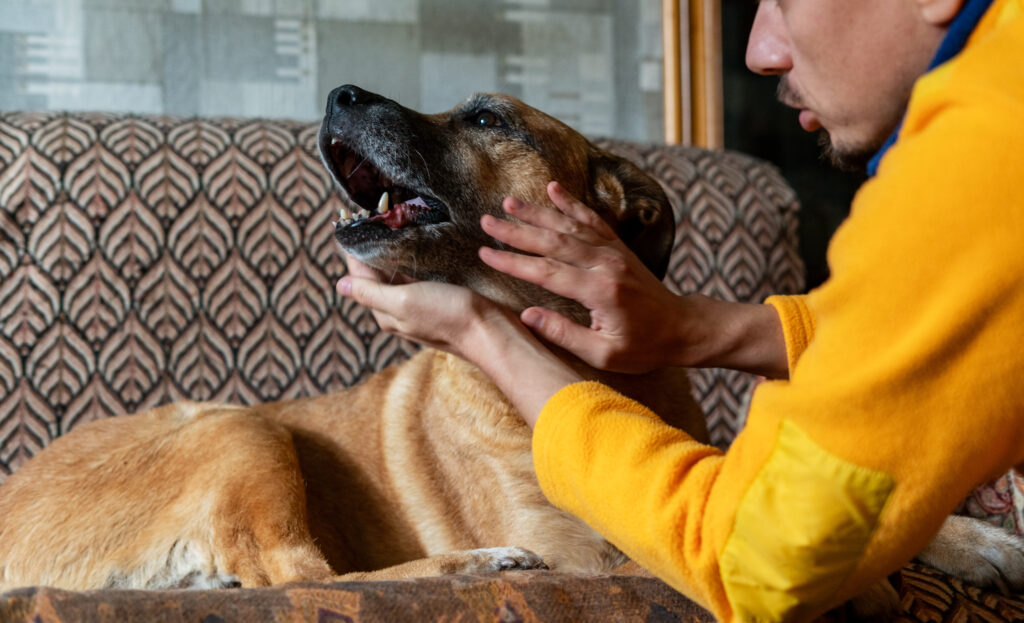
Dogs, like humans, need their personal space. Whether they are resting or simply want a quiet moment, it’s important to give your dog room to breathe. Dogs can tolerate varying levels of human interaction depending on their temperament, breed, and mood, but infringing on their personal space without consideration can lead to discomfort or even aggression.
Why Dogs Dislike It: When a dog is forced to interact with a human they don’t want to, they may feel trapped or stressed. Dogs often communicate their need for space by retreating to a safe spot, like their bed or a corner of the room. Ignoring these cues can make them feel anxious or fearful. This is particularly important to consider during moments when your dog is already showing signs of fatigue or stress.
How to Avoid It:Respect your dog’s need for personal space. If they retreat to their bed or move away from you, allow them the time and space to relax. Avoid forcing interaction, especially if your dog shows signs of wanting to be left alone. It’s essential to understand that just because a dog is in a room with you doesn’t mean they’re ready for constant attention.
Raising Your Voice or Yelling
Many dog owners find themselves raising their voices when they’re frustrated with their dog’s behavior, but this is counterproductive. Dogs have highly sensitive hearing, and loud or harsh tones can be overwhelming. Yelling often creates confusion or fear, making it harder for your dog to understand what you want.
Why Dogs Dislike It:When you raise your voice, especially in moments of frustration or anger, it can make your dog feel frightened or threatened. Dogs associate loud voices with negative experiences, which can erode the trust between you and your dog. Excessive yelling can also make it harder for your dog to focus on your commands, as they may be more focused on the emotional tone of your voice rather than the words you’re using.
How to Avoid It:Instead of yelling, try speaking calmly and using positive reinforcement when training. Dogs respond much better to calm, consistent tones, especially when rewarded for good behavior. If you feel yourself getting frustrated, take a deep breath before interacting with your dog. Remember, consistency, patience, and positive reinforcement are key to effective communication.
Inconsistent Training and Commands
Dogs thrive on routine and consistency. If they are constantly confused by changing rules, commands, or expectations, they may become anxious or act out. Inconsistent training can also make it difficult for your dog to understand what behaviors are acceptable.
Why Dogs Dislike It:Inconsistent behavior from their humans can confuse dogs. For example, if you allow your dog to jump on the couch one day but scold them for doing the same the next, they won’t understand why the behavior is wrong. This inconsistency can cause stress and frustration, especially for dogs that rely on clear guidelines.
How to Avoid It:Set clear boundaries and stick to them. Use consistent commands and ensure everyone in your household is on the same page with the rules. If you’re training your dog to follow a particular command, make sure you use the same word or gesture every time. Dogs are more likely to feel secure and calm when they know what is expected of them.
Ignoring Their Signals
Dogs communicate through their body language. They may use a variety of signals, such as yawning, lip-licking, or turning away, to indicate discomfort. Ignoring these signals can lead to increased anxiety and behavioral issues.
Why Dogs Dislike It:When a dog’s signals are ignored, they may feel that their feelings or discomfort are not being respected. This can increase stress and, in extreme cases, may cause a dog to act out in self-defense. Ignoring these cues can also lead to situations where the dog feels forced into an uncomfortable situation.
How to Avoid It:Learn to read your dog’s body language. If your dog is showing signs of stress or discomfort, give them space and allow them to calm down. Common signs of stress in dogs include licking their lips, yawning, stiff body posture, or avoiding eye contact. Being attuned to these cues will allow you to adjust your behavior and avoid making your dog feel anxious or threatened.
Forcefully Taking Objects Away
Dogs are protective of their belongings, whether it’s their food, toys, or personal space. Taking these items away abruptly can cause stress, and some dogs may even resort to resource guarding. They may become defensive, growl, or snap when they feel their possessions are threatened.
Why Dogs Dislike It: Resource guarding is an instinctive behavior in dogs, and when their belongings are suddenly taken away, they may feel insecure or threatened. If a dog is frequently deprived of their possessions without warning, they may develop anxiety around sharing or even become aggressive in an attempt to protect their things.
How to Avoid It:If you need to take something from your dog, do so gently and offer them an alternative. Try to exchange the object for something equally enjoyable, like a treat or another toy. This will prevent the dog from feeling like their resources are being taken away unfairly.
Unpredictable Movements
Sudden or unpredictable movements can startle a dog, particularly if they’re not expecting it. A sudden movement can trigger an instinctive fight-or-flight response, which can lead to anxiety, fear, or even aggression in some cases.
Why Dogs Dislike It:Dogs are highly sensitive to movement and sudden gestures, which can make them feel on edge. If a dog feels cornered or threatened by an unpredictable movement, they may react defensively, either by running away or snapping.
How to Avoid It:Move calmly and deliberately when interacting with your dog. Avoid making sudden, jerky movements, especially when your dog is resting or focused on something else. Slow, deliberate actions will help your dog feel more at ease and secure.
Lack of Physical Exercise or Mental Stimulation
Dogs are active animals that require both physical exercise and mental stimulation to stay happy and healthy. Without enough of both, dogs can become bored, anxious, or frustrated, leading to behavioral problems like chewing, barking, or digging.
Why Dogs Dislike It:Without proper outlets for their energy, dogs become frustrated. Boredom is a significant cause of undesirable behaviors, including destructive chewing, excessive barking, and aggression. Mental stimulation is just as important as physical exercise for keeping your dog’s mind sharp and healthy.
How to Avoid It:Ensure your dog gets enough physical exercise tailored to their breed, age, and energy level. In addition to walks, consider activities like fetch, tug-of-war, or agility training to keep them mentally engaged. Puzzle toys and training exercises can also provide mental stimulation to prevent boredom.
Inconsistent Routine
Dogs find comfort in routine. When their daily schedule is unpredictable, it can lead to stress and anxiety. Dogs rely on consistency in their feeding times, walks, and bedtime routines to feel secure.
Why Dogs Dislike It:An inconsistent routine can create confusion and anxiety in dogs. For example, if their feeding times are erratic, they may become anxious, not knowing when they’ll be fed next. A lack of routine can also cause sleep disturbances, which affect their overall well-being.
How to Avoid It:Establish a consistent daily routine for your dog. Stick to regular feeding times, walks, and bedtime. A predictable schedule helps your dog feel secure and reduces anxiety, making them more relaxed and well-adjusted.