When it comes to designing your home, even the smallest details matter. It’s easy to get caught up in the excitement of decorating a space, but sometimes, even the most well-intentioned choices can lead to design disasters. Luckily, avoiding some of the most common mistakes can completely transform your home into the stylish, functional space you’ve always dreamed of. From improper furniture placement to neglecting lighting, here’s a guide to the 10 mistakes you must avoid when designing your interior spaces.
Skipping a Design Plan
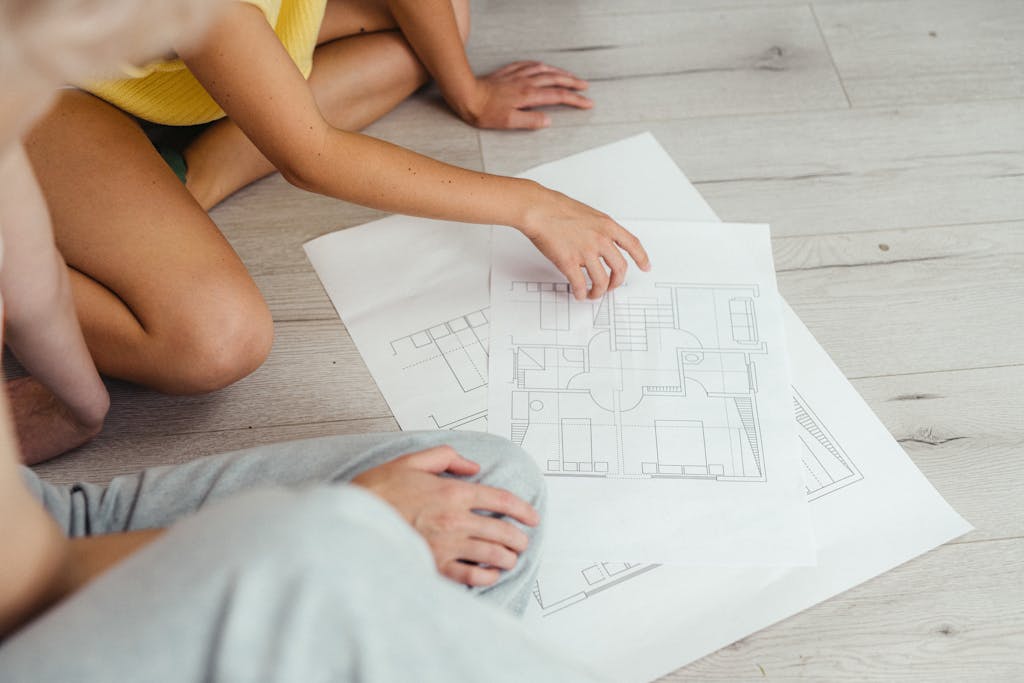
We’ve all seen it: the rush to get things done. However, jumping into decorating without a clear vision can often lead to a cluttered, disjointed look. Without a cohesive plan, your space will lack harmony and flow. A rushed approach could leave you with mismatched colors, furniture that doesn’t fit, and an overall lack of unity in your design.
How to Avoid It.
Take your time. Begin by developing a clear plan. Start with a mood board or an inspiration pinboard, gather ideas from design magazines or online platforms like Pinterest, and sketch out a layout. Visualizing your space before buying anything will ensure that your decisions align with your desired aesthetic.
Relying on One Light Source
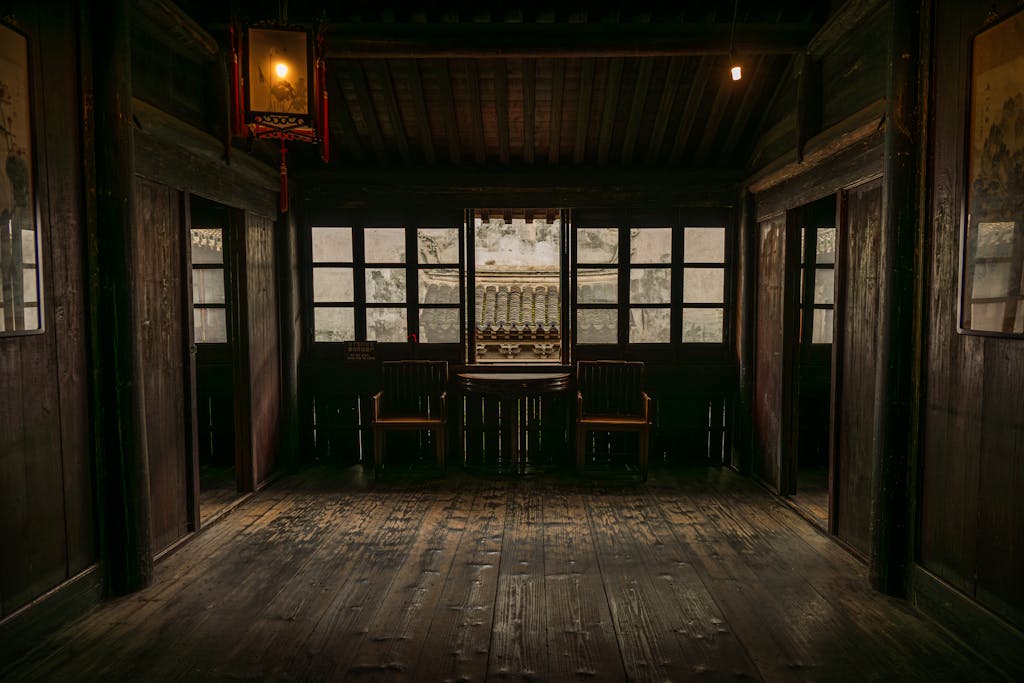
Lighting is one of the most important aspects of interior design, yet many people overlook its power. A single overhead light can create a dull, flat atmosphere, leaving the room feeling lifeless and uninspiring. Layered lighting—combining ambient, task, and accent lighting—is key to creating a dynamic and inviting environment.
How to Avoid It.
Incorporate a variety of light sources. Think about floor lamps, pendant lights, table lamps, and wall sconces to create a multi-dimensional lighting setup. Use dimmers to control the mood and be mindful of the color temperature of your bulbs to set the right tone for each room.
Choosing Paint Colors Before Furniture
Selecting your paint colors first is a common mistake. Although it seems logical, picking paint without considering your furniture and other decor can limit your options and cause design frustration down the road. Paint colors play a crucial role in the overall feel of the space, and they should complement the rest of your room.
How to Avoid It.
Decide on your furniture and key decor items before finalizing the wall color. This allows the paint to act as a backdrop, blending seamlessly with the other elements in the room. Test your paint samples on walls in different lighting conditions before committing.
Pushing Furniture Against the Walls
While it may seem like a smart move to push all your furniture against the walls to maximize space, this design flaw can make a room feel disconnected and unwelcoming. It’s essential to create conversation areas and encourage a flow that invites interaction and warmth.
How to Avoid It.
Instead of lining everything up against the walls, try to float your furniture. Group seating pieces to create cozy conversation zones and arrange them in a way that promotes comfort and connection. Remember, spacing matters for both aesthetics and function.
Overlooking Scale and Proportion
Designing with oversized or undersized furniture can throw off the entire balance of a room. Furniture that’s out of proportion with the space makes the room feel cramped, while furniture that’s too small can seem lost in a large room. The key is ensuring that everything in your space is in proper scale with one another.
How to Avoid It.
Measure your space carefully before purchasing furniture. Make sure your furniture fits well in your rooms and leaves ample walking space. Play with varying sizes, but keep the proportions balanced—larger furniture in larger rooms and smaller pieces in cozier areas.
Overaccessorizing
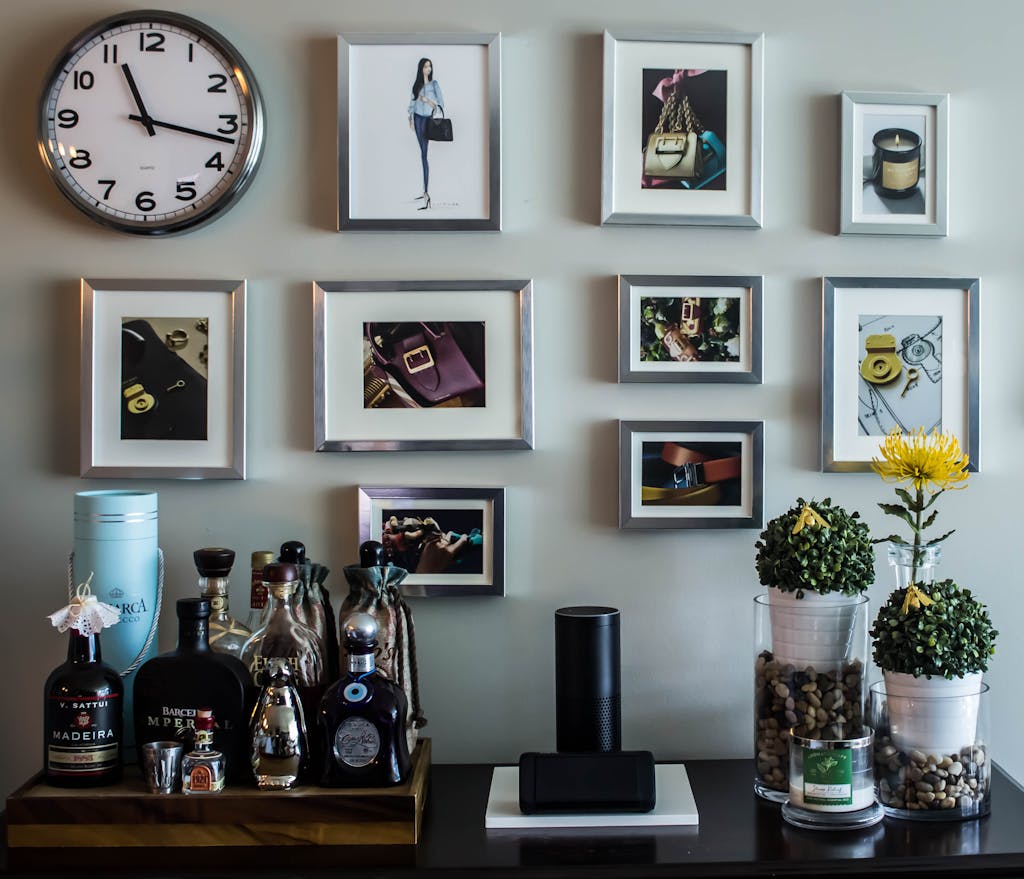
Accessories are the finishing touches that can elevate a room’s design, but it’s easy to go overboard. Too many accessories can lead to a cluttered, chaotic look that detracts from the room’s style. Instead of overloading your space with every trendy item you find, carefully curate your selection.
How to Avoid It.
Choose a few standout pieces that have personal meaning or add character to your space. Stick to a color palette that complements your existing furniture and décor. Remember, less is often more when it comes to accessories.
Prioritizing Aesthetics Over Functionality
A common mistake in interior design is focusing too much on aesthetics while forgetting about the functionality of the space. A beautifully designed room is useless if it isn’t practical for everyday living. You need to strike a balance between form and function to create a space that works for you.
How to Avoid It:
Think about how you use each space in your home. For example, if you’re designing a living room, consider comfort and convenience. Invest in durable, functional furniture like a sturdy coffee table or comfortable seating. Don’t sacrifice practicality for style; make sure your design choices are as functional as they are beautiful.
Poor Rug Placement
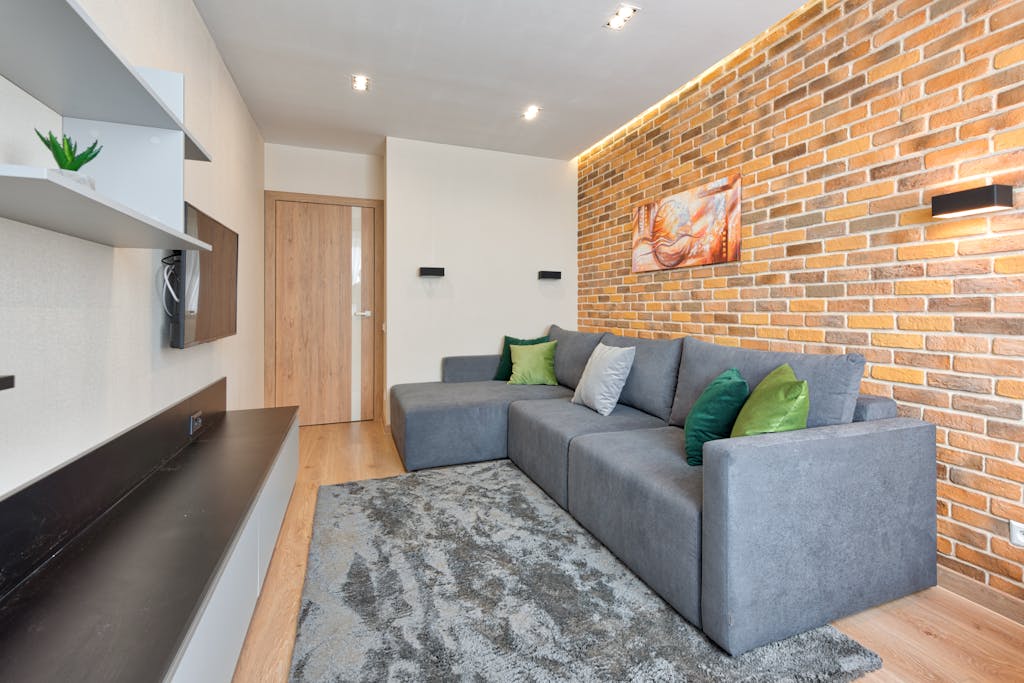
Rugs are a fantastic way to add texture and warmth to a room, but improper placement can disrupt the room’s flow. Rugs that are too small for the space or poorly placed can break the visual harmony. The size and placement of your rug can make or break your room’s aesthetic.
How to Avoid It.
Ensure that your rug is large enough to fit under all of the major furniture pieces in the room. If you have a large sofa, place the front legs of the sofa and chairs on the rug to tie everything together. Make sure the rug anchors the furniture grouping and doesn’t overpower or shrink the space.
Neglecting Window Treatments
Bare windows can make a space feel unfinished, but choosing the wrong window treatments can be just as detrimental. Ill-fitting curtains or blinds can make the room feel off balance and detract from your carefully curated design. Window treatments are an essential component in completing a room’s look.
How to Avoid It.
Choose window treatments that suit the room’s style, size, and function. If privacy is a concern, opt for shades that allow light to filter through while still providing coverage. For a more dramatic effect, choose floor-to-ceiling curtains that complement the room’s decor.
Following Trends Blindly
It’s tempting to hop on every new design trend, but doing so can lead to a room that quickly feels outdated. Design trends come and go, and blindly adopting every trend can result in a space that lacks timeless appeal. Instead, focus on creating a space that feels personal and reflects your style.
How to Avoid It.
Incorporate trends sparingly into your design. Focus on timeless pieces, such as quality furniture and decor, that will stand the test of time. If you want to include a trendy element, choose one or two pieces that resonate with your personal style rather than going all-in on the latest craze.
Conclusion
Achieving the perfect balance of beauty and functionality in your home requires more than just a creative eye. By avoiding these 10 common interior design mistakes, you’ll ensure that your space is not only stylish but also comfortable and practical for everyday living. Thoughtful planning, careful consideration of proportions, and keeping the balance between form and function are key to creating a space that works for you.
Remember, design is a journey. Take your time to plan, choose quality furniture, and think about the space’s flow and atmosphere. Whether you’re redesigning one room or your entire home, these simple tips can help you transform your living space into an elegant and harmonious environment.