Many popular pet products look harmless on store shelves, but veterinarians often see the painful results later. These are the common dog and cat products we should stop buying casually, along with safer alternatives that protect pets from choking, poisoning, injuries, stress, and nutrition problems.
Pet aisles are built to make us feel like better owners. The packaging smiles at us with cartoon bones, calming lavender, shiny collars, gourmet treats, “natural” formulas, and toys that promise instant happiness. The problem is that pets do not read marketing claims. They chew, swallow, scratch, inhale, tug, panic, chase, and react with bodies far smaller and more sensitive than ours.
That is why some of the products that look useful, cute, or healthy can become emergency-room problems. Veterinarians are not against comfort, fun, enrichment, or treats. They simply know which products repeatedly cause choking scares, stomach blockages, burns, poisoning, bad behavior, broken teeth, or long-term health risks. We do not need to empty the whole pet cabinet, but we do need to be more suspicious of anything sold as “natural,” “indestructible,” “calming,” or “vet-inspired” that lacks real safety.
Retractable Leashes That Give Dogs Too Much Freedom Too Fast
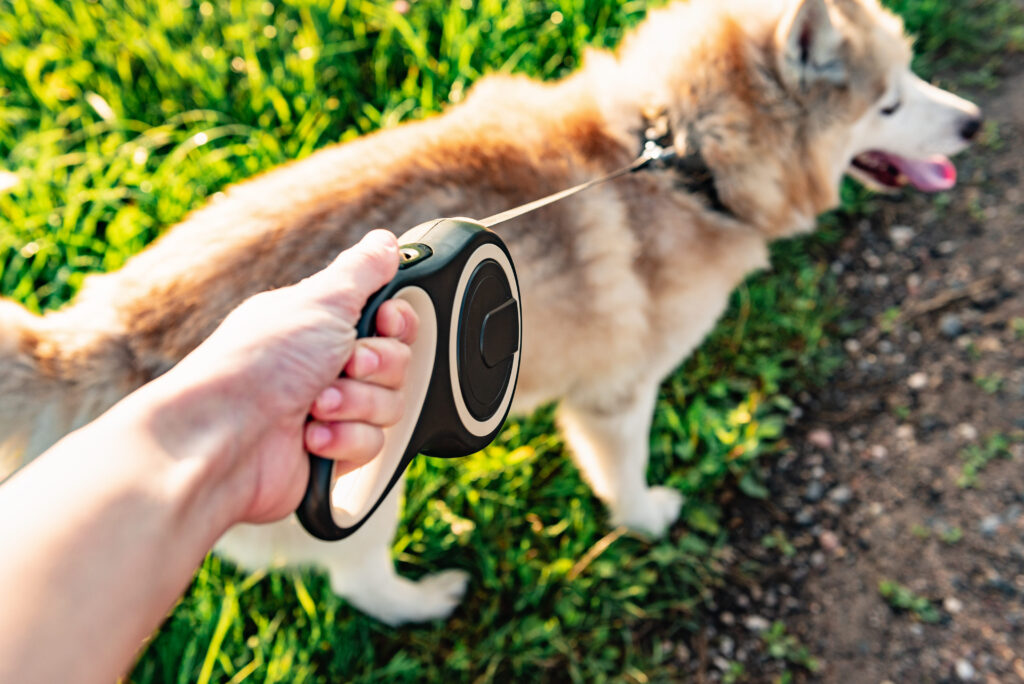
Retractable leashes seem convenient because they let dogs wander, sniff, and explore without being fully off-leash. The trouble starts when that freedom appears in the wrong place. A dog can dart into traffic, lunge toward another dog, wrap the cord around a person’s leg, or hit the end of the line with sudden force. The American Kennel Club warns that too much slack can become a hazard, and a dog that runs full speed before hitting the end of a retractable leash may suffer injuries involving the trachea or spine.
We should stop buying retractable leashes as everyday walking tools, especially for sidewalks, parking lots, vet clinics, elevators, crowded parks, and reactive dogs. The thin cord can also burn skin or tangle around fingers, ankles, and other pets. A safer choice is a sturdy 4 to 6-foot leash paired with a well-fitted harness or collar. For open-field sniffing, a long training line gives controlled distance without the sudden spring-loaded mechanism that makes retractable leashes so risky.
Rawhide Chews That Turn Into Choking And Blockage Hazards
Rawhide has been marketed for years as a classic dog chew, but veterinarians often dislike it because it softens into slippery pieces that some dogs swallow too quickly. Once swallowed, large pieces can pose a choking hazard or cause digestive blockages. WebMD notes that rawhide and other edible chews can pose a choking and blockage risk, especially for dogs that gulp rather than slowly gnaw.
We should be especially careful with power chewers, puppies, senior dogs, dogs with sensitive stomachs, and dogs that guard treats. The safer approach is to match the chew to the dog’s size, chewing style, dental health, and supervision level. Rubber enrichment toys, frozen stuffed toys, lick mats, veterinarian-approved dental chews, and softer, digestible treats usually make better choices. The Veterinary Oral Health Council maintains a list of accepted dental products for plaque or tartar control, providing owners with a more reliable starting point than flashy treat packaging.
Processed Bone Treats That Can Crack Teeth And Injure The Gut
A bone looks primal and satisfying, which is exactly why stores keep selling smoked bones, rib bones, knuckle bones, ham bones, and flavored bone treats. The danger is that bones can splinter, lodge in the throat, cut the mouth, damage teeth, or obstruct the digestive tract. The FDA previously reported dozens of illnesses linked to processed bone treats, with reports involving about 90 dogs and 15 deaths, including problems such as choking, vomiting, diarrhea, rectal bleeding, and gastrointestinal obstruction.
We should stop assuming that a product is safe just because it is sold in a pet store. Hard chews can also become a problem when they are too tough for the dog’s teeth. A useful rule many veterinarians share is simple: if a chew is so hard that it hurts when tapped against your kneecap, it may be too hard for your dog’s teeth. Instead, we should choose chews that bend slightly, break down safely, and fit the dog’s mouth without becoming a swallowable plug.
Raw And Freeze-Dried Raw Pet Food Bought Without Veterinary Guidance
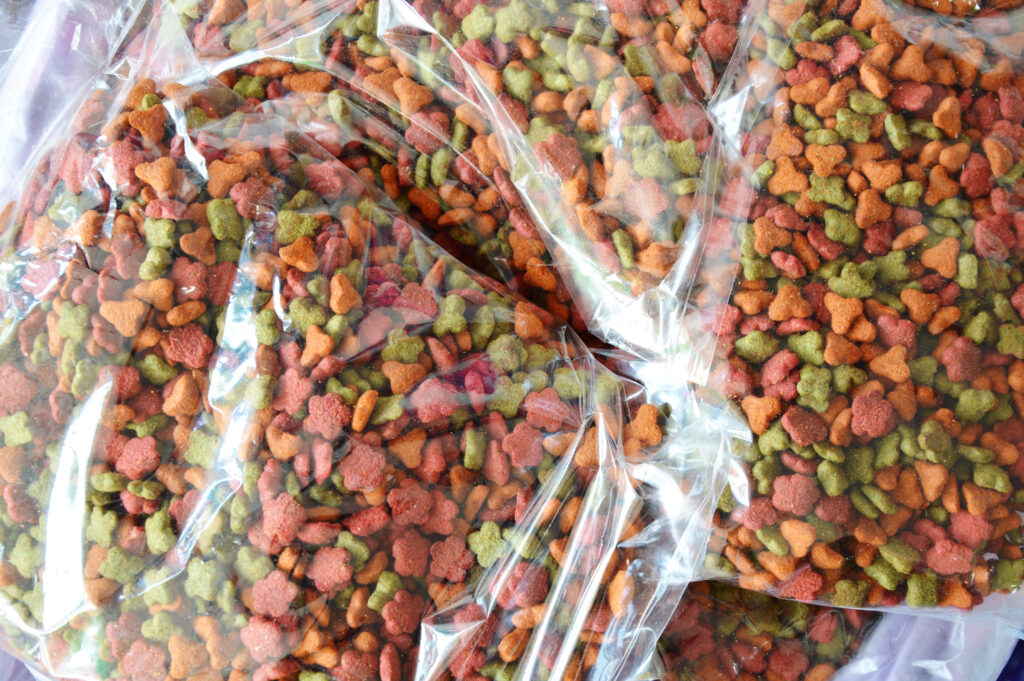
Raw pet food has a powerful health halo. The words sound clean, wild, ancestral, and more “real” than kibble. Yet raw meat diets can expose pets and households to bacteria such as Salmonella and E. coli. The AVMA discourages feeding cats and dogs animal-source protein that has not gone through a process to eliminate pathogens, and the FDA says raw pet food was more likely to be contaminated with disease-causing bacteria than other types of pet food tested.
We should be very cautious with raw diets in homes with children, older adults, pregnant people, immunocompromised family members, or pets with health problems. The risk is not only what happens inside the pet’s bowl. Bacteria can spread through bowls, counters, floors, saliva, feces, and hands. A better choice is a complete and balanced diet from a reputable manufacturer, or a home-cooked diet formulated by a board-certified veterinary nutritionist. “Fresh” does not automatically mean safe, and “raw” does not automatically mean biologically superior.
Trendy Grain-Free Diets With Peas, Lentils, And Potatoes High On The Label
Grain-free pet food became popular because many owners believed grains were cheap fillers or common allergy triggers. The science is more complicated. The FDA has investigated reports of canine dilated cardiomyopathy in dogs eating certain diets, many labeled grain-free and containing high proportions of peas, lentils, other pulses, or potatoes among the main ingredients. The agency has said the possible association is complex and may involve multiple factors.
We should stop buying grain-free food simply because the front of the bag sounds premium. Most dogs do not need grain-free food unless a veterinarian has identified a specific medical reason. Tufts veterinary nutrition experts have also emphasized that the issue appears more closely associated with diets containing pulses than with the absence of grain alone. The safer habit is to read the full ingredient panel, ask about feeding trials and nutrition expertise, and talk to a veterinarian before switching diets, especially for large breeds, breeds prone to heart disease, or dogs with long-term specialty diets.
Essential Oil Diffusers, Pet Perfumes, And Strong Scent Products
Humans love a room that smells like eucalyptus, lavender, citrus, peppermint, or tea tree. Pets experience scent differently. Cats, birds, and some dogs can be sensitive to concentrated oils, diffused particles, fragrance residues, and products placed directly on the skin. ASPCA Poison Control warns that essential oils can create problems through skin exposure, ingestion, and inhalation, with possible signs including weakness, behavior changes, vomiting, diarrhea, depression, and more serious effects in severe cases.
We should stop using essential oils as casual pet wellness products. “Natural” oils are still concentrated chemicals. Cats are especially vulnerable because grooming can turn skin exposure into oral exposure. Birds also have delicate respiratory systems, which makes aerosolized products especially concerning. Unscented cleaning, good ventilation, regular bedding washing, and frequent litter box maintenance are better odor-control tools than forcing pets to live in a cloud of fragrance.
Scented Cat Litter And Deodorizing Powders That Please Humans More Than Cats
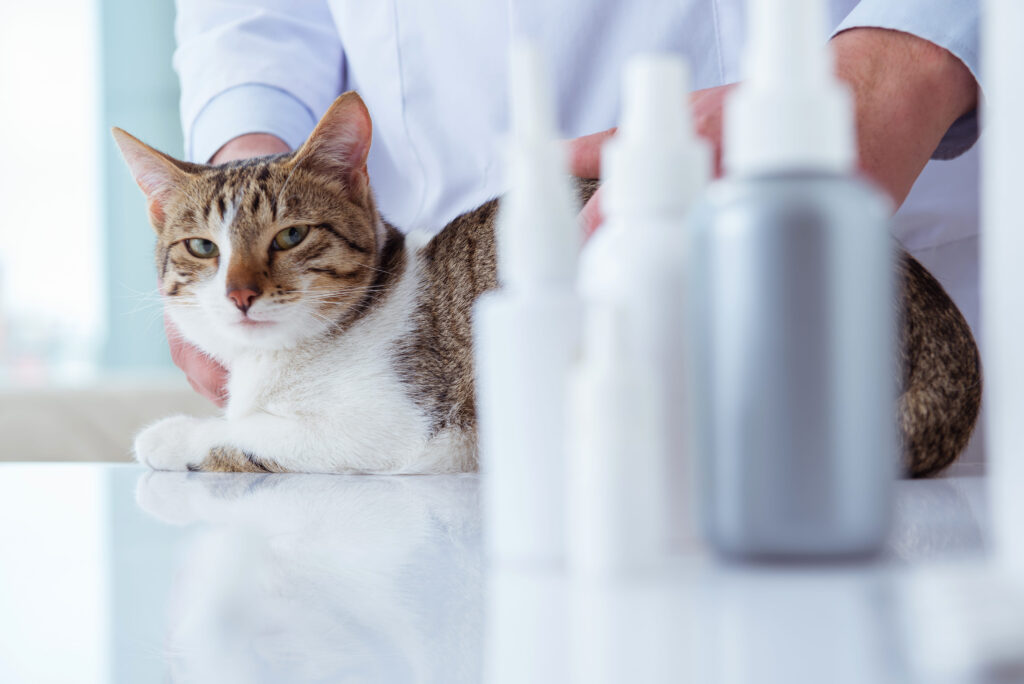
Scented litter solves a human problem, not necessarily a cat problem. Cats rely heavily on smell, and strong artificial fragrance can make the litter box unpleasant. Dusty or perfumed litter can also irritate sensitive airways. ASPCA Pet Health Insurance lists scented and dusty kitty litters among things to avoid around cats with asthma concerns.
We should stop buying litter based only on how it smells in the store aisle. The best litter is usually low-dust, unscented, comfortable under the paws, and easy to scoop daily. If a cat starts eliminating outside the box after a litter change, the “fresh scent” may be a contributing factor. Good litter box hygiene comes from enough boxes, regular scooping, full litter changes, and proper ventilation, not heavy perfume poured over waste.
Flea And Tick Products Chosen Without Species, Weight, Or Medical Checks
Parasite prevention matters. Fleas, ticks, and mites can cause real suffering and disease. The mistake is buying flea and tick products casually, especially when owners mix species, guess weight ranges, double up products, or use dog treatments on cats. The FDA advises pet owners to make sure flea and tick products match the pet’s species, life stage, and weight class, and specifically warns not to use dog products on cats.
We should stop treating parasite products like ordinary shampoo. Some ingredients that are tolerated by dogs can be dangerous to cats, and some pets have medical histories that require extra caution. The AVMA also advises checking the correct weight range because dosing matters. The better approach is to ask a veterinarian which product best suits the pet’s species, age, weight, environment, travel habits, and health profile. Prevention is good. Guesswork is not.
Tiny Toys, Rope Toys, And “Indestructible” Toys That Break Apart
A toy does not need to look dangerous to become dangerous. Squeakers, stuffing, rope fibers, plastic eyes, loose seams, small balls, and broken rubber pieces can all become swallowable objects. The ASPCA’s position on dog chews and treats warns that products that are excessively small or fragmented should not be offered as pet toys because intestinal blockage requiring surgical removal can occur.
We should stop buying toys based only on cuteness or toughness claims. No toy is truly indestructible for every dog. Rope toys may work for supervised tug, but they are poor choices for dogs that chew and swallow strings. Plush toys may be fine for gentle carriers but risky for shredders. The safer habit is to size up, inspect toys often, remove damaged pieces immediately, and choose enrichment toys designed for the pet’s actual behavior, not the behavior we wish they had.
Laser Pointers Used As The Main Game For Dogs And Cats
Laser pointers look harmless because they create movement without mess. Many cats chase the red dot with dramatic enthusiasm, and some dogs become obsessed with it. The problem is that the animal never catches anything. For some pets, especially high-drive dogs, that frustration can feed compulsive searching, shadow chasing, light fixation, and anxiety-like behavior. The veterinary behavior literature has discussed light and reflection chasing as a possible abnormal, repetitive behavior concern, especially when the chasing becomes intense or difficult to interrupt.
We should stop using laser pointers as the main form of play. If we use one at all, the session should end with a real object the pet can catch, bite, kick, or eat. Wand toys, rolling treat balls, flirt poles, snuffle mats, food puzzles, and hide-and-seek games give pets a complete hunting sequence. Chase is only one part of the play. Pets also need the satisfaction of capture.
Non-Breakaway Cat Collars and Poorly Fitted Neck Gear
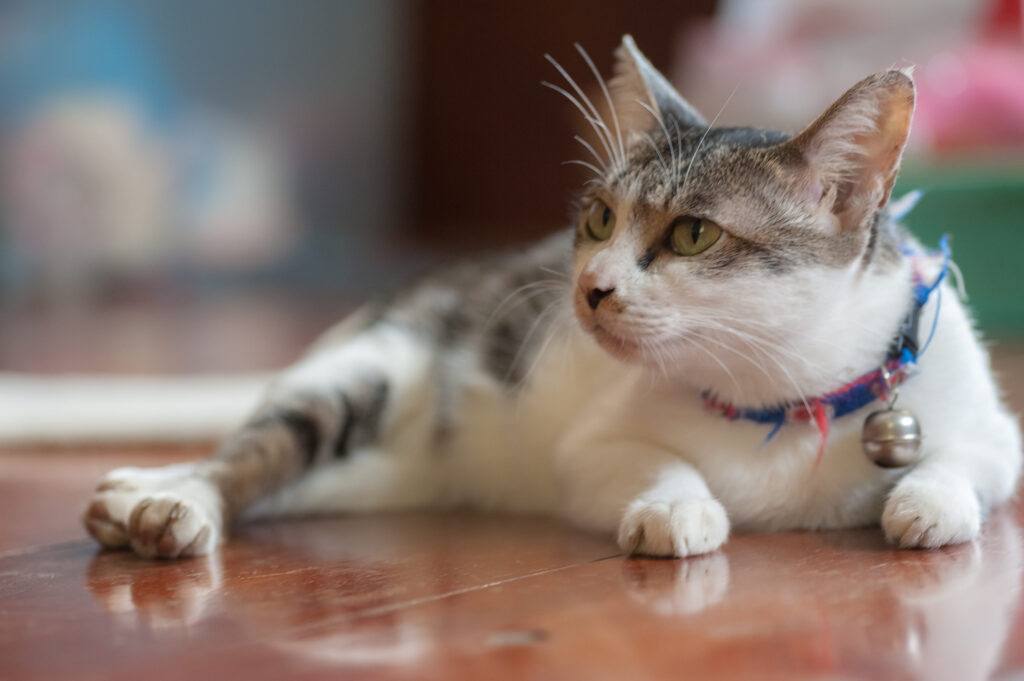
Collars seem simple until they catch on something. Cats climb, squeeze, scratch, jump, hide, and wedge themselves into tight spaces. A collar that cannot release can trap a cat by the neck, jaw, or leg. The Blue Cross advises avoiding non-breakaway or elastic collars on cats and recommends quick-release designs that can come apart if the collar gets stuck.
We should stop buying cat collars like fashion accessories first and safety products second. A safe cat collar should be quick-release, lightweight, correctly fitted, and checked often. The RSPCA says collar injuries are rare but can be serious, and it recommends fitting the collar so one large or two small fingers can fit between the collar and the cat’s hair. For identification, microchipping remains more dependable than relying on a collar alone.