We often encounter everyday things that appear to function as expected but fail to fulfill their purpose. These seemingly helpful items often mislead us, creating an illusion of effectiveness.
Before diving into specific examples, let’s consider just how common it is to trust widely used gadgets and systems. From hotel thermostats to fitness trackers, many of these fall short of the hype. Here’s a breakdown of some widely accepted products and systems that aren’t as reliable as we believe.
Hotel Thermostats

When adjusting the hotel thermostat, you may be wasting your time. Most are designed as motion sensors and only change temperature in response to significant shifts in conditions, giving the illusion of control.
These systems conserve energy by limiting temperature changes, making guests feel in control without actual influence.
Progress Bars
Progress bars rarely show actual progress. Displayed percentages are based on milestones, not data transferred. Factors like network speed and file size variability can make the time left displayed completely inaccurate.
This could result in a progress bar showing 50% complete when, in fact, the transfer is nowhere near halfway done. It’s a calculated guess rather than an exact measurement of the task’s progress.
Pedestrian Crossing Buttons
Crosswalk buttons often don’t affect the light. Sometimes they’re irrelevant, giving only an illusion of control. In other cases, they work only during high pedestrian demand.
It can be confusing to know if pressing helps. Still, it’s usually the only option, since there’s no guarantee when the light will change.
Fitness Trackers
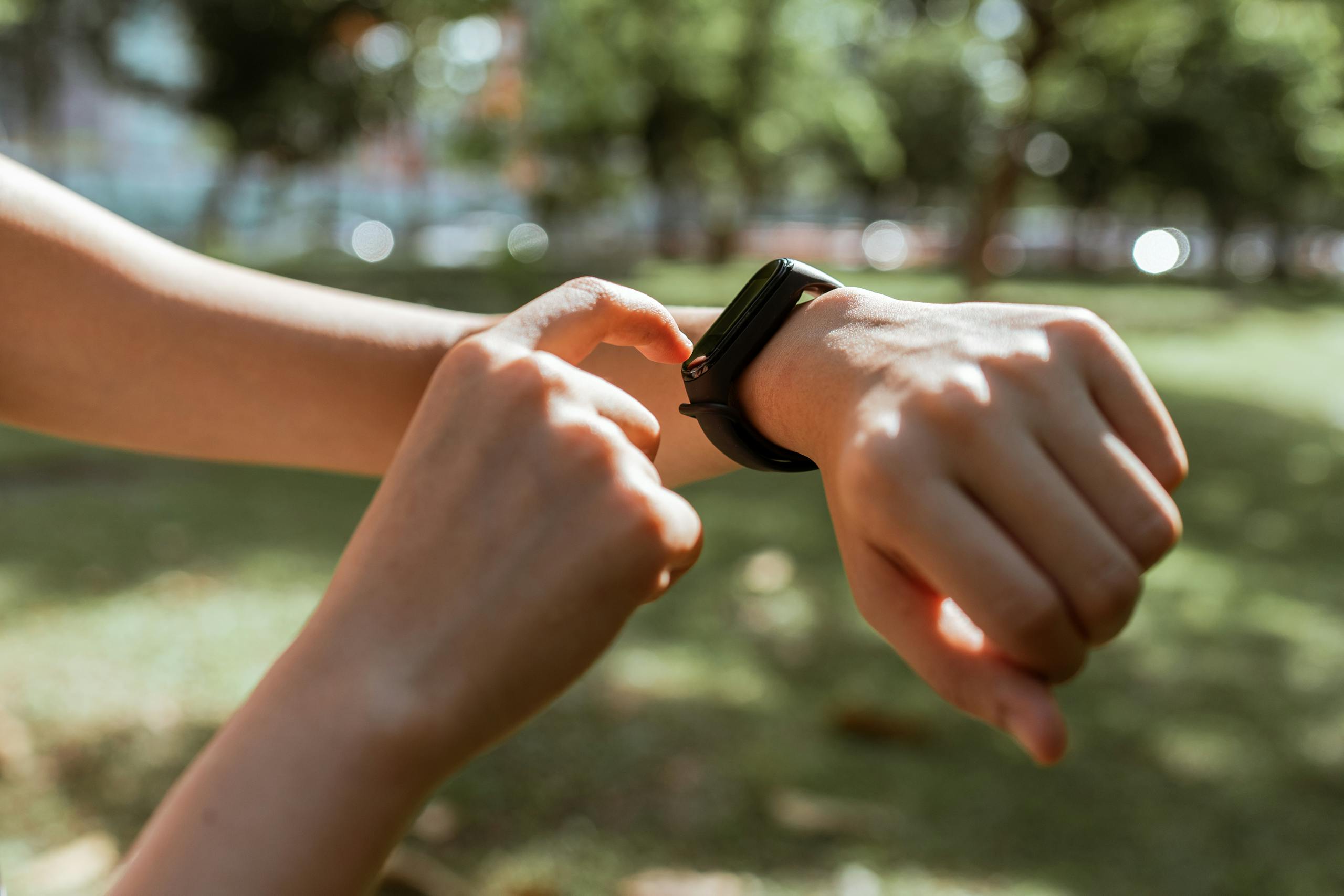
Fitness trackers, including some of the most popular devices like the Fitbit and Apple Watch, are notorious for inaccuracies—especially when it comes to calorie burn during exercise. While these devices can effectively monitor heart rate, their calorie-tracking feature has proven unreliable.
Studies, such as one from Stanford University, have shown that these devices can miss the mark by significant margins, with error rates sometimes exceeding 25%. This issue stems from fitness trackers typically using generalized data, such as default height and weight, that don’t account for the unique metabolic rates of different individuals.
Open-Closed Buttons on Tube Trains
On the London Tube, the “open” and “close” door buttons appear to offer control over the doors.However, they’re essentially inactive. The train operator controls the doors, and these buttons are merely for show. They were once functional but were disabled for safety and efficiency reasons.
Passengers used to press the “close” button, which would shut the doors prematurely, often trapping others or causing delays. Now, these buttons exist solely for aesthetics.
Sunscreen
Sunscreens are marketed as essential for protecting our skin from harmful UV rays, but many fall short of their claims. According to a 2017 study by the Environmental Working Group (EWG), only a fraction of sunscreens meet their claims.
Many sunscreens lack UVA/UVB protection and contain potentially harmful chemicals. Despite SPF, most products tested worked poorly, offering little protection.
Ultrasound Mosquito Repellents

Ultrasound-based mosquito repellents have been marketed for years to keep pesky insects at bay. These devices emit high-frequency sounds intended to deter mosquitoes. However, the science behind this claim is deeply flawed. Mosquitoes are not repelled by ultrasonic sounds, and there is little evidence that these devices work.
The repellents’ frequencies don’t match those of mosquito predator sounds, underscoring the myth of their effectiveness.
PC Cleaning Software
PC cleaning software promises to optimize your computer, speed it up, and fix problems. But in most cases, these programs are either ineffective or entirely unnecessary. Many of the issues they claim to resolve—like cleaning temporary files and cookies—have minimal impact on your computer’s performance.
Built-in system tools in operating systems like Windows or macOS already handle these tasks efficiently. In fact, many third-party cleaning programs are known for issuing false warnings about nonexistent issues, essentially preying on users’ lack of technical knowledge.
Office Thermostats
Like hotel thermostats, many office thermostats only give the illusion of control. Studies show that many are inaccurate or nonfunctional and preset to a narrow range.
Employees may find themselves dialing up the thermostat in an attempt to achieve comfort, only to realize their efforts are futile. The issue stems from poor HVAC management, leaving workers frustrated by an uncomfortable office temperature.
Sports Drinks

Sports drinks are marketed for hydration, but they’re often unnecessary. High sugar and sodium intake can cause dehydration and electrolyte imbalance.
In fact, drinking too many sports drinks can result in a condition known as hyponatremia, which is causedby consuming too much water and diluting sodium levels. For the average person, water is the best option for staying hydrated during exercise.
Conclusion
In conclusion, these everyday things that we rely on often fail to meet our expectations. Whether it’s a thermostat that can’t adjust the temperature or a sports drink that doesn’t deliver real hydration benefits, many of these commonly accepted items are designed to deceive or simply don’t work as advertised.
Recognizing these flaws can help us make better, more informed choices about the products and services we use daily.