Water is something most of us barely think about, until it runs out. We casually flick on the faucet, forget about the cost of a shower, and water plants as if our taps are infinite sources of clean liquid. However, in some countries, water scarcity isn’t just a matter of inconvenience; it’s a bizarre, sometimes surreal struggle for survival.
These nations have developed strange, creative, and occasionally absurd ways to manage or cope with their water shortages. From rationed water schedules that resemble a game of chance to digging deep into ancient reserves, these places face water crises that leave you wondering if fiction has blurred with reality.
Jordan
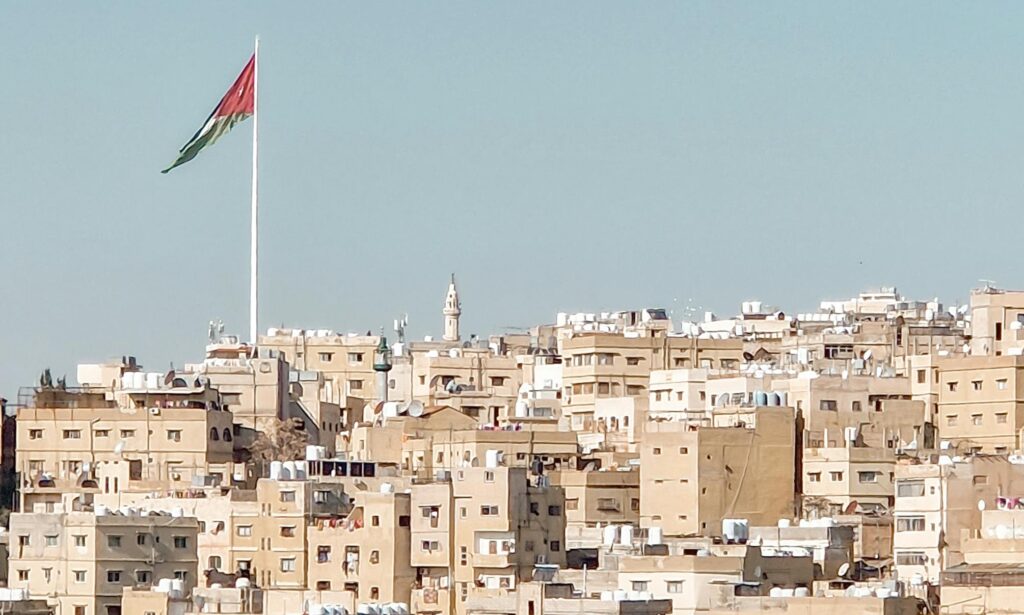
Jordan has become synonymous with extreme water scarcity, where taps are no longer reliable, and water arrives like an uninvited guest. In Amman and much of the country, water flows only when it feels like it. Many homes must rely on water trucks or wait for the trickle that shows up once every few days. It’s so unpredictable that people schedule their lives around it, and rooftops are adorned with tanks to collect the occasional drop. As one of the world’s driest countries, Jordan is running out of options to secure its water supply. Despite its progress, water scarcity remains a constant source of tension and inconvenience.
Lebanon
Lebanon, once blessed with abundant rivers and rainfall, now faces a peculiar water crisis. In cities like Beirut, water availability is a guessing game, with residents unsure if they’ll get a drop on any given day. The infrastructure, aging and fragile, cannot keep up with growing demand, and rural areas are even worse off, suffering from a lack of irrigation and rapidly depleting water resources. Climate change has only exacerbated this, with diminishing snowfall in the mountains that feed Lebanon’s rivers. The country is slowly becoming a case study in how rapidly a once-thriving water system can turn into a game of chance.
Iraq
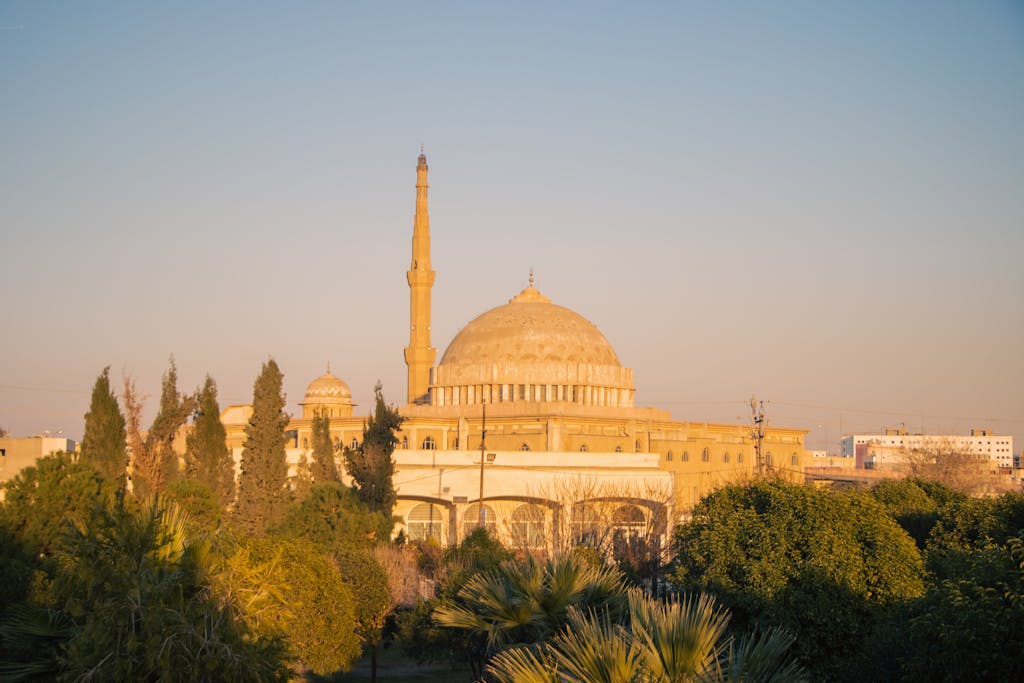
Iraq’s legendary rivers, the Tigris and Euphrates, once nourished civilizations, but today they are dying at an alarming rate. Due to a combination of overuse, upstream dams, and decades of conflict, the flow of water has slowed to a trickle. Baghdad faces daily water shortages, with taps often running dry for hours or days. Farmers struggle to irrigate crops, and industries rely on increasingly scarce water supplies, with pollution and industrial runoff compounding the problem. Iraq’s once-robust irrigation system now feels more like a last-ditch effort to stave off a water crisis that threatens the country’s very survival.
Mexico
Mexico City, with its nearly 22 million residents, is sinking at an alarming rate due to its overconsumption of water from underground aquifers. For decades, water has been extracted faster than nature can replenish it, causing the ground to settle unevenly and collapse. The city’s once-sturdy infrastructure now appears to tilt as the buildings sink, creating an eerie backdrop for a daily struggle for water. Tap water is often unreliable, leading residents to rely on rooftop tanks and private water trucks, making it a luxury service for some. In this sprawling city, even a simple glass of water becomes a gamble.
Saudi Arabia
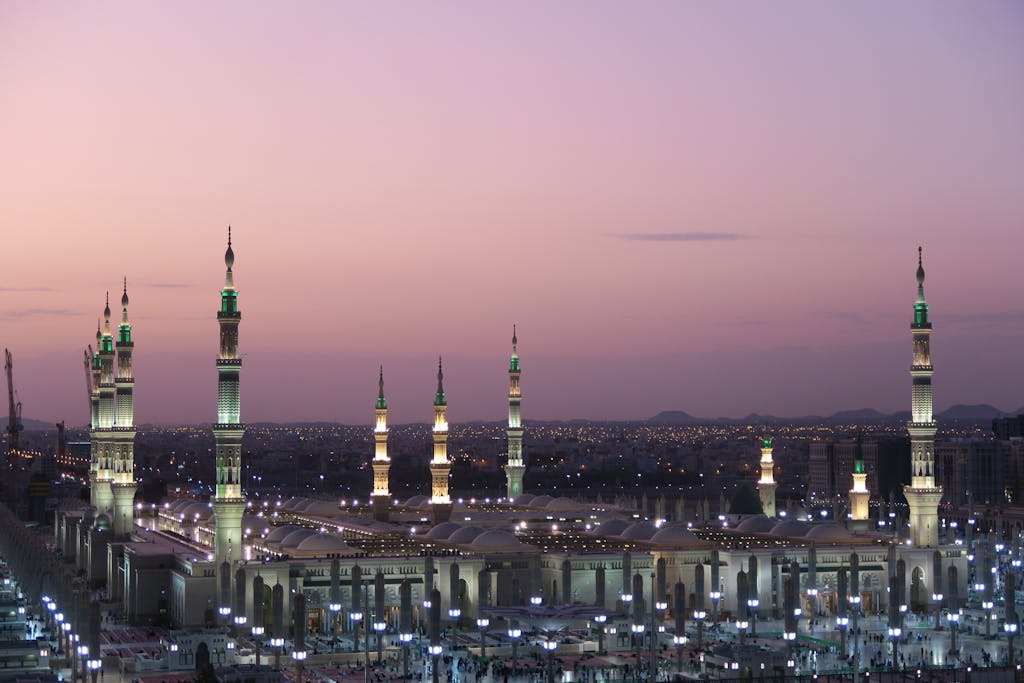
Saudi Arabia, with its vast deserts and virtually no natural freshwater sources, has resorted to extreme measures to survive. The country mines fossil aquifers that are millions of years old, turning to desalination plants to make seawater drinkable. Agriculture, including wheat production, relies on water that is unsustainable in the long term. Despite the technological marvels of desalination and underground aquifers, the country faces a countdown to water depletion. Saudi Arabia’s solution to its water problem has been complex: combining technology, wealth, and nature’s ancient resources, but it may not be enough to avert disaster in the future.
Chile
Chile’s Atacama Desert is the driest place on earth, yet it is home to one of the most bizarre water crises. Despite its wealth, the country faces severe water scarcity due to near-zero rainfall and competing demands, particularly from the mining industry. In rural areas, farmers struggle to grow crops in soil so dry it seems incapable of supporting life. Water rights are hotly contested, often leading to violent clashes between miners and local residents. The ongoing drought, now in its second decade, has turned water into a precious, highly contested resource that people fight to access.
Yemen
Yemen has earned the title of the first country to run out of water. Decades of war, poor water management, and overuse of underground reserves have left the country with water resources practically depleted. In many cities, water delivery is rare and erratic, forcing residents to rely on wells and private vendors. The capital, Sana’a, is slowly sinking as water is pumped faster than it can be replenished, making every drop feel like a rare treasure. Yemen’s water crisis is no longer just an issue of scarcity; it’s a fight for survival, with a nation’s future hanging in the balance.
India
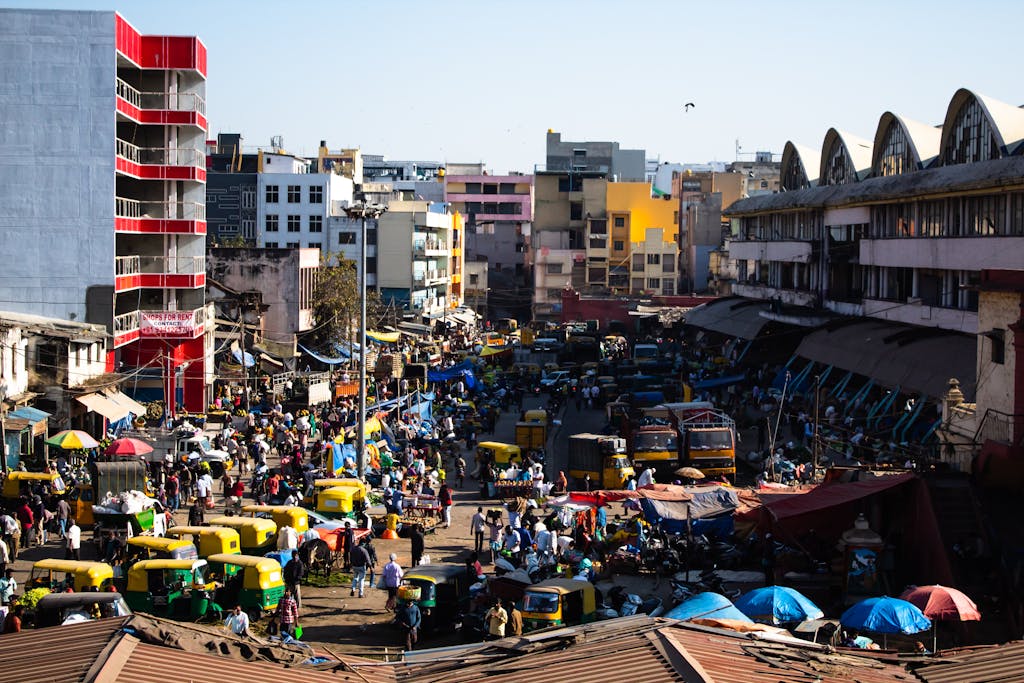
India’s water crisis is both a modern and an ancient problem. The country’s rivers, once the lifeblood of agriculture and daily life, have started behaving erratically. Once-reliable monsoons have become increasingly unpredictable, and pollution has turned some of the country’s most sacred rivers into toxic streams. In urban centers like Mumbai, residents struggle with water shortages, relying on private vendors or rationing supplies to get by. Meanwhile, rural farmers face the grim reality of failed irrigation systems and water-scarce wells. The irony of this crisis is that, while the country is home to some of the world’s largest rivers, it faces an increasingly dry future.
Pakistan
Pakistan’s rapidly growing population, coupled with its overextended irrigation systems, has placed its water resources in a precarious position. Glaciers in the north are melting at an alarming rate, but the country’s infrastructure is crumbling, and the water often doesn’t reach those who need it most. In cities like Karachi and Lahore, water has become a precious commodity, hoarded in tanks and delivered by private trucks. Rural farmers struggle to irrigate crops as canals run dry and drought conditions persist. Pakistan’s water crisis has escalated to a point where daily survival depends on timing, rationing, and a little bit of luck.
Libya
Libya’s Great Man-Made River project is one of the world’s most ambitious engineering feats, piping fossil water from deep beneath the Sahara to supply its cities. But this ancient water source is a one-time gift from nature that cannot be replenished. Once these aquifers are emptied, Libya will face a catastrophic water shortage. Meanwhile, mismanagement and occasional sabotage of water delivery systems have turned this ambitious project into a source of further instability. With water deliveries dependent on everything from weather to human interference, Libyans rely on rooftop tanks and cisterns to manage daily life. Agriculture, reliant on the river’s water, is hanging by a thread as the desert slowly reclaims the land.