Dairy has always been a staple in our daily lives, from the milk in your coffee to the cheese on your sandwich. But behind these everyday foods lies a surprising world of experiments and discoveries that will make you question everything you know about milk. Dairy isn’t just about comfort; it’s an evolving field of science with unexpected twists.
From space missions to 3D-printed cheese, dairy is breaking boundaries in ways you’d never expect. These 10 facts and experiments reveal how dairy is at the forefront of innovation, challenging our perceptions of what food can do. Get ready to rethink what you thought you knew about milk and cheese.
The Legal Battle Over ‘Milk’
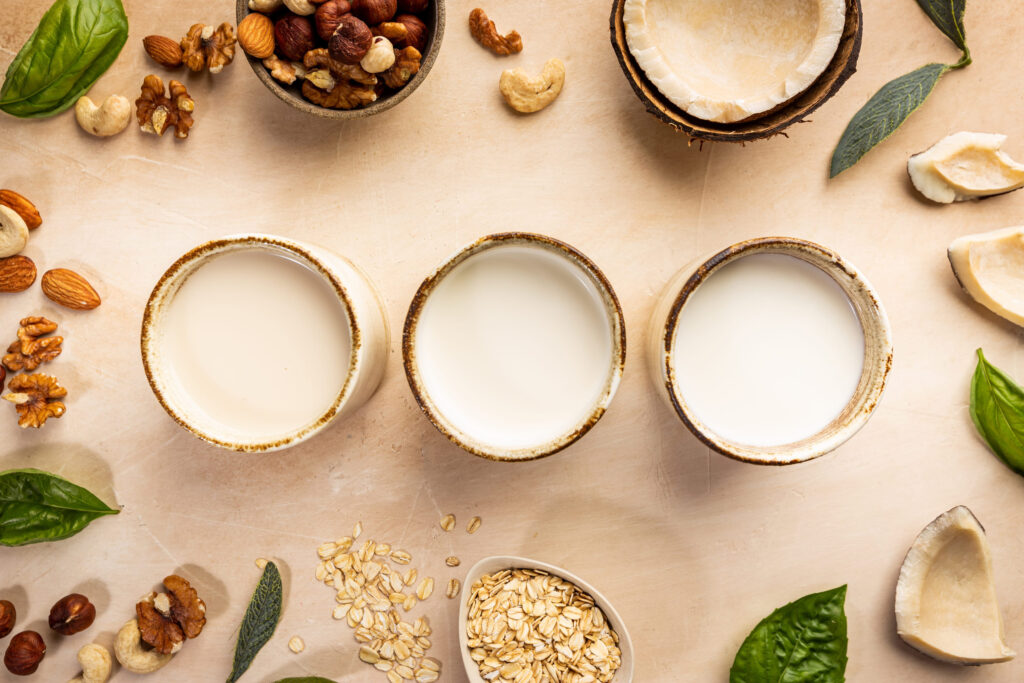
The term “milk” has ignited a surprising legal war. As plant-based drinks such as almond, soy, and oat beverages have become more popular, they’ve pushed the boundaries of what can be labeled as milk. The dairy industry has strongly contested the use of the word by plant-based brands, arguing that it should be reserved exclusively for cow’s milk due to its long-established definition.
This legal battle has sparked debates on both sides, with plant-based advocates asserting that it’s a matter of freedom of expression, while dairy industry leaders argue that consumers could be misled. The outcomes of this ongoing conflict are not just about a word on a carton—they could reshape food labeling, marketing regulations, and consumer choices for years to come.
3D-Printed Cheese
Cheese has entered the world of 3D printing, bringing a new level of customization to food design. This technology enables the creation of cheeses in specific shapes and textures, transforming both aesthetics and taste possibilities. With these advancements, the dairy industry can cater to individual preferences and precision.
In the future, 3D-printed cheese could be used for everything from personalized food experiences to intricate culinary creations. Imagine printing your own cheese at home, or designing cheese that fits perfectly into a custom-shaped mold. This technology has the potential to change how we interact with dairy, making it not just a food product but a medium for creativity and precision.
Dairy Goes to Space

Dairy has even made its way to space, in a truly extraordinary experiment. In this remarkable venture, yogurt-making bacteria were sent into space aboard a spacecraft. These microbes survived the conditions of space, and the results were used to create “cosmic yogurt,” offering a new perspective on the adaptability of dairy products.
The journey didn’t just prove that dairy could survive microgravity; it also showed that certain microbes withstand the harsh conditions of space. This revelation paves the way for dairy products in future space missions, where nutrition and sustainability are key for astronaut health. Dairy may become an unexpected essential for life beyond Earth
The Controversial ‘Vaginal Yogurt’ Experiment
One of the most talked-about dairy experiments involved turning vaginal bacteria into yogurt. This experiment, conducted in 2015 by researcher Cecilia Westbrook, tested the idea that bacteria from different parts of the human body could be used to ferment milk. The experiment raised eyebrows for its provocative nature, but it also sparked important discussions about the future of probiotics and microbiology.
This bold experiment encouraged scientists to reconsider the potential of using human-derived bacteria in dairy products. Could these microbes lead to innovative ways to benefit health? While ethical debates continue, the push for probiotic research is opening new possibilities in dairy innovation.
The Dairy Industry’s War on Margarine
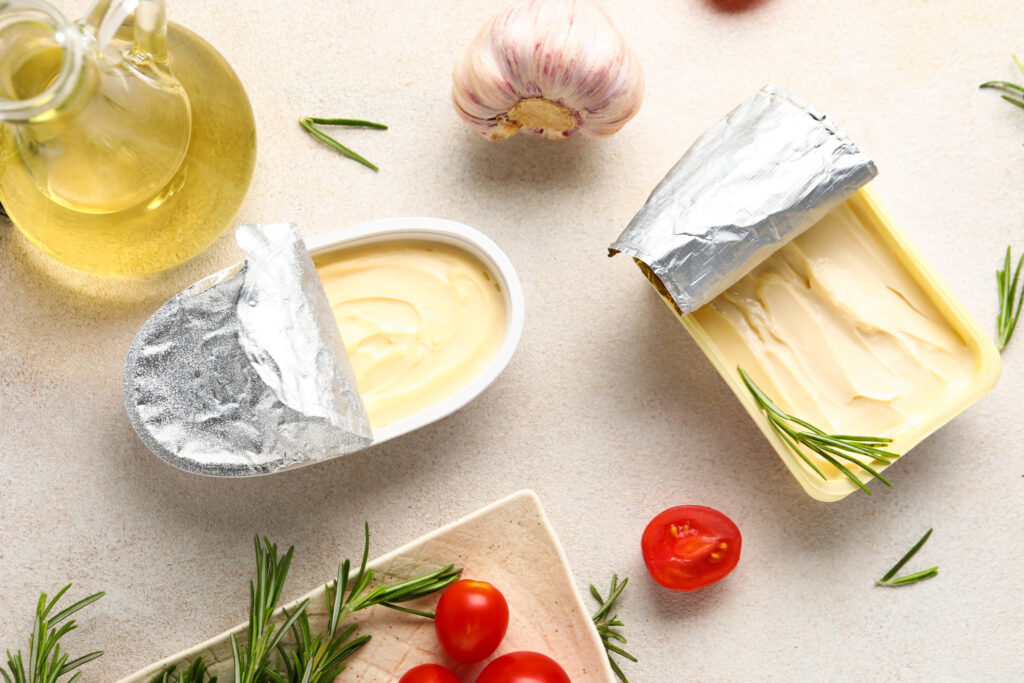
Margarine went far beyond being mere competition for butter; it became the focus of persistent attacks. In the late 19th and early 20th centuries, the dairy industry sought to undermine margarine’s reputation, even disputing its health benefits. The conflict wasn’t solely about taste ,it influenced public opinion and broader policy.
At the height of this feud, some U.S. states even passed laws requiring margarine to be dyed pink to make it look unappealing. The dairy industry, keen to protect its position, even used cartoons and the media to portray margarine as an industrial fake, harmful to consumers. The ridiculousness of these laws eventually led to their repeal, but the fight left a lasting imprint on how we view margarine to this day.
A Cheese Fire That Shut Down a Norwegian Tunnel
Cheese isn’t always comforting, as evidenced by a bizarre incident in Norway. In 2013, a truck carrying Norway’s famous brown cheese caught fire in the Brattli Tunnel, and the blaze burned so intensely that the tunnel had to be shut down for several days. The fire’s severity was due to the cheese’s unique fat and sugar content, which made it highly combustible.
This incident turned what is normally a beloved food into a serious safety hazard. The fire was so intense that authorities had to evacuate the area and close the tunnel for multiple days. Who would have thought that a dairy product could cause such an unexpected disaster, reminding us that even the most familiar foods can sometimes surprise us in the strangest ways.
Swiss Cheese Gets Its Own Playlist
Swiss researchers once conducted a strange but fascinating experiment in which they played different genres of music to cheese. The researchers exposed several wheels of Emmental cheese to a variety of musical styles, including Mozart, techno, and hip-hop, to see whether sound could influence the cheese’s taste. Surprisingly, the cheese exposed to hip-hop music was judged to have a more distinct, fruity flavor compared to the other varieties.
This experiment suggests that music may affect the aging process and the biochemical composition of cheese. While the results are still inconclusive, the idea that sound can alter food’s taste raises intriguing questions about the sensory experiences we take for granted.
Cockroach Milk
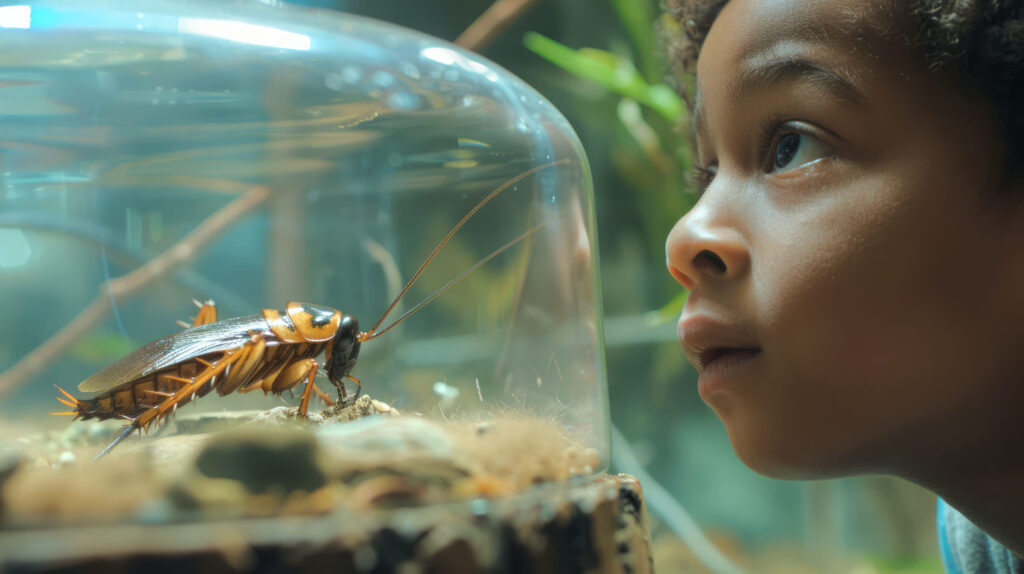
Cockroach milk’s reputation is unusual, yet it’s garnered growing scientific interest. Protein crystals from Diploptera punctata, a species of cockroach, are remarkably energy-rich with essential nutrients. This has led researchers to see cockroach milk as a potential future nutritional source.
While the idea of consuming cockroach milk might seem revolting, its nutritional value has sparked curiosity among food scientists. If researchers can find ways to safely harvest and utilize this protein-rich substance, it could become a powerful alternative food source. The possibilities for using insect-based proteins in the future of food production are truly fascinating, even if they challenge our conventional ideas of what’s edible.
Chocolate Milk’s Origins May Surprise You
The story of chocolate milk’s development highlights the global evolution of dairy. While Sir Hans Sloane popularized mixing cocoa with milk in Britain, the combination already existed in Jamaica, underscoring how dairy traditions span cultures.
Sloane’s version of chocolate milk, which he introduced to Europe, was based on the combination of cocoa beans and milk he encountered during his travels in Jamaica. However, the drink itself dates back to the island’s indigenous people, who had been making a similar beverage for centuries. The next time you sip chocolate milk, remember that its origins go much further back in history.
Cow-Free Dairy
The future of dairy could be cow-free, thanks to precision fermentation. This revolutionary technology enables scientists to produce dairy proteins, such as casein and whey, without using animals. By harnessing yeast or bacteria to produce these proteins, we can reduce the environmental impact of dairy farming while still providing the nutritional benefits of traditional dairy products.
This innovation holds promise for creating a more sustainable dairy industry that could drastically reduce the need for land, water, and livestock. As the world continues to face challenges related to climate change and resource depletion, cow-free dairy could offer an eco-friendly alternative to meet the growing global demand for dairy products. This breakthrough has the potential to reshape the future of food production.
Dairy-Infused Innovation
Dairy is evolving through advances in food science. New products and methods directly address dairy’s health benefits and sustainability, showcasing the industry’s transformation. Research zeroes in on improving both dairy’s impact on well-being and its environmental footprint.
Ongoing research is redefining how people consume and perceive dairy. Solutions from both plant-based alternatives and improved production methods target dairy’s main challenges. The focus is now on making dairy innovative, healthier, and sustainable.