Religion has given humanity cathedrals, compassion, moral language, music, community, charity, burial rituals, calendars, festivals, and a sense of meaning that has carried billions through grief and uncertainty. We cannot honestly study civilization without recognizing how deeply faith has shaped art, family life, law, education, identity, and public service across the world. Yet the same force that can comfort the sick and organize generosity has also been used by rulers, armies, courts, mobs, and institutions to justify violence, silence dissent, and turn human beings into enemies of God.
That tension is what makes the history so uncomfortable. The danger rarely begins with ordinary believers praying, fasting, worshiping, or trying to live better lives. It begins when sacred language becomes a shield for power, when leaders claim divine permission to conquer, punish, exclude, enslave, or erase people who stand outside their approved circle.
Terrorism borrowed sacred language for political violence.

Religious terrorism is not caused by faith alone, and most religious people reject it completely. Still, extremist movements have repeatedly used divine language to make murder feel righteous to followers. They promise cosmic meaning, heroic sacrifice, purified society, and eternal reward, then turn young people, traumatized communities, and political anger into fuel for violence.
Groups such as Islamic State, Boko Haram, al-Shabaab, and other extremist organizations have shown how religious imagery can be fused with territorial ambition, organized crime, local grievances, state collapse, and propaganda. The result is not spirituality. It is a machinery of fear that turns markets, schools, buses, churches, mosques, villages, and military bases into targets.
LGBTQ+ people were punished in the name of moral purity
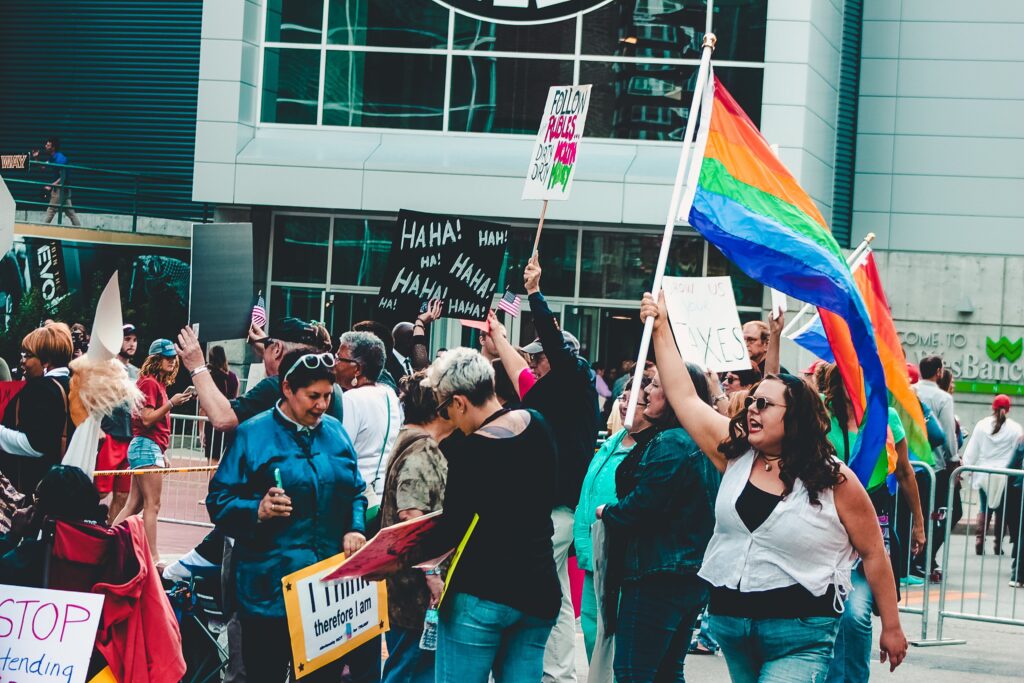
Few groups have felt the weight of religiously framed social rejection as sharply as LGBTQ+ people. In many countries, same-sex intimacy remains criminalized, and religious arguments still shape public support for punishment, censorship, conversion practices, family rejection, and political campaigns against equal rights. The result is not an abstract debate. It is fear inside homes, schools, workplaces, clinics, and places of worship.
The harm becomes deeper when religious institutions frame LGBTQ+ identity as corruption rather than humanity. People lose families, housing, safety, mental health support, and sometimes their lives. A society does not become more moral by forcing people to disappear. It becomes more honest when it protects conscience without turning one group’s theology into another group’s prison.
Holy wars turned devotion into mass death.
The phrase “holy war” sounds ancient, but the damage it describes is painfully human. The Crusades, launched from the late eleventh century onward, drew warriors into campaigns framed around sacred duty, salvation, and control of holy places. Cities were besieged, civilians were slaughtered, prisoners were enslaved or executed, and generations inherited a memory of bloodshed that still shapes religious and political imagination today.
The Thirty Years’ War shows how quickly theology can merge with dynastic ambition and become a continental disaster. What began in the fractured religious politics of the Holy Roman Empire grew into a wider struggle involving Catholic, Lutheran, Calvinist, Habsburg, French, Swedish, Danish, and imperial interests. By the time the Peace of Westphalia was concluded in 1648, large parts of Central Europe had endured famine, disease, military occupation, forced migration, and social collapse.
Genocide gained power when faith marked people as enemies.

Religious hatred becomes most dangerous when it teaches people to see a neighbor as a permanent threat. Anti-Jewish persecution in Europe did not begin with modern racial ideology, and it did not remain limited to theological disagreement. For centuries, Jews were accused of disloyalty, demonized in sermons and popular myths, restricted by law, expelled from communities, and treated as outsiders inside societies where Christian authority shaped public life.
The Holocaust was driven by Nazi racial ideology, not traditional religion alone, but older religious antisemitism helped prepare the cultural soil where suspicion and hatred could grow. That is why history matters. When prejudice is repeated for centuries, it can move from pulpit to policy, from rumor to law, from social exclusion to mass murder.
Religious discrimination made belief a legal risk.
In many places, religious identity has never been just a private matter. It has determined who may own property, hold office, attend school, marry freely, build places of worship, wear religious dress, publish beliefs, convert, or refuse conversion. When governments favor one faith or punish another, religion ceases to be a matter of conscience and becomes a test of loyalty.
Modern religious discrimination does not always look like medieval persecution. It can appear as registration laws, surveillance, anti-conversion rules, bans on minority worship, attacks on religious clothing, harassment by police, or bureaucratic barriers that make minority faith communities live under constant pressure. We should not measure religious freedom only by whether a country has churches, mosques, temples, or synagogues. We should measure it by whether people can believe, doubt, change, gather, and speak without fear.
Science suffered when doctrine feared discovery.
The conflict between religion and science is often exaggerated, because many scientists have been religious and many religious institutions have preserved learning. Still, history contains clear moments when religious authority tried to discipline discovery. Galileo Galilei remains the most famous example because his support for heliocentrism challenged church-backed readings of the cosmos, leading to his 1633 trial, forced recantation, and house arrest.
The larger lesson is not that faith and science must always be enemies. The lesson is that any institution becomes dangerous when it treats questions as rebellion. When doctrine controls inquiry, societies delay medicine, astronomy, biology, public health, and education, and ordinary people pay the price for elite fear.
Women were controlled through sacred claims about obedience.
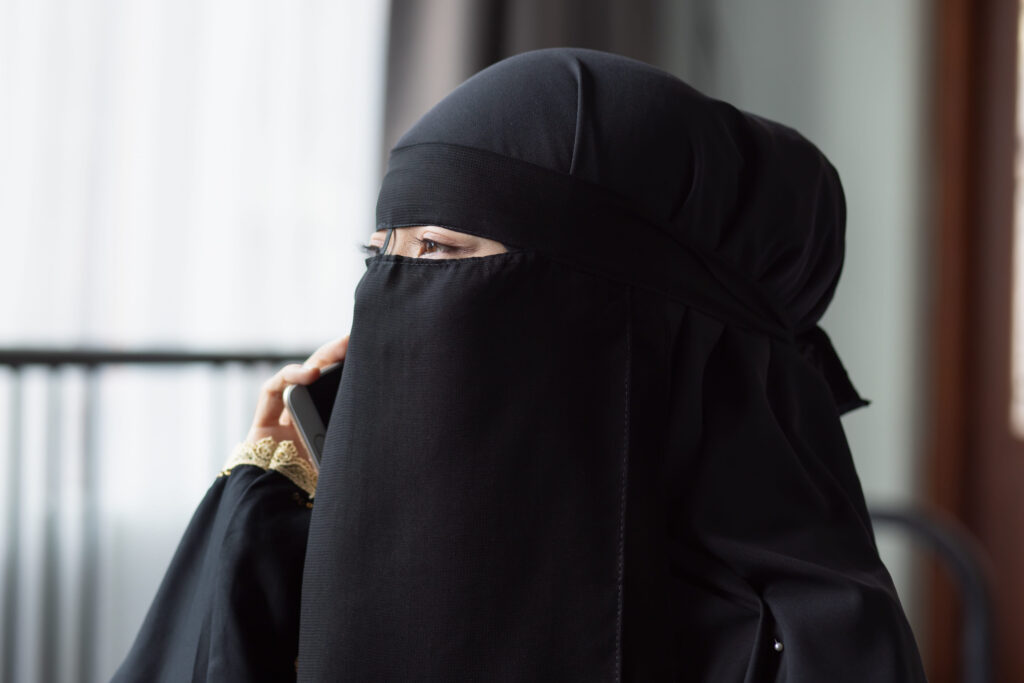
Across cultures, religious arguments have been used to restrict women’s bodies, choices, labor, sexuality, education, leadership, and legal independence. The pattern is familiar: women are praised as sacred mothers, then denied authority over their own lives. They are described as morally powerful, then blamed for temptation, family shame, infertility, divorce, sexual violence, or disobedience.
Forced marriage, purity codes, inheritance discrimination, exclusion from religious leadership, barriers to reproductive health, and tolerance of domestic control have often been defended through selective readings of scripture or tradition. We should be careful not to pretend that every religious community treats women the same way. We should be equally careful not to ignore the damage caused when “God’s order” becomes a polite name for male power.
Religious institutions made cruelty look lawful.
Some of the worst damage done in the name of religion came from institutions that built legal systems around spiritual authority. The Spanish Inquisition, established in 1478, targeted suspected heresy and helped consolidate royal and religious power through secrecy, denunciation, interrogation, torture, confiscation, imprisonment, public humiliation, and execution. The terror did not come only from punishment. It came from never knowing who might accuse you next.
This is what institutionalized religious cruelty does so effectively. It turns fear into procedure. It gives violence a stamp, a robe, a courtroom, a record, and a ritual, allowing people to participate in suffering while believing they are defending truth.
Children died when prayer replaced medical care.

Prayer can comfort families in hospital rooms, but prayer becomes dangerous when it is used to replace lifesaving care. Cases of religion-motivated medical neglect show the cruel edge of this problem. Children have died from treatable illnesses because adults rejected medical intervention and relied only on faith healing.
The tragedy is especially painful because children cannot freely choose the theology that endangers them. A parent may have sincere beliefs, but sincerity does not stop infection, dehydration, diabetes, pneumonia, meningitis, or other medical emergencies. A society that values religious freedom must still protect children from preventable death.
Forced conversions erased cultures from the inside.
Forced conversion is not just a change of religious label. It can mean the destruction of language, names, rituals, clothing, food customs, ancestral memory, burial practices, sacred landscapes, and family identity. When empires, armies, or religious authorities demand conversion under pressure, they attack the inner architecture of a people.
South Asia’s 1947 Partition shows how religious identity can become a line drawn through homes, trains, markets, villages, and bodies. Hindus, Muslims, and Sikhs were uprooted in one of the largest forced migrations in modern history, with mass killings and communal violence tearing through communities that had lived side by side. The disaster was political, colonial, and religious at once, which is exactly why it remains so haunting.
Slavery and colonialism were dressed in sacred permission.
Religion was repeatedly used to justify conquest, enslavement, and colonial domination. European empires often framed expansion as civilization, conversion, and divine mission, even when the actual machinery involved forced labor, land theft, racial hierarchy, resource extraction, and cultural destruction. Enslaved Africans and colonized peoples were told that obedience was holy, suffering was ordained, and resistance was rebellion against both master and God.
This history also contains religious resistance, including abolitionists and liberation movements rooted in faith. That truth matters. Still, it does not erase the record of religious arguments used to defend slavery, segregation, conquest, and empire. When scripture is made to serve profit, the sacred becomes a business contract written over stolen lives.
The pattern we keep repeating.
The most devastating acts done in the name of religion rarely begin with faith alone. They grow from a dangerous mixture of sacred certainty, political power, fear, grievance, group identity, and weak accountability. When a leader says God wants violence, the first question should never be how loudly the crowd cheers. The first question should be who benefits from the bloodshed.
We can respect faith without excusing cruelty. We can defend religious freedom without defending religious domination. We can honor believers without pretending that history has been gentle to those labeled heretics, infidels, witches, sinners, apostates, outsiders, or enemies of God.