Dealing with allergies can be a daily struggle, but thankfully, there are various home remedies that can help alleviate symptoms without the need for expensive medications. Whether you’re dealing with pollen, dust mites, pet dander, or mold, these remedies can provide some relief. Let’s explore the best options to combat allergy symptoms from the comfort of your own home.
Honey

Honey has been used as a natural remedy for centuries, and its benefits extend to allergy relief. Local, raw honey is known to help with pollen allergies because it contains small amounts of local pollen. When consumed regularly, honey may desensitize your immune system to local allergens, potentially reducing your allergic reactions over time. Experts suggest taking a spoonful of raw honey every day. The key is to ensure it’s local honey, as it contains the specific allergens you’re most likely to encounter.
Apple Cider Vinegar
Apple cider vinegar (ACV) is not just a pantry staple; it also serves as a powerful natural remedy for allergies. ACV helps thin mucus, making it easier to clear from the body. It also helps balance your body’s pH levels, preventing excessive mucus production caused by allergies. To use, mix 1 to 2 tablespoons of organic apple cider vinegar into a glass of warm water and drink it once or twice a day. This can help reduce the severity of allergy symptoms, especially during peak allergy seasons.
Saline Nasal Spray
One of the most effective ways to manage allergy symptoms is by using a saline nasal spray. These sprays work by flushing out allergens like pollen and dust from your nasal passages, providing immediate relief from nasal congestion. Saline nasal sprays are a safe and simple way to cleanse your sinuses and reduce allergen-induced irritation. Use it several times a day, especially after exposure to known allergens.
Essential Oils

Essential oils, like eucalyptus, peppermint, and lavender, are popular for their ability to relieve allergy symptoms. Eucalyptus oil, in particular, can help clear nasal congestion, while lavender oil has anti-inflammatory properties that reduce swelling caused by allergens. To use, add a few drops of essential oil to a diffuser or inhale the scent directly from a cotton ball. You can also mix essential oils with a carrier oil and apply them to your chest or neck for direct relief.
Probiotics
Probiotics play a vital role in promoting a healthy gut, which directly impacts your immune system. A strong immune system is essential in fighting off allergens, and probiotics can help balance the bacteria in your gut, improving your body’s overall response to allergens. Include probiotic-rich foods like yogurt, kefir, and sauerkraut in your diet, or take a daily probiotic supplement to strengthen your immune system and potentially reduce allergy symptoms.
Quercetin
Quercetin is a flavonoid found in various fruits and vegetables, including apples, onions, and citrus fruits. It is known for its powerful anti-inflammatory and antihistamine properties, which can help reduce the severity of allergy symptoms. To incorporate quercetin into your diet, eat foods rich in this antioxidant or consider taking a quercetin supplement. Research suggests that it may help stabilize mast cells, preventing the release of histamine, the substance responsible for causing allergic reactions.
Vitamin C

Vitamin C is well known as an immune booster and plays a significant role in reducing allergy symptoms. It works as a natural antihistamine, reducing histamine levels in your body and, in turn, helping control the inflammation and irritation caused by allergies. You can increase your intake of vitamin C by consuming citrus fruits like oranges and grapefruits, or by taking a daily vitamin C supplement. Aim for at least 1,000 mg of vitamin C daily for optimal allergy relief.
Steam Inhalation
When you’re suffering from nasal congestion due to allergies, steam inhalation can be a quick, easy remedy for immediate relief. Steam helps to open up your airways, allowing you to breathe more freely. To use, simply take a hot shower or place your head over a bowl of steaming hot water. Drape a towel over your head to trap the steam and inhale deeply for several minutes. For added relief, add a few drops of eucalyptus or peppermint oil to the water.
Green Tea
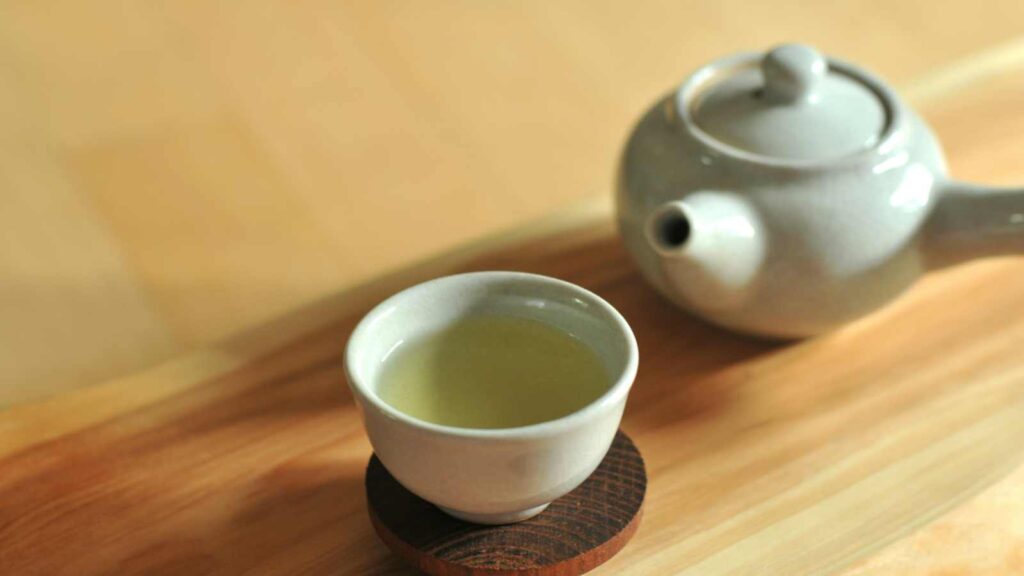
Green tea is packed with antioxidants, specifically epigallocatechin gallate (EGCG), which has been shown to reduce inflammation caused by allergies. Drinking green tea regularly can help relieve symptoms like runny noses and itchy eyes, and it can also support your immune system. For best results, drink at least two to three cups of green tea daily. You can also apply cooled green tea bags directly to your eyes to soothe irritation caused by pollen or dust.
Neti Pot
A neti pot is a traditional remedy used to rinse the sinuses and remove allergens, bacteria, and viruses. The process involves irrigating the nasal passages with a saline solution, which helps reduce congestion and clear allergens. To use, fill the neti pot with a saline solution, tilt your head over the sink, and pour the solution into one nostril. Let the solution drain out of the other nostril, taking care not to breathe in through your nose while doing so.