Once regarded as rejected, degraded, or unworthy to be served at the dining table, some foods have become luxurious delicacies. These items that were previously discarded are now on the menus of fine restaurants and praised for their interesting flavors and textures. Not only has this changed our definition of gourmet, but it has also made sustainability a very important factor in contemporary cooking. We will take a look at 10 of our daily foods that turned into garbage and became gourmet and see how waste is not only cost-effective but also delicious.
Bone Broth
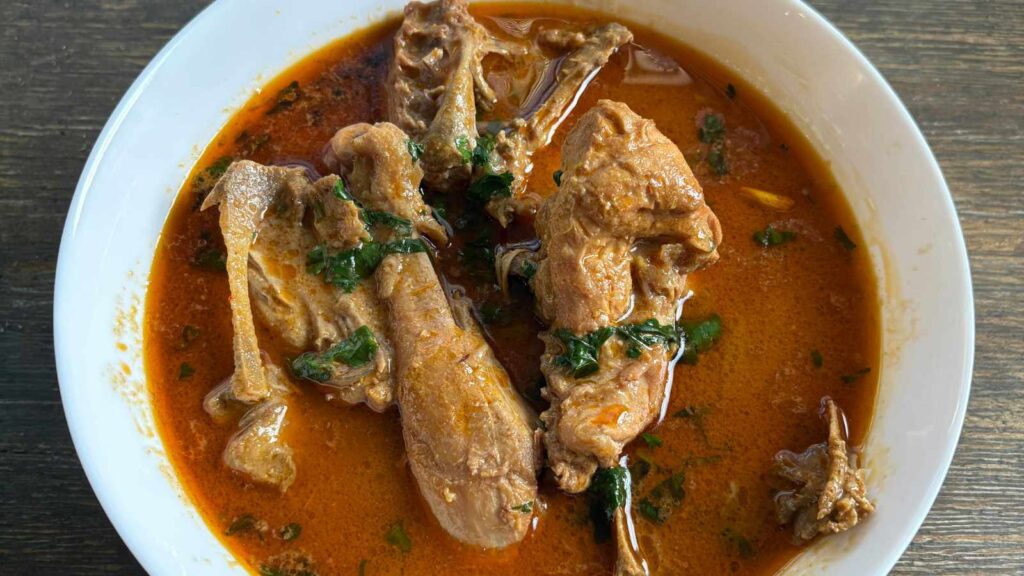
Previously a mere byproduct of meat preparation, bone broth was once regarded as nothing more than a lowly, leftover remedy cooked by a cheap cook. It has, however, experienced a gourmet renaissance, with restaurants and home kitchens alike now warming up to its great, deep flavors and health benefits. A rich source of collagen, amino acids, and minerals, bone broth is now a superfood, with high-end versions selling in fancy jars and being promoted as a wellness drink. This byproduct of the past has been used in modern-day cooking, transforming it into a nutritional and culinary staple today.
Offal
Offal, or organ meats such as liver, heart, and kidneys, were viewed as the scraps barely worthy of the fine palate. In most cultures, though, these cuts were valued for their richness and flavor and were used in hearty stews and traditional dishes. Today, offal has found its niche in premium restaurants, with chefs showing it off in innovative forms—be it seared liver, bone marrow, or crispy sweetbreads. As we move a step closer to nose-to-tail, offal is receiving new accolades for its rich umami and sustainability.
Fish Heads
Although fish fillets have been the center of the seafood scene since time immemorial, the head, which is typically discarded as waste, has taken center stage in the gourmet menus. Fish heads are also nutritious and tasty and can be used as a savory base for soups, broths, and sauces. Fish heads are a delicacy in certain regions of the world and are roasted or cooked in heavy curries. As the use of the whole animal has become increasingly popular, fish heads have gone beyond being an ignored byproduct and are now a delicacy.
Stale Bread
Stale bread, which would have been thrown into a trash bin, has been rediscovered in kitchens across the world, courtesy of the food repurposing idea. Today, chefs incorporate stale bread in numerous delicacies—consider bread puddings, croutons, and panzanella. Its flavor-absorbing property and its thick texture make it an ideal base for several imaginative recipes. Stale bread has become a treasured ingredient in meals that push the limits of culinary excellence, and food waste awareness and practices have led to its decline as a discard material in favor of an ingredient with flavor and texture.
Crustacean Shells
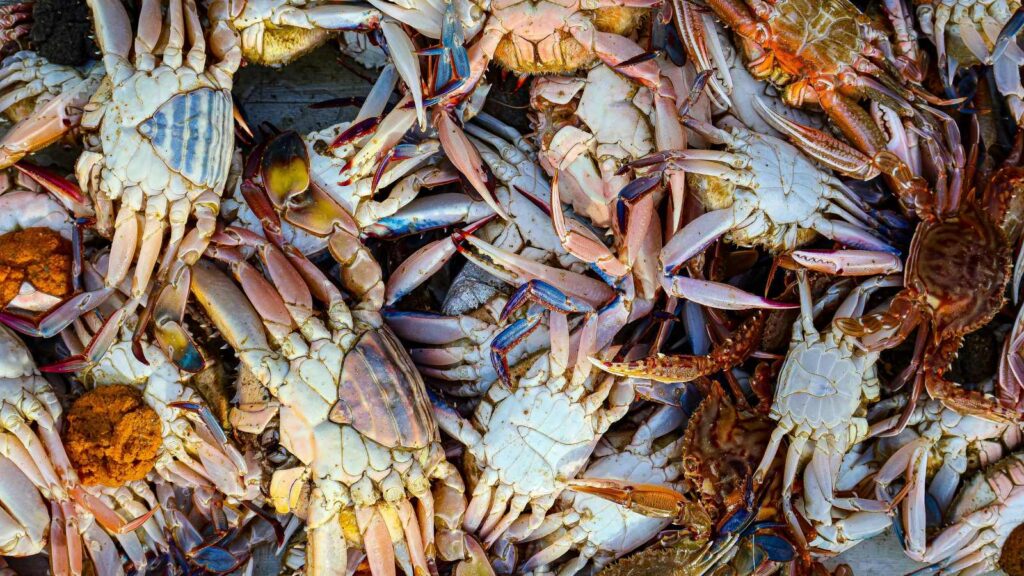
Lobster, shrimp, and other crustacean shells were once viewed as waste, discarded after the meat was removed. However, clever cooks have discovered that these shells are not only very tasty but also make ideal stocks and bisques full of umami. Following roasting and hours-long simmering of the shells, cooks unlock a complex flavor that takes seafood soups and even sauces to the next level. This eco-friendly method not only minimizes waste but also improves the flavor of high-quality seafood cuisine.
Banana Peels
Banana peels, previously discarded with little thought, are now recognized as a powerful, plant-based, environmentally friendly food. Banana peels contain lots of fiber, potassium, and antioxidants and are now being added to smoothies and stir-fries; they turn out to be much more than just a scrap. Even some chefs teach themselves to recreate the texture of pulled pork using them in a vegan dish. As the use of the entire plant becomes increasingly popular, banana peels have developed a new life in the gourmet kitchen.
Pumpkin Seeds
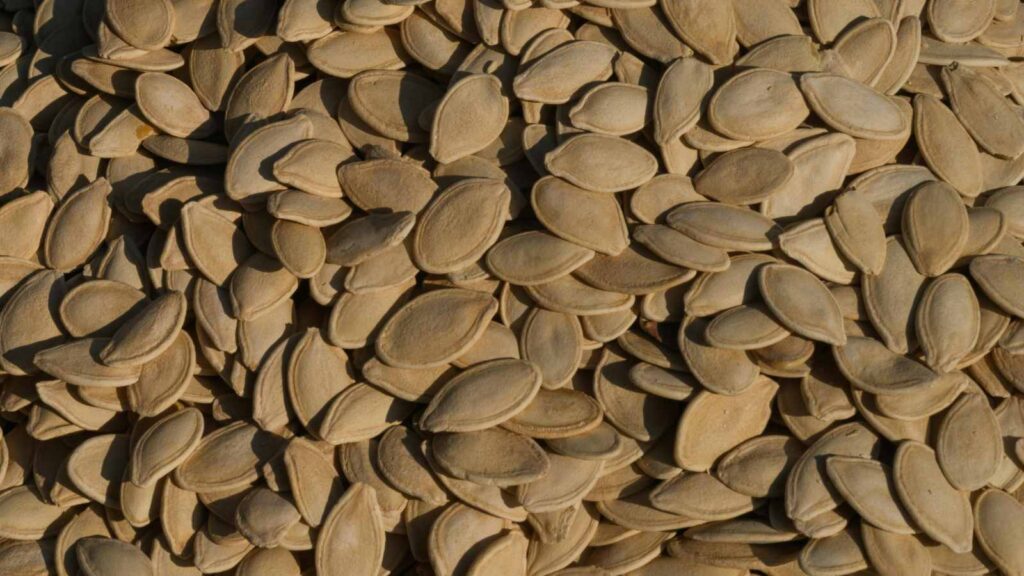
Pumpkin seeds have long been viewed as a byproduct of pumpkin carving or cooking and were often discarded as waste. However, as the move towards healthier snacking has grown, these nutrient-dense seeds have become highly sought after for their great taste and health benefits. Pumpkin seeds can now be an upmarket snack, roasted with spices or mixed into granola, sold in specialty food shops, or incorporated into fine cuisine. What was considered waste has been identified to have protein, healthy fats, and versatility.
Cheese Rinds
The rinds of some cheeses, still discarded as a byproduct, are now praised as having concentrated and full-bodied flavor. These external coatings are usually tough or waxy and contain vital oils and microbes that contribute to the distinctive character of the cheese. Chefs have begun using cheese rinds as ingredients in recipes to add depth and umami to sauces, soups, and even broths. The rinds of cheeses such as Parmigiano-Reggiano, brie, and camembert are now served in fine-dining restaurants, helping foodies enjoy all the elements of the cheese.
The Tomato Stems
Previously, tomato stems were discarded along with the skin, but their flavor potential has recently been identified. Tomato stems are currently used in food, particularly for preparing tasty broths or flavored oils. It has a somewhat bitter, herbaceous flavor that adds depth to dishes with tomatoes, boosting the flavor profiles of sauces and soups. This previously neglected section of the tomato plant is now revered for its aromatic properties.
Coffee Grounds
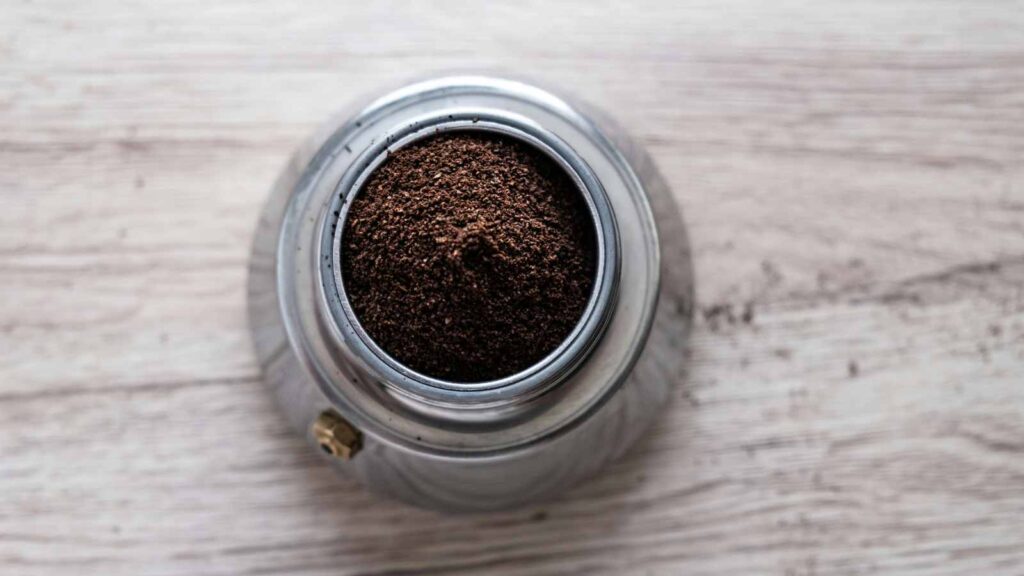
Coffee grounds, which would typically end up in the trash or compost bin, have found their place in upscale culinary practices. They are used to create flavorful rubs for meats, as a base for ice cream, or even to infuse cocktails for added depth of flavor. The growing interest in sustainability has made chefs and home cooks alike more mindful of coffee grounds, turning them into a gourmet ingredient. Not only does this practice reduce waste, but it also enhances the overall flavor profile of many dishes and drinks.
Conclusion
Food has changed a lot over time, going from trash to luxury. For example, fish heads used to be rich and savory, but now banana peels can be used in many different ways. Sustainability has become more important in the kitchen, prompting chefs and home cooks to rethink what makes an ingredient valuable. This has led to creative uses for things that were once thrown away. Food waste is still a big problem, but these new cooking methods show us a future where every part of the food is used and nothing goes to waste. When you think about throwing something away, remember that it might be the secret ingredient for your next fancy meal.