Traveling once evoked images of the open road, bustling terminals, and the thrill of navigating new destinations. Today, it’s often defined by constant technological connections, from the moment you step into an airport to the minute you check into your hotel. While tech advancements were supposed to make travel smoother, the reality often feels more like a digital maze. Let’s explore why travel tech is not always the savior it’s marketed to be.
Digital Tools Can Easily Backfire

Travel apps promise effortless coordination: your flight, hotel, transport, and even itineraries all at your fingertips. But once you hit the road, that promise quickly fades. The reality of travel tech is a tangled web of app crashes, battery-draining devices, and systems that seem to fail at the most inconvenient moments. A single glitch can leave you stuck at a gate or struggling to find a hotel reservation that’s vanished into the digital ether. It’s frustrating when what’s supposed to make your journey simpler only adds layers of complexity, ultimately forcing you to rely on your backup plans more than you anticipated.
A trip once required a printed ticket, a map, and a general sense of direction. Now, it feels like a full-time job managing passwords, digital systems, and connectivity. And the worst part? When the technology falters, the entire trip seems to come to a screeching halt. What was designed to make travel seamless now feels like an obstacle course where glitches and failures reign.
The Dangers of Over-Reliance on Translation Apps
The allure of real-time translation tools is hard to resist. For travelers, these apps promise to dissolve the barrier of language, making every interaction as simple as speaking your own tongue. While they may handle basic exchanges decently, things get complicated in real-world conversations. Slang, humor, and cultural nuances often go unnoticed, leading to confusion or, worse, embarrassment.
Take a visit to the local pharmacy or train station, and you’ll see how an app, while functional for a coffee order, can crumble under more complex interactions. The unfortunate side effect is that travelers grow overly confident in the technology, leading them to depend on machines that fail to fully capture the richness of human communication.
The Smartphone’s Role
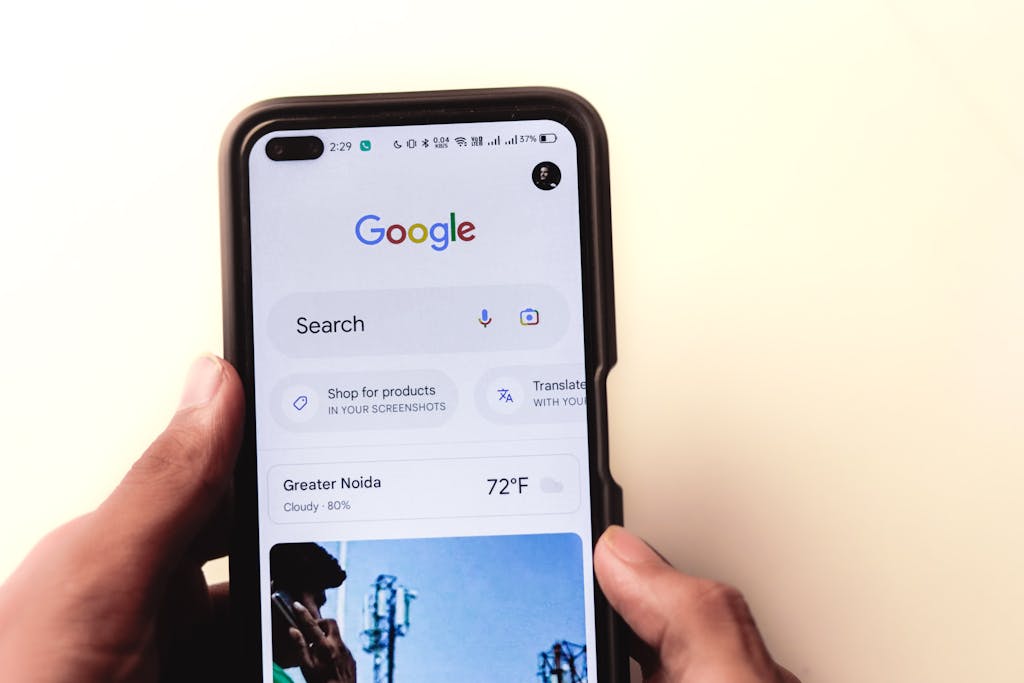
Remember the days when a travel companion was a map or a guidebook? Now, it’s your smartphone. This essential device manages everything from boarding passes to emergency contacts and everything in between. However, what was meant to be a travel helper has now taken over, dictating the course of your entire trip. From charging cables to low battery anxiety, it often feels like your entire journey revolves around your device’s power.
What was once a tool to help you stay organized now holds you hostage. Travelers find themselves glued to their screens, constantly refreshing apps, fixing login issues, and hunting down chargers. It’s no longer just about the experience; it’s about maintaining the technology that’s supposed to enhance it. It’s ironic that technology, designed to improve travel, often ends up draining the joy from the journey.
The Death of Spontaneity
AI-driven planning tools are hailed as miracles, efficiently sorting options and offering personalized recommendations. While this sounds appealing, these highly streamlined tools often strip away the spirit of spontaneity that makes travel memorable. Efficiency may be a goal, but it’s not the soul of travel. Too much planning turns a trip into a series of “scheduled” events, with little room for exploration, surprise, or accidental discovery.
Memorable travel moments don’t come from following a perfect itinerary; they happen when you veer off course, get lost, or stumble upon something unexpected. When every moment is planned, it can feel like you’re walking through a tourist brochure rather than living an authentic adventure. Technology may predict your moves, but it cannot predict the magic that happens when you step off the beaten path.
Airport Experiences
Modern airports boast efficiency through facial recognition, self-service kiosks, and digital ticketing, designed to speed up the travel process. And while these innovations can be convenient when they work, they often fail spectacularly when something goes wrong. If a facial scan doesn’t load, or a document fails to process, travelers are stuck within an impersonal system that offers little assistance.
The real cost of speed is the erosion of the human touch. In an effort to streamline processes, airports have stripped away the personal interactions that once offered comfort and reassurance. Now, when things go wrong, there’s no friendly face to help solve the issue, just a digital screen that leaves you feeling isolated and frustrated.
Social Media’s Distortion of the Travel Experience

Travel has become as much about the photo as the journey. Social media platforms encourage travelers to frame their experiences for an audience, shaping every moment into something to share. The quest for the perfect shot often leads to forced smiles, rehearsed poses, and an unending search for Instagrammable moments rather than true experiences.
The destination is no longer the goal; it’s the backdrop for the performance. While the photos may look great, the process of capturing them often detracts from the experience. The pressure to curate perfect moments turns travel into a show, and as a result, many miss out on the authenticity that makes exploration so rewarding.
Viral Travel Trends and the Overcrowding of Hidden Gems

The internet’s power to share travel experiences has democratized exploration, making once-hidden destinations easily accessible to the masses. Unfortunately, this convenience comes at a cost. What was once a quiet, serene destination soon becomes overwhelmed by viral trends. Technology accelerates the discovery of these spots, leading to overcrowding, environmental degradation, and a loss of the charm that originally made them special.
The very tech that inspires people to explore new places is often the same force that destroys them. Overcrowding erodes the uniqueness of a place, and once the digital spotlight shines on a destination, it’s often too late for that place to recover from the influx of visitors. The balance between exploration and preservation is tipping, and the result is that the very tools meant to enrich travel are fast becoming instruments of its destruction.
The Chilling Effect of Convenience
In our pursuit of efficiency, modern travel has lost something essential: human warmth. Whether it’s through kiosks, QR codes, or chatbot customer service, travel has become a faceless, mechanized experience. What once offered personal connections with fellow travelers, staff, or locals is now replaced with sterile, automated interactions. Efficiency might make things faster, but it can’t replace the genuine human connection that makes travel truly enriching.
When technology replaces human touch, travel becomes colder and less personal. The small gestures, the warm smiles, and the spontaneous interactions that once defined our journeys are increasingly rare. Efficiency is important, but it should never come at the cost of the humanity that makes travel so special.
The Privacy Trade-Off
Modern travel systems demand personal information at every turn: fingerprints, facial scans, and location data, all in the name of convenience. While the promise of faster check-ins and smoother experiences sounds appealing, it raises concerns about personal privacy. The more data we surrender, the less control we have over our own movements, with the promise of speed masking the true cost of constant surveillance.
The trade-off between convenience and privacy is increasingly becoming the norm, and most travelers don’t think twice about it. But with every new system that asks for more personal data, we lose a little more of our privacy. This trade-off may seem harmless, but it’s important to ask whether the convenience is worth the erosion of our digital privacy.
Too Many Apps
Gone are the days when travel required only a few essentials. Today, each leg of a trip demands a separate app: booking platforms, transport services, translation tools, payment systems, and more. What is marketed as flexibility quickly becomes a cluttered digital landscape that requires constant management. The convenience of digital tools often becomes a burden when too many apps and notifications pile up.
Managing a dozen different apps while trying to enjoy a destination creates unnecessary stress. Instead of immersing yourself in the experience, you’re constantly juggling passwords, updates, and permissions. What should be a seamless journey instead feels like a never-ending cycle of digital housekeeping.
Gadgets
Travel gadgets promise to make our trips easier, more efficient, and more enjoyable. However, many of these devices add little value to the average traveler’s experience. From smart glasses to translation earbuds, these gadgets often require more maintenance, charging, and troubleshooting than they’re worth. Instead of improving the travel experience, they complicate it.
Some gadgets serve a real purpose, especially for travelers with accessibility needs or those navigating unfamiliar terrains. But for the average traveler, these devices often add another layer of complexity to an already tech-heavy journey. The best way to travel today isn’t to embrace every new gadget, but to choose what truly enhances the experience and leave the rest behind.
Conclusion
Travel technology isn’t inherently bad, but it often exacerbates the pressures of modern travel rather than alleviating them. What was meant to simplify the process has, in many ways, made it more complicated, overwhelming, and less human. The key to navigating modern travel is not to reject technology entirely, but to use it wisely and sparingly. When technology supports the journey without overtaking it, that’s when the real magic of travel happens.