When everyday grocery items turn into serious hazards, understanding food safety becomes a matter of health, even life and death. From widely eaten staples to exotic delicacies, some foods require careful handling, proper preparation, and adherence to safety guidelines. Below are 10 of the most dangerous foods you should know about, based on reported risks and documented cases of illness or toxicity.
Chicken : The Bacterial Threat You Can’t Ignore
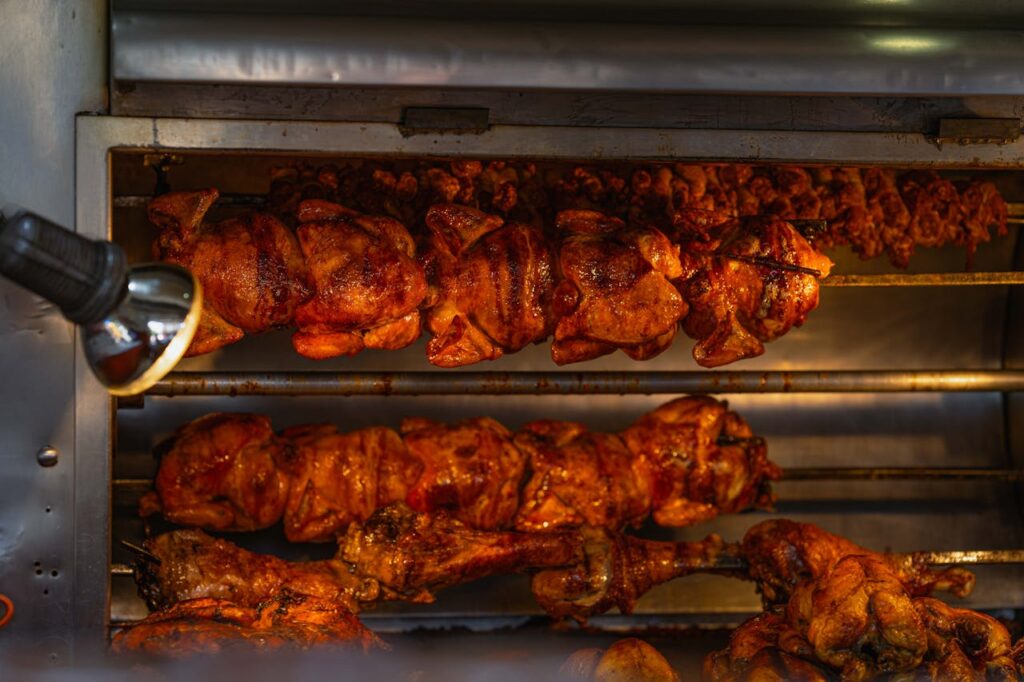
Raw or undercooked chicken is one of the most common causes of foodborne illness. Pathogens like Salmonella and Campylobacter lurk on poultry surfaces and within muscle tissue, leading to severe symptoms such as nausea, vomiting, fever, and diarrhea. Always cook chicken to an internal temperature of at least 165°F (74°C) to ensure safety.
Fugu (Pufferfish) : Deadly Without Expert Preparation
Fugu is a celebrated Japanese delicacy, but also one of the most hazardous foods known. Its organs contain tetrodotoxin, a potent neurotoxin that can cause paralysis and death with no known antidote. Only specially trained and licensed chefs are legally permitted to prepare it due to the precise skill required.
Raw Eggs : Salmonella and Food Poisoning Risks
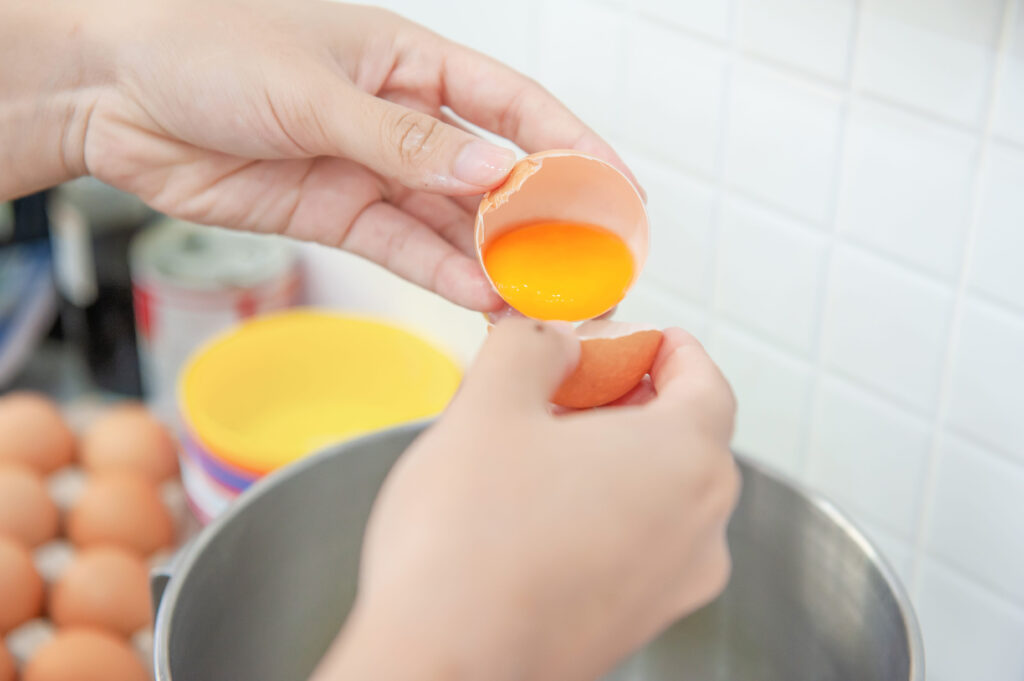
Raw eggs may seem innocuous, but they can carry Salmonella bacteria, posing a significant risk, especially to young children, older adults, and those with weakened immune systems. Even seemingly fresh eggs should be pasteurized if used in recipes that call for uncooked eggs.
Raw Milk : A Hidden Source of Bacterial Contamination
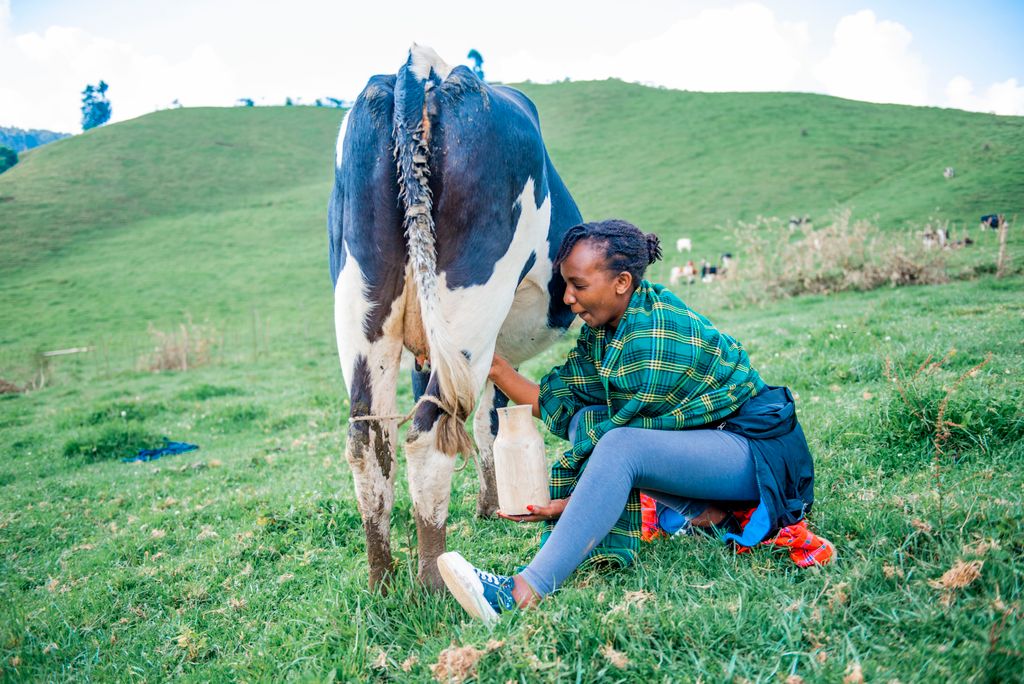
Unpasteurized raw milk and products made from it, such as certain cheeses and yogurts, have been linked to outbreaks of E. coli, Listeria, and Salmonella. Between 1993 and 2006 alone, more than 1,500 people became sick from consuming raw milk or related products.
Red Kidney Beans :Lectin Poisoning if Undercooked
Raw red kidney beans contain phytohaemagglutinin, a toxic lectin that can cause intense vomiting, nausea, and diarrhea. Proper soaking and boiling reduce toxin levels, but consuming them undercooked remains a real health hazard.
Raw Cashews :Urushiol and Severe Reactions
True raw cashews contain urushiol, the same compound found in poison ivy, which can cause skin irritation, allergic reactions, and even life-threatening responses. Cashews sold commercially are heat-treated to remove this compound. True raw cashews aren’t for casual consumption.
Aged or Improperly Prepared Cassava : Cyanide Risks

Cassava roots contain compounds that can convert into cyanide, a deadly toxin, if the roots aren’t properly soaked and cooked. Bitter varieties, grown during droughts, may produce especially high levels of these harmful substances, making thorough preparation essential.
Bamboo Shoots :Cyanogenic Toxins in Raw Form
Used in many Asian dishes, raw bamboo shoots can produce cyanide in the body if eaten uncooked. Boiling, peeling, and proper trimming deactivate toxins, making them safe and nutritious.
Starfruit :Dangerous for Kidney Patients
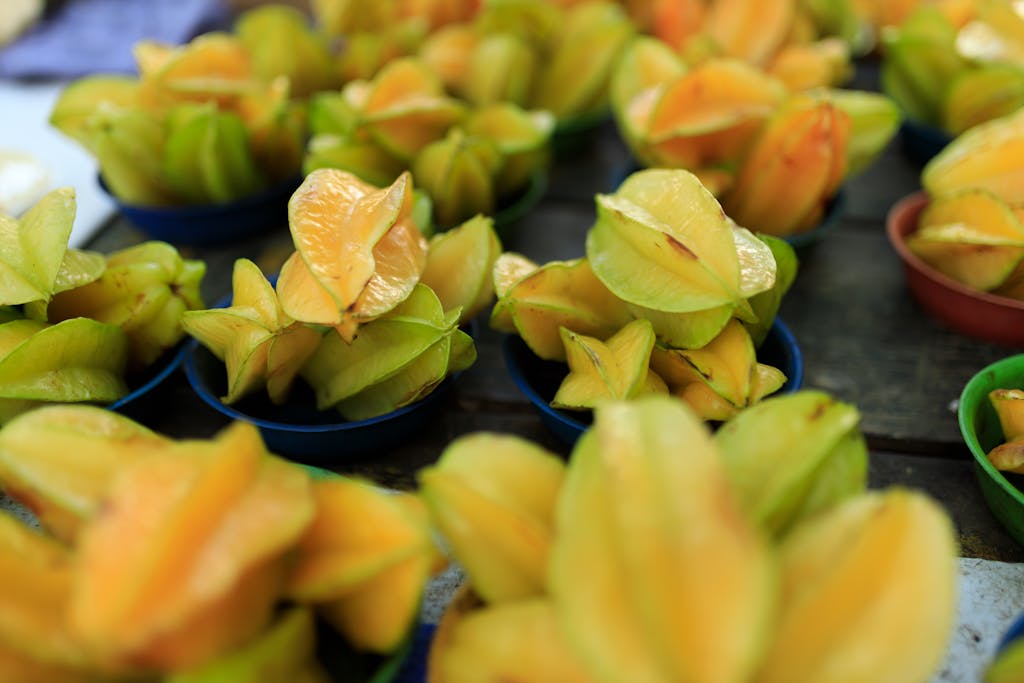
Although starfruit is harmless for most people, it contains substances that can accumulate dangerously in those with chronic kidney disease, leading to confusion, seizures, or fatal neurological complications. Healthy kidneys can typically filter these compounds, but impaired ones cannot.
Bean Sprouts :Foodborne Illness Risks When Raw
Bean sprouts are frequently eaten raw but are prone to contamination with E. coli and Salmonella. Because they’re grown in warm, humid conditions ideal for bacteria, washing and cooking sprouts thoroughly drastically reduces the risk of illness.