Marriage laws are designed to protect couples and ensure that legal unions are recognized, but in some places, these laws take a bizarre turn. From strange restrictions to completely outlandish requirements, the world’s marriage laws have produced some truly perplexing and even laughable rules. Whether it’s restrictions on what you can wear, how you can propose, or who you can marry, these laws came straight out of a fantasy. Here are 10 of the most ridiculous marriage laws that prove love isn’t always as simple as “I do.”
Marrying for Love Is Actually Banned in Some Parts of India

In some regions of India, marriage by choice is not a given. The Haryana Prevention of Social Crimes Act is a controversial law in Haryana that bans marriages deemed socially disruptive. This means that young couples who choose to marry because of love will have to bear the wrath of the law, more so when their marital union does not satisfy the caste or social norms of the region. These laws continue to fuel debates over individual freedoms and the role of tradition in modern life.
No Marrying Your Cousin in the UK Without Special Permission
While cousin marriages are allowed in many parts of the world, the UK has its own quirky rule on the matter. In England and Wales, marrying your cousin is technically illegal unless you get special permission from the government. This law stems from concerns about genetic issues arising from inbreeding, but it certainly creates a strange bureaucratic hurdle for those wanting to marry their distant relatives.
France’s ‘No Divorce’ Rule for 10 Years After Marriage
In France, you may be in for a tough ride if you decide to separate within 10 years of your marriage. There is a long-standing tradition in the country that a couple must have been married for at least 10 years before they may be officially divorced under civil law. Despite certain exceptions, this law grants the government some influence over a couple’s marital status even after they have said, “I do,” and this is what defines a unique yet at times challenging standard of marriage.
Don’t Wear White: It’s Against the Law in Some Places
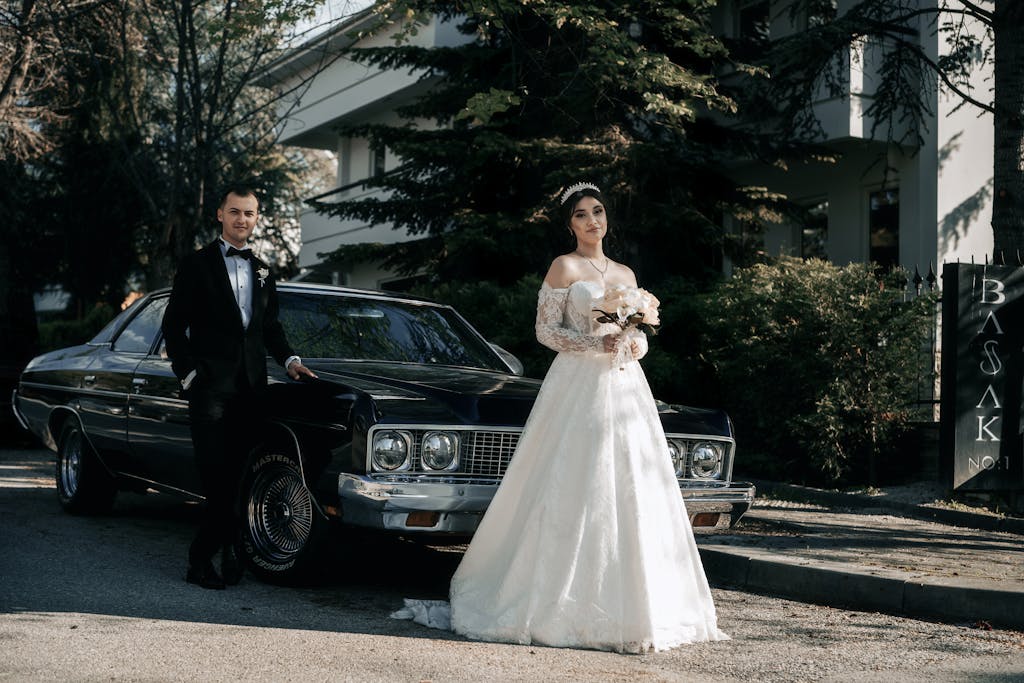
While white dresses are the global standard for brides in many countries, it’s a crime to wear them in some regions. In Tibet, the government enacted a law prohibiting brides from wearing white wedding dresses. Instead, brides must wear traditional Tibetan clothing to symbolize cultural heritage. It’s a surprising example of how national and cultural identity play a huge role in wedding ceremonies and in how societies regulate marriage.
Brazil’s Law About Women’s Consent
In Brazil, an absurd law exists where women are required to receive formal written consent from their husbands to take out a loan or even sign certain legal documents. While this law is rarely enforced today, it remains a relic of the country’s outdated legal system. This law speaks volumes about the outdated gender roles that once shaped society’s perception of marriage and women’s rights.
No Repeating Your Wedding Vows in Malaysia

In Malaysia, the country’s Marriage Act has a rather curious clause that bans married couples from repeating their wedding vows after they’ve said them during the ceremony. The idea behind this rule is to discourage repetition or “rehearsed” vows and encourage spontaneity during the exchange. However, this can be stressful for couples who have carefully prepared heartfelt vows, only to be told that reciting them isn’t legally allowed.
Bizarre Law: No Marrying a Widow in Thailand Without Consent
If you’re in Thailand and you want to marry a widow, you may need to jump through an extra hoop. The country’s legal marriage laws state that if the woman’s previous husband has passed away, she must obtain permission from his family before remarrying. While this law is aimed at preventing disputes over property or inheritance, it’s certainly a strange and outdated requirement in today’s modern society.
No Marrying in Saudi Arabia Without Government Permission
In Saudi Arabia, an unmarried woman cannot marry without first obtaining official government approval. This strict regulation is part of the country’s effort to monitor and control relationships, often with a focus on preserving cultural and religious standards. This law can create a maze of legal paperwork for those seeking to marry, making the concept of marriage in Saudi Arabia more bureaucratic than romantic.
The ‘No Public Displays of Affection’ Rule in the Maldives

The Maldives is a vacation destination for sun, romance, and fun, but you should not express any form of affection there, as it is technically illegal. Lovers who kiss on the streets, hug, or engage in any other form of expressing their love might be fined or even jailed as a way of going against the moral laws of the land. This law highlights the clash between tourism and local customs, especially in areas where public behavior is more strictly regulated.
No Marriage Until 30 in Iceland
In Iceland, while marriage itself is legal and highly respected, a quirky law requires individuals to wait until they are 30 before tying the knot. This law was introduced to encourage people to live their lives fully before committing to marriage, allowing for personal growth and independence before entering a lifelong partnership. This age requirement might raise eyebrows, but it’s one of the many ways Iceland regulates marriage in the modern age.
Conclusion
These marriage laws are curious in their own right, as they show how various cultures perceive love, marriage, and personal freedom, ranging from strict cultural and legal regulations in countries such as Thailand and Saudi Arabia to the bizarre rules of Brazil and Iceland. Some of these laws are historical and even traditional; others appear to be out of date or even ridiculous in the present-day world. Nevertheless, they all have one thing in common: demonstrating how complicated and diverse the institution of marriage can be around the world. So, if you’re planning to get married abroad, you might want to double-check the local laws before you say “I do!”