In the wide, mysterious, and intriguing domain of animal biology, certain species have developed remarkable capacities to change their sex. This phenomenon enables them to survive in a changing environment, society, or biological state. Imagine an animal that can flip its gender to ensure survival—nature’s version of adaptability at its finest! Here, we explore 10 animals that can switch their sex, showcasing the fluidity of the natural world.
Clownfish

Perhaps the most famous sex-changing animal, clownfish start their lives as males, but when the dominant female of their group dies, the largest male undergoes a complete sex change to become the new female. The second-largest fish steps into the role of the new male. This ensures the colony’s reproductive success without any disruption, making clownfish a fascinating example of nature’s strategic approach to survival. This phenomenon, called protandry, is common in species living in social hierarchies, such as clownfish, where one breeding pair dominates.
Wrasse Fish
The wrasse, especially the bluehead wrasse, is a protogynous hermaphrodite, which means it begins its life as a female but can change to a male when needed. This change is incredibly swift, happening in just a few days, and is brought on by the death of the alpha male. The largest female transforms not only her reproductive organs but also adopts male behaviors and coloration, ensuring that the group maintains a functional breeding pair. This remarkable adaptation helps maintain the social order and reproductive stability of their colonies.
Hawkfish

Hawkfish go above and beyond in their ability to change sex. In contrast to the one-way transformations observed among clownfish and wrasses, hawkfish exhibit the capability to change sex from female to male and vice versa on multiple occasions during their lifetime. This enables them to adapt to their social environment, such as when a harem of females lacks a dominant male. Their adaptability thus makes them among the most versatile species in the kingdom of animals.
Parrotfish

Parrotfish are another remarkable species that can switch sexes. Like wrasse, they begin life as females, and when the dominant male is removed from the group, the largest female transforms into a male. The process is gradual but eventually leads to a shift in behavior, coloration, and reproductive capabilities. The ability to change sex helps parrotfish maintain the stability of their social structure, ensuring that a breeding male is always present in the group.
Slipper Limpets
Slipper limpets exhibit an intriguing life cycle that includes a sex change. These marine mollusks start life as males but, as they mature, develop into females. The transformation from male to female happens as they pile up on top of one another in a colony. The top female in the pile is the largest, and as the others grow, they gradually change from male to female. This optimizes their reproduction, as there is always a female in the colony to bear eggs.
Mollusks
Certain mollusks, like the blue mussel, have the incredible ability to alter their sex in conformity with their environment. Most of them start as male mollusks, only to transform into females later when conditions are conducive to reproduction. This makes them able to find a partner for reproduction regardless of their gender. This makes them adaptable to environments with varying conditions, especially regarding the availability of a potential partner for reproduction.
Turtles
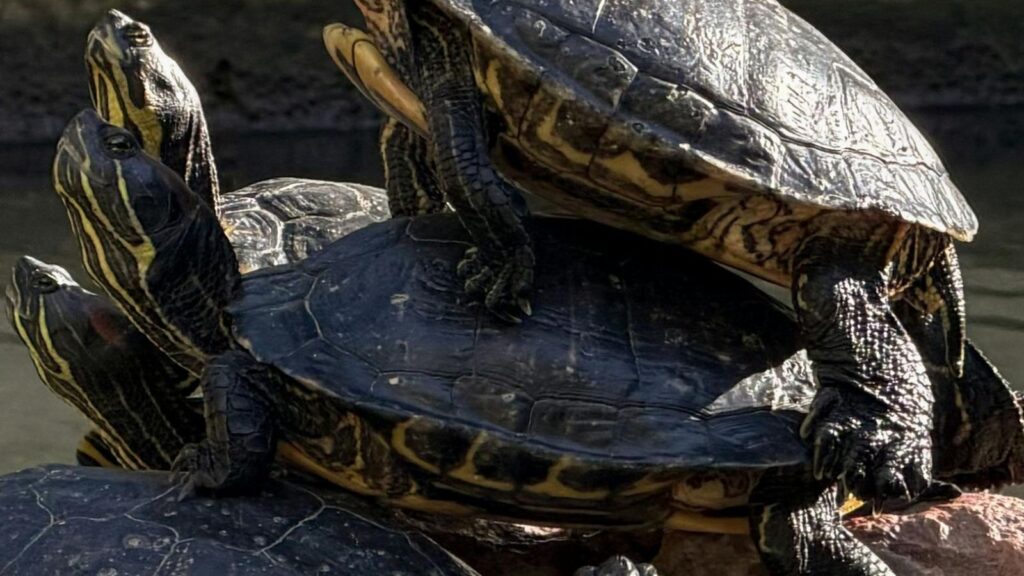
Although not a sex change in the traditional sense, some turtle species can determine their gender based on environmental temperature. For example, in sea turtles, cooler temperatures favor males, while warmer temperatures favor females. This form of natural sex determination helps ensure a balanced population of turtles, which will adapt to environmental changes that may alter the balance of males to females.
The Anglerfish
The reproductive system of anglerfish is unique in that males are parasites of females. Male anglerfish are much smaller than female anglerfish, and once they find their mates, they fuse with them and obtain nutrients from them, thus becoming part of their bodies. While this is not a typical sex change, the male’s transformation into a permanently attached mate is a fascinating example of how nature can redefine gender roles in the animal kingdom.
Gobies
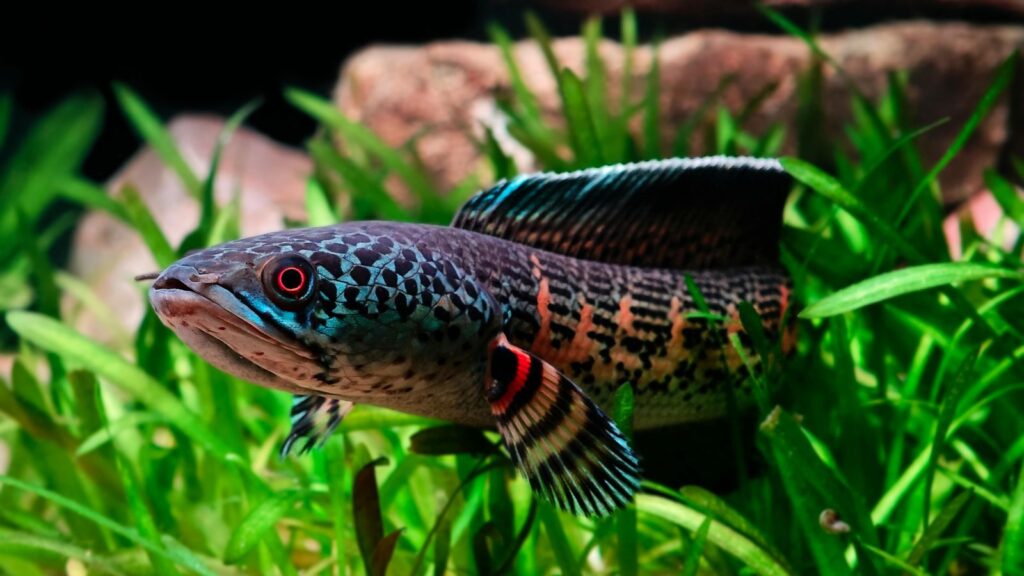
Gobies are small fish that exhibit remarkable sex-changing capabilities. In some species, males may switch to females if the population is imbalanced, while others may begin life as females and transition to males when the dominant male is removed from the group. This ability allows gobies to maintain balanced sex ratios, ensuring reproductive success and survival in environments where mates may be scarce.
Sea Hares
Sea hares are a type of mollusk that exhibits perhaps the most spectacular form of sex role change. Sea hares are hermaphroditic, which means that they have both male and female reproductive organs. However, when two sea hares meet, they can mate and change sex so that each of them can reproduce. This ability to change sex makes them highly adaptive to changing populations and environmental conditions.
Conclusion: Nature’s Mastery of Reproductive Adaptability
The ability to change sex in the animal kingdom is a brilliant survival strategy that demonstrates nature’s incredible adaptability. Whether it is for maintaining social order, reproductive success, or adapting to environmental shifts, these animals show that, in the wild, gender may not be as static as we think. From clownfish to gobies, the realm of sex-changing animals is not only fascinating but also an example of the multifaceted, constantly shifting approaches life takes to survive. As we continue to explore these incredible creatures, one thing is clear: in nature, survival often depends on the ability to adapt—sometimes, even to the point of switching genders.