What if everything you thought you knew about nutrition was only half the story? Recent research is rewriting the rulebook on food, health, and how our bodies truly respond to what we eat.
These discoveries are not just interesting facts—they are powerful insights that could transform your diet, boost your well‑being, and sharpen your mind. Prepare to be shocked, inspired, and motivated as we explore 10 surprising nutritional breakthroughs you need to know now.
Not All Calories Are Created Equal

Here’s a game‑changing truth: the idea that “a calorie is a calorie” is outdated and downright misleading. Scientists now recognize that how your body processes calories depends on the source—protein, fat, carbs, and fiber all affect metabolism differently.
For example, protein requires more energy to digest, which can boost your metabolic rate and keep you feeling full longer. This revelation flips the old calorie‑counting mindset on its head and pushes us to focus on quality over quantity.
Gut Bacteria Are the Unsung Nutritional Powerhouses
Imagine a hidden world inside you, bustling with tiny microorganisms that dictate how food affects your body. The gut microbiome has a profound influence on everything from weight management to immune function and even mood.
Recent studies show that a diverse gutmicrobiome can improve nutrient absorption and reduce inflammation. Feeding your gut with diverse, fiber‑rich foods is no longer optional—it’s essential for real health gains.
Ultra‑Processed Foods Disrupt Metabolism More Than We Thought
It turns out that eating ultra‑processed foods goes beyond empty calories—it may alter how your body stores fat and processes sugar. Research now links these foods with hormonal changes that may promote overeating, weight gain, and metabolic dysfunction.
Simply switching to whole foods could reverse these effects, improving energy levels and resetting appetite signals. This discovery underscores that what you eat matters just as much as how much you eat.
Time‑Restricted Eating Improves Metabolic Health

Here’s a twist on dieting that doesn’t require counting calories: when you eat may be just as important as what you eat. Time‑restricted eating—limiting daily eating to a consistent window, like 8–10 hours—has been shown to improve insulin sensitivity and support weight regulation.
Your body’s internal clock plays a huge role in nutrient processing, and aligning meals with your circadian rhythm may enhance overall health. This discovery puts timing at the forefront of nutrition science.
Sleep Quality Strongly Influences Weight and Appetite
What you eat isn’t only about food—it’s also about sleep. New findings reveal that poor sleep disrupts the regulation of hunger hormones such as leptin and ghrelin, leading to increased cravings and overeating.
Even a single night of inadequate sleep can increase your appetite for calorie‑dense foods the next day. Nutrition science now recognizes that sleep and diet are inseparable partners in health.
Hydration Influences How You Process Food
Think water is only for thirst? Think again. Hydration affects not just digestion but also metabolism, satiety, and even cognitive function. Dehydration can slow gastric emptying, leaving you feeling sluggish and prone to overeating.
Emerging research suggests that water before meals may even support appetite control and weight management. It’s a simple shift with surprisingly powerful implications.
Fat Isn’t the Enemy—Processed Fats Are
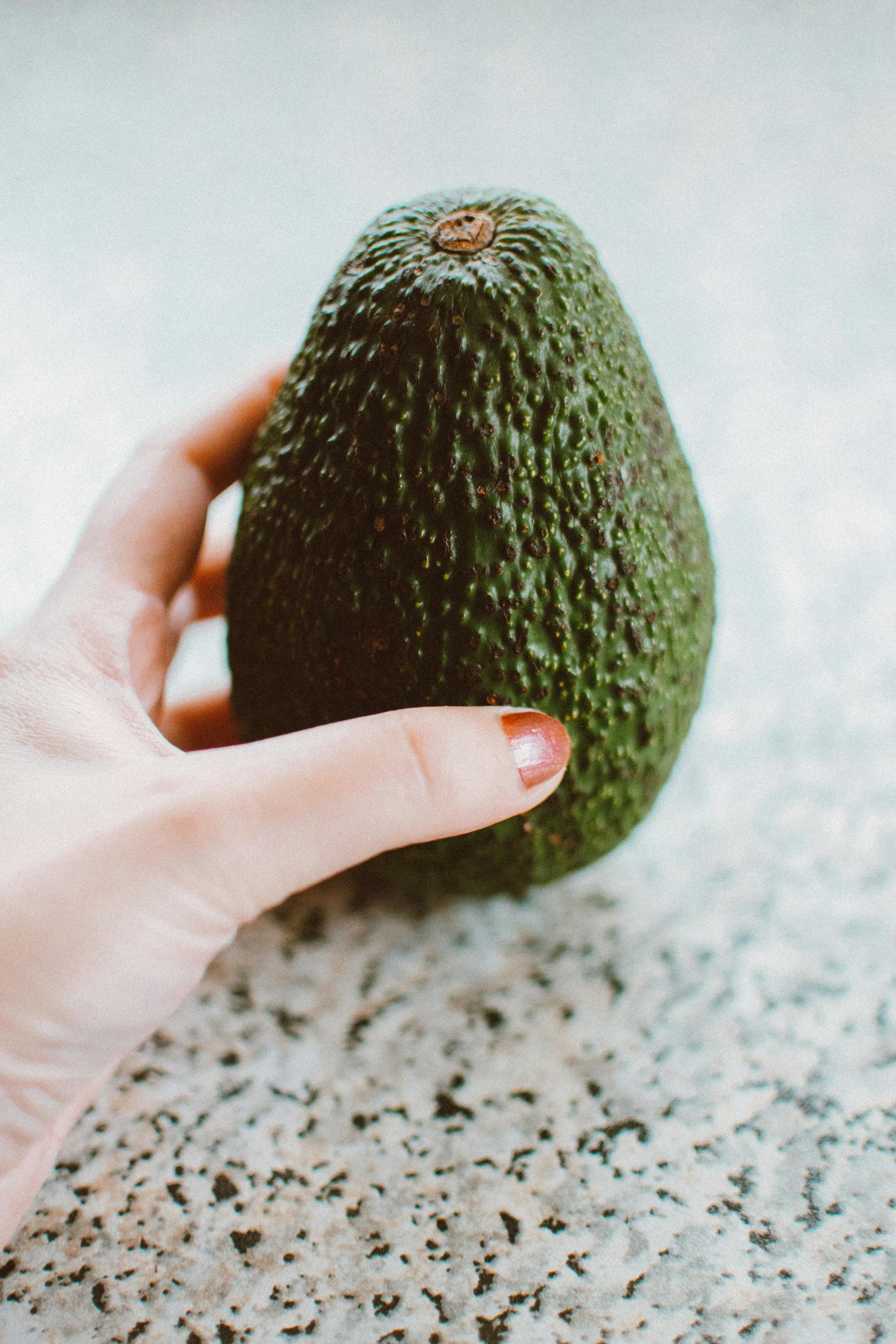
Fat has long been misunderstood, but nutrition science is finally correcting the narrative. Beneficial fats, such as those found in avocados, nuts, and olive oil, support cell health, brain function, and satiety.
The real culprits?Hydrogenated and highly processed trans fats, which research has linked to inflammation, heart disease, and insulin resistance. This insight encourages a more nuanced approach to dietary fats, empowering you to choose smart fats without fear.
The Role of Antioxidants Goes Beyond Free Radicals
Antioxidants were once thought of as mere defenders against free radicals, but new research shows they also play vital roles in gene expression and immune regulation.
Foods rich in phytonutrients, like berries, dark leafy greens, and colorful vegetables, help modulate inflammation and support cellular resilience. The broader function of antioxidants transforms them from dietary buzzwords into true wellness allies. Understanding this elevates their importance in your daily plate.
Personalized Nutrition Is Superior to One‑Size‑Fits‑All Diets
Here’s a nutrition truth that’s reshaping the future: what’s healthy for one person may not be for another. Genetics, gut bacteria, lifestyle, and even stress levels influence how different bodies respond to food.
Personalized nutrition—guided by biomarkers, blood panels, and metabolic data—is producing far more predictable results than generic diet plans. Today’s science proves that your unique biology deserves a tailored nutritional strategy.
Plant Phytonutrients Work Synergistically, Not in Isolation

Isolated vitamins and supplements are hot products, but research now shows that nutrients work best when consumed together in whole foods. Phytonutrients in fruits, grains, and vegetables interact in complex ways, enhancing absorption and maximizing health benefits.
This synergy explains why whole foods outperform multivitamins in scientific studies. The discovery calls us back to fundamentals: nature’s design is smarter than any pill.
Conclusion
Nutrition is no longer a static list of rules or a collection of “good vs. bad” foods; it’s an evolving science that recognizes complexity, individuality, and connection. These shocking insights reshape how we think about food, metabolism, and the profound ways in which what we eat interacts with our bodies and minds.
Armed with this knowledge, you can make smarter choices that fuel your life, sharpen your health, and elevate your well‑being. Eat with curiosity, eat with purpose, and let these discoveries guide you toward the healthiest version of you.