The washing machine is an indispensable household appliance that simplifies laundry chores with its powerful cleaning capabilities. However, not everything belongs in the wash. While it may seem convenient to toss in various items, some fabrics, materials, and objects can damage your washing machine. Understanding what to avoid is essential for maintaining both the integrity of your clothing and the performance of your washer. Here’s a comprehensive article on things you should never put in the washing machine.
Delicate Fabrics
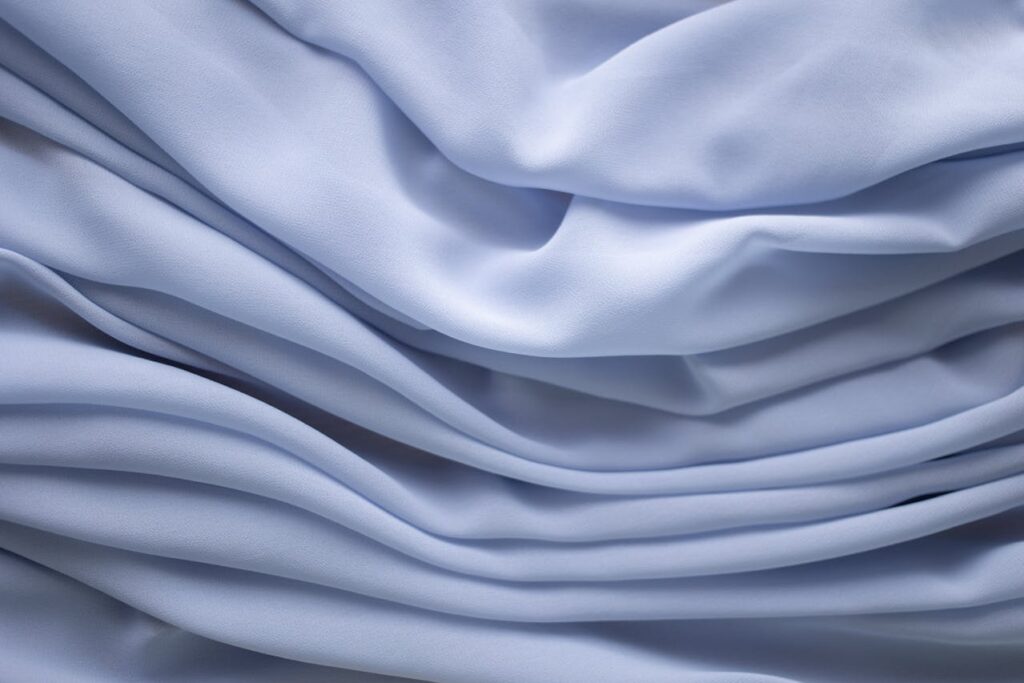
Delicate fabrics such as silk, lace, and cashmere require extra care. These materials are often fragile and may lose their shape, color, or texture when exposed to the tumbling and aggressive agitation inside a washing machine. Moreover, the heat from the dryer can cause shrinking or further damage.
Hand-wash delicate items or use a specialized laundry bag to protect them during machine washing. If the label allows, opt for the gentle cycle with cold water. For cashmere and silk, air-drying is recommended to preserve the fabric.
Bras and Underwear
Bras, particularly those with underwires, are prone to bending, breaking, or losing their shape when washed in a machine. The agitation can stretch the straps, distort the cups, and damage delicate fabrics. Additionally, underwear made from lace or satin can tear under the force of the washing machine’s drum. Place bras and delicate underwear inside a mesh laundry bag to minimize damage. Hand-washing these items with mild detergent is the best way to ensure longevity.
Shoes and Sneakers
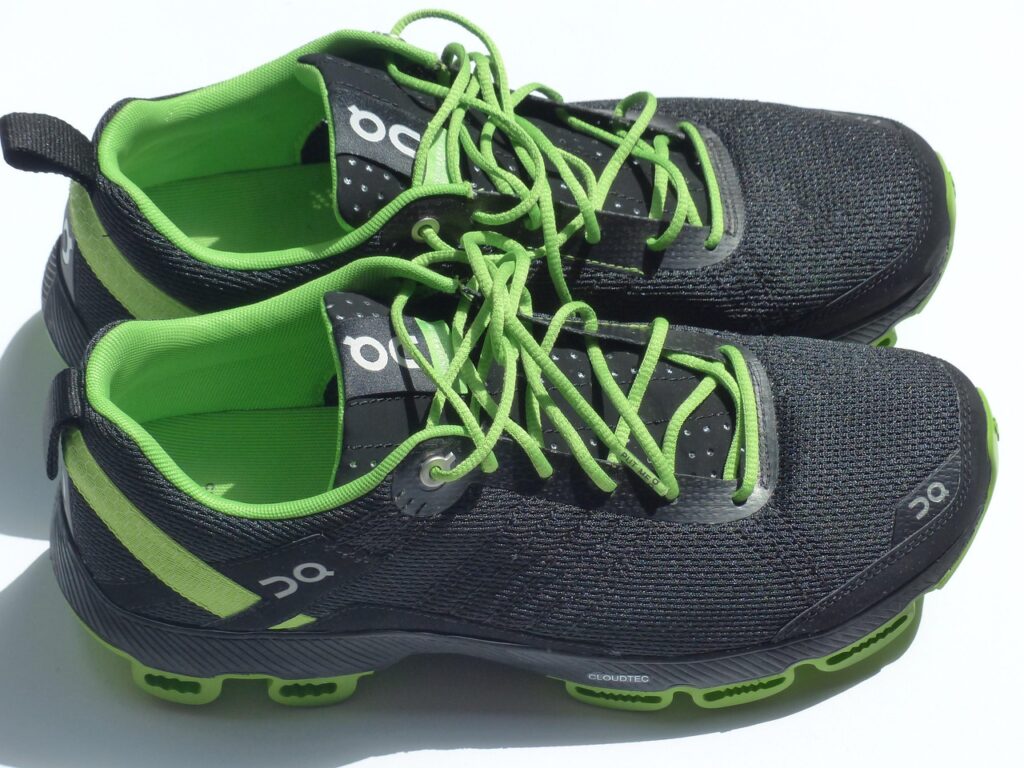
While it may be tempting to throw shoes in the washing machine, doing so can be harmful. The harsh spin cycle may warp or ruin the shoes’ structure, particularly those made of leather, suede, or rubber. Additionally, the soles and other components can become detached from the shoe.
Clean shoes by hand using a damp cloth, or for athletic shoes, use a mild detergent and scrub the surface with a soft brush. You can wash sneakers if they are machine-safe (check the manufacturer’s instructions), but always remove the laces and insoles first, and place them in a pillowcase or laundry bag.
Feathered Items
Washing feathered items, such as pillows or down comforters, in the washing machine can cause clumping and uneven feather distribution. The dense, absorbent nature of these items also requires careful handling. Overloading the washing machine with bulky items can cause imbalanced spins and possible damage to the machine.
Use a front-loading washing machine on a gentle cycle with cold water for better handling. For larger items, consider taking them to a professional laundry service. Always make sure to dry these items thoroughly, either using low heat in the dryer or by air-drying them in a well-ventilated area.
Zippered Items
Zippers, especially metal ones, can catch on fabrics during the washing cycle. The agitation may cause rips or snags in delicate materials. Additionally, metal zippers may scratch the inside of your machine, potentially causing damage over time. Close zippers before washing to minimize the risk of damage. For extra protection, turn clothing inside out or place it in a mesh bag to prevent abrasion.
Heavy Items
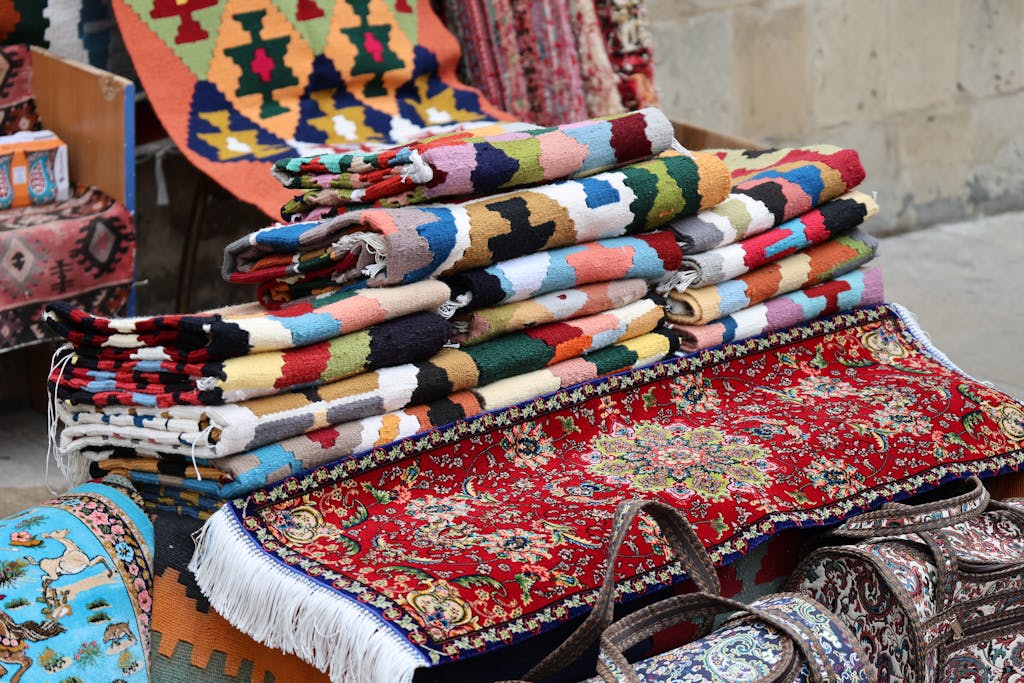
Heavy items such as rugs and bath mats can strain the washing machine’s motor and drum. Rugs, in particular, can become waterlogged, making them too heavy for a typical washing machine to handle. The added weight can also cause an imbalance, damaging your machine’s suspension.
Check the manufacturer’s instructions for washing, and only wash small rugs that fit comfortably in your machine. Use a commercial-sized washer for large or heavy items. For most rugs, hand washing or professional cleaning is the safest option.
Clothing with Excessive Pet Hair
Clothing with a lot of pet hair can clog the washing machine’s drainage system. Fur can build up in the lint trap and clog pipes, leading to poor drainage and potential long-term issues. Additionally, pet hair can cling to delicate fabrics, making it hard to remove. Before washing, use a lint roller to remove excess pet hair. Wash pet-covered clothing separately in a load designated for heavy fabrics and use a pet hair-removal cycle if available.
Clothing with Strong Stains (Without Pre-Treatment)
Clothing with heavy stains (such as grease, oil, or food) may not fully clean without proper pre-treatment. Washing these items in the machine without spot-treating the stains can set the stain, making it more difficult to remove in subsequent washes. Pre-treat stains before washing with a stain remover. Allow it to sit for a few minutes to break down the stain before washing on the appropriate cycle for the fabric.
Batteries and Electronics
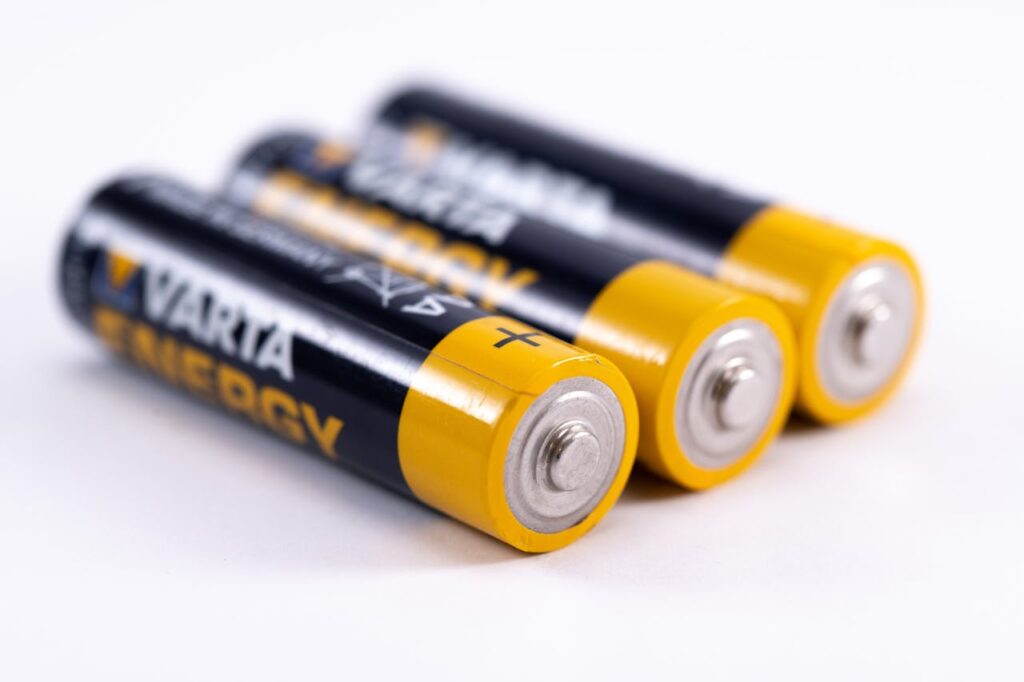
Accidentally leaving electronics or batteries in clothing is a major hazard. Water and electronics don’t mix. If the device gets wet, it can short-circuit, potentially ruining both the item and the washer. Always check your pockets before doing laundry to ensure that no batteries, electronic devices, or accessories are left inside. If you are washing an item like a jacket with a battery pack, remove the pack first.
Items with Decorative Elements
Items with intricate decorations, such as beads, sequins, or rhinestones, can become dislodged or damaged during a machine wash. The tumbling action can cause embellishments to fall off or threads to break, leaving the garment looking worn or incomplete.
Turn clothing inside out before washing and place them in a mesh laundry bag. Use the gentle or delicate cycle to minimize stress on the embellishments. For garments with high-value decorations, hand-washing is the best option.