When it comes to plumbing issues, a few simple steps can save you time, money, and stress. Before you dial up a plumber, there are crucial things you should know that can either make or break the situation. Here’s a comprehensive guide to understanding plumbing issues and handling them like a pro.
Don’t Ignore the Small Leaks; They Could Get Bigger

A small drip from your faucet may seem insignificant, but it’s actually a signal that something larger could be brewing. Leaks are often the result of worn-out parts, like washers or seals. If left unaddressed, they can lead to water damage, mold growth, or a more expensive repair down the line.
Many homeowners don’t realize that even the smallest leak can waste hundreds of gallons of water over time. If you notice a dripping faucet or a slow leak, it’s best to fix it promptly. In some cases, it may be a simple fix that you can handle yourself, like replacing a washer, but if you’re unsure, don’t hesitate to call a professional plumber.
Regular Maintenance Can Prevent Major Plumbing Problems
Just like any other system in your home, your plumbing needs regular maintenance to keep it running smoothly. Many plumbing issues are preventable with simple checks, such as inspecting pipes for leaks, cleaning drains, and checking water pressure. Regular maintenance can help catch issues before they become emergencies.
If you’re not comfortable doing this yourself, schedule an annual check-up with a plumber. Most plumbing companies offer a maintenance package that includes routine inspections, pipe cleaning, and preventative repairs. This small investment can save you big on repairs and potentially costly replacements.
Know the Location of Your Shut-off Valves

Every homeowner should know where their main water shut-off valve is located. In case of a burst pipe or serious leak, knowing how to turn off the water supply quickly can prevent a flood and save you from costly water damage. Most shut-off valves are located near the water meter, but in some homes, they may be in the basement or outside near the foundation.
To avoid damage during plumbing emergencies, practice turning off your water valve. This simple precaution could save your home from thousands of dollars in damage if disaster strikes.
Avoid Overusing Chemical Drain Cleaners
While they might seem like an easy solution, chemical drain cleaners can do more harm than good. These products can corrode pipes over time, especially in older plumbing systems. Additionally, they don’t always work effectively on stubborn blockages, leaving you with lingering issues.
If your drains are clogged, try using a natural solution like a baking soda and vinegar mix or a plunger to clear the blockage. If these methods don’t work, it’s time to call a plumber. A professional will use safe, effective tools to resolve the issue without damaging your plumbing.
Don’t Flush Everything Down the Toilet

It’s important to remember that toilets are only designed to handle human waste and toilet paper. Flushing other items, such as wipes (even those labeled “flushable”), paper towels, or feminine hygiene products, can cause serious clogs and even damage the plumbing. These items don’t break down the way toilet paper does, and they can quickly lead to costly repairs or even a full pipe replacement.
Be mindful of what you flush, and encourage your household to dispose of only appropriate items in the toilet. For everything else, have a trash can nearby to avoid unnecessary plumbing issues.
Check for Water Pressure Issues Early
Low water pressure can be more than just an inconvenience; it could be a sign of underlying plumbing problems. It’s normal for pressure to fluctuate a little, but if it drops significantly, there could be a leak, a blocked pipe, or an issue with your water supply. It’s worth checking your water pressure periodically to identify any trends or sudden changes.
If you notice low pressure in certain faucets or rooms, it may be localized, but if the pressure is consistently low throughout the house, it’s time to call in a plumber to inspect your system.
Properly Insulate Pipes to Prevent Freezing
During colder months, the last thing you want is frozen pipes. Pipes that are exposed to cold air, such as those in unheated basements or attics, are especially vulnerable to freezing. When water inside the pipes freezes, it can expand, causing the pipes to crack or burst and leading to flooding and costly repairs.
Insulating your pipes with foam or fiberglass insulation is a simple and effective way to protect them. If you’re unsure where your vulnerable pipes are, or if you’re experiencing recurring freezing issues, contact a plumber to help prevent further damage.
Your Water Heater Needs Regular Care
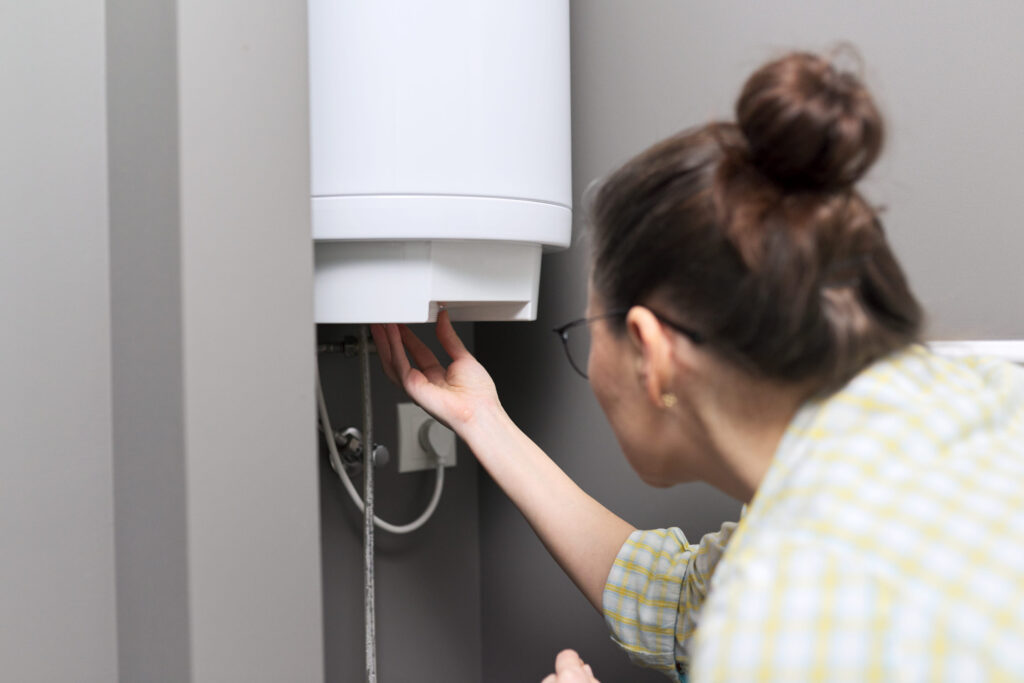
A water heater is an essential appliance in your home, and just like your plumbing system, it needs regular care. Flushing the tank to remove sediment buildup, checking the temperature settings, and replacing the anode rod can help extend your water heater’s lifespan and improve its efficiency.
If your water heater is over ten years old or showing signs of malfunction, such as inconsistent water temperature or strange noises, it may be time for a replacement. A professional plumber can guide you through the best options for your home.
Invest in a Water Softener if You Have Hard Water
Hard water can wreak havoc on your plumbing system. The minerals in hard water, such as calcium and magnesium, can build up in your pipes and appliances, reducing their efficiency and leading to blockages. Over time, this buildup can lead to costly repairs or the need to replace appliances such as dishwashers and water heaters.
A water softener system is an effective way to combat hard water. It works by removing the minerals that cause buildup, protecting your plumbing and appliances while improving water quality. If you suspect your home has hard water, ask a plumber to assess your water quality and recommend the best softening solution.
Call a Professional Plumber for Serious Issues
Some plumbing problems require professional expertise. While minor repairs may be doable for homeowners, serious issues, such as sewer line blockages, broken pipes, or gas leaks, should always be handled by a licensed plumber. These issues can be dangerous if not properly addressed and can result in severe water damage, health risks, or even explosions.
If you are unsure about the severity of your plumbing problem, it’s always safer to call a professional plumber for advice or assistance. Don’t risk DIY fixes that could make the situation worse or even pose a danger to your home and family.