Money has always been a central pillar of our lives, influencing everything from personal decisions to global affairs.
Whether in the form of digital transactions, cold hard cash, or the most sophisticated economic systems, money governs actions, power, and perceptions.
Below, we explore ten captivating stories about money that have shaped our world, from incredible blunders to clandestine operations that redefined global finances.
The Japanese Yen and Nepal’s Paperbush
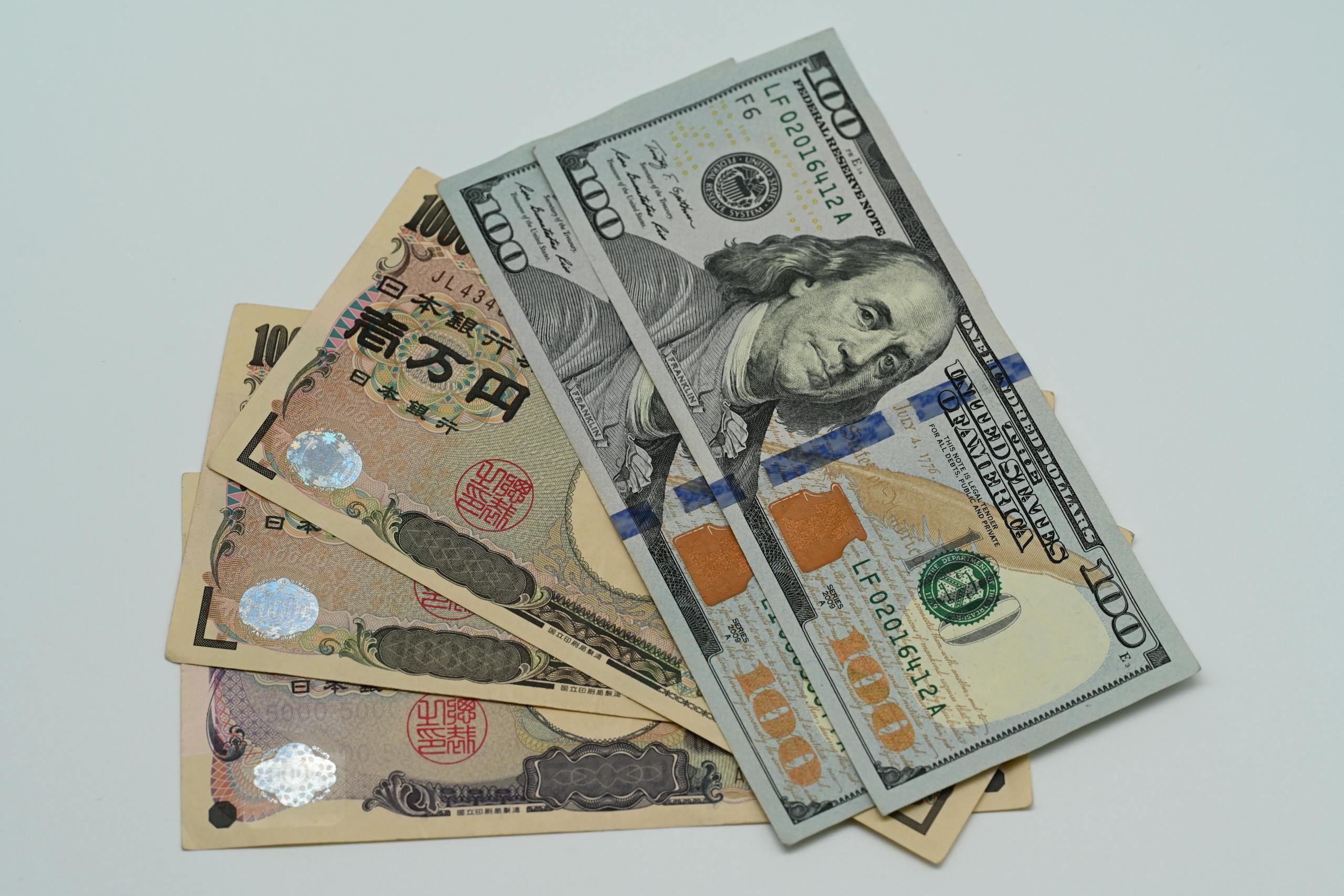
Japan’s yen notes are not only famous for their historical significance and stunning design but also for the surprising material used in their production. For generations, Japan has sourced paper for its currency from the foothills of Nepal, where the paperbush (argeli) is harvested.
This paper is known for its strength and texture, which gives yen notes their resilience. Despite the increasingly digital world, this traditional connection persists, underscoring how physical money remains tied to nature and culture.
This unexpected partnership between Japan and Nepal is a remarkable example of how money transcends borders and brings economic cooperation between nations.
The unique use of natural resources for creating currency has remained a quiet yet powerful element of Japan’s monetary system.
Citigroup’s $81 Trillion Error
In 2024, a massive clerical error at Citigroup almost brought down one of the world’s largest financial institutions. An employee mistakenly deposited $81 trillion into a Brazilian customer’s account instead of $8.
While the funds never left the bank’s internal systems, the sheer scale of the error led to a massive compliance review and scrutiny from the U.S. Federal Reserve. This case highlighted the vulnerabilities in global banking systems and the potential risks of relying on automated financial processes.
For a brief moment, an ordinary account holder became the wealthiest person in the world, if only on paper. This error sparked a series of reforms in banking operations and risk management, underscoring the importance of oversight in the modern financial world.
North Korea’s Supernotes
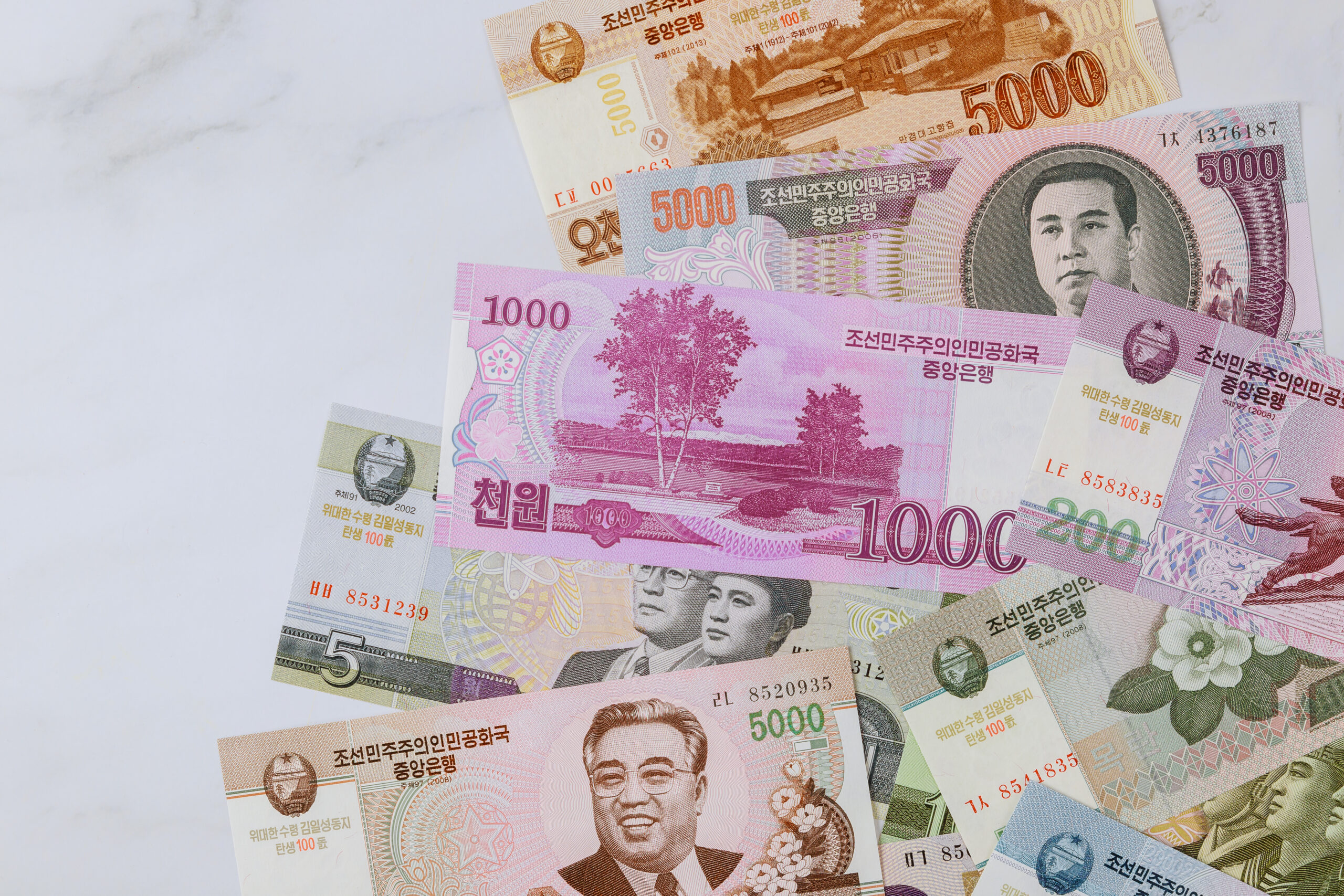
In the early 1990s, U.S. officials were alarmed to discover a wave of perfect counterfeit $100 bills circulating globally. These high-quality fakes, known as “supernotes,” were so convincing that even experienced financial institutions struggled to detect them.
Suspicion soon turned to North Korea, whose regime was thought to be behind the operation. Through a covert unit known as Office 39, North Korea produced these supernotes using the same paper blend and printing techniques as the U.S. Treasury.
The counterfeit bills circulated worldwide, funding illicit activities and even entering diplomatic circles. While the U.S. redesigned its currency to combat the issue, the mystery of North Korea’s involvement remains one of the most significant financial scandals of the modern era.
Operation Bernhard
During World War II, the Nazis launched Operation Bernhard, a bold scheme to destabilize the British economy by flooding it with counterfeit currency.
Led by the Third Reich’s secret service, the Nazis printed millions of pounds in fake notes so convincing that even the Bank of England struggled to detect them.
The goal was to cause inflation, undermine trust in the British pound, and throw the economy into disarray.
While the Nazis did not manage to release the forged money into the market, they laundered it through Swiss banks and used it to fund covert operations.
The scale of the operation was massive, producing counterfeit money worth billions today. Operation Bernhard remains one of the most audacious wartime financial schemes.
The Secret $400 Million Cash Flight to Iran
In 2016, the Obama administration was caught in the midst of a controversial financial operation when a U.S. cargo plane flew to Iran carrying $400 million in cash. This shipment, which included euros and Swiss francs, was the first of a $1.7 billion settlement between the U.S. and Iran.
The money, originally frozen in 1979, was returned as part of a long-awaited arbitration decision, but the timing of the payment raised suspicions.
Critics claimed it looked like a ransom payment, especially since the cash was delivered just as Iran released four American prisoners.
The delivery was kept secret until video footage surfaced, causing a media firestorm and reinforcing the idea that money, even in its physical form, plays a crucial role in diplomacy.
The Vatican’s Financial Scandals
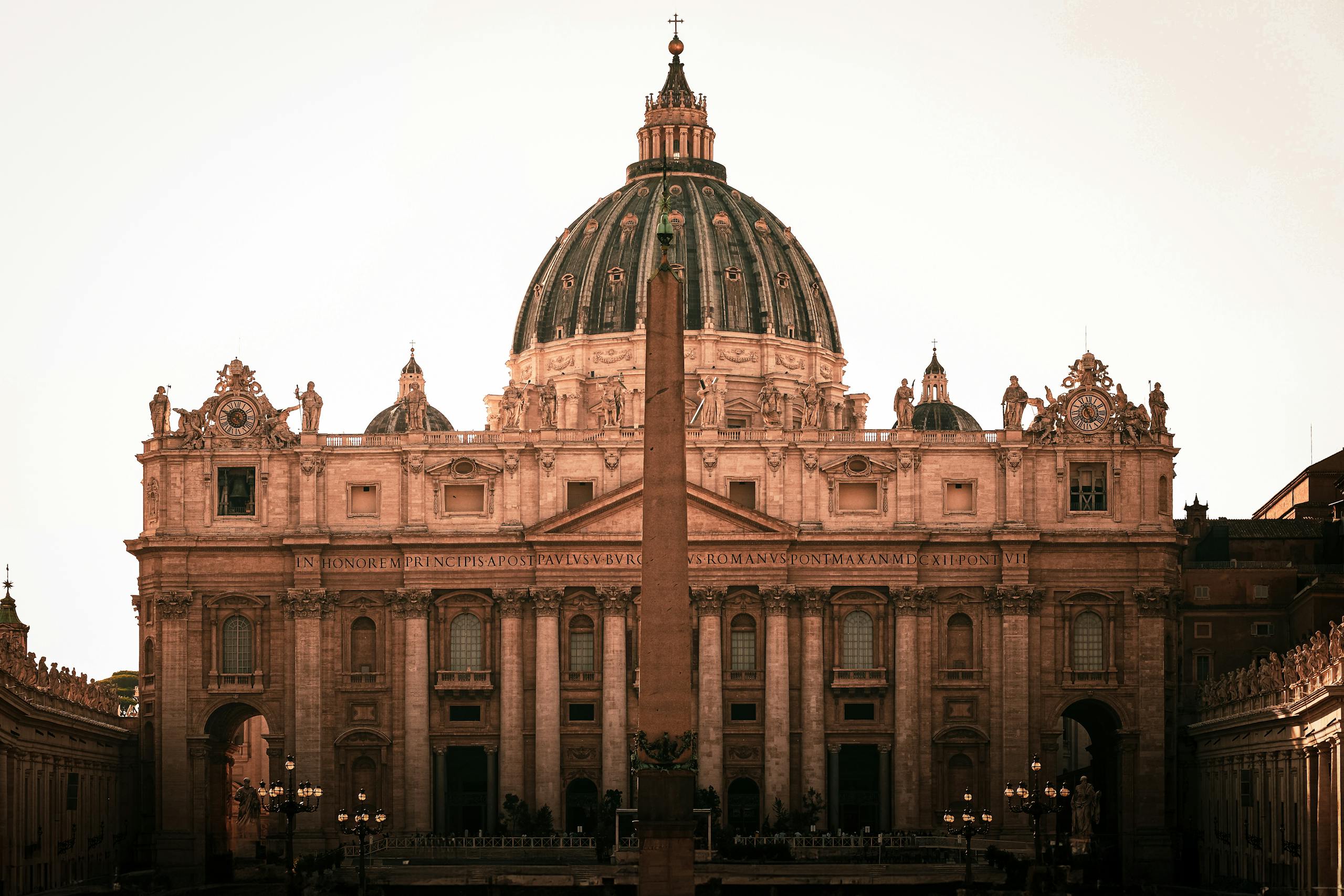
The Vatican has long been plagued by financial scandals, with mismanagement and corruption running deep within its financial system. The Vatican Bank, known for its secrecy, became the focal point of financial reform efforts when Pope Francis appointed Libero Milone as the first auditor general in 2013.
However, Milone was forced out in 2017 under suspicious circumstances, and Cardinal George Pell, who uncovered hidden funds totaling 1.4 billion euros, was removed as well.
The Vatican’s failed real estate deal in London, which resulted in a $100 million loss, brought further attention to the institution’s financial malpractices.
Despite attempts at transparency, the Vatican continues to operate behind a veil of secrecy, with billions of dollars in global assets remaining largely unaccounted for.
Operation Cornflakes
During World War II, the U.S. Office of Strategic Services launched Operation Cornflakes, a covert mission designed to destabilize Nazi Germany by flooding it with counterfeit Reichsmarks.
American planes dropped bags of forged stamps and anti-Nazi pamphlets on German mail trains, spreading propaganda and mocking the Nazi regime. The operation, which also included the creation of fake currency, successfully undermined Nazi morale.
Though the counterfeit bills were never released into the market, Operation Cornflakes remains an example of how financial manipulation can be used as a weapon in times of war.
The Enron Scandal
The Enron scandal, one of the largest corporate frauds in history, shook the financial world in the early 2000s. The energy company used complex accounting tricks and off-balance-sheet entities to hide its massive debts, creating the illusion of profitability.
When the truth was revealed, Enron’s stock plummeted, and thousands of employees lost their jobs and savings.
The scandal led to significant regulatory changes, including the Sarbanes-Oxley Act, which introduced stricter oversight of corporate financial practices.
Enron’s collapse serves as a cautionary tale about the dangers of financial deception in the corporate world.
The 2008 Financial Crisis
The 2008 financial crisis, sparked by the collapse of the U.S. housing market, was one of the most significant financial events in recent history. Banks had been offering subprime mortgages to individuals who could not afford them, leading to a housing bubble.
When the bubble burst, millions of Americans lost their homes, and the global economy teetered on the brink of collapse.
The crisis exposed serious flaws in the global financial system, leading to widespread reforms and increased regulation.
It also raised questions about the role of financial institutions and government oversight in preventing economic collapse.
Bitcoin’s Meteoric Rise

Bitcoin, the world’s first decentralized cryptocurrency, has transformed the financial landscape since its creation in 2009.
Originally a niche digital asset, Bitcoin has grown into a global phenomenon, with investors and institutions alike scrambling to get in on the action.
Its rise has challenged traditional banking systems and sparked debates about the future of money.
Despite its volatile nature, Bitcoin’s value has soared to over $60,000 per coin, making it a powerful player in the global financial market.
Its potential to revolutionize the way we think about currency and financial transactions continues to captivate investors, regulators, and governments.
Conclusion
Money is not just a medium of exchange; it’s a symbol of power, mystery, and sometimes, chaos. From accidental errors that almost toppled major financial institutions to covert operations that shook economies, these stories remind us of the enormous impact money can have on our world.
Each tale reflects the complex interplay between money, politics, and global events, demonstrating that currency is far more than just a number on a screen or a note in our wallet.