Your body is constantly sending signals, and sometimes those signals indicate something more serious. Ignoring or brushing off certain symptoms can lead to long-term health issues and even worsen conditions that could be treated early.
Recognizing the difference between normal discomfort and a symptom that requires medical attention is vital for maintaining your health. Here are 10 warning signs that should never be ignored and why it’s important to seek medical help immediately when you experience them.
Jaw Pain

We often associate jaw pain with dental issues, stress, or even sleeping in an uncomfortable position. However, sudden jaw pain can also be a serious warning sign, particularly when accompanied by other symptoms such as chest pain, shortness of breath, dizziness, or nausea.
The American Heart Association highlights that jaw pain can sometimes signal a heart attack, as the nerves in the jaw are connected to the heart. If jaw pain comes on suddenly and doesn’t seem like a typical dental issue, seek medical attention immediately. Quick treatment is crucial to prevent further complications, such as heart damage or even death.
Swollen Ankles
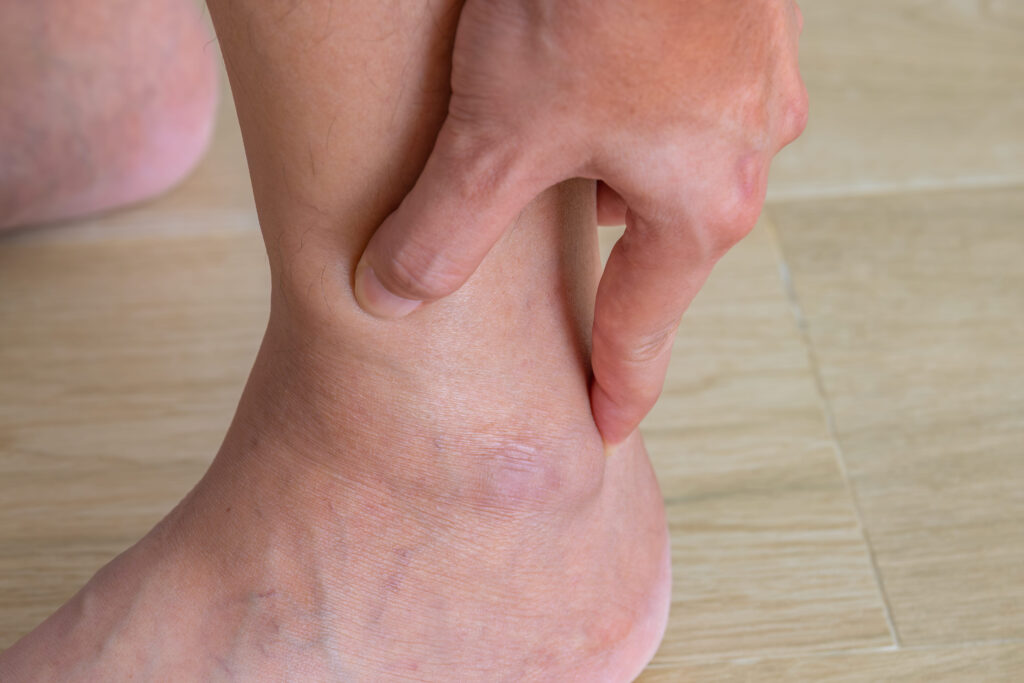
While many of us might experience temporary ankle swelling after standing for long periods or eating salty foods, persistent or unexplained swelling could signal kidney dysfunction.
When the kidneys are unable to filter fluids properly, the body retains excess sodium and water, causing swelling, especially in the lower extremities. If your ankles are swollen and the condition persists or worsens, it’s important to consult with a doctor.
Early detection of kidney disease or other kidney-related issues can prevent severe complications such as kidney failure. If left untreated,kidney problems can lead to life-threatening conditions.
Chest Tightness and Shortness of Breath
Chest tightness and shortness of breath are often written off as stress or asthma, but these symptoms could be signals of a more serious issue, such as a heart attack or other heart-related conditions.
When your heart is not receiving enough oxygen-rich blood due to blocked arteries, it can cause chest discomfort and difficulty breathing. If chest tightness is accompanied by symptoms such as sweating, dizziness, nausea, or pain in the jaw, back, or arms, this is a clear red flag that you need immediate medical care. Ignoring these signs could lead to further damage to the heart or other vital organs.
Frequent Urination
Frequent urination, especially if it’s accompanied by increased thirst, fatigue, blurred vision, or unexplained weight loss, could be a sign of diabetes. High blood sugar levels cause the kidneys to work overtime to filter out the excess glucose, leading to frequent trips to the bathroom.
If you find yourself urinating more often than usual, especially during the night, or if you’re feeling excessively thirsty, this could be a sign of diabetes. Diagnosing and managing diabetes early is essential for preventing complications such as kidney damage, heart disease, or nerve damage.
Persistent Hiccups
While occasional hiccups are common and harmless, persistent or severe hiccups that last more than 48 hours should not be ignored. Persistent hiccups can be linked to nerve damage, brain issues, or metabolic disorders.
In some cases, they could signal a stroke, tumor, or even a neurological disorder. Hiccups that persist and disrupt daily life require immediate medical attention to determine the underlying cause and prevent further complications.
Constant Coldness
Feeling cold even when others are comfortable can be a sign of an underactive thyroid (hypothyroidism). This condition occurs when the thyroid doesn’t produce enough hormones to regulate the body’s metabolism, causing a range of symptoms, including sensitivity to cold.
Other signs of hypothyroidism include fatigue, dry skin, constipation, weight gain, and even depression. Early diagnosis through a blood test can prevent further complications, including heart disease, infertility, and nerve damage.
Changes in Bowel Habits: Potential Signs of Digestive Disorders
Changes in your bowel habits that don’t go away, such as persistent diarrhea, constipation, or blood in your stool, could be signs of serious conditions like irritable bowel syndrome (IBS), Crohn’s disease, or colorectal cancer.
These conditions can lead to long-term health problems if left untreated. Even minor changes in bowel movements that persist for several weeks should be addressed with a healthcare provider. If you notice blood in your stool or experience severe abdominal pain, don’t wait to schedule a consultation with your doctor.
Sore Tongue

A sore or swollen tongue may be a symptom of vitamin B12 deficiency, which is often associated with anemia. Along with a sore tongue, other symptoms of B12 deficiency include fatigue, weakness, pale skin, and shortness of breath.
If your tongue is sore and you’re experiencing these additional symptoms, a blood test can confirm whether you have a B12 deficiency. If the deficiency is confirmed, it can be treated with supplements or dietary changes.
Facial Hair or Thinning Scalp Hair in Women
Unexpected facial hair growth or thinning of scalp hair in women is often linked to hormonal imbalances, commonly caused by polycystic ovary syndrome (PCOS). PCOS disrupts hormone levels, leading to symptoms such as acne, excess body hair, and scalp hair thinning.
These hormonal changes can impact fertility and lead to other long-term health issues. If you notice these changes, especially in conjunction with irregular periods or difficulty getting pregnant, it’s crucial to see your doctor for hormone testing and treatment options.
Tingling Hands or Feet

Tingling or numbness in the hands or feet can be an early sign of diabetic neuropathy, a type of nerve damage caused by prolonged high blood sugar levels. Over time, untreated diabetes can damage the nerves, leading to pain, tingling, or a loss of sensation.
Early recognition of these symptoms is crucial, as timely blood sugar management can prevent further nerve damage. If you experience persistent tingling or numbness in your hands or feet, seek medical advice to assess your blood sugar levels and prevent further complications.