The world of farming has always been full of innovation, but some farms take this to a whole new level. These bizarre farms aren’t just about growing crops or raising animals; they blend technology, creativity, and nature in the most unexpected ways.
From floating cows to undersea greenhouses, the following list uncovers 10 of the weirdest and most remarkable farming ventures that you’ve probably never heard of, but should.
The Farm Below the Sea

Imagine growing strawberries, lettuce, and beans not in soil, but underwater. That’s exactly what scuba enthusiast Sergio Gamberini envisioned when he created Italy’s first underwater farm.
Located off the coast of Noli, these innovative “greenhouses” are large balloons submerged 6 meters beneath the sea’s surface. They create an oxygenated, controlled environment that allows crops to thrive, untouched by harsh weather or drought.
The result? Fast-growing plants with the potential to combat food shortages in countries with limited farmland.
Sundrop Farms
In the middle of the Australian desert, a remarkable farm is defying nature. Sundrop Farms, a massive greenhouse complex in South Australia, grows tomatoes using nothing but sunlight, seawater, and innovative technology.
The plants thrive in coconut husks, irrigated with desalinated seawater that’s been desalinated and freshened by solar power. The farm uses sustainable practices that rely on minimal resources, ensuring the tomatoes it produces are as eco-friendly as they are delicious.
Floating Farms
Taking sustainable agriculture to the next level, the University of South Australia has pioneered floating farms. These farms, which sit on floating platforms in the sea, use solar-powered systems to convert seawater into freshwater.
This freshwater is then used to irrigate crops like lettuce, broccoli, and pak choi. Fully automated, the floating farm operates with minimal human intervention, providing an ideal solution for regions facing water shortages.
Algae Farms Over Highways
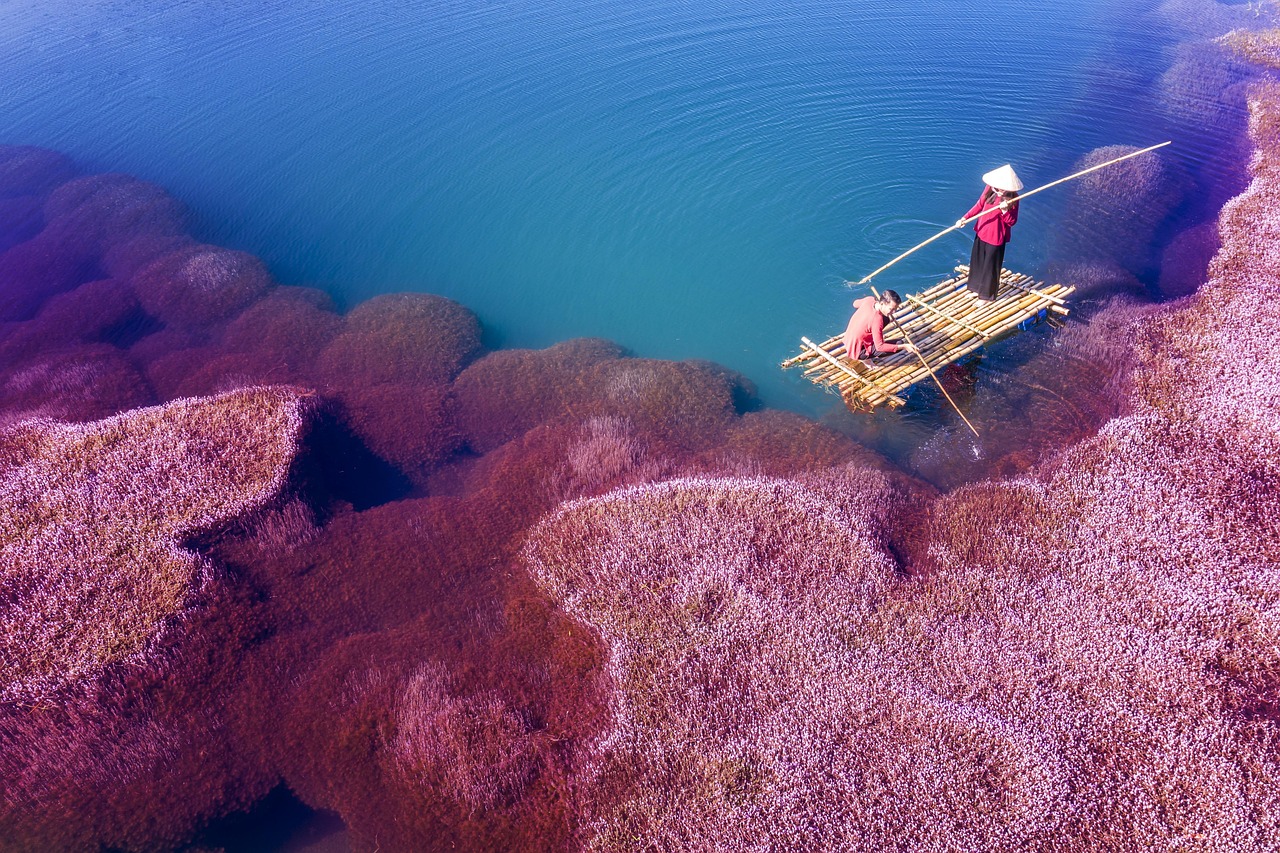
Highways, typically places of pollution, are now being turned into agricultural havens. In Switzerland, an innovative project has seen algae cultivated over highway viaducts. Algae thrive on carbon dioxide, so these farms essentially cleanse the air while providing valuable resources.
Once harvested, the algae can be used to produce products such as biodiesel, cosmetics, and even nutrients. This project merges environmental sustainability with agriculture in an imaginative way .
Cows in Charge
At the Kellogg Dairy Center in Connecticut, cows have become the decision-makers. Instead of being subjected to a strict milking schedule, the cows at this farm are free to decide when they eat, rest, or even get milked.
This experiment is designed to study the effects of animal autonomy on milk production and overall herd health.
With the help of automated milking machines and data-gathering sensors, researchers are learning how to improve cow welfare and productivity simultaneously.
The Snow Farm
In Canada’s Banff Sunshine Village, snow farming is taking place, but not in the way you might think. Unlike other ski resorts that rely on machines to produce artificial snow, Sunshine Village has created a unique system that uses fences to catch natural snow.
This method is eco-friendly, requiring no electricity or water, and ensures the slopes remain pristine even before the first snowfall. It’s a sustainable snowmaking solution that other resorts could learn from.
Floating Cows

In Rotterdam, a floating farm is redefining urban agriculture. Built on a two-story platform, this farm houses 35 dairy cows that graze in a controlled, sustainable environment.
The milk produced is sold to local retailers, ensuring that urban populations have access to fresh, locally sourced dairy. This innovative project proves that even in urban environments, sustainable farming can thrive .
Golden Dog Farm
In Jefferson, Vermont, Golden Dog Farm offers a unique experience: an hour spent with a pack of friendly golden retrievers.
While visitors can enjoy maple syrup, cider, and other treats, it’s the opportunity to interact with the dogs that draws the crowds.
This quirky farm has become a viral sensation, with people booking appointments to bask in the affection of up to 12 golden retrievers. It’s a delightful blend of agriculture and animal therapy.
Moon-Dictated Tea Harvest
In Darjeeling, India, there’s a farm that adheres not just to the seasons, but to the phases of the moon. The Makaibari Tea Estate, the world’s first biodynamic tea farm, harvests tea leaves based on celestial events.
Workers wait for a full moon, clear skies, and high tides before picking the leaves. This ritual, steeped in spirituality, is said to produce a tea with a unique taste, selling for as much as $1,850 per kilogram.
The Heck Cattle

In Devon, England, a unique and dangerous breed of cattle roams a farm. The Heck cattle were selectively bred in the 1930s by German zoologists to recreate the extinct auroch, an ancient wild cattle species.
These cows are not your average herd; they are aggressive and have been known to pose a significant threat to anyone who crosses their path.
The farm owner, Derek Gow, was forced to cull several cows due to their violent tendencies. Despite their fearsome nature, the Heck cattle remain part of this farm’s controversial history.
Conclusion
The world of farming is evolving in strange and exciting ways, pushing the boundaries of what we thought was possible.
Whether it’s growing crops underwater, farming on floating platforms, or embracing the rhythms of the moon, these bizarre farms offer a glimpse into a future where agriculture adapts to the challenges of our changing world.
From the deserts of Australia to the highways of Europe, these farming experiments are proving that with enough creativity and innovation, anything is possible.