Even seasoned beauty enthusiasts occasionally face those “why does this look off?” moments when your foundation looks patchy in daylight, contour lines appear streaky, or your eyeshadow refuses to blend seamlessly. These are common mistakes, but they can transform a polished routine into a frustrating experience. The good news? Each misstep has a simple, expert-backed solution. Understanding what’s going wrong and correcting it can elevate your makeup from average to flawless, ensuring you always leave the house looking camera-ready.
Scrolling down, here are the 11 biggest makeup mistakes people make:
Skipping Primer

Primer is often underestimated, yet it’s the critical first step for achieving a smooth, long-lasting finish. Skipping this step can cause foundation and concealer to settle into fine lines, cling to uneven texture, or fade before midday, leaving your face looking uneven and tired. Primers create a thin, even layer that fills in pores and smooths texture, helping makeup adhere better and maintain color vibrancy. They also control oil and shine in problem areas, while hydrating or mattifying skin depending on your needs. Selecting a primer tailored to your skin type ensures that your foundation sits flawlessly, whether you’re heading to work or going out for an evening event.
Primer is often the unsung hero of your makeup routine, quietly setting the stage for every product that follows. Beyond just smoothing the surface, a well-chosen primer creates a professional-grade canvas, minimizing the appearance of pores and fine lines so that foundation and concealer glide effortlessly.
It prevents makeup from separating, fading, or clinging to uneven patches, giving your look a polished, long-lasting finish from morning meetings to late-night events. Primers also tackle skin-specific challenges: oil-control formulas tame shine in the T-zone, while hydrating versions nourish dry areas to avoid cakiness or flaking.
Choosing the Wrong Foundation Shade
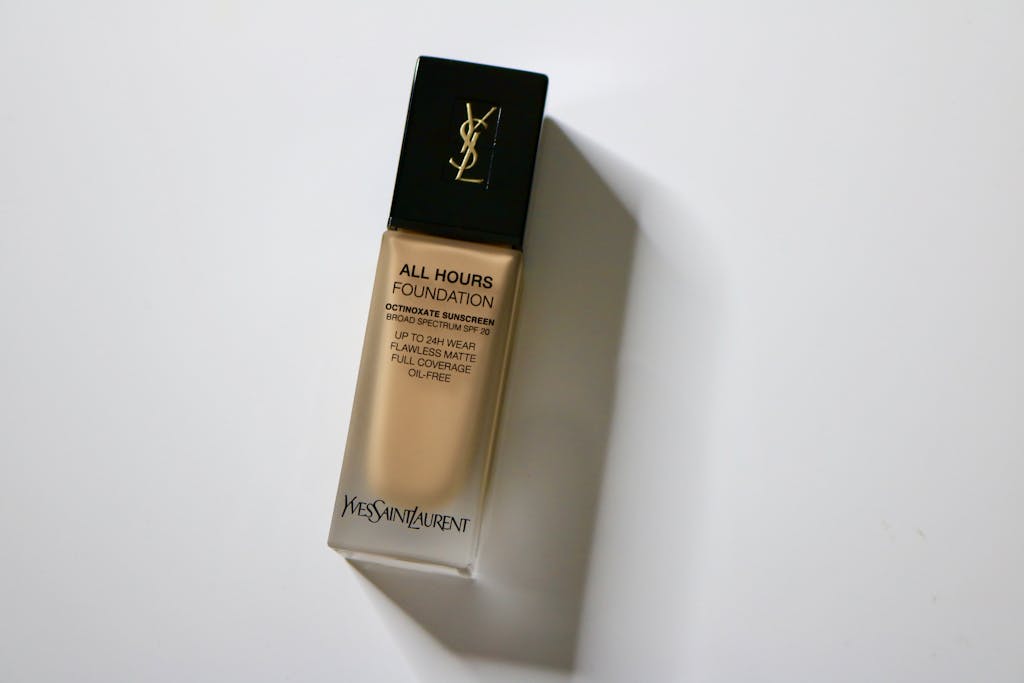
Foundation is designed to enhance, not mask, your natural skin tone. Many people make the mistake of testing foundation on the hand or under artificial lighting, which rarely reflects the true complexion of the face and neck. Using an incorrect shade can create a stark line along the jaw, leave the face looking pale or overly warm, and completely disrupt the harmony of your makeup.
The solution is to test shades along the jawline in natural light to ensure seamless blending with your neck. Mixing two shades can also be a smart strategy if you’re between tones, creating a custom match that looks effortless in all lighting conditions.
Foundation is meant to celebrate your natural skin tone, not obscure it, acting as the perfect backdrop that enhances your complexion rather than covering it up. Many people fall into the trap of swiping shades across the back of their hand or evaluating them under indoor, artificial lighting, which rarely matches the subtle undertones and natural hues of the face and neck.
This common misstep can lead to a visible line at the jaw, a face that appears unnaturally pale or overly warm, and an overall imbalance that undermines even the most carefully applied makeup. To achieve a flawless, cohesive look, the best approach is to test the foundation directly along the jawline in natural light, observing how it transitions from the face to the neck to ensure seamless blending.
Over-Powdering and the Cakey Effect
Powder is indispensable for setting makeup and controlling shine, but over-application can create a heavy, caked-on appearance. Excess powder tends to settle into fine lines, accentuate dry patches, and dull your skin’s natural radiance. Over time, layers of powder can make the face appear flat and lifeless. The fix is to apply powder sparingly, focusing on areas prone to oiliness, and using a light, pressing motion rather than sweeping or rubbing. This method sets makeup without hiding your natural glow, keeping your look fresh and breathable.
Powder is a cornerstone of any makeup routine, essential for setting foundation, concealer, and even blush, while keeping unwanted shine at bay throughout the day. Yet, it’s easy to go overboard, and too much powder can quickly transform a carefully crafted look into one that feels heavy, stiff, and artificial. When over-applied, powder tends to settle into fine lines, highlight dry patches, and sap your skin of its natural luminosity, leaving a flat, lifeless finish rather than a radiant, healthy glow.
The key is to use powder strategically and sparingly, concentrating on areas that are prone to oiliness such as the T-zone, and applying it with a light pressing motion instead of sweeping or rubbing, which can disturb the layers of foundation underneath. Using this technique allows your makeup to stay in place, controls shine, and enhances longevity, all while letting your natural skin texture and glow shine through.
With the right balance, powder becomes a subtle enhancer rather than a mask, preserving a fresh, breathable, and effortlessly polished appearance that lasts from morning to night.
Harsh or Unblended Contour
Contouring adds dimension, but when applied too heavily or left unblended, it can result in stark, unnatural lines that draw attention for all the wrong reasons. An overly dark or poorly placed contour can age the face, emphasizing hollows rather than subtly sculpting features. Blending is crucial; using a fluffy brush and building color gradually ensures soft transitions between contour and skin. Checking your work in natural light and from multiple angles helps prevent harsh lines and ensures a sophisticated, polished finish that enhances rather than dominates your face.
Contouring is a powerful tool that can transform a flat-looking complexion into one with depth, definition, and subtle sculpting, enhancing the natural structure of your face. However, it’s easy to overdo, and when applied too heavily or left unblended, contour lines can appear harsh and artificial, drawing attention to themselves rather than your features. A contour that is too dark or positioned incorrectly can unintentionally accentuate hollows, deepen shadows, or add an aged effect, overshadowing your natural beauty instead of complementing it.
The solution lies in blending patiently and thoughtfully: using a fluffy brush and building color gradually allows for seamless transitions, creating a shadow that looks soft, natural, and believable. It’s also essential to evaluate your contour in natural light and from multiple angles to ensure that each line blends seamlessly with your skin and other makeup layers. By taking these careful steps, contouring becomes a sophisticated enhancement rather than a dramatic distraction, subtly defining your cheekbones, jawline, and nose while maintaining a polished, professional, and effortlessly flattering finish.
Neglecting the Eyebrows
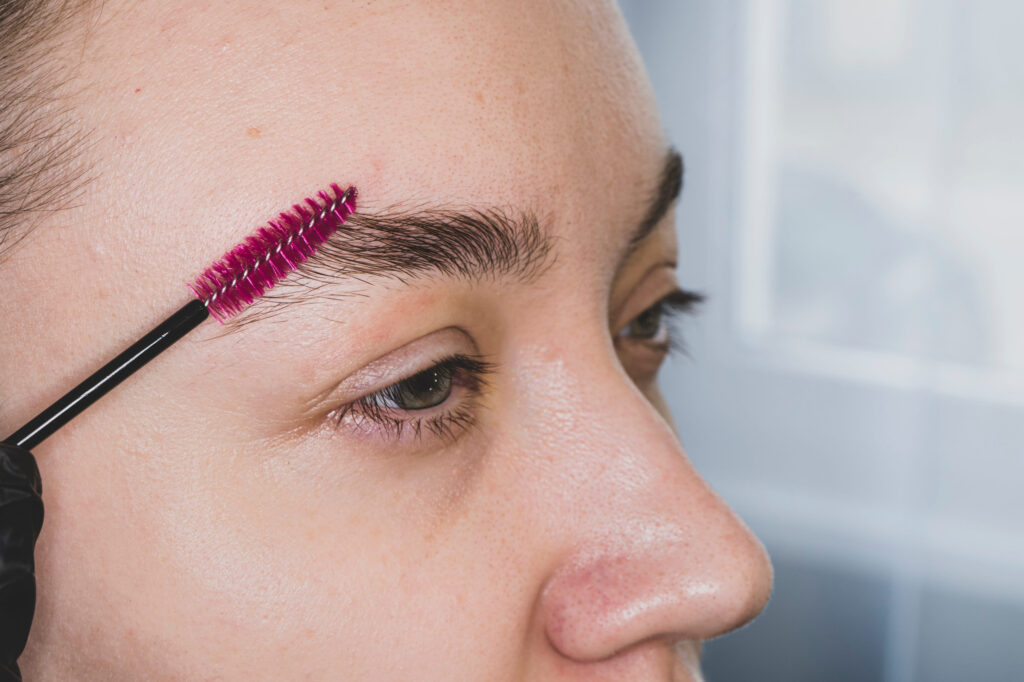
Brows frame the face, yet they’re often overlooked or overdrawn. Thin, heavy, or mismatched eyebrows can make your makeup look unbalanced or harsh. Overly defined brows can dominate your features, while sparse brows leave the face looking incomplete. Correct technique involves soft, hair-like strokes with a brow pencil or powder, followed by a tinted or clear gel to set them in place. This method ensures a natural lift and fullness, complementing the eyes without overpowering the rest of the makeup. Properly groomed brows elevate the entire look, adding symmetry and a polished, intentional appearance.
Brows are the silent architects of the face, shaping your expressions and anchoring your entire makeup look, yet they are often either overlooked or exaggerated to the point of distraction. Brows that are too thin, too dark, or uneven can throw off the balance of your features, creating a harsh or unfinished appearance that competes with the rest of your makeup. Overly bold, heavily drawn brows can dominate the face, drawing attention away from your eyes, cheekbones, and lips, while sparse or neglected brows can make the complexion appear incomplete or tired.
The key is a technique that mirrors the natural growth of your brow hairs: soft, precise, hair-like strokes using a pencil or powder to fill gaps, followed by a tinted or clear gel to hold the shape in place throughout the day. This approach provides subtle lift, fullness, and symmetry, enhancing the eyes and harmonizing the entire facial structure without overpowering other features. When executed thoughtfully, properly groomed brows elevate your makeup from ordinary to refined, giving your face a polished, intentional, and effortlessly put-together look that frames your expressions beautifully.
Applying Concealer Too Thick Under the Eyes

It’s tempting to apply a heavy layer of concealer to hide dark circles, but this often leads to creasing, cakiness, and a chalky finish. Thick layers of concealer can accentuate fine lines, drawing attention to the exact areas you want to conceal. The solution is to use a lightweight, hydrating formula and apply it sparingly, then blend it gently with a damp sponge or soft brush. Layering thin coats builds coverage without creating heaviness, resulting in a smooth, brightened under-eye area that looks natural and refreshed. Heavy concealer tends to settle into fine lines, emphasizing wrinkles and texture rather than masking them, which draws attention to the very areas you’re trying to hide.
The smarter approach is to choose a lightweight, hydrating formula that glides on smoothly and provides buildable coverage without weighing down the delicate skin beneath the eyes. Applying it sparingly in thin layers and blending carefully with a damp sponge or soft brush ensures that the product melts into the skin, brightening and smoothing without creating a chalky or heavy finish.
Layering allows you to target problem areas gradually, enhancing the under-eye zone with a refreshed, awake appearance that feels breathable and natural. With this technique, concealer becomes a tool for subtle enhancement, lifting and illuminating your eyes while preserving a soft, youthful, and polished look that lasts throughout the day.
Forgetting Lip Liner

Lipstick without liner can feather and bleed, particularly on mature lips or when wearing bold shades. Even high-quality formulas can migrate without a defined border, leaving the overall look messy. Lip liner defines the shape, anchors color, and prevents feathering, ensuring longevity. For the best results, fill in lips with liner before applying lipstick. It doubles as a base that enhances color depth and helps maintain a crisp, professional finish all day. Lipstick alone can look striking, but without a properly applied liner, even the most expensive formulas are prone to feathering, bleeding, or fading, especially on mature lips or when working with bold, vibrant shades. Without a defined border, color can creep into fine lines around the mouth, compromising the polished look you’ve worked to achieve and making the lips appear uneven or sloppy.
A well-chosen lip liner does more than outline; it anchors the lipstick, reinforces its shape, and creates a barrier that keeps color precisely in place. For an effortless yet professional finish, start by filling in your lips with the liner, which acts as a base, intensifying the depth and richness of your lipstick while smoothing the surface for seamless application.
This technique ensures that your lip color stays vibrant and intact throughout the day, preventing smudging, maintaining symmetry, and giving your lips a crisp, refined appearance that complements the rest of your makeup flawlessly. By integrating liner into your routine, your lips look defined, full, and polished, turning lipstick from a simple cosmetic into a statement of precision and sophistication.
Not Blending Eyeshadow Properly
Eyeshadow that’s left unblended can appear harsh, patchy, or amateurish. Strong lines between shades break the illusion of dimension and make your eyes look unnaturally enhanced. Using a clean, fluffy brush to soften edges or a finger to blend cream shadows creates a seamless gradient that elevates your makeup. Proper blending allows multiple shades to transition smoothly, making eyes pop while maintaining a soft, wearable look.
Eyeshadow is a powerful tool for highlighting and transforming the eyes, but when left unblended, it can undermine even the most carefully planned look. Harsh lines, uneven patches, and abrupt transitions between colors create a jarring effect, making the eyes appear stark, unnatural, or even amateurish. Strong demarcations disrupt the illusion of depth, drawing attention away from your natural eye shape rather than enhancing it. The key to sophisticated eye makeup lies in blending: using a clean, fluffy brush for powder shadows or a fingertip for cream formulas softens edges and merges tones seamlessly.
This process allows multiple shades to transition smoothly across the eyelid, building dimension without heaviness and giving the eyes a lifted, polished appearance. Properly blended eyeshadow makes colors harmonize effortlessly, accentuating the eye’s contours and making the overall look more professional and wearable. With this technique, eyes appear brighter, more defined, and naturally captivating, transforming makeup from simple color application into an artful, flattering enhancement of your features.
Overloading Mascara
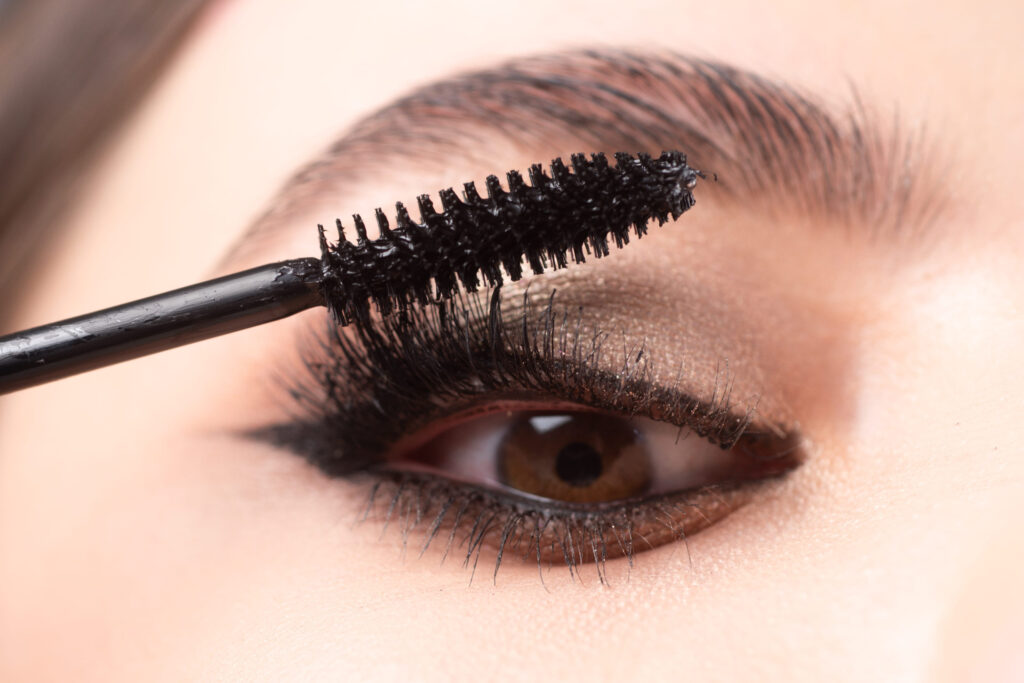
Applying multiple coats of mascara without separation leads to clumping, spider lashes, and uneven texture, which detract from the elegance of your eye makeup. Overloading mascara also weighs lashes down, reducing lift and curl. The proper technique involves starting at the base of the lashes and sweeping upward in a zigzag motion to gradually build volume. This method separates lashes, adds dimension, and yields a lush, fluttery finish that naturally enhances the eyes.
Mascara is one of the most transformative steps in a makeup routine, capable of opening up the eyes and instantly elevating a look, yet misuse can undermine its effect. Applying multiple heavy coats without proper technique often results in clumping, uneven texture, and the dreaded spider lashes, which can make even a carefully done eye look appear messy or unrefined. Overloading the lashes with product also adds weight, causing them to droop and diminishing the natural lift and curl that make eyes appear wide and awake.
The key is precision and patience: start at the base of the lashes and sweep the wand upward using a gentle zigzag motion, coating each lash evenly while keeping them separated. Building volume gradually rather than in one thick application ensures that every lash is defined and coated without sticking together, producing a soft, fluttery effect that enhances length, fullness, and curl. This approach gives the eyes a polished, professional finish, adding dimension and drama without compromising elegance. When done correctly, mascara becomes a tool for subtle glamour, framing the eyes beautifully and making them the focal point of your makeup in a naturally alluring way.
Applying Makeup in Poor Lighting
Poor lighting is a hidden enemy of flawless makeup. Artificial lighting, dim conditions, or yellow-toned bulbs distort color perception, often resulting in uneven foundation, mismatched shades, or exaggerated lines. To ensure accuracy, apply makeup in natural light whenever possible, or use daylight-simulating LED mirrors. Proper lighting lets you see true colors and textures, ensuring your makeup looks impeccable indoors and outdoors.
Poor lighting is one of the most overlooked obstacles to achieving truly flawless makeup. Artificial light, dim settings, or warm yellow-toned bulbs can dramatically distort how colors appear, making foundation seem too dark or light, blush appear unnatural, and contour lines either too harsh or barely visible. These misleading conditions can also exaggerate imperfections or hide areas that need blending, leaving makeup that looks polished indoors but uneven or mismatched in daylight. To avoid these pitfalls, it’s essential to apply your makeup in natural light whenever possible, allowing your eyes to perceive true colors and textures as they really are.
If natural light isn’t available, daylight-simulating LED mirrors provide an accurate, bright alternative that mimics sunlight and helps you detect subtle differences in shades and blending. With proper lighting, you can perfect your application, ensuring that foundation, eyeshadow, and lipstick appear harmonious, vibrant, and seamless in any environment. This simple adjustment transforms your routine, making your makeup look professional, balanced, and consistently flattering, whether you step into sunlight, a restaurant, or an office space.
Technique Over Products
Often, makeup mistakes aren’t about the product itself but how it’s applied. Foundation that streaks may be caused by dry skin beneath, while concealer that creases might be too thick or improperly blended. Eyeshadow may fade because the eyelids weren’t primed. Mastering technique, prepping skin, applying in thin layers, blending thoroughly, and building coverage gradually elevates makeup from average to flawless, no matter the product. Makeup mishaps aren’t a reflection of the quality of the products themselves but stem from how they’re applied and prepared.
A foundation that streaks or appears patchy frequently signals underlying issues such as dry or uneven skin, rather than a failing formula, while concealer that creases or cakes usually indicates it was applied too thickly or without careful blending. Similarly, eyeshadow that fades quickly often points to an unprimed eyelid, leaving color without a proper base to adhere to, rather than a problem with the shadow itself.
The key to elevating any makeup routine lies in mastering technique: thoroughly prepping the skin with moisturizer and primer, applying products in thin, controlled layers, blending carefully to avoid harsh lines, and building coverage gradually to achieve a polished effect. This method transforms ordinary applications into a professional-looking finish, allowing every product, regardless of price or brand, to perform at its best, enhancing natural features and creating a flawless, long-lasting appearance. By focusing on preparation, layering, and blending, makeup becomes a tool for refinement and artistry, turning routine application into a statement of skill and confidence.
Conclusion
Flawless makeup is a combination of product knowledge, skillful technique, and attention to detail. Small changes like applying primer, testing foundation in natural light, blending layers gradually, and keeping tools clean can completely transform your look. These fixes prevent common mistakes, enhance longevity, and ensure that every feature is highlighted beautifully. Makeup is an art, and by understanding and correcting these frequent errors, you can master the canvas of your own face with confidence and elegance.