A diabetes-friendly diet does not usually fail in one loud moment. It fails in small, polite ways. A glass of juice here. A “low-fat” snack there. A giant bowl of white rice that looked harmless until your energy crashed an hour later. These food mistakes are common, and they can make blood sugar much harder to manage.
That is what makes this topic so tricky. Many foods that look healthy on the surface can still work against you when portions, pairing, and processing go wrong. The smartest fix is not a fad diet. It is a better pattern built around non-starchy vegetables, quality carbs, lean or plant-based protein, and healthier fats.
Juice Is Not a Shortcut to Fruit
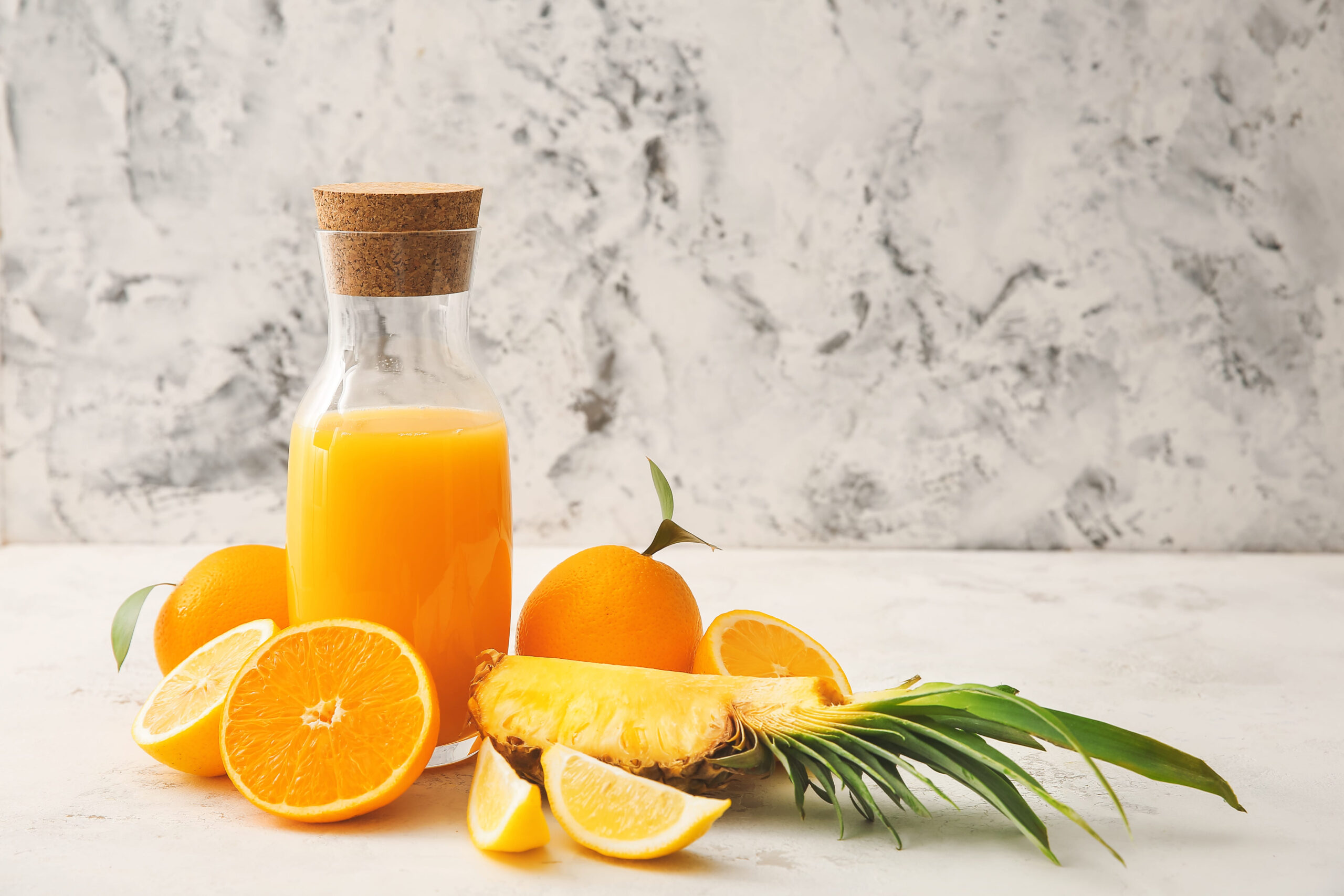
Juice looks fresh, bright, and innocent. It also hits the bloodstream fast because the fiber is stripped away, leaving sugar with a clear runway. That means even a “healthy” glass can push blood sugar up faster than expected. Whole fruit does a much better job because the fiber slows things down.
This mistake is easy to fix. Eat berries, oranges, apples, or grapefruit in their whole form. Let the chewing and fiber do the heavy lifting. Your body handles fruit better when it arrives as food, not as a sweet drink pretending to be one.
Flavored Yogurt Can Turn Breakfast Into Dessert
Yogurt has a healthy reputation, and brands love to use it. The problem starts when flavored cups bring in a pile of added sugar. Suddenly, breakfast looks balanced but behaves like dessert. That is a rough way to start the day if you want steady blood sugar.
A better move is plain Greek yogurt. It provides protein and pairs well with berries, seeds, or chopped nuts. The result tastes fresh and still feels satisfying. You get a smarter breakfast without the sugar ambush.
A Starch-Heavy Plate Sets You Up to Lose
Many people build meals backward. They start with rice, pasta, or potatoes, then push vegetables to the edge like an afterthought. That pattern can leave blood sugar climbing fast and fullness fading early. It is one of the most common plate mistakes people make.
Flip the order, and the whole meal changes. Fill half the plate with non-starchy vegetables first. Use one quarter for protein and one quarter for quality carbs. Broccoli, green beans, peppers, spinach, and cauliflower deserve more space than a lonely spoonful on the side.
Sugary Cereal Can Wreck the Morning
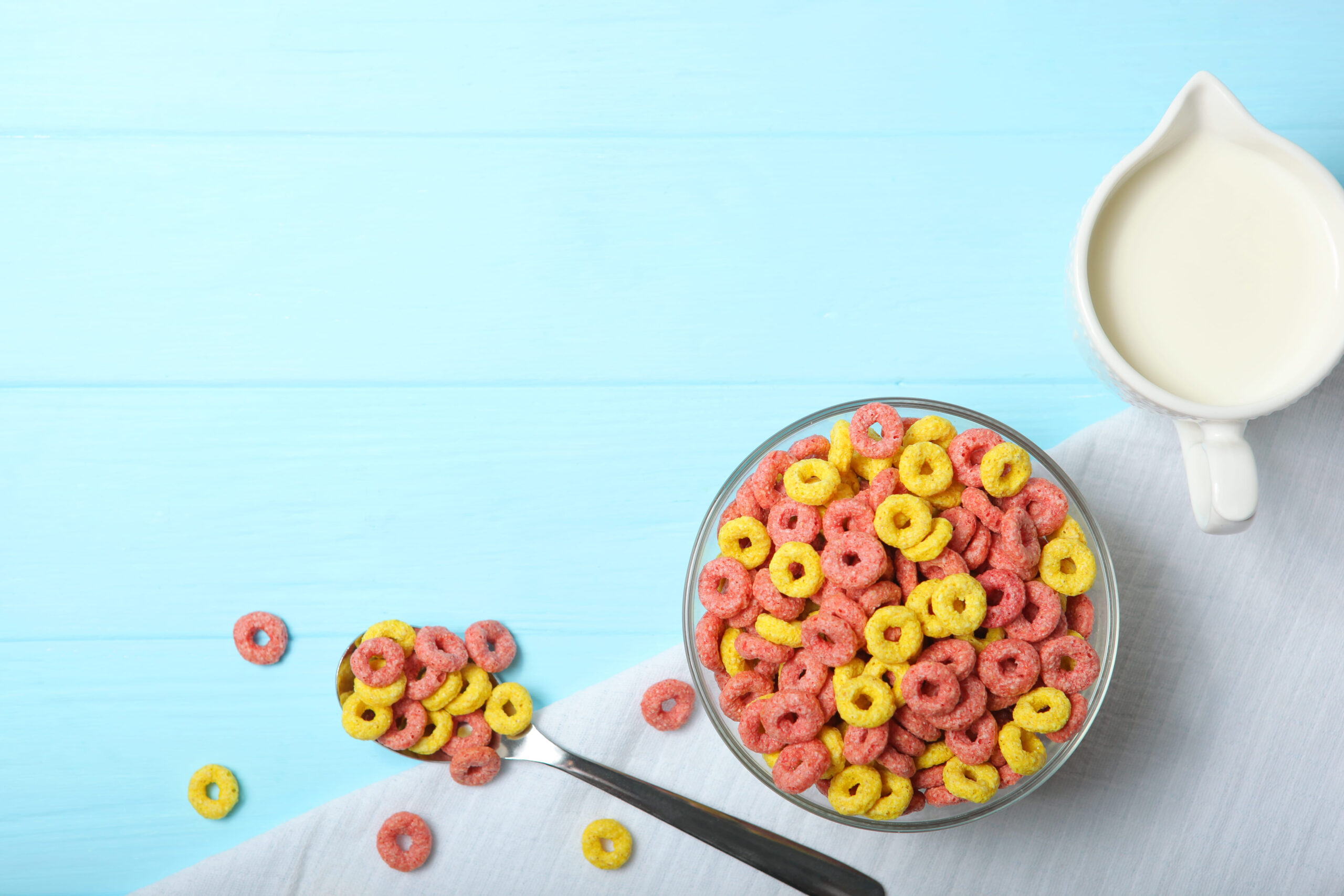
Breakfast can act like a setup. Sweet cereal, pastries, and refined breakfast foods feel quick and easy, but they often leave you hungry again far too soon. Blood sugar jumps, energy dips, and the day starts on the wrong foot. That is a frustrating loop.
Oats are a far better choice. Old-fashioned or steel-cut oats give you fiber and a steadier start. Add nuts, seeds, or plain yogurt for balance. It is a simple switch, but it can change the whole tone of your morning.
Processed Meat Is a Weak Protein Strategy
Protein matters, but lazy protein choices can still backfire. Bacon, sausage, and other processed meats often become daily defaults because they are familiar and easy to use. The trouble is that they do not offer the same long-term benefits as cleaner protein sources. For people already managing diabetes, that is not a great bargain.
Better options are easy to find. Fish, beans, lentils, tofu, eggs, and lean poultry all do a stronger job. They support fuller meals and fit a healthier pattern. Your protein should help the plan, not quietly sabotage it.
Snack Foods Can Destroy Good Intentions Fast
This is where many healthy plans fall apart. Crackers, chips, granola bars, and sweet snack packs disappear in minutes and rarely keep you full for long. They look small, but they can still push in too many refined carbs. That turns one snack into a fast detour.
Keep better backups nearby. A small handful of almonds, walnuts, pistachios, or seeds can steady hunger far better. Pair them with fruit if you need something more substantial. Smart snacks act like support beams, not trap doors.
Avoiding Fat Completely Can Backfire
Many people still treat fat like the villain in every story. That fear often leads to meals low in fat but high in refined carbs or sugar. The result is a plate that looks disciplined but leaves you hungry again in no time. That hunger then drives overeating later.
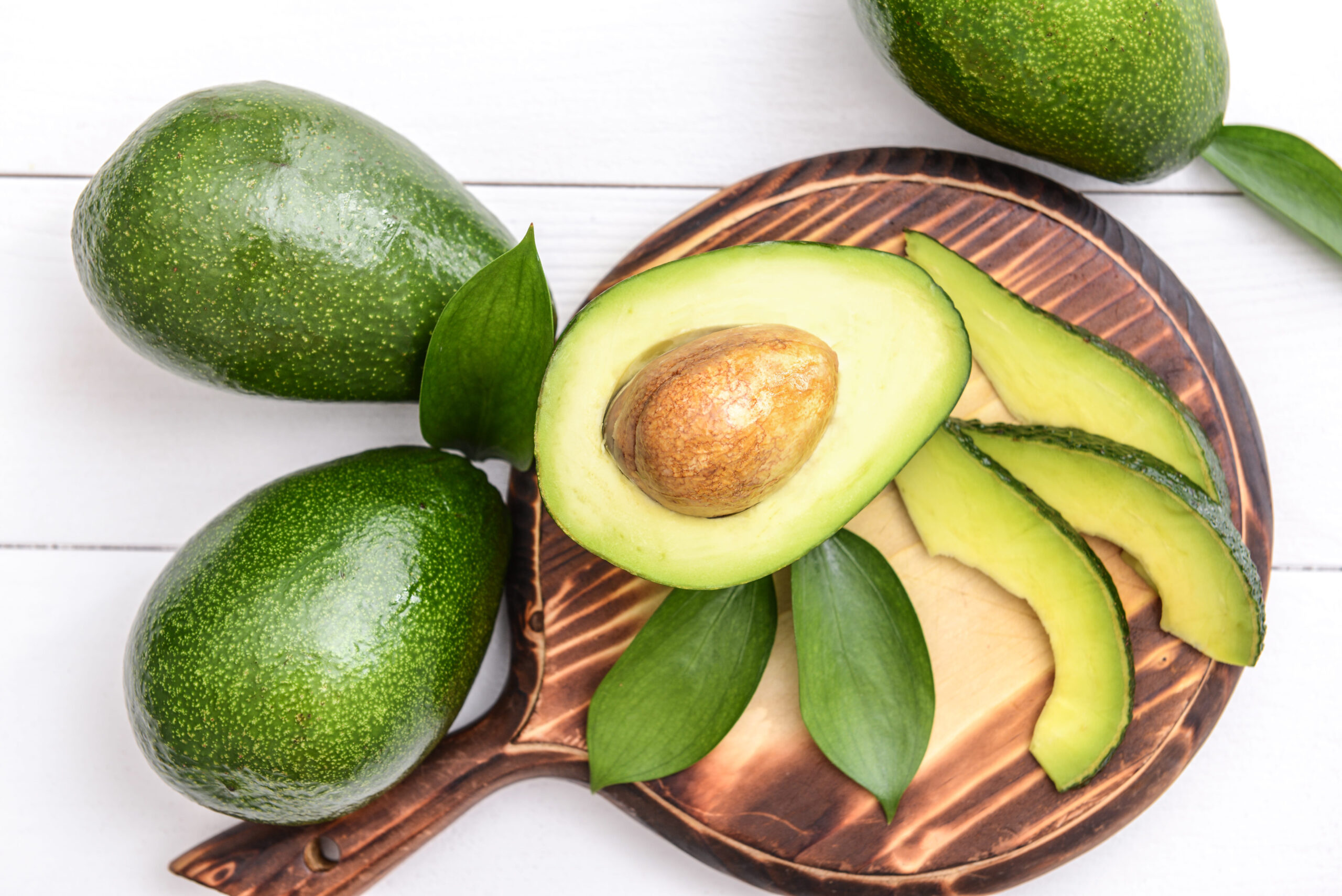
Healthy fats solve that problem well. Avocado, nuts, seeds, and olive oil can make meals more satisfying. They add richness without forcing you to rely on sugary or starchy fillers. Not all fat is the enemy, and treating it that way causes trouble.
“Multigrain” Does Not Always Mean Smart
A label can sound healthy and still mislead you. “Multigrain” often gives food a wholesome glow, even when the product is still heavily refined. That means less fiber, less staying power, and a faster rise in blood sugar. It is a classic case of good marketing doing bad nutrition.
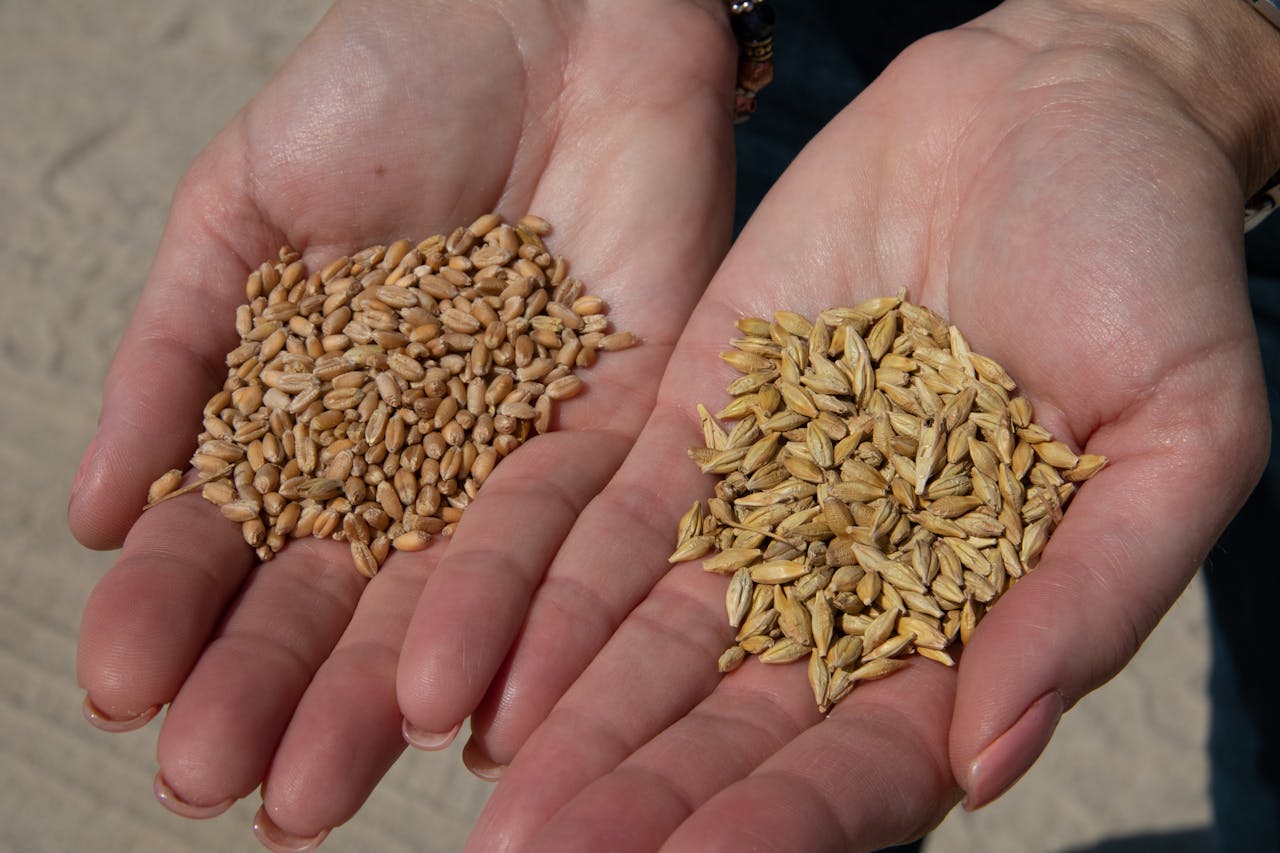
Read past the front of the package. Choose oats, quinoa, barley, brown rice, or whole-grain bread first. These options do more useful work inside the body. They digest more slowly, which supports better control.
People Obsess Over Single Foods and Ignore the Whole Meal
This mistake hides in plain sight. Many people fixate on whether one food is “good” or “bad” and ignore how the full meal works together. Blood sugar responds to the whole plate, not just one item in isolation. That means food pairing matters more than people realize.
Carbs behave differently when they’re accompanied by protein, fat, and fiber. Whole fruit with nuts works better than fruit alone. Grains with beans, fish, or yogurt work better than grains alone. Stop judging meals like solo performances when the real story is the full cast
Beans Get Ignored Far Too Often
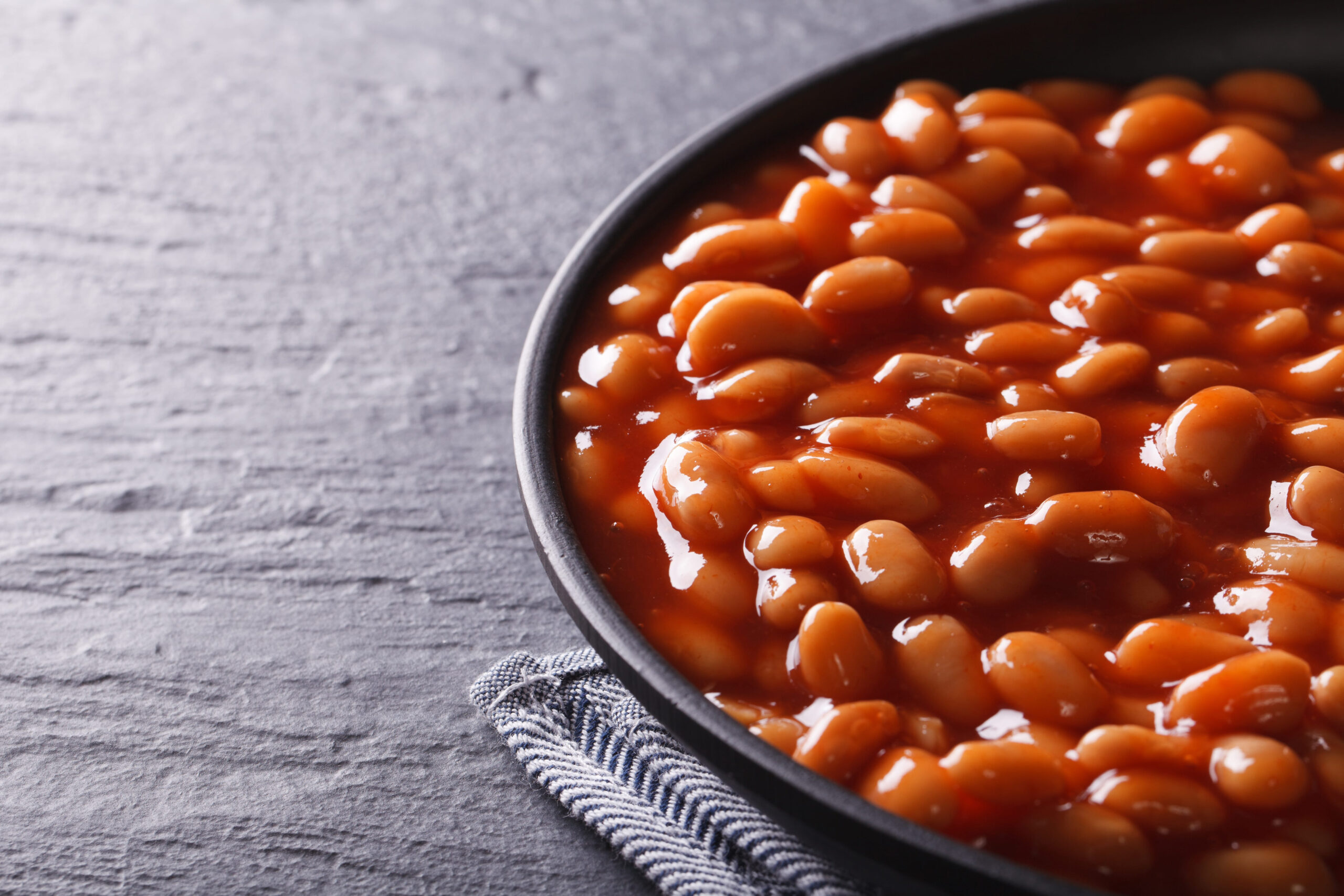
Beans are not flashy, which is probably why so many people overlook them. They do not come with trendy packaging or a polished health halo. Still, they offer one of the best combinations around: fiber plus protein. That is a strong pairing for blood sugar control.
Lentils, chickpeas, black beans, and kidney beans all deserve more respect. They can replace some of the refined starch on the plate, making meals more filling. They also work in soups, bowls, salads, and stews. Beans are humble, but they get results.
Portion Blindness Can Ruin Even Good Choices
Even good food can cause problems when portions keep creeping up. A healthy choice does not stay helpful when it turns into a double or triple serving without notice. That is where many people get frustrated. They think the food failed when the real issue was the amount.
Use a simple plate method and keep portions grounded. You do not need to turn every meal into a math test. You just need structure. A sensible serving can make a bigger difference than people expect.
The Best Diabetes Foods Work as a Pattern, Not a Magic Trick
There is no hero food waiting to rescue a messy routine. The best foods for people with diabetes work because they fit into a repeatable pattern. That pattern includes non-starchy vegetables, whole fruit, beans, whole grains, fish or plant protein, plain yogurt, nuts, seeds, avocado, and healthier oils. It is not glamorous, but it is reliable.
That is the uncomfortable truth many people avoid. Good blood sugar control does not come from one miracle ingredient. It comes from fewer quiet mistakes and better food choices made again and again. Real progress often looks boring before it looks powerful.
Conclusion
The biggest danger is not one forbidden food. It is the slow buildup of habits that seem healthy but keep working against you. That is why small changes matter so much. They stop the damage before it becomes your routine.
Start with one fix today. Swap juice for whole fruit. Replace sugary yogurt with plain Greek yogurt. Build half your plate with vegetables before the starch takes over. Better blood sugar control does not require perfection. It requires purposeful, smarter choices.