Some safety rules deserve respect. Others deserve retirement. The problem is that once an old warning settles into family culture, school talk, and everyday habits, it starts to sound like an unquestionable truth even when the facts have changed.
That is how people end up following outdated, oversimplified, or flat-out misleading advice. The original article behind this topic points to several rules people repeat on autopilot, and a closer look shows that many of them need a serious update.
Standing in a doorway during an earthquake

This one survives because it sounds cinematic. People imagine a doorway as some magical shield against falling debris, as if the house itself will crumble everywhere except for that one dramatic rectangle. But modern guidance says otherwise.
The CDC says the safer move in most cases is to drop, cover, and hold on under sturdy furniture, and the American Academy of Pediatrics explicitly says not to take cover in a doorway. In other words, the old doorway legend may feel brave, but it is not the heroic move people think it is.
Teaching kids that all strangers are dangerous
“Stranger danger” is catchy, but catchy is not the same thing as useful. A child who learns only to fear unfamiliar faces may miss the bigger lesson: how to spot unsafe behavior, ask for help, and identify trusted adults.
The U.S. Office of Juvenile Justice and Delinquency Prevention has warned that the slogan is not especially effective because children may not recognize danger when it comes wrapped in a friendly face. Smart safety is less about panic and more about pattern recognition.
Treating cell phones at gas stations like the main threat

The old fear was simple: one phone call, one spark, one fiery disaster. But the Petroleum Equipment Institute says it has not documented a single refueling fire caused by a cellular phone, while static electricity has been linked to real incidents. That does not mean gas stations are the place to scroll, text, or drift off into distraction.
It means the bigger danger is not your ringtone setting the place ablaze. The smarter rule is this: stay focused, avoid creating static, and finish fueling before doing anything else.
Waiting 24 hours to report a missing person
This myth refuses to die, probably because television gave it nine lives. In reality, there is no universal 24-hour waiting rule before reporting someone missing.
Federal guidance for missing children says to report the disappearance immediately, and Justice Department materials note that many states have removed mandatory waiting periods for missing adults, too. Time matters, especially in the early hours, so hesitation is not caution here. It is a costly delay dressed up as a procedure.
Running in a zigzag to escape a wild animal

This advice has the energy of a campfire story told by someone who has never met a predator in a bad mood. Animal encounters are species-specific, and one goofy universal rule will not save you.
National Park Service guidance on bear encounters says not to run, as running can trigger a chase. The truth is less catchy and more useful: know the animal, stay calm, and follow guidance that fits the actual threat instead of performing a panicked side-to-side sprint like you are dodging imaginary laser beams.
Waiting 30 minutes after eating before swimming
This rule was handed down with such conviction that whole childhood summers were built around it. Yet Mayo Clinic says there is no scientific basis for the idea that you must wait 30 to 60 minutes after eating before swimming.
A heavy meal might make you feel sluggish or mildly uncomfortable, sure, but that is not the same thing as instant danger. So no, a sandwich does not suddenly turn the pool into a life-threatening event. Your body is not that dramatic.
Throwing water on a grease fire
Here is one rule that needs to be ignored because following it can make everything worse. People learn “water puts out fire,” then try to use that logic on a grease fire and end up launching flames higher and farther.
The American Red Cross says never pour water on grease fires; instead, slide a lid over the pan and turn off the burner. This is the kind of kitchen myth that can go from small mistake to emergency in a heartbeat.
Assuming you can just smash a car window if it sinks
Movies have done terrible things to people’s confidence. On screen, one dramatic kick, and the glass gives way like sugar. In real life, escape guidance emphasizes acting fast, unbuckling, and getting the windows down early if possible.
AAA testing found escape tools can work on tempered side windows, though newer laminated glass can be much harder to break. The lesson is not “don’t worry, you’ll figure it out.” The lesson is that seconds matter, and wishful thinking is not an escape plan.
Treating duct tape like a safety device
Duct tape has a heroic reputation, and honestly, it earned part of it. It can patch, hold, wrap, and rescue a lot of minor household chaos.
But once people start using it on damaged wiring, broken equipment, or repairs that should involve actual tools and actual standards, the legend gets dangerous. A temporary fix can quietly become a permanent hazard. Duct tape is handy, but it is not an electrician, a plumber, or a miracle worker in silver clothing.
Trusting GPS more than your own eyes
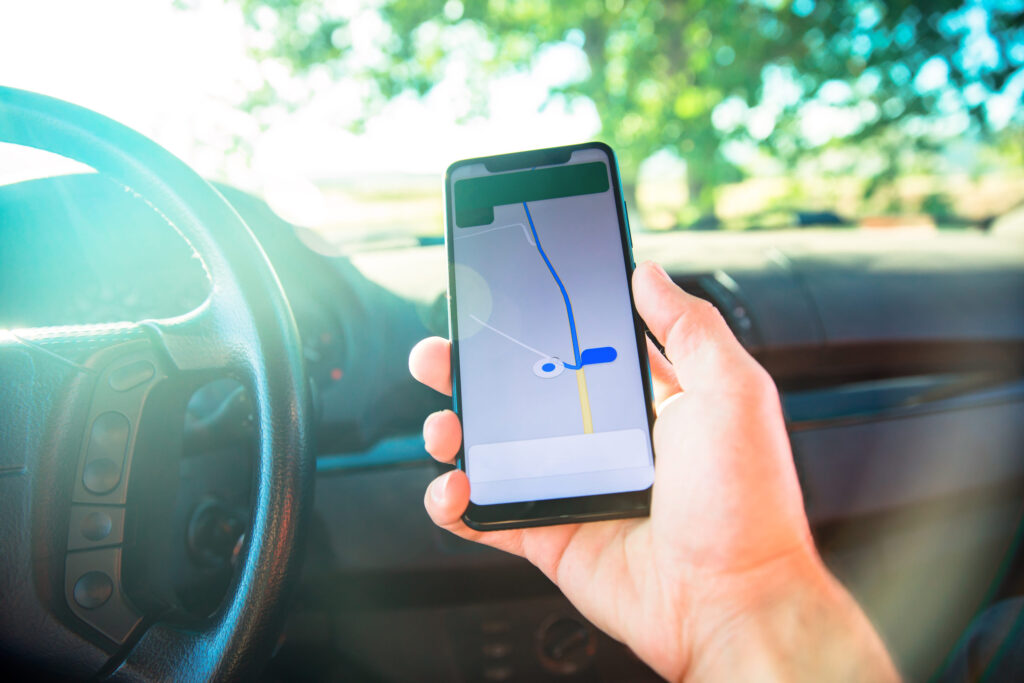
GPS is brilliant until it is bossy, wrong, or both. Good navigation tools help with routing and location, but they are not a substitute for common sense, road signs, or basic situational awareness.
GPS safety guidance stresses setting up directions before driving, and recent real-world reports continue to show navigation apps sending drivers onto poor or unsafe detours. Technology is a strong co-pilot. It should never be the only adult in the car.
Trying to avoid every germ like it were a sworn enemy.
Modern life loves disinfecting wipes, antibacterial sprays, and the fantasy of living in a perfectly sterile bubble. But public health and research sources have long pointed out that immune development is more complicated than “all germs bad.”
Johns Hopkins describes the hygiene hypothesis as the idea that kids need some exposure to microbes to help train healthy immune responses, even if the science is more nuanced than the internet version of “let them eat dirt.” Clean matters. Obsessively scrubbing every speck of life out of existence is a different thing entirely.