It’s easy to think that sharing a treat with your furry friend is a harmless act of love, but certain human foods can actually be deadly for dogs. While some risks are well-known, like chocolate and onions, others, such as xylitol and raw dough, may surprise you.
These dangerous foods can cause serious health issues, from kidney failure to life-threatening poisoning. If you’re a dog owner, it’s crucial to know what’s off-limits to keep your pet safe. In this article, we’ll walk you through 12 foods that could put your dog’s life in danger, and what you should do if your dog eats something they shouldn’t.
Avocados

Avocados are rich in a compound called persin, which can be toxic to dogs in large amounts. While smaller doses of avocado flesh are unlikely to harm larger dogs, they can still cause digestive issues, such as vomiting or diarrhea. Furthermore, the high-fat content in avocados can lead to pancreatitis in some dogs. Avoid giving your dog any part of the avocado, including the skin and pit.
Chocolate
Chocolate contains theobromine, a stimulant that can cause severe health problems in dogs, such as heart arrhythmias, seizures, and even death. Dark chocolate, in particular, is highly toxic, and even small amounts can lead to serious poisoning. Always ensure that chocolate, whether solid or in a beverage, is kept well out of your dog’s reach.
Alcohol
Though it might seem amusing to share a toast with your dog, alcohol is dangerously toxic to pets. Even a small amount of alcohol can cause severe poisoning, leading to symptoms like vomiting, diarrhea, and central nervous system depression. Ingredients found in alcoholic beverages, such as xylitol, chocolate, and caffeine, can also pose additional risks. Always keep alcoholic drinks out of your dog’s reach to prevent accidental consumption.
Coffee and Caffeine

Coffee, tea, soda, and energy drinks all contain caffeine, which is a stimulant harmful to dogs. Caffeine can lead to vomiting, rapid breathing, increased heart rate, and even seizures in extreme cases. It’s essential to keep all caffeinated products out of reach of your dog, as even a small amount can lead to a trip to the emergency vet.
Dairy Products
While many dogs might love dairy, most are lactose intolerant, meaning they have difficulty digesting lactose. Feeding your dog dairy can cause digestive issues such as diarrhea, bloating, and gas. It’s best to avoid dairy products altogether or offer them in moderation if your dog is known to tolerate it.
Fatty Foods
Fatty foods, such as fatty meats or processed snacks, can cause pancreatitis in dogs. This condition, which leads to inflammation of the pancreas, can be extremely painful and require costly veterinary treatment. Stick to dog-friendly snacks and avoid giving your dog fatty leftovers, especially around the holidays.
Nuts

While most nuts aren’t toxic to dogs, certain varieties can be harmful. For example, macadamia nuts are known to cause symptoms such as vomiting, tremors, and muscle weakness in dogs. In general, all nuts present a choking hazard and can cause digestive distress or contribute to weight gain. Stick to safe dog treats and avoid feeding your dog nuts.
Garlic, Onions, and Leeks
Garlic, onions, and leeks are all part of the Allium family and are toxic to dogs. These foods contain compounds that can damage your dog’s red blood cells, leading to anemia and potentially life-threatening complications. Whether raw, cooked, or in powdered form, it’s crucial to avoid feeding your dog any of these foods.
Spoiled Foods
Just like humans, dogs can suffer from food poisoning if they eat spoiled or rancid food. Symptoms of food poisoning include vomiting, diarrhea, and lethargy. Always check the freshness of any food before feeding it to your dog, and never give them food that has been left out for too long.
Grapes and Raisins
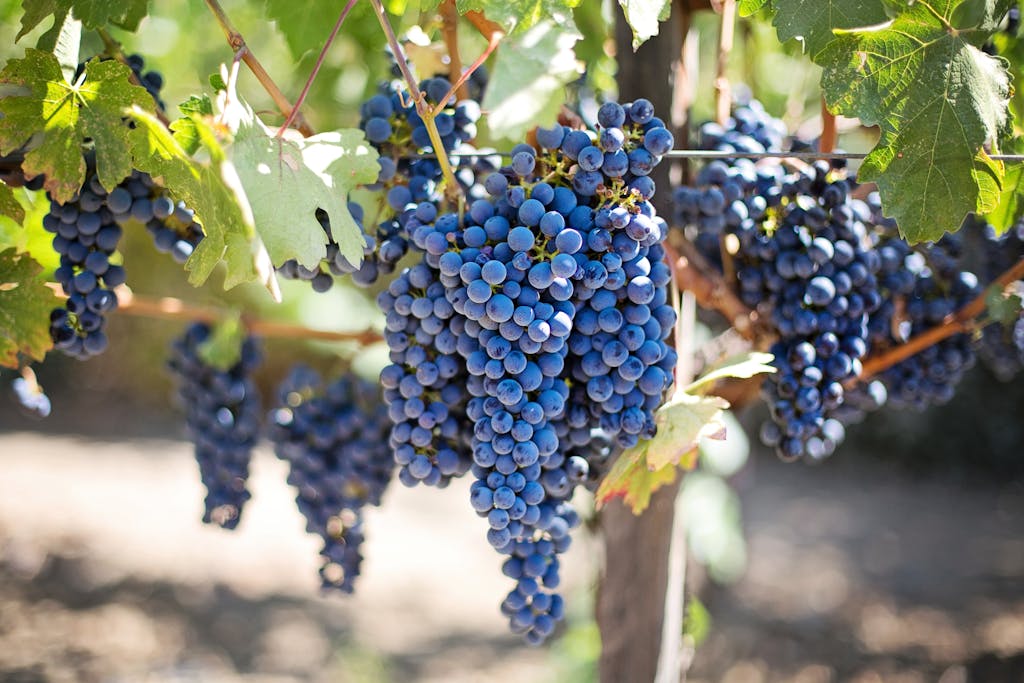
Even small amounts of grapes and raisins can cause kidney failure in dogs, leading to severe illness or even death. The exact compound in grapes and raisins that causes the toxicity remains unknown, but it’s best to avoid feeding your dog these fruits entirely. Always be cautious with foods that contain raisins, such as baked goods.
Raw Bread Dough
When dogs consume raw bread dough, it continues to rise in their stomach, leading to the production of alcohol as it ferments. This can cause alcohol poisoning, resulting in symptoms like disorientation, vomiting, and lethargy. Additionally, the dough can cause bloating and stomach upset, which can be an emergency.
Stone Fruits
Stone fruits such as peaches, cherries, and plums are not inherently toxic, but their pits can be a significant risk. The pits contain cyanide compounds that, when ingested, can lead to poisoning. Furthermore, these pits pose a choking hazard, especially for smaller dogs. Always remove the pits before giving your dog fruit.
What to Do If Your Dog Eats Something Dangerous
If you suspect your dog has eaten something toxic, it’s important to act quickly. Call your veterinarian or the Pet Poison Helpline immediately for guidance. In some cases, immediate treatment is needed to prevent serious health issues, so don’t delay. Always err on the side of caution when it comes to your dog’s safety.
By keeping these foods out of your dog’s reach, you can ensure their health and happiness for years to come. As a responsible pet owner, it’s essential to be aware of the risks and make informed choices when feeding your furry companion