America has a funny way of turning ordinary groceries into personality traits. One year, everyone is drinking celery juice before sunrise, and the next year, a protein cookie with more ingredients than a science project is being sold as self-care.
The problem is not that every trend is bad. Some wellness foods genuinely help people eat better, drink less alcohol, or add more plants to their plates. The trouble starts when marketing makes a snack, powder, drink, or diet sound far healthier than it really is.
Green juices are healthier than whole vegetables.
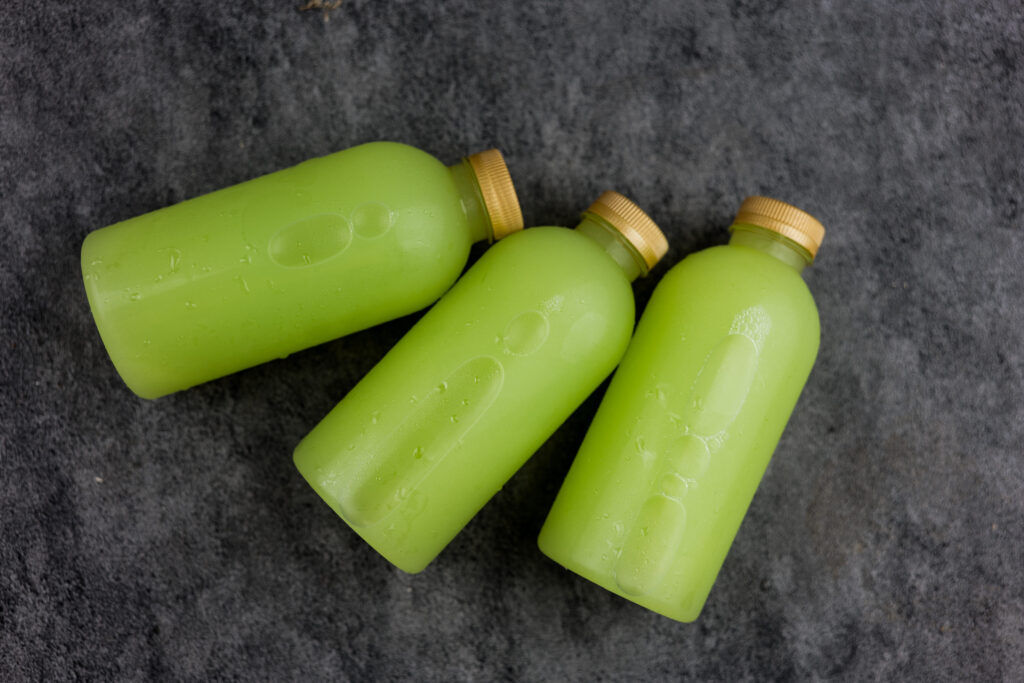
Green juice looks like discipline in a bottle, which is probably why it became a wellness favorite. The label usually flashes words like clean, fresh, cold pressed, and detox, making it feel like a shortcut to better health. Yet many bottled juices remove much of the fiber that makes whole vegetables and fruits so filling.
That does not make green juice useless, especially for people who struggle to eat enough produce. The issue is that a drink can go down fast, cost a lot, and still leave you hungry an hour later. A plate of vegetables, beans, fruit, or a smoothie with fiber usually gives the body more to work with.
Protein bars that are basically candy in gym clothes
Protein bars can be useful when someone needs a quick snack after a workout or during a packed workday. Still, plenty of them look healthier than they are because the word protein does a lot of heavy lifting on the package. Some bars contain added sugars, sugar alcohols, chocolate coatings, and long ingredient lists that make them feel closer to dessert than to a balanced mini meal.
A smarter approach is to treat protein bars as backup food, not daily nutrition insurance. Look at the added sugar, fiber, calories, and ingredient list before trusting the front label. If the bar tastes like a candy bar, it may be worth asking whether it is really a health food or just a more expensive version of one.
Plant-based meat that still counts as processed food
Plant-based meat helped many Americans cut back on animal products, and that is a meaningful shift for people who care about the environment or animal welfare. The problem is that plant-based does not automatically mean light, simple, or nutritious. Many meatless burgers, nuggets, and sausages are still heavily processed products built to taste and feel like fast food.
That does not mean people need to avoid them completely. It simply means they should not be treated the same way as lentils, beans, tofu, vegetables, or whole grains. A meatless burger can be a fun swap, but it is not the same thing as eating a bowl of real plants.
Collagen powders promise too much glow.
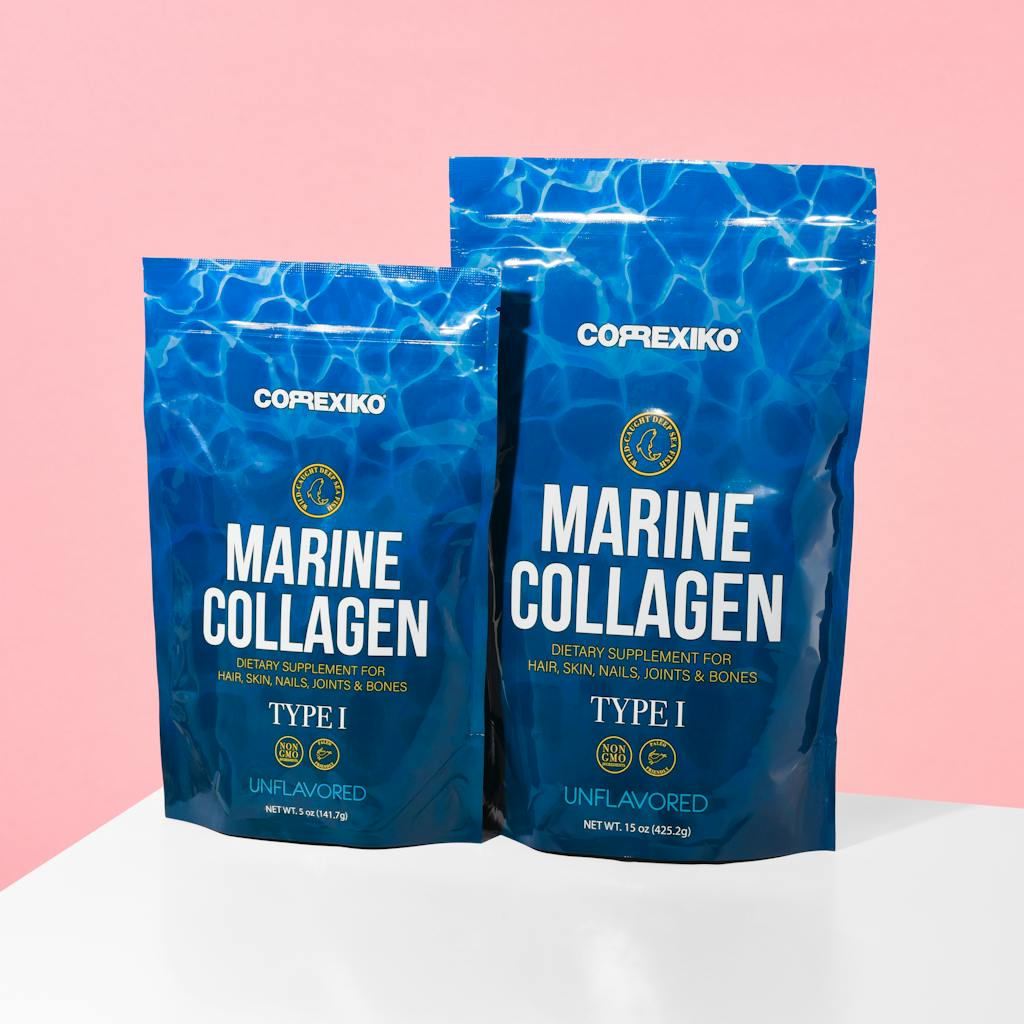
Collagen has become the beauty aisle’s favorite edible promise. Powders, gummies, drinks, creamers, and protein blends now suggest that younger-looking skin may be just a scoop away. Some research suggests possible benefits for skin hydration and elasticity, but the broad marketing around collagen often races ahead of what most shoppers can realistically expect.
The biggest problem is the expectation. Collagen will not replace sleep, sunscreen, protein, hydration, or a balanced diet. For some people, it may offer a small benefit, but it should not be sold as a miracle powder that can outsmart aging on its own.
Probiotic everything
Probiotics can be helpful in specific situations, and some fermented foods deserve their good reputation. Yogurt with live cultures, kefir, kimchi, sauerkraut, and other fermented foods can fit beautifully into a balanced diet. The problem starts when the word probiotic is stamped on every snack, soda, cereal, and gummy, as though gut health can be solved by branding.
Not every probiotic product contains the same strains, the same amounts, or the same evidence. Some people with weakened immune systems also need to be more careful with probiotic products. Gut health is bigger than one trendy drink, and it usually depends on fiber, variety, sleep, stress, hydration, and regular eating habits.
Detox teas and cleanses that sell panic
Detox products may be the most dramatic part of the wellness market. They often suggest that normal eating has filled the body with mysterious toxins and that a tea, juice plan, or supplement can fix the problem quickly. That message sounds powerful because it turns guilt into a product.
The body already has organs that handle waste and filtering every day. The liver, kidneys, digestive system, lungs, and skin do not need a celebrity cleanse to do their jobs. What many people really need is enough water, enough fiber, regular meals, and less pressure to punish themselves after eating.
Keto snacks that turn restriction into a grocery aisle

Keto may help some people manage certain health goals under proper guidance, but the snack industry turned it into a label that can make almost anything sound virtuous. Keto cookies, keto chips, keto ice cream, and keto cereal often keep the restriction while losing the point of eating better. A low-carb label does not guarantee a food is rich in nutrients.
This is where shoppers can get tricked. A product may be low in sugar or carbs but still high in saturated fat, calories, sodium, or additives. If the goal is better health, a packaged keto snack is not automatically better than a simple meal built around eggs, fish, yogurt, vegetables, nuts, or beans.
Intermittent fasting is treated like magic.
Intermittent fasting is not nonsense, but it is often presented too casually. Some people like it because it gives structure, reduces late-night snacking, or makes calorie control feel simpler. Others feel tired, irritable, overly hungry, or more likely to overeat once the fasting window ends.
The trend becomes risky when people prioritize meal timing over meal quality. Fasting will not make ultra-processed food nutritious, and skipping breakfast does not automatically create a healthier lifestyle. For many people, the best eating pattern is the one they can follow without feeling trapped, deprived, or obsessed.
CBD snacks with wellness claims that sound too easy
CBD went from niche wellness product to ingredient in gummies, drinks, chocolates, coffee, and snacks with surprising speed. The marketing often suggests calm, balance, sleep support, or everyday relief in a way that feels soft and harmless. Yet the rules around CBD in food and supplements remain complicated, and many products still raise questions about safety, dosing, quality, and unsupported claims.
That does not mean every CBD product is automatically dangerous. It means shoppers should be careful when a snack starts sounding like medicine. If a product claims to treat anxiety, pain, sleep problems, or other health issues, that is a sign to slow down and look beyond the packaging.
Low sugar sweets that make people ignore the whole label

Cutting back on added sugar can be a smart move, especially since sugary drinks and sweets are major sources of added sugar in American diets. Low sugar snacks can help some people manage cravings without blowing past their daily goals. The trap is believing low sugar always means healthy.
Many low-sugar products rely on sugar alcohols, intense sweeteners, refined starches, fats, and flavor tricks to mimic the taste of dessert. Some people also experience digestive discomfort from certain sugar alcohols. It is fine to enjoy these foods, but they still belong in the treat category, not the vegetable category.
Superfood powders that make basic groceries look boring.
Superfood powders are brilliant at sounding rare, ancient, and powerful. Greens powders, mushroom powders, red powders, and adaptogen blends often promise energy, focus, immunity, gut support, and glowing skin in one scoop. They can be convenient, but they can also make people believe nutrition has to be expensive and complicated.
Most people do not need a luxury powder before they need enough protein, vegetables, fruit, whole grains, beans, nuts, and water. A scoop may help fill a small gap, but it cannot replace the everyday basics. Good nutrition is usually less glamorous than the marketing suggests.
Expensive wellness drinks replacing water

The beverage aisle has become a wellness theater. There are drinks for focus, calm, hydration, beauty, energy, digestion, immunity, and mood. Some contain useful ingredients, but many also come with sweeteners, caffeine, sodium, vague claims, or prices that make plain water look painfully unfashionable.
This trend works because drinking something feels easier than changing a habit. A fancy drink can feel like progress, even when it is mostly branding in a can. For daily hydration, water still wins most of the time, and the body does not need every sip to come with a wellness mission.
Conclusion
Health food trends are not always scams, but they do become a problem when they turn common sense into a luxury product. The healthiest choice is often the least dramatic one: eating more whole foods, checking labels, getting enough fiber, limiting added sugar, and choosing meals that fit real life.
The best rule is simple. If a product promises too much, costs too much, or makes basic food seem outdated, it deserves a second look. Wellness should make life easier to live, not harder to afford.